
Sanctions against Russian oil: 3 reasons why the US once had to ease them.
The US Treasury Secretary explained how Washington eased sanctions on Russian oil to prevent soaring prices, along with the decision to end the latest waiver.
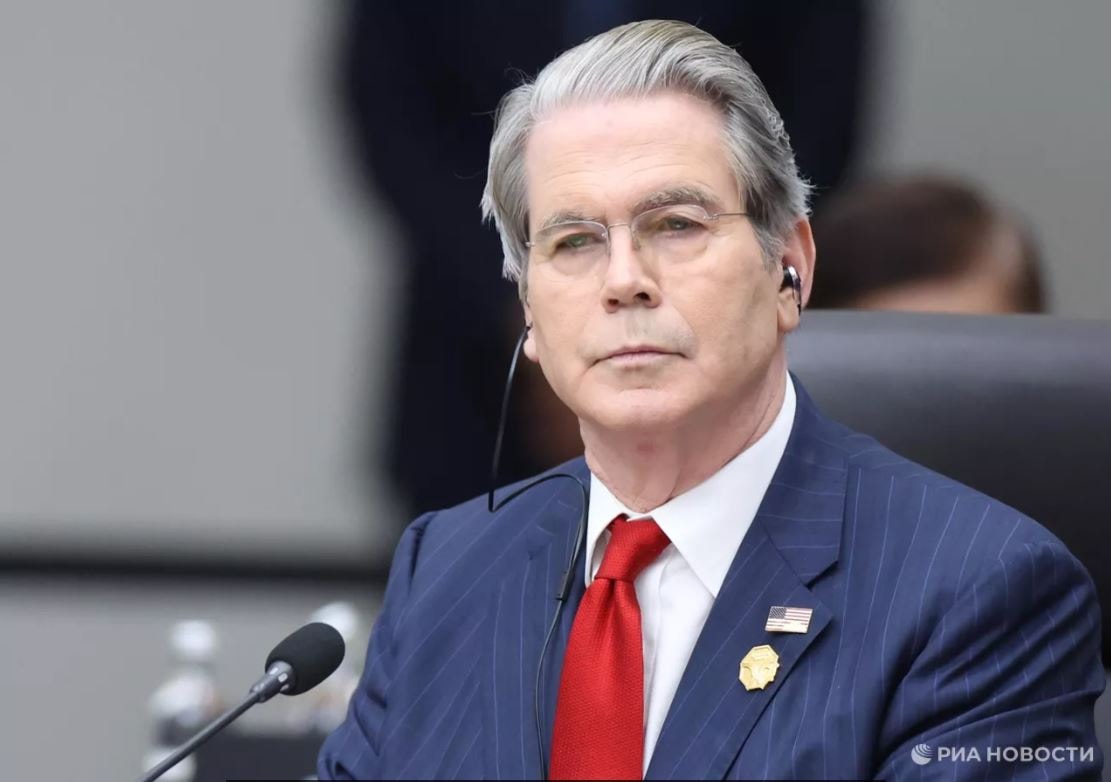
The US decision to temporarily ease sanctions on Russian oil was once a necessary step to prevent a market crisis. According to RIA Novosti on April 16th, US Treasury Secretary Scott Bessent explained the details of this strategic move, while also confirming that Washington will end exceptions in the near future.
US Treasury Secretary Scott Bessent said Washington needs to temporarily ease sanctions to avoid a collapse of the energy market.
"Scenarios of doomsday scenarios have been discussed. Oil prices could skyrocket to $150, $200, or even $250 a barrel," Bessent said at a White House press conference on April 15 (Washington time).
According to the minister, the issuance of general licenses to purchase Russian oil has actually "helped stabilize prices." Mr. Bessent stated that it is difficult to give an exact estimate of the amount of oil sold through these licenses. However, he suggested that Russia's revenue could be around $2 billion.
"Imagine a different scenario. A world where oil prices skyrocket to $150 a barrel. In that case, Russia would make even more profit," Bessent argued.
In an effort to cool down soaring oil prices caused by the attack on Iran, US officials decided to take action in March 2026. They temporarily removed Russian oil and petroleum products from the sanctions list, specifically for shipments loaded onto ships up to March 12th.
Washington has not imposed any restrictions on the sale of these shipments. The special authorization from the U.S. Treasury Department is valid until April 11.
Although the easing of restrictions had previously been effective in stabilizing prices, Secretary Scott Bessent affirmed that the US would not be renewing these general permits. This decision comes as Washington seeks to tighten control measures.
"We will not renew the general license for Russian oil. We will also not renew the general license for Iranian oil," he reiterated the US position at the press conference.
On Moscow's side, Russian officials are closely monitoring developments from Washington.
On April 14, Russian President's press secretary Dmitry Peskov officially commented on the issue. According to Peskov, as of now, the US has not made any announcement regarding the extension of licenses to sell Russian oil.


