
Sanctions against Russian oil: US continues to temporarily ease restrictions.
Similar to the previous easing of restrictions, the US is allowing Russian oil transactions until May 16th for shipments that were loaded onto ships before April 17th.
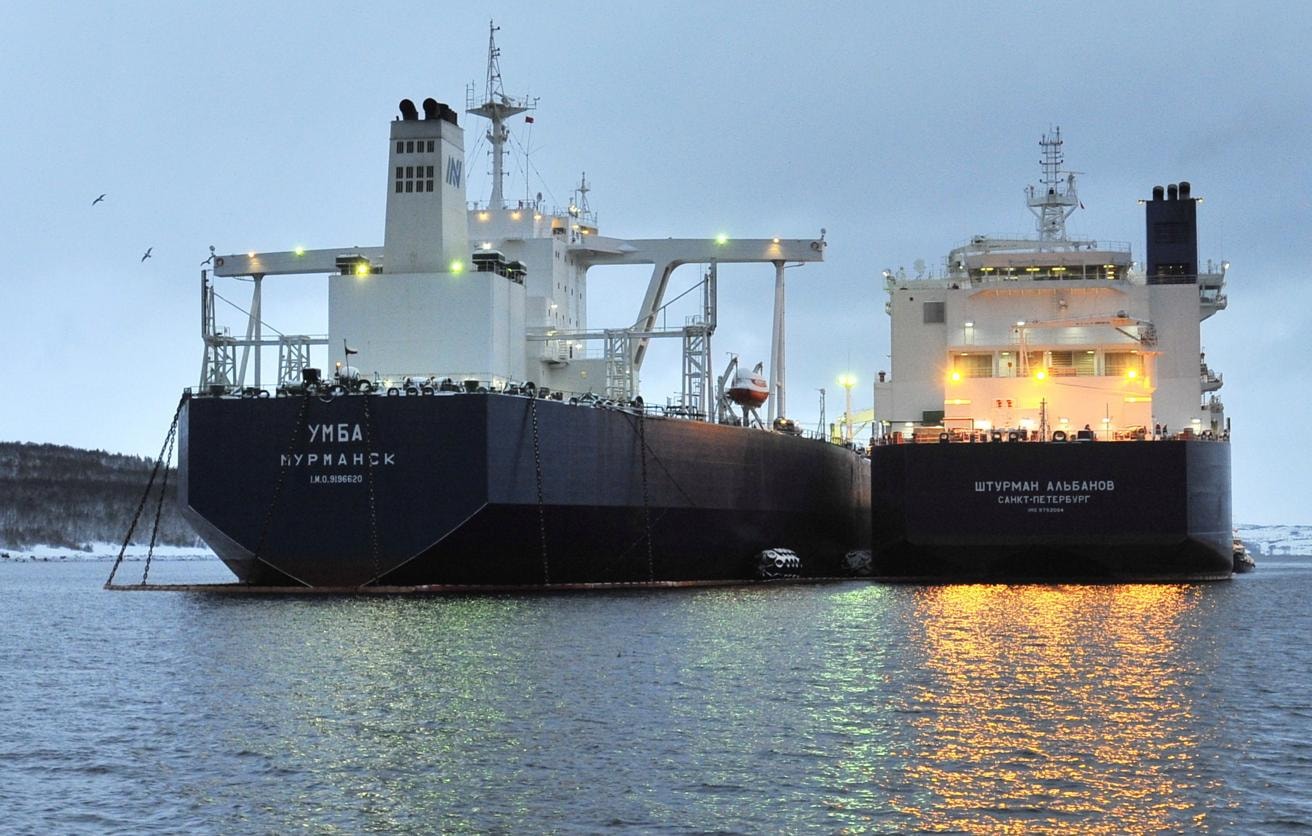
According to TASS on April 18, in relation to sanctions on Russian oil, the US Treasury Department has announced an extension of the period allowing transactions related to oil and petroleum products from Russia.
Specifically, on April 17th (Washington time), the Office of Foreign Assets Control (OFAC) of the US Treasury Department announced the contents of the latest general license. Accordingly, Washington officially authorized the sale, transport, and unloading of oil and oil products originating from Russia.
This easing of sanctions on Russian oil specifically applies to shipments loaded onto vessels before 00:01 on April 17, 2026 (Eastern Summer Time). According to the document, the parties involved have until 00:01 on May 16, 2026, to complete the transaction, delivery, and unloading procedures at the destination. This permit includes vessels that were previously on the US Treasury Department's blacklist.
Notably, this is a step in line with previous regulations. This new license will completely replace the similar version issued on March 19th, which expired on April 11th.
Previously, US Treasury Secretary Scott Bessent had stated at the White House that Washington had no plans to extend the exceptions. However, the actual text from OFAC suggests a more controlled withdrawal process.
Despite providing "breathing room" for oil and gas transactions, the US still maintains strict political barriers. The new general license emphasizes that it excludes any transactions involving regions such as Crimea, Donetsk (DNR), and Luhansk (LNR). At the same time, Russia's partners from Iran, Cuba, and North Korea are completely excluded from the scope of this license.
Analysts see this extension as a pragmatic move by the US to stabilize the global energy market, avoid sudden supply shocks, while maintaining economic pressure on Moscow.
Russian President Vladimir Putin's press secretary Dmitry Peskov noted that Moscow was ready for such a move, and had been living under sanctions for many years.


