
China mandates non-flammable electric vehicle batteries starting in 2026.
The strictest battery safety standards in history require electric vehicles to be fire-free and explosion-proof, providing absolute protection for passengers, and will officially come into effect in July 2026.
The Chinese government has just issued 294 new national standards across 13 key areas, most notably stringent regulations on battery safety for new energy vehicles (NEVs). This is part of a strategy to upgrade technology and promote innovation in consumer equipment, implemented jointly by seven ministries and agencies.
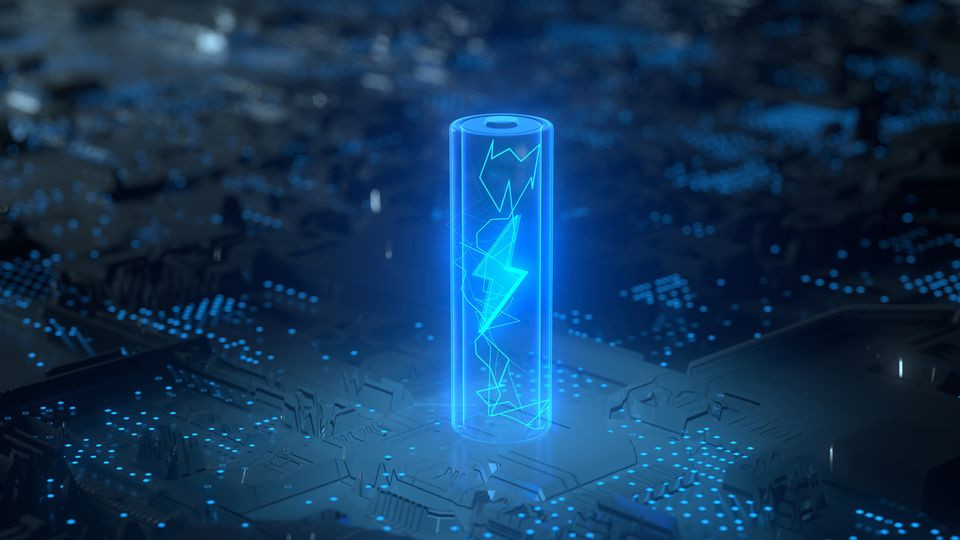
A turning point in electric vehicle battery safety.
The Chinese Ministry of Industry and Information Technology (MIIT) has officially announced regulations titled "Safety Requirements for Electric Vehicle Batteries." A breakthrough of this standard is the first-ever mandatory requirement that batteries must be "non-flammable and non-explosive." The new standard is scheduled to officially take effect on July 1, 2026.
Experts consider this to be the strictest battery safety regulation in the history of the automotive industry. This regulation forces manufacturers to optimize battery structure and thermal management systems to achieve the highest level of protection for users.
Rigorous testing system
The new standard establishes a comprehensive testing process including 7 tests specific to each battery cell and 17 tests for the entire battery system. Compared to the old regulations, the 2026 standard has significant technical changes:
- Temperature control:While the 2020 standard only required batteries not to explode within 5 minutes of losing thermal control, the new regulation demands absolute non-explosion (with a warning system) and that the emitted smoke must not harm passengers.
- Bottom impact:The battery pack must withstand an impact from a 3 cm diameter steel sphere with an energy level of 150 Joules. After the impact, the battery must not leak, catch fire, or explode.
- Fast charging durability:After 300 consecutive fast charging cycles, the battery will undergo an external short-circuit test to ensure absolute stability and safety.
Comparison table of battery safety standards
| Criteria | 2020 Standard | Standard 2026 (New) |
|---|---|---|
| Heat resistance time | No fire or explosion for 5 minutes. | Absolutely no risk of fire or explosion. |
| Passenger safety | Emergency exit warning | Smoke must not harm people. |
| Bottom collision | Details are not required. | Withstands a force of 150 Joules (3 cm steel ball) |
| After fast charging | No specific regulations have been established yet. | No fire or explosion after 300 cycles + short circuit. |
The tightening of requirements for thermal and physical impact resistance demonstrates China's determination to improve the reliability of electric vehicles. These regulations not only affect the domestic market but are also predicted to set new standards for the global electric vehicle supply chain in the near future.


