
China bans selling cars below cost: Ending the cutthroat market share war.
China's State Administration for Market Regulation (SAMR) has just issued regulations prohibiting automakers from selling vehicles below production costs in an effort to prevent a price war.
According to the SCMP, the Chinese government has officially banned automakers from selling new cars below production costs, including discounts and subsidies. This is seen as a drastic move to quell the protracted price war, which is eroding the profits of most businesses in the industry.
New regulations on price management and legal risks.
In its “pricing guidelines” published on February 12, the State Administration for Market Regulation (SAMR) listed a series of tactics leading to underpricing of new vehicles. The agency warned that automakers employing any of these methods would face serious legal risks.
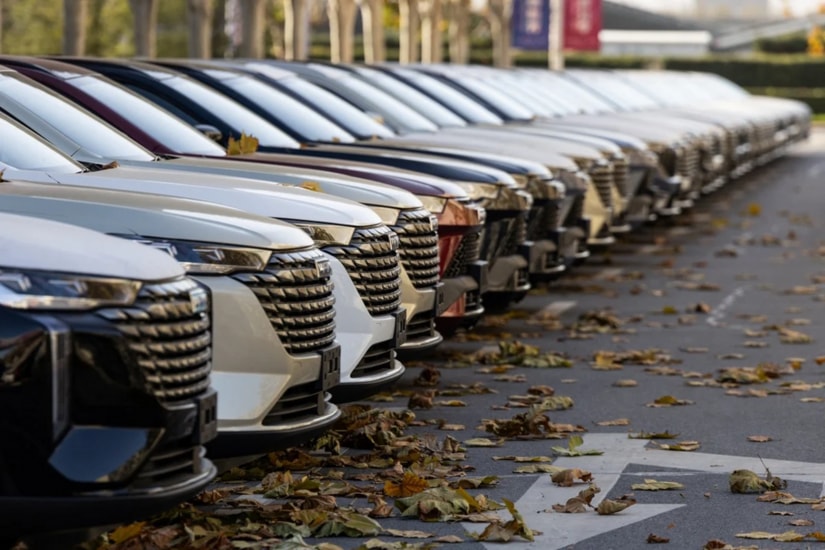
Under new requirements that take effect immediately, automakers are prohibited from selling upgraded versions at the same price as lower-end models. At the same time, businesses are not allowed to offer any discounts or subsidies that would result in the actual net price being lower than the production cost. These measures were widely used as an alternative to direct price reductions in 2024.
Impact on consumer psychology and tax policy
Zhao Zhen, sales manager at Wan Zhuo Auto dealership in Shanghai, believes the new guidelines could dampen demand for electric vehicles in the short term. This is due to the expected decrease in deliveries as sales tax incentives are gradually phased out. Currently, electric vehicle buyers, who were exempt from the 10% sales tax last year, are now subject to a 5% tax. The tax is projected to return to its normal 10% level by 2028.
Many customers had expected major brands to significantly reduce prices in 2026 to compensate for the decline in government support. However, with stricter regulatory controls in place, many consumers may cancel their purchase plans or switch to cheaper models at this time.
Controlling unfair competition
SAMR also instructed manufacturers not to offer large-volume discounts to mask price reductions or to ship additional vehicles without corresponding invoices. The regulator condemned the use of below-cost pricing as a tool to eliminate competitors or gain unfair market share. However, standard liquidation sales of unsold vehicles are exempt from these regulations.
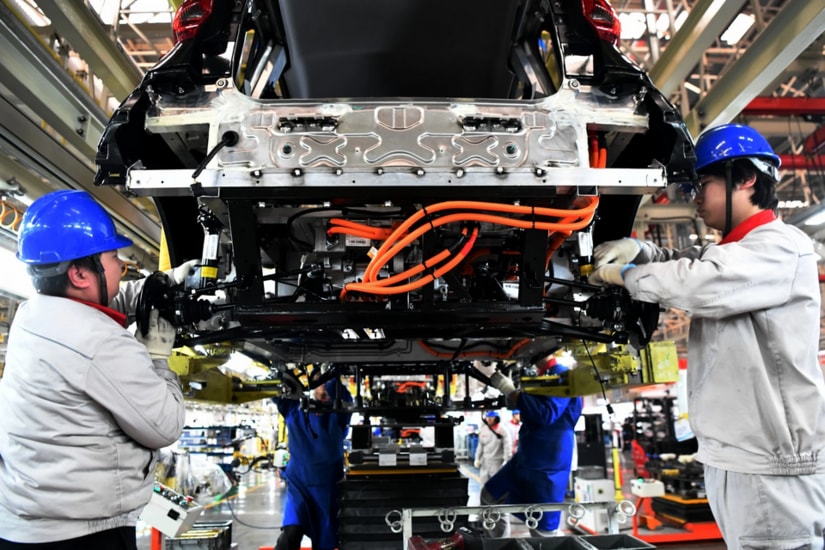
The financial picture of China's automotive industry.
According to the China Passenger Car Association, the average car price in the market last year was 170,000 yuan (approximately $24,615), a 7% decrease from the previous year. Notably, this was the first decrease after six consecutive years of increases since 2019.
| Vehicle type | Average price (in yuan) | Average price (USD) |
|---|---|---|
| Electric vehicles (EVs) | 161,000 | 23,300 |
| Gasoline-powered car | 182,000 | 26,300 |
Even BYD, China's largest electric vehicle manufacturer, reported a 32.6% drop in net profit in the third quarter. Competitive pressure has also spread to the supply chain as automakers extend payment cycles for suppliers. Following government efforts to improve the process, the average payment period has now shortened to 54 days for 17 major assemblers.
In response to this news, shares of electric vehicle manufacturers listed in Hong Kong fell across the board on February 13, with Li Auto recording a 2.2% drop.


