
China officially bans hidden door handles on electric cars starting in 2027.
China has issued new regulations requiring electric vehicles to use mechanical door handles from 2027, aiming to ensure safe escape after a series of serious incidents involving vehicle fires and jammed doors.
China has just become the first country in the world to officially ban the hidden door handle design on electric cars, a design trend popularized by Tesla. This decision comes amid growing concerns from regulators about the safety of electronic door opening mechanisms in the event of a power failure during an accident.
Detailed implementation roadmap and technical requirements.
According to new safety regulations issued by the Ministry of Industry and Information Technology (MIIT), all cars sold in the Chinese market must be equipped with mechanically operated doors on both the inside and outside. This regulation will officially take effect for new models from January 1, 2027. For models already approved and in the pre-launch phase, manufacturers have until January 2029 to complete the design changes.
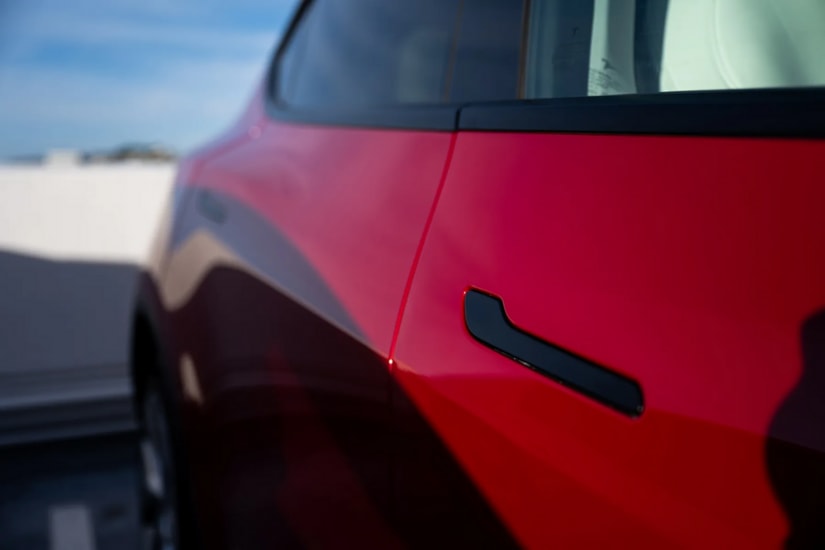
To ensure intuitive handling in emergency situations, MIIT has provided very specific technical specifications for the new door handle:
| Category | Technical requirements |
|---|---|
| Outer surface indentation size | Minimum 6 cm x 2 cm |
| Interior signage | The dimensions must not be smaller than 1 cm x 0.7 cm. |
| Operating mechanism | It must operate purely mechanically, without relying on an electrical power source. |
Causes stemming from failed escape attempts
This tightening of regulations comes after several serious accidents involving electric vehicles in China. A prime example is the two Xiaomi SU7 electric vehicle fires last year, where a system power failure caused the doors to lock, preventing passengers from escaping in time. The emergence of these new regulations shows that China is prioritizing practical safety over aesthetics or aerodynamics.
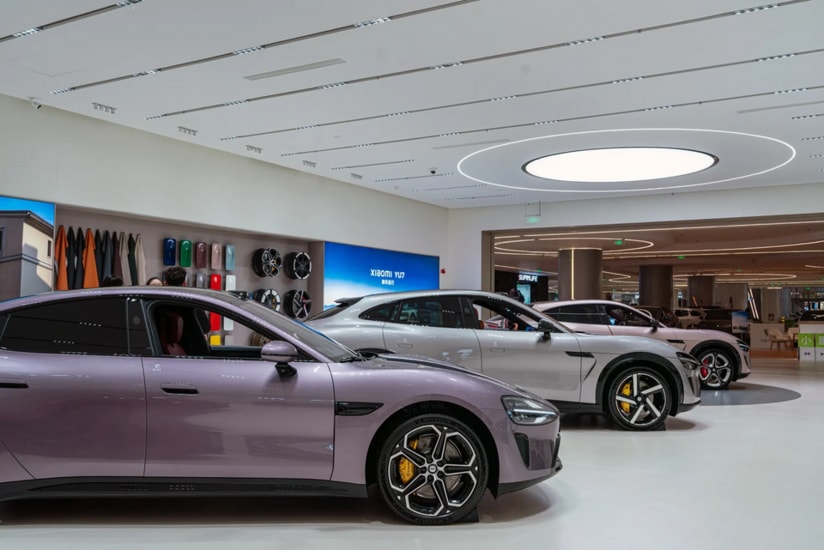
The Xiaomi YU7 SUV, expected to launch in June 2025, is also on the list of models requiring design improvements to meet the new standards. Previously, about 60% of the top 100 best-selling new energy vehicles (NEVs) in China in April used a hidden door handle design.
A far-reaching impact on the global automotive industry.
This regulation will directly affect luxury car models that use sleek designs, such as the Tesla Model Y, Model 3, BMW iX3, and models from Nio, Li Auto, and Xpeng. The estimated cost to redesign the door system could exceed 100 million yuan (approximately $14.4 million) per model.
Bill Russo, founder of the consulting firm Automobility, commented: "China is transforming from the largest electric vehicle market into a leader in setting the rules for technology. The safety standards that China sets will soon become global benchmarks that all manufacturers must adhere to if they want to compete."
Currently, some domestic manufacturers such as Geely with the Galaxy M9 series and BYD with the Seal 06 model have begun to return to traditional door handle designs. Tesla has also confirmed that it will make the necessary changes for the Chinese market, while also researching software features that allow for automatic door unlocking when the battery voltage is low.


