
China freezes self-driving taxi project after incident in Wuhan where 200 Apollo Go vehicles ceased operation.
The Chinese government has ordered a temporary halt to the issuance of new self-driving taxi licenses after a series of Baidu's Apollo Go vehicles experienced system failures, causing severe traffic congestion in Wuhan.
The Chinese government has decided to temporarily halt all new self-driving taxi projects following a serious technical incident in Wuhan in late March 2026. This decision aims to ensure public safety and review the technical standards of the rapidly developing autonomous vehicle industry in the country.
Multiple incidents involving the Apollo Go fleet in Wuhan.
On the night of March 31, 2026, the streets of Wuhan were suddenly thrown into chaos when approximately 200 Apollo Go self-driving taxis, owned by Baidu, simultaneously stopped operating. These electric vehicles came to a halt in the middle of the road, turning busy streets into makeshift parking lots.
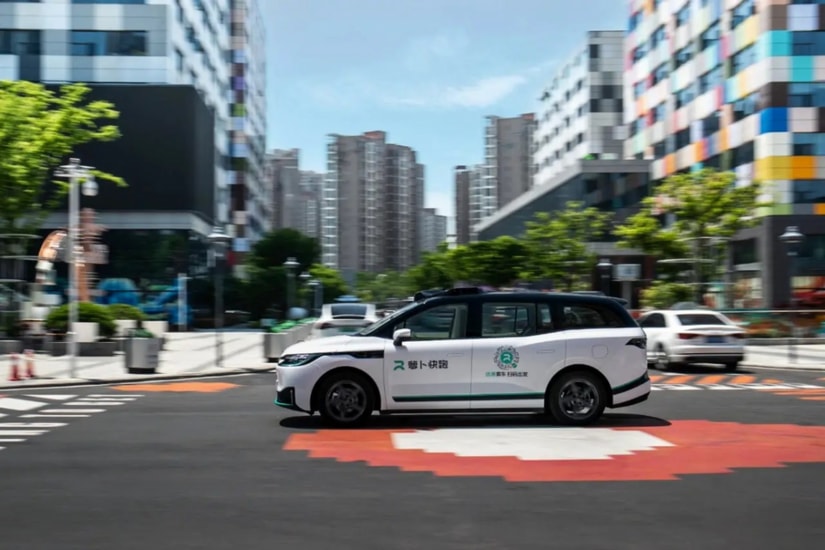
The sudden engine stalling caused several rear-end collisions as other vehicles were unable to react in time. Although there were no casualties, many passengers inside the Apollo Go had to be rescued by the police because they felt unsafe stepping out into the heavy traffic at night.
The Chinese government has ordered a temporary halt to the issuance of new permits.
In response to the situation, the Ministry of Transport and the Ministry of Industry and Information Technology (MIIT) held an emergency meeting with eight autonomous vehicle operators. The conclusion was to temporarily suspend the issuance of new licenses for all self-driving taxi projects nationwide while an investigation into the cause of the system malfunction was conducted.
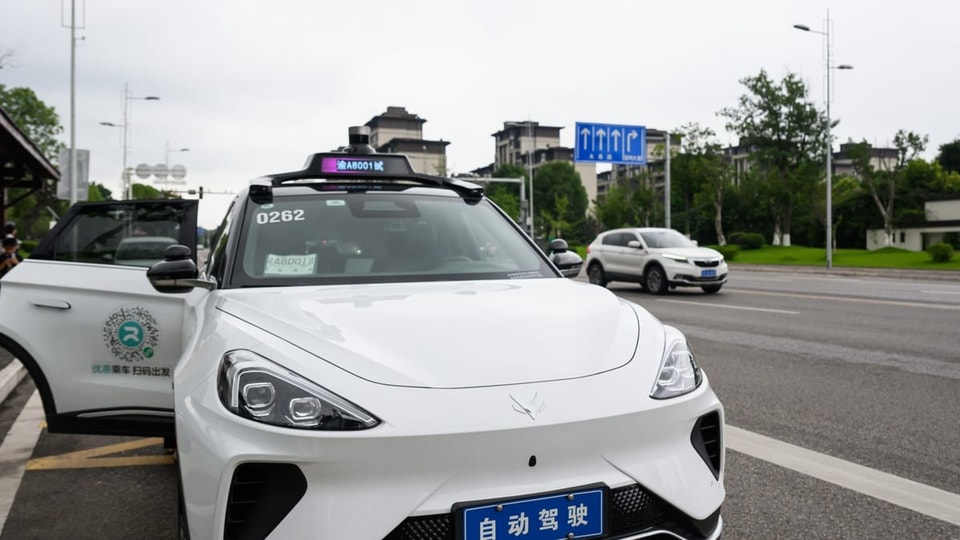
This freeze means that companies are currently unable to add new vehicles to their fleets, launch services in new cities, or conduct pilot projects. It is expected that licensing will only be reviewed again at the earliest by the end of May 2026, after safety regulations are rigorously checked by local authorities and reported back to Beijing.
Impact on the autonomous vehicle market
While Baidu is working with experts to understand why so many vehicles experienced simultaneous breakdowns, competitors like Pony.ai and WeRide assert that their operations remain normal. Pony.ai currently maintains its service in Beijing, Shanghai, Guangzhou, and Shenzhen, and plans to expand to Changsha and Hangzhou in the near future.
The self-driving taxi industry in China has made significant strides, with approximately 4,500 vehicles operating in 10 cities by the end of 2025. However, ambitious targets like Caocao (owned by Geely) aiming for 100,000 vehicles by 2030 will now face stricter scrutiny from the central government, rather than simply adhering to local regulations as before.


