
China and Russia pay 95% in their local currencies.
Russia and China have switched to using their national currencies for 95% of payments.
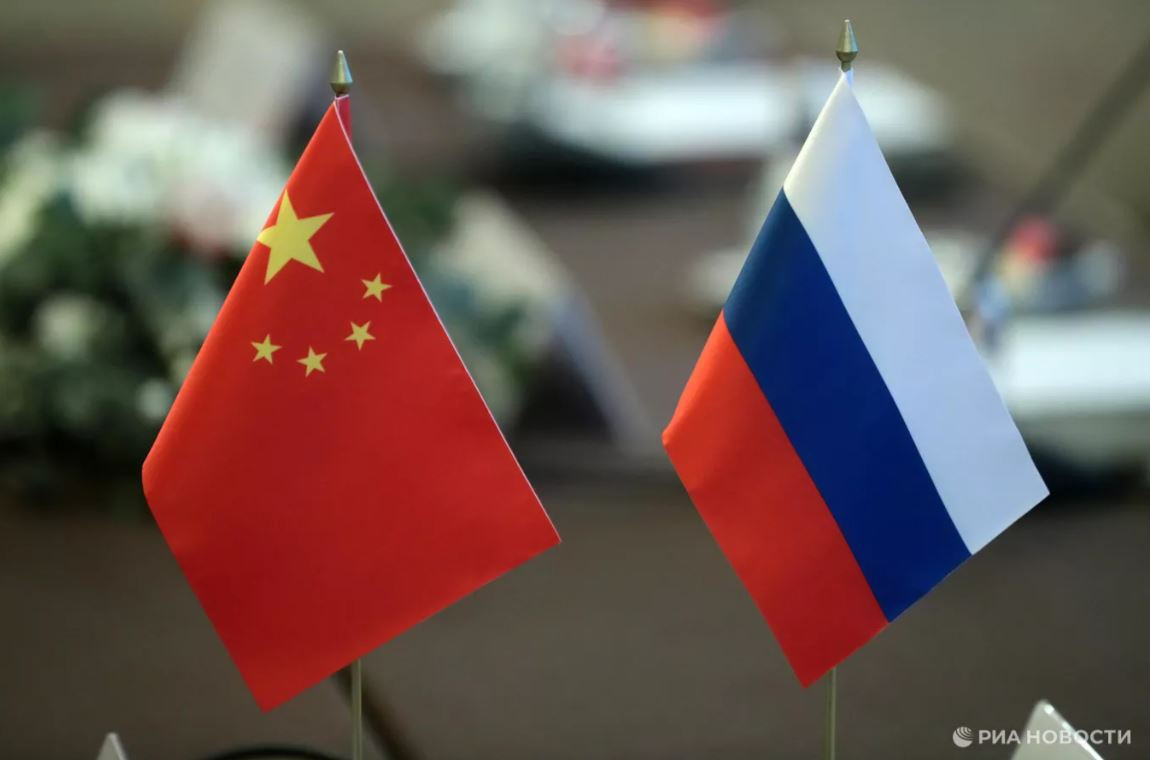
According to RIA Novosti on November 24, Boris Titov, the Russian President's special envoy for relations with international organizations to achieve sustainable development goals and co-chairman of the Russia-China Friendship, Peace and Development Committee (RCCFPD), stated that the near-complete transition to payments in the national currencies of Russia and China has allowed the two countries to reduce their dependence on the dollar, minimizing risks from sanctions pressure and exchange rate fluctuations.
Speaking at the 6th Russia-China Business Forum, special envoy Titov said: "The fact that 95% of transactions between the two countries are now conducted in their national currencies has become a very important tool to resist pressure from the West."
According to Mr. Titov, this creates a reliable basis for further strengthening cooperation, especially in the context of global instability.
The 6th Russia-China Business Forum is being held in Xi'an, China, from November 23 to 25. This year's theme is "New Opportunities for Russia-China Cooperation." The event, attended by approximately 500 representatives from business and government agencies, is organized by the Russia-China Friendship, Peace and Development Committee (RCCFPD) with the support of the Shaanxi Provincial Government.
Also at the forum, special envoy Titov stated that Russia has risen from 13th to 8th place among agricultural suppliers to China over the past 10 years, and the volume of supplies, measured in monetary terms, has increased more than fivefold.
"We are very pleased to see the structure of Russian exports to China becoming increasingly diversified. Although raw materials still account for a significant proportion, we are witnessing a rapid increase in demand for Russian consumer goods in China, especially Russian agricultural products," Titov said at the 6th Russia-China Business Forum.
Special items in high demand include dairy products, fish and seafood, meat products, confectionery, and of course, honey. Currently, Russian honey is the leading supplier to the Chinese market.


