
China views the trade war as a deterrent tactic by the United States.
(Baonghean.vn) - For nearly two weeks, China's top leaders have not appeared in public, as they are holding a meeting at a remote seaside resort in Beidaihe, Hebei province, eastern China.
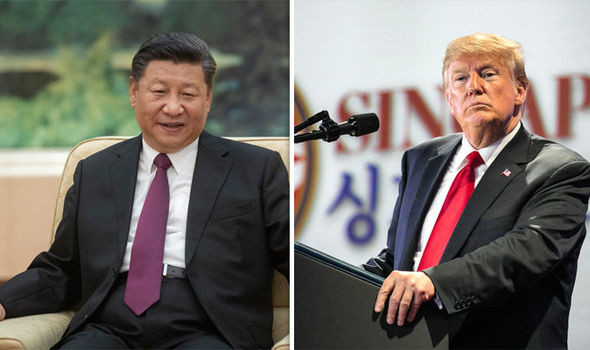 |
| China views the trade war as a deterrent tactic by the United States. Photo: AP |
Although the annual summer meeting of Chinese leaders in Beidaihe is always held in secrecy, the agenda is likely dominated by the trade war with the US, as well as the emerging view that escalating tensions between the two countries extend beyond trade and economic disputes.
There are many indications that this trade dispute is part of Washington's plan to contain China's rise to greater power.
While Beijing is willing to continue dialogue with Washington, sending Vice Minister of Commerce Wang Shouwen to the U.S. for talks this month, initial optimism about finding a quick solution has been replaced by a stronger determination.
Observers believe that Wang Shouwen is unlikely to achieve a breakthrough beyond paving the way for further negotiations. A former Chinese trade official stated: “Currently, President Trump is very confident, and China should not show any signs of yielding. Beijing needs to be confident and resolute, resisting President Trump’s challenges to the fullest extent. Making too many concessions in the early stages will only provoke President Trump further.”
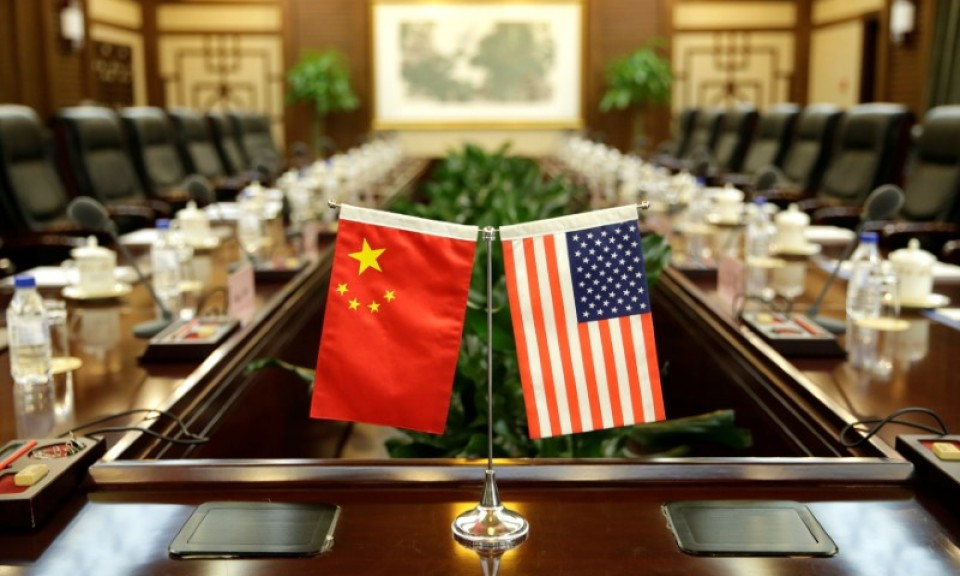 |
| Washington's intention is to contain China's rise to greater power. Photo: Getty |
Before and during the meeting in Beidaihe, Chinese state media published a series of editorials and commentaries that offered a harsher stance on Sino-American relations.
An editorial in the People's Daily on August 10 stated that the Trump administration continues its "engagement plus deterrence" approach toward China, hoping to significantly reshape China's development from the American perspective.
This newspaper commented: “A review of trade negotiations with the US reveals that President Trump’s administration is full of contradictions, has a double-faced and erratic attitude. However, the reasoning behind it is quite clear: Washington does not intend to narrow the trade deficit, but rather wants to contain China in broader areas.” Another commentary published in the People’s Daily on August 12th argued that the US is seeking hegemony and that China needs to be determined to fight back.
China expert Cheng Li at the Brookings Institute in Washington argues that, along with trade issues, a long list of security and other disputes with the US has put Chinese President Xi Jinping in a dilemma. He stated, "If it were only on the economic and trade fronts, the Chinese leadership would be willing to compromise."
Both expert Cheng Li and former US ambassador to China Stapleton Roy noted that, while there is no evidence to suggest that Xi Jinping's authoritarian status is threatened, despite increasing criticism regarding his approach to the US, the Chinese leader could face unprecedented pressure at the meeting in Beidaihe.
According to Roy, these challenges include “confrontation with the U.S. and resistance within China to the course the Chinese Communist Party is attempting to pursue in order to restore complete party control over everything.”


