
Truong Bon- Where time stands still
In the sacred space of Truông Bồn, time seems to stand still, leaving only feelings of gratitude lingering in the hearts of each person…
Behind the shirt
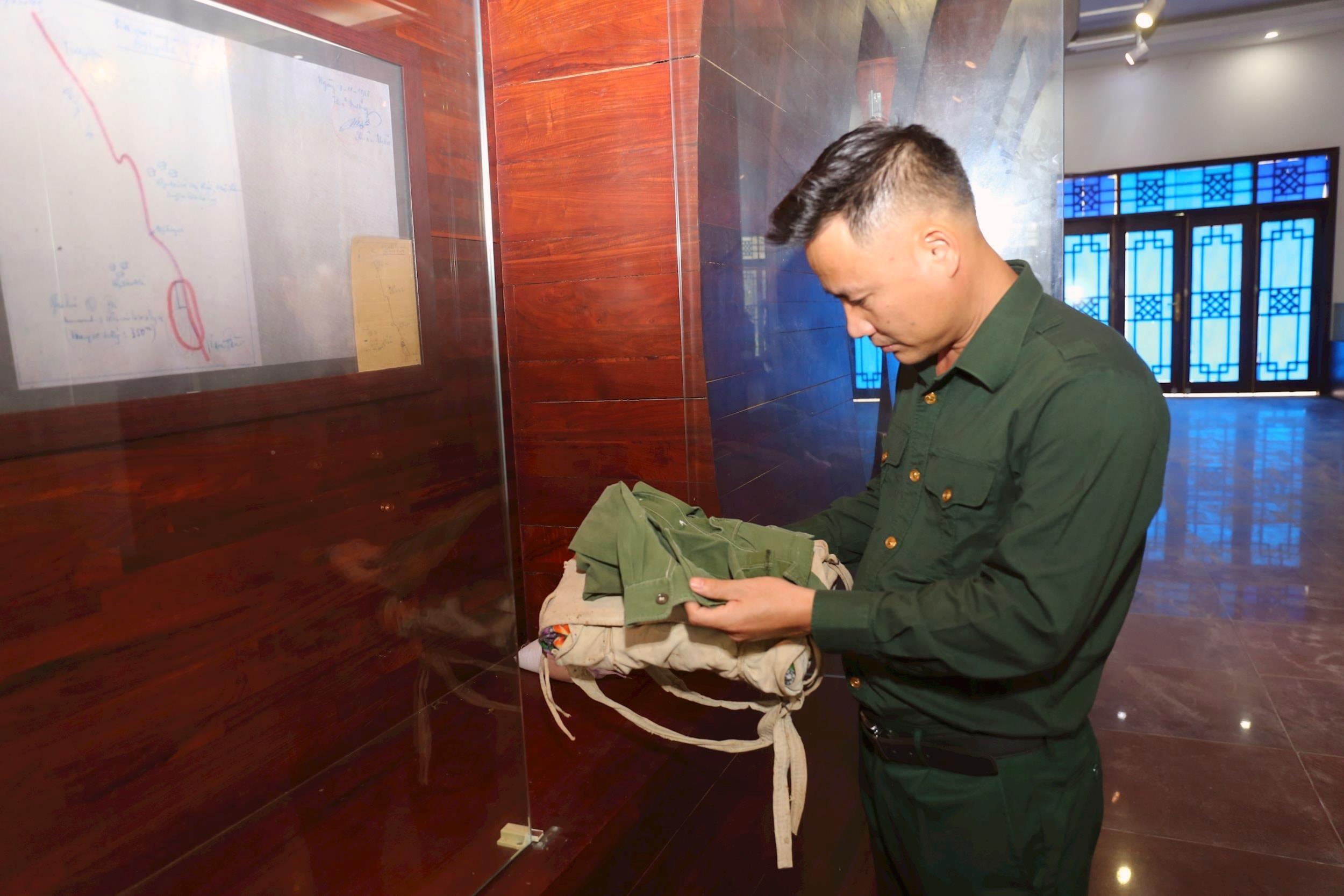
Carefully holding the blue shirt and the small silver bag, which are meticulously preserved in the exhibition system of the Truong Bon Museum, Mr. Phan Trong Loc - Director of the Historical Site - said that these are precious relics donated to the museum by the family of martyr Nguyen Thi Van (born in 1950), to contribute to enriching the collection of artifacts here.
Having spent many years working at the historical site, he has witnessed and heard many touching stories behind the sacrifices of the martyrs there.fire coordinatesOn the day Ms. Van's belongings were brought to the museum, her family emotionally shared more about her childhood, the years filled with love and connection to the Lam Duc area of Thuong Son commune, Do Luong district.
Back then, Ms. Van was in junior high school. She spent half the day at school and the other half with friends, going to the Du mountain to gather firewood or to the Cuoc Ban fields to cut grass for the buffaloes and cows. Ms. Van's childhood was spent amidst the lush green of cornfields surrounded by the clear waters of Bau Cau. American planes flew overhead, bombs and rockets exploding in the flowering cornfields. Eighteen and twenty-year-old boys from Thuong Son village volunteered for the front lines. During the 1966 youth volunteer recruitment drive, Ms. Van enthusiastically joined. She was just over 16 years old at the time...
When the recruiters saw the girl's small stature and looked at her file, which showed she was just over 16, they told her to go back to school and wait until next year when she was older. Ms. Van refused: "I'm almost 17, I volunteer to fight the enemy. Don't you know that a 17-year-old girl can break a buffalo's horn?" So Ms. Van set off. On October 30, 1966, wearing a pith helmet, backpack, and green uniform, she officially joined the ranks of the Youth Volunteer Force, a large group of mostly 17 and 18-year-old girls who bravely and resourcefully confronted bombs and bullets with hoes, shovels, and carrying poles, holding their ground in the most fiercely contested areas, present at the most brutal moments, and on the roads at any time—as soon as a bombing raid ceased, as soon as a vehicle caught fire, or as soon as there was a traffic jam...
Nguyen Thi Van's unit marched rapidly to Gang Ferry, in Thanh Khai commune, Thanh Chuong district. Afterward, Van was assigned to Company 317. When Truong Bon became a key target for the US to cut off the North's supply lines to the South, there were nights when the roads were blocked, and Van's company had to unload dozens of trucks carrying supplies. They would unload, carry, and hide the goods, then, after defusing the bombs, load them back onto the trucks so that the convoys could reach the front lines on time.
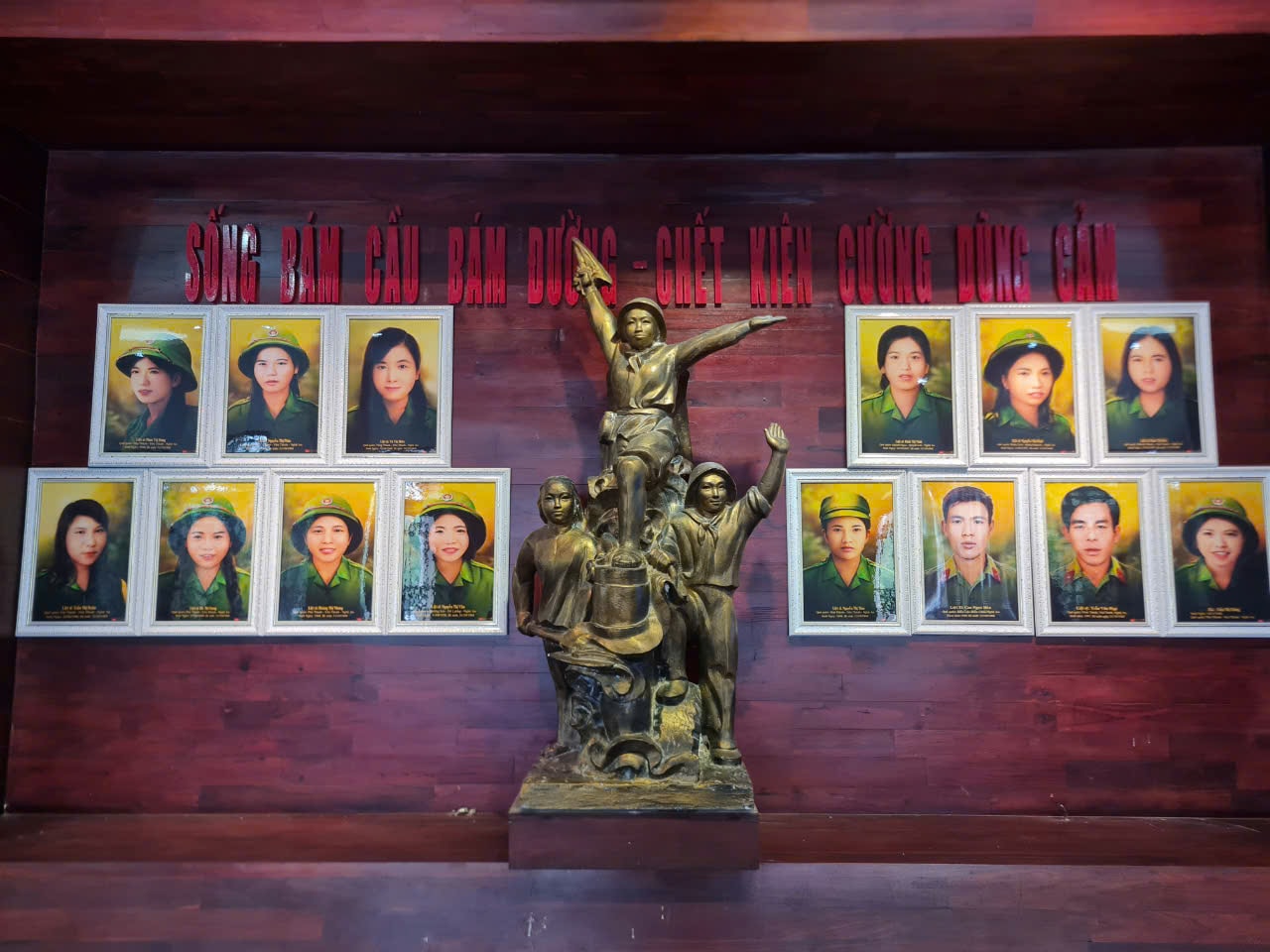
The sound of bombs never ceased at Truong Bon, and the sky over Truong Bon was constantly filled with rising smoke. Then, on the fateful morning of October 31, 1968, Nguyen Thi Van sacrificed her life while filling bomb craters at Truong Bon, along with 12 other soldiers of the 317th Youth Volunteer Company, due to a series of targeted bombings. It was 6:10 a.m. At that time, Nguyen Thi Van had just turned 18 years old.
The following day, the unit and the people of My Son commune made every effort but still could not find the body of Nguyen Thi Van. Her body had dissolved into the soil of Truong Bon. Those young men and women who sacrificed themselves that year left nothing behind, not even their youth, not even their flesh and blood, not even a small photograph…
The echoes linger on.
The touching stories behind the artifacts atTruông Bồn National Historical Site MuseumThis continues in the deeply moving narratives of the local guides. Primitive tools like hoes, shovels, and rakes were used to fill bomb craters and clear the way for vehicles. Oil lamps made from shrapnel and grenade casings by the Youth Volunteer Force guided convoys through the night. Radio transceivers were used to direct combat operations, repair bomb craters, and keep the route open to the battlefield along Route 15A.
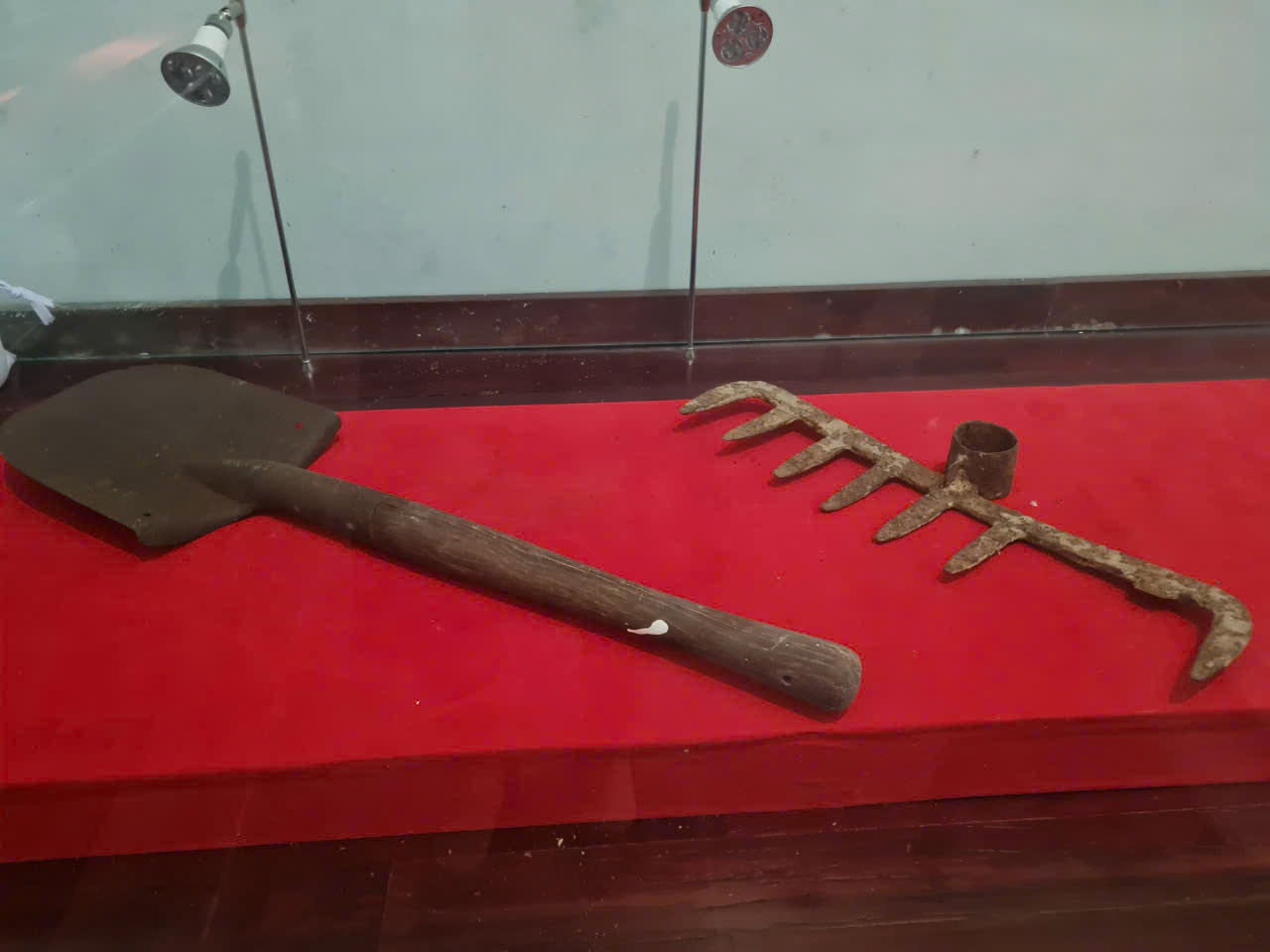
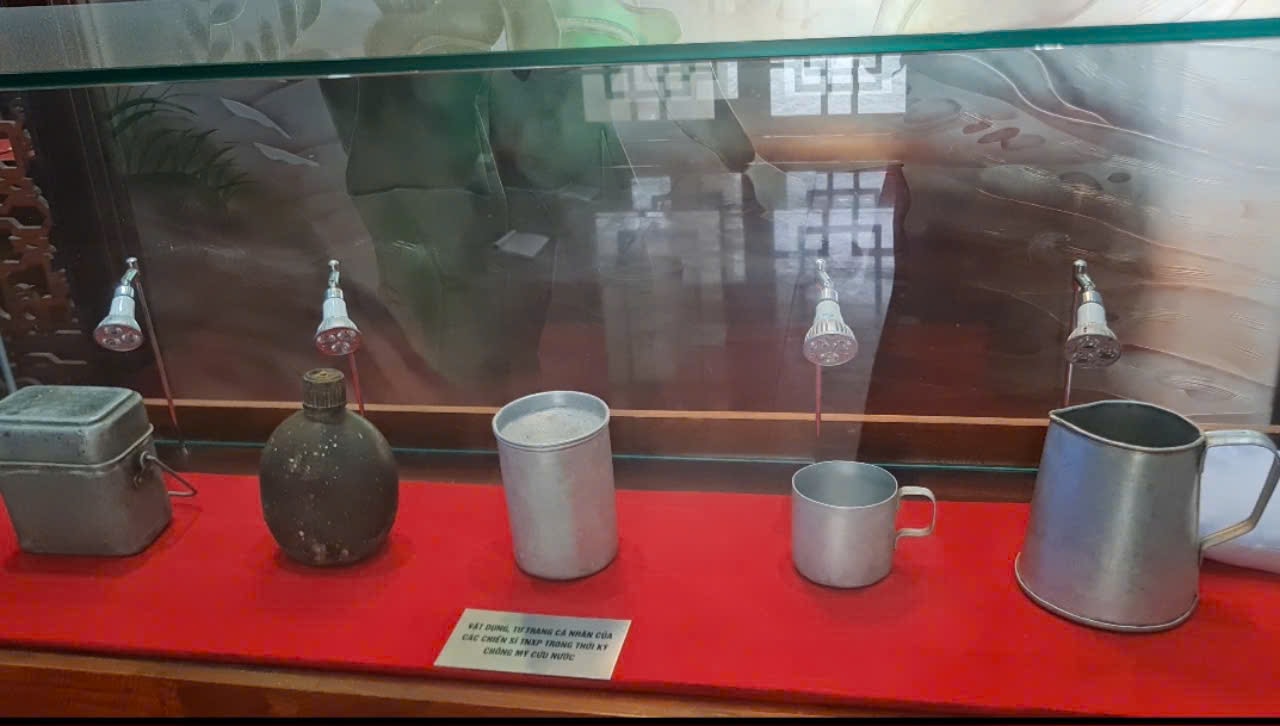
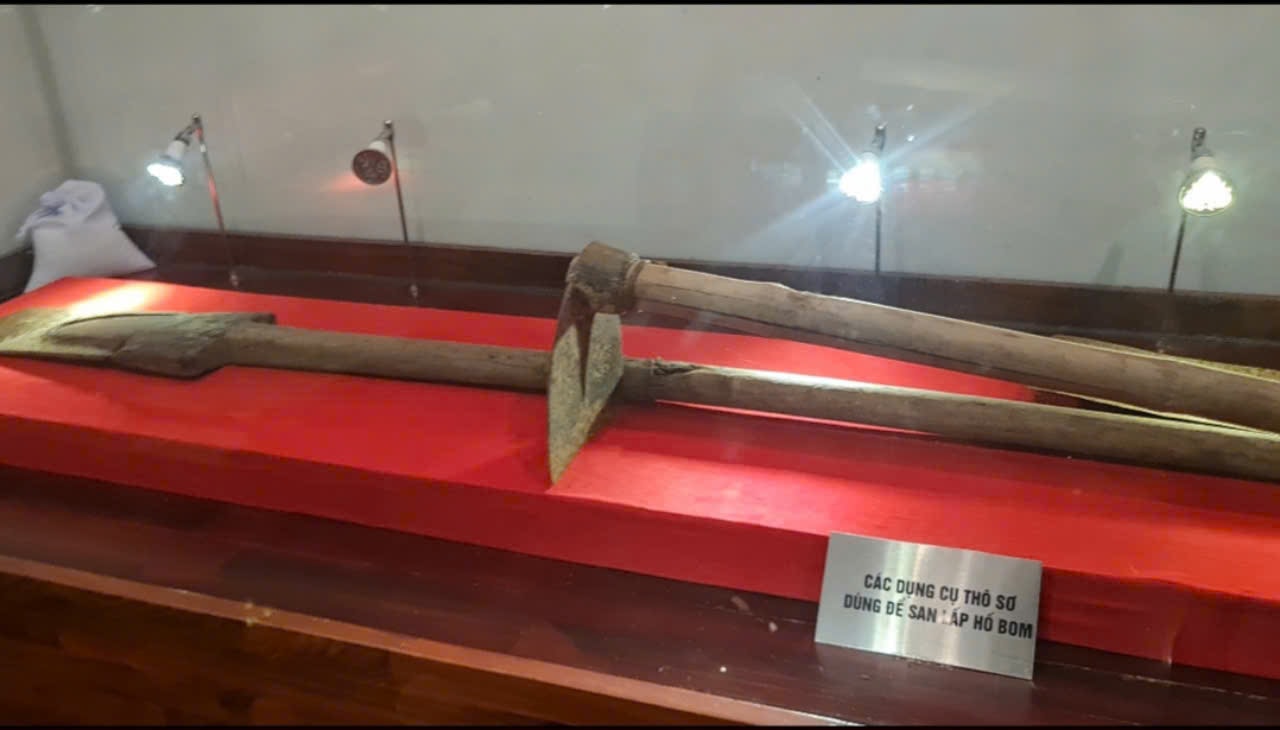
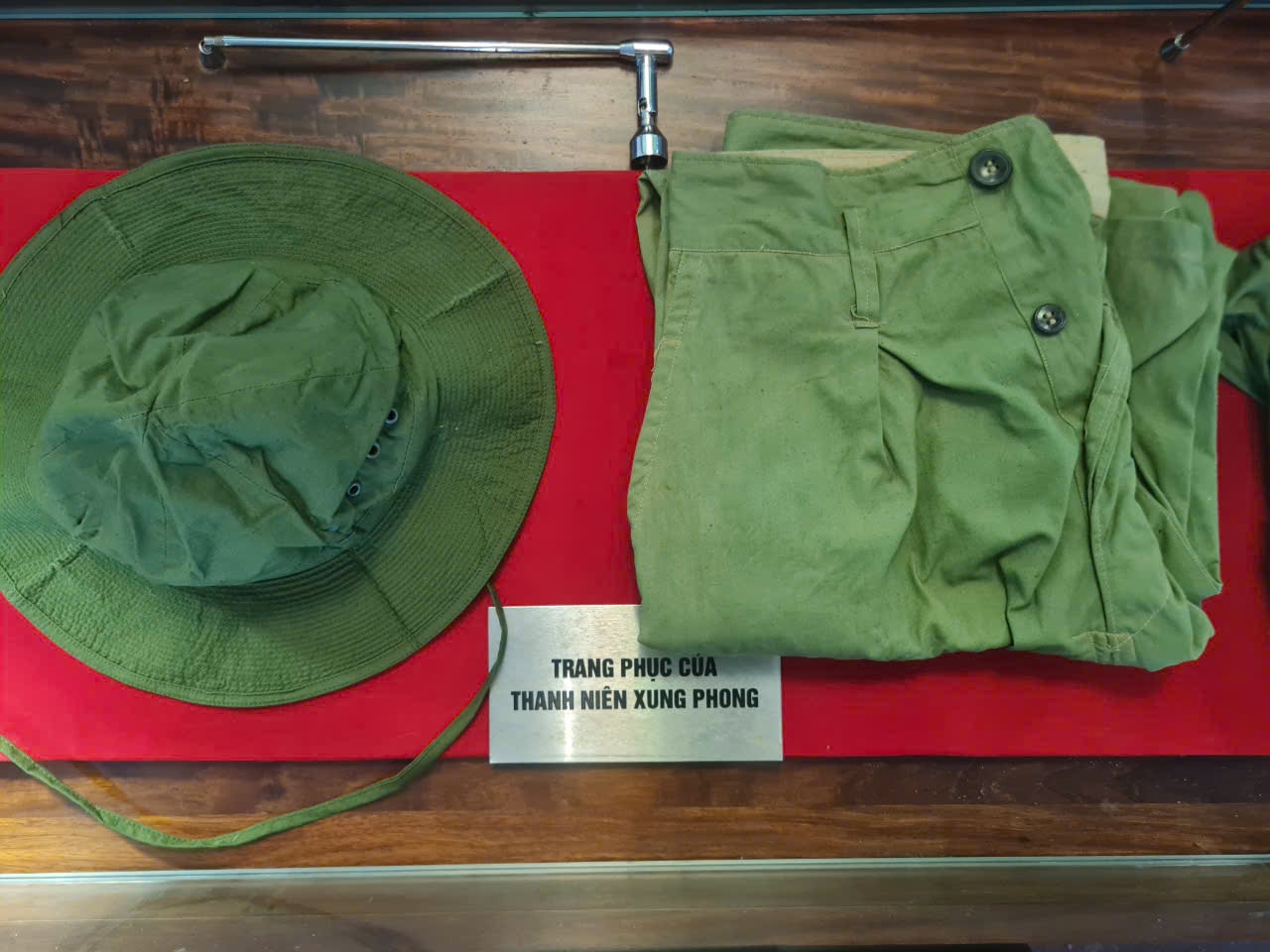
Crude artifacts and equipment of the Nghe An Youth Volunteer Force at Truong Bon. Photo: Thanh Quynh.
In stark contrast to the rudimentary equipment and tools used by the Nghe An Youth Volunteers were the massive, modern bombs and ammunition that the American imperialists dropped on Truong Bon to hinder supplies to the southern front. There were magnetic bombs, delayed-action bombs, fragmentation bombs, cluster bombs, mortar shells, armor-piercing rounds… Some still retained their original paint, others were rusted, all lying silently but still evoking the tragic scene of a brutal period in history.
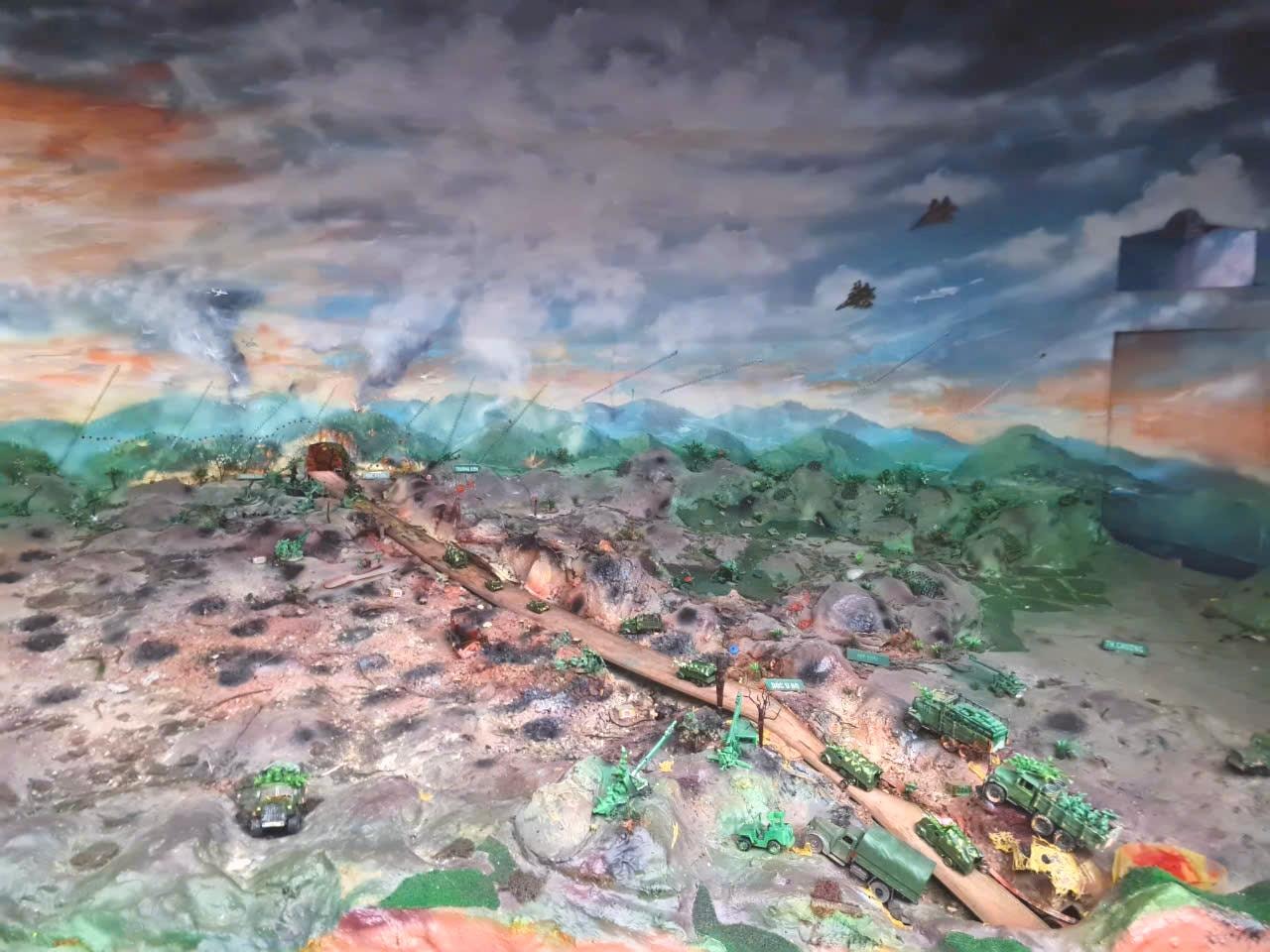
After listening to the moving stories told through the exhibits, we were led by museum staff to the final exhibition room. The diorama was illuminated, and all visitors' eyes were drawn to the movement of each small detail recreating the fierce battles and arduous work of the young volunteer soldiers on the legendary route.
.jpg)
And then, the narration's evocative voice rang out, and images of the young men and women of the volunteer youth corps appeared on the diorama's screen. These young men and women, eighteen or twenty years old, stepped into danger with complete optimism. Putting aside their youthful aspirations, they rejoiced in the joy of each convoy of vehicles safely reaching the battlefield, anxiously counting each bomb that fell in order to defuse them and clear the way for traffic.
The most moving moment was when the diorama recreated the scene at 6:10 a.m. on October 31, 1968, when the young volunteers went out onto the road to carry out their mission. Suddenly, groups of American planes swooped down. Truong Bon was engulfed in explosions that seemed to tear apart the earth and sky, devastated and shrouded in a hail of bombs and bullets. The final frenzy of the defeated claimed the lives of 11 young women and 2 young men; their bodies mingled with the earth, rocks, and vegetation.
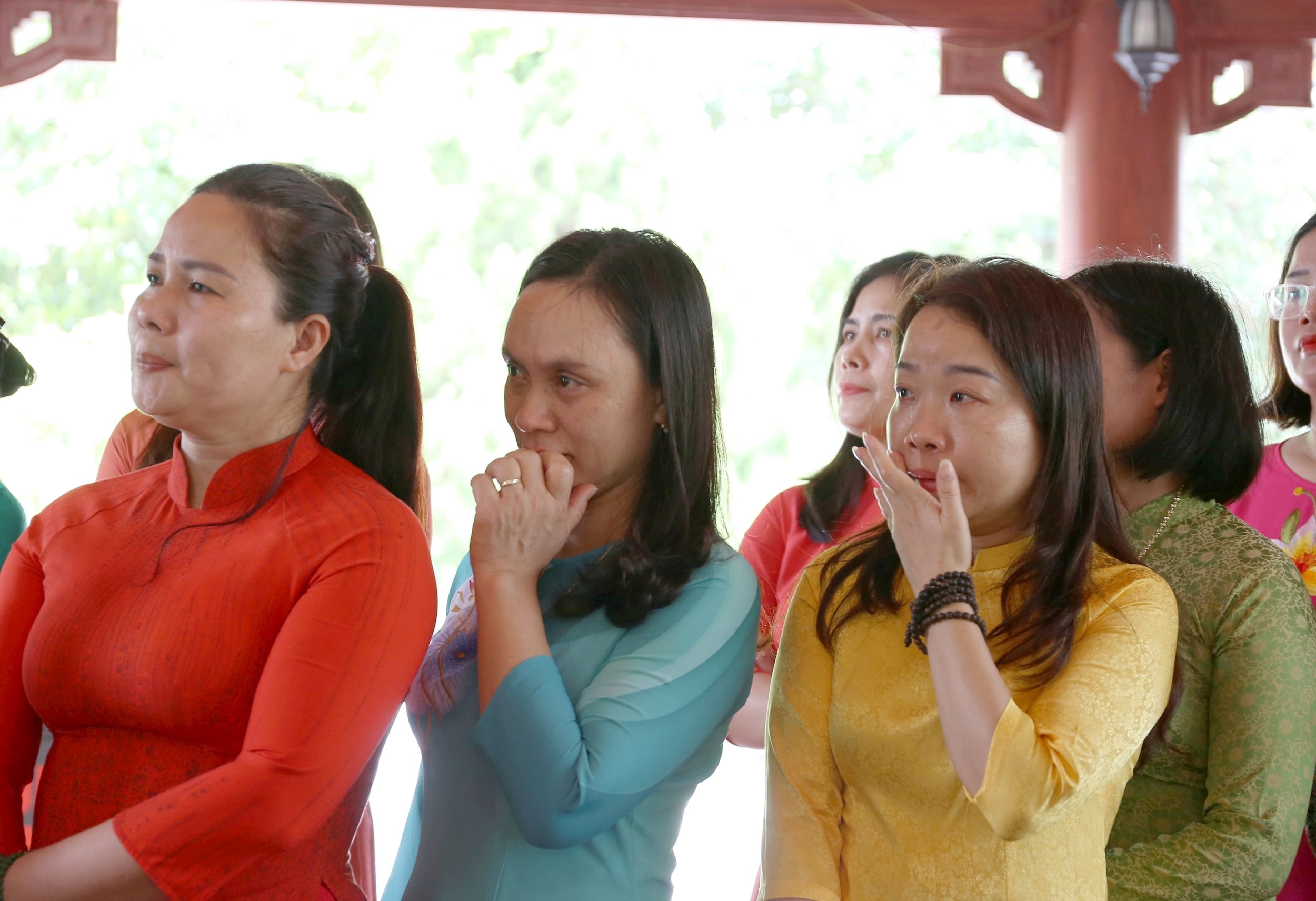
Standing before the diorama and artifacts, visitors feel the echoes of the past, of a time of tragic and glorious struggle for the nation. Truong Bon is now not only a historical site, but also a place for future generations to return to, to listen to the story of the past. Tears of gratitude, incense sticks lit, are not only to remember, but also to affirm that this sacrifice will never be forgotten, forever remaining a source of pride in the hearts of every Vietnamese person.
The place name Truông Bồn is associated with the sacrifice of 13 martyrs from Company 317, General Team of Youth Volunteers fighting against the US for national salvation in Nghe An province, on the morning of October 31, 1968, just hours before the US was forced to declare a halt to bombing in North Vietnam.
At that time, Truong Bon was considered a strategic single-lane road, a vital transportation artery connecting the North with the South. The US Air Force concentrated its forces on fiercely attacking it, turning Truong Bon into a "death zone".
In this life-or-death battle, 1,240 officers and soldiers fought bravely and heroically sacrificed their lives to maintain the vital transportation routes on the anti-American resistance road.
To commemorate the historical site of Truông Bồn and to acknowledge the heroic contributions and sacrifices of the Truông Bồn soldiers, most notably the 13 Youth Volunteers of the "Steel Squad," Truông Bồn was recognized as a National Historical Monument on January 12, 1996.
On September 23, 2008, the President of Vietnam issued a decision to confer the title of Hero of the People's Armed Forces on the collective of Youth Volunteers at Truông Bồn. October 31, 1968, was chosen as the anniversary of the Truông Bồn Victory.


