
Tu-160M, ALTIUS, SAMP/T NG: three-way power enhancement
Russia receives new Tu-160M bombers, the US approves a $1.1 billion ALTIUS drone package for Taiwan, and Europe test-fires the SAMP/T NG air defense system, revealing three trends in enhancing long-range firepower and missile defense.
Three arms developments on the same day, December 17th, reveal a clear trend in the current security environment: Russia is bolstering its long-range strike capabilities with the Tu-160M, the US is increasing support for Taiwan with the ALTIUS drone system, while Europe is accelerating the deployment of the SAMP/T NG air defense and missile defense shield.
All three programs focus on key elements of modern warfare: long-range engagement, network capabilities, survivability, and deep integration between sensors, command and control, and firepower.
Russia enhances its long-range strike capabilities with the Tu-160M.
On December 17, Russian Defense Minister Andrei Belousov announced that the Russian military had received two brand-new Tu-160M strategic bombers. This move demonstrates Russia's continued maintenance and strengthening of its long-range air force, despite heavy sanctions targeting its defense and aviation industries.
Technical upgrades based on the Tu-160 platform.
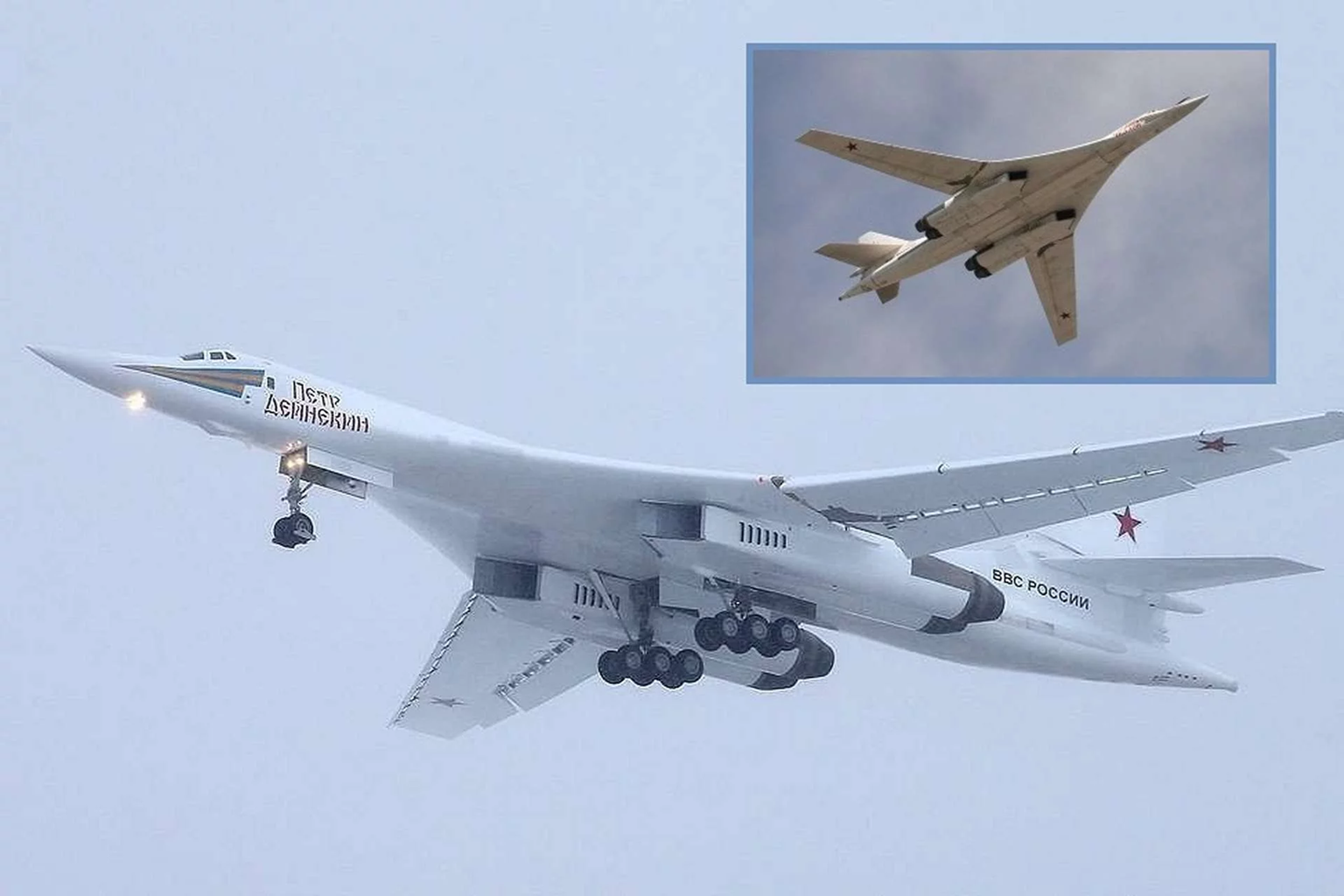
The Tu-160M is a deeply modernized version of the Tu-160 – a heavy supersonic bomber developed by the Soviet Union in the 1970s. In terms of appearance, the Tu-160M retains almost the same variable-sweep wing design, but the internal components have been significantly modified.
The aircraft is equipped with a new digital-based avionics system, a modern glass cockpit, and improved navigation and communication systems. Electronic warfare and defensive measures have also been upgraded to increase survivability in environments with enemy jamming and threats from modern air defenses. In particular, the Tu-160M uses the new generation NK-32-02 engine, which is considered to increase reliability, improve fuel efficiency, and ensure long-term operational capability.
Operational role and strategic significance
In terms of its intended use, the Tu-160M is not designed for deep penetration into enemy airspace, but primarily serves as a platform for launching long-range cruise missiles from outside the air defense fire zone. The aircraft has two internal weapons bays, using rotating launchers, capable of carrying approximately 12 cruise missiles per sortie.
The Tu-160M's primary armament includes the Kh-555 and Kh-101 with conventional warheads, along with the Kh-102 carrying a nuclear warhead. Thanks to its long range and in-flight refueling capability, the Tu-160M can approach optimal launch areas, maintaining a safe distance from advanced air defense systems.
The two new aircraft are part of a program to restore and restart the Tu-160 production line at the Kazan Aviation Plant, which Russia has been promoting since the mid-2010s. With older aircraft like the Tu-95MS and Tu-22M3 having been damaged by long-range UAV attacks, each new Tu-160M helps offset losses and slow down the aging of the fleet.
Strategically, the delivery of the Tu-160M will not immediately alter the global balance of power, but it signifies the continued maintenance of the air force component within Russia's "nuclear triad." This move demonstrates Russia's willingness to make long-term investments in long-range deterrence and strike capabilities in the context of confrontation with the West, while also posing a challenge to protect and maintain the production rate of these high-value platforms.
The US is enhancing Taiwan's UAV capabilities with ALTIUS.
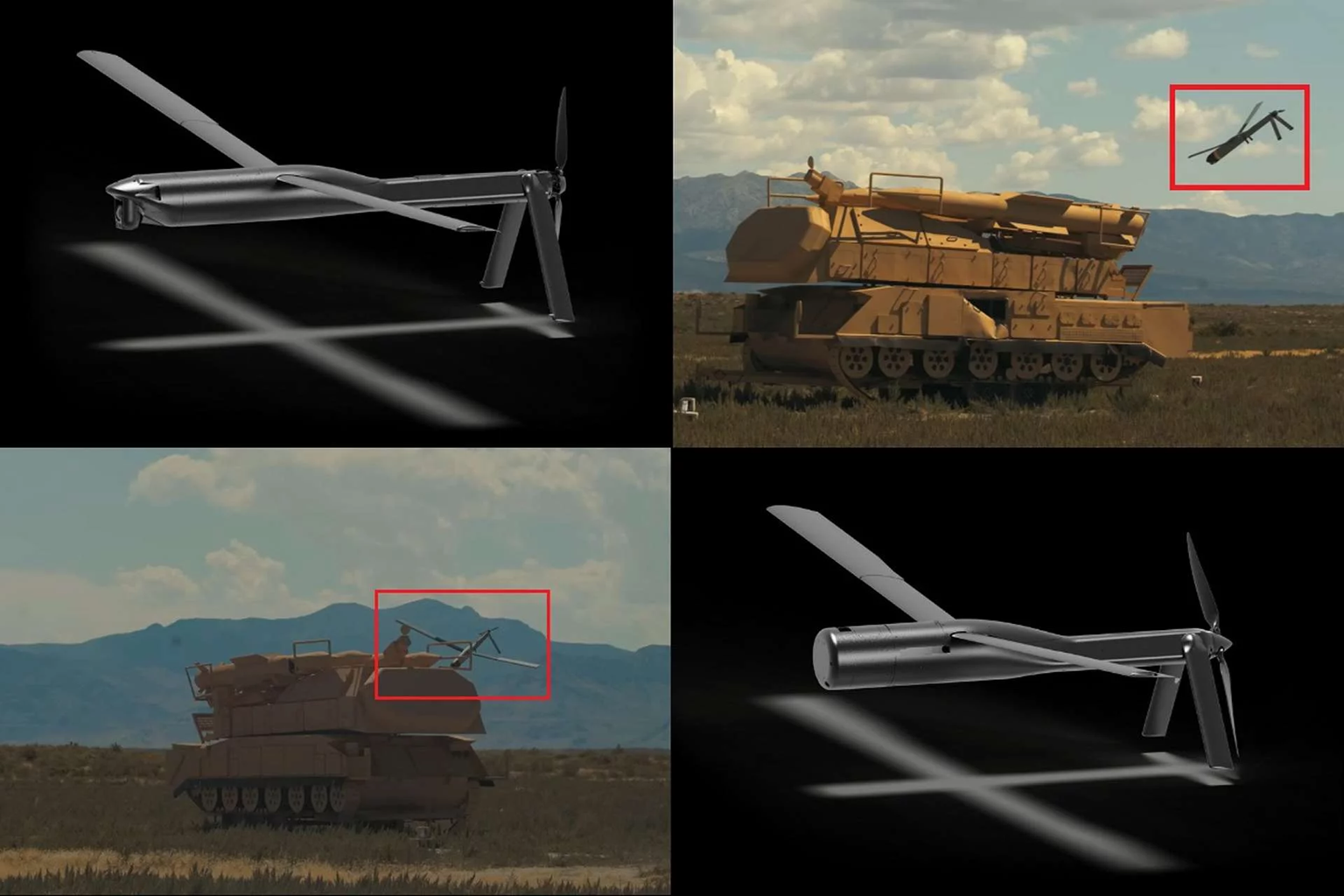
Also on December 17, the US State Department approved an arms sale worth approximately $1.1 billion to Taiwan. According to the US Defense Security Cooperation Agency (DSCA), this package focuses on ALTIUS-700M and ALTIUS-600 suicide drone/surveillance systems, aimed at enhancing reconnaissance, surveillance, and precision strike capabilities in a contested combat environment.
The deal includes not only unmanned aerial vehicles, but also mobile launch platforms, ground control stations, training, logistical support, and technical assistance. This structure allows Taiwan to form a highly networked unmanned combat system, consistent with its asymmetrical defense strategy.
ALTIUS-700M and ALTIUS-600: Sharing the same sensor-firepower role.
The ALTIUS-700M is positioned as the primary offensive variant. This system is designed to carry an anti-tank warhead weighing approximately 15 kg, with a flight time of about 75 minutes and a range of up to 160 km. This allows Taiwan to attack high-value targets such as radar, artillery, armored vehicles, or logistics staging areas from beyond the range of a direct counterattack.
The ALTIUS-700M can be launched from the ground, sea, or air, offering great flexibility in choosing the approach direction and attack angle. This is particularly important in environments where the enemy has a dense air defense system.
Meanwhile, the ALTIUS-600 focuses on reconnaissance, signal intelligence gathering, and electronic warfare missions. This version has a flight time of over 3 hours and a range of nearly 375 km, allowing for continuous surveillance in the depth of the battlefield. Its optical-infrared sensor system supports day and night operation, acting as the primary sensor in the detection-attack chain.
| Parameter | ALTIUS-700M | ALTIUS-600 |
|---|---|---|
| Main role | Attack, patrol rounds carrying anti-tank warheads. | Reconnaissance, signals intelligence, electronic warfare |
| Warhead | Approximately 15kg of anti-tank weapons. | Not mentioned, focus on the sensor. |
| Flight time | Approximately 75 minutes | Over 3 hours |
| Operating range | Up to 160km | Nearly 375km |
Distributed unmanned combat chain
The combination of ALTIUS-600 and ALTIUS-700M allows Taiwan to form a flexible and distributed “sensor-to-fire” chain. These systems can be concealed in urban areas, rugged terrain, or deployed from multiple points, making them difficult for the enemy to detect and neutralize early.
At the strategic level, the ALTIUS deal aligns with the doctrine of asymmetric defense, prioritizing compact, hard-to-destroy systems capable of inflicting significant damage on attacking forces. The U.S. provision of advanced unmanned combat capabilities to Taiwan reflects the trend of UAVs becoming a central element in modern warfare.
SAMP/T NG: A new step forward for European air defense and missile defense.
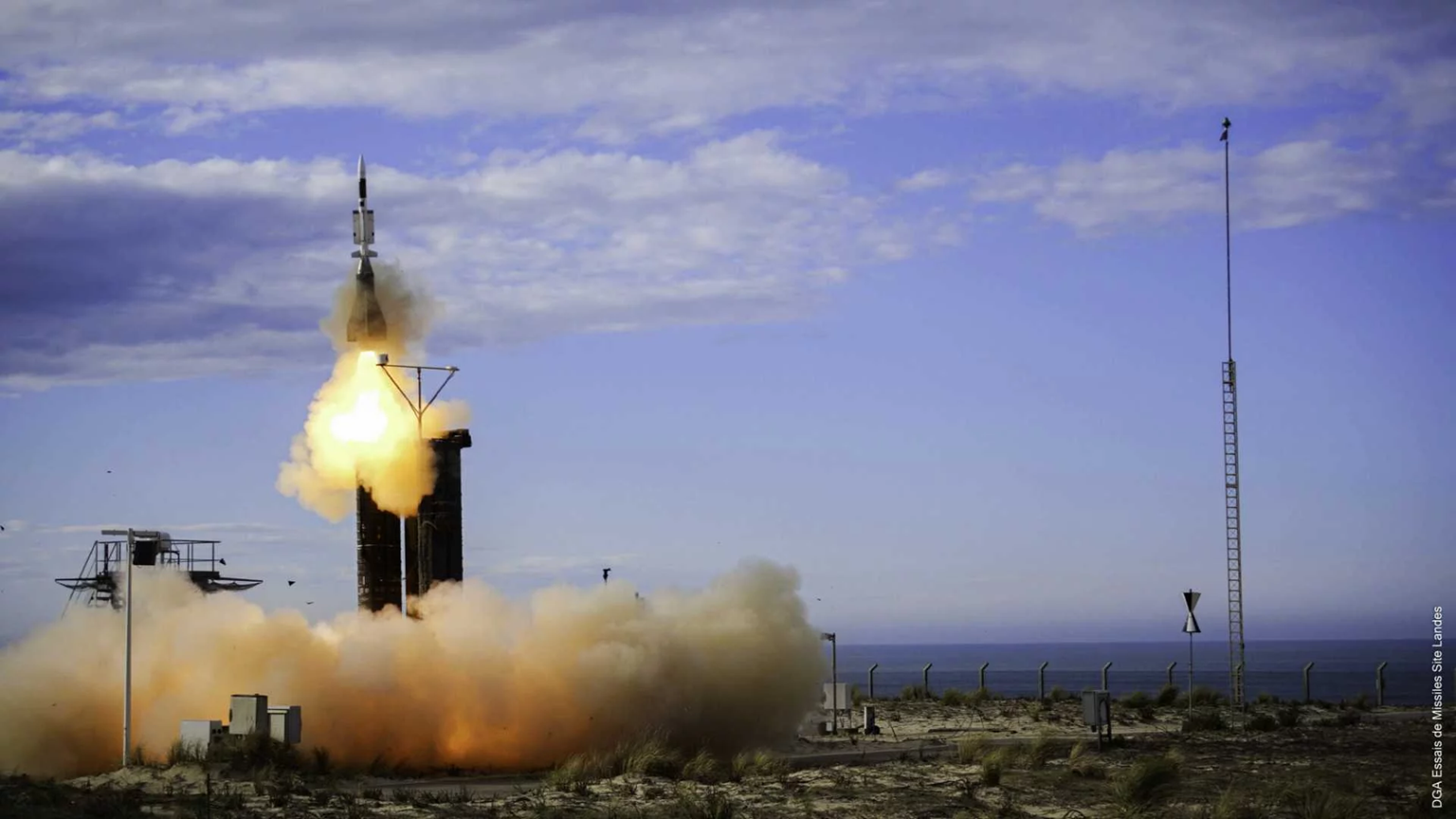
Eurosam Group announced the completion of the first two live-fire tests of the new generation SAMP/T NG long-range air defense system in France and Italy. The first test took place on December 3rd at the Salto di Quirra test range (Sardinia, Italy) with the Italian national configuration, and the second on December 15th at the Biscarrosse test range of the French Defence Agency (DGA).
Both firings utilized the complete SAMP/T NG battery, in which the radar, command and control module, and launcher operate in sync as a unified combat unit, rather than testing each component individually. This represents a shift from testing individual missiles to evaluating the overall system capabilities.
These tests follow successful launches of the Aster 30 B1NT missile in 2024 and mid-2025, but focus on more challenging scenarios with targets that are fast, highly maneuverable, difficult to detect, and at long range, in order to verify the coordination capabilities of the entire system under conditions close to real combat.
Firepower and radar configuration
SAMP/T NG was developed to replace the SAMP/T system currently in service with the French and Italian armies. It is a mobile, vertically launched air defense and missile defense system with 360-degree coverage, capable of operating independently or integrating into a multi-layered air defense network. A battery can consist of up to 6 launchers, each carrying 8 missiles, equivalent to 48 ready-to-fire missiles.
The Aster 30 B1NT missile is the central component, reaching speeds of approximately Mach 4.5 (5,557 km/h) and capable of intercepting aircraft at ranges up to 150 km and altitudes of about 25 km. The missile uses a combined guidance mechanism: inertial guidance in the initial phase, radar data updates during flight, and active guidance in the final phase, increasing interception accuracy.
Regarding radar, France and Italy adopted two different solutions within the same program. France chose Thales' Ground Fire 300 AESA radar, capable of tracking over 1,000 targets and monitoring airspace up to 400km. Italy used Leonardo's Kronos GMHP radar, emphasizing mobility, a surveillance range of over 300km, and the ability to track over 500 targets. This approach allowed the two countries to maintain their own industrial bases while sharing missiles and command and control architecture.
The process of deploying to combat duty.
The first SAMP/T NG systems are expected to be delivered to Italy in early 2026 for operational evaluation, while France aims to put the system into active service from 2027. Completing the system-level test firings is a significant step, showing Europe moving closer to possessing a mobile, modern, and independent air and missile defense shield in the context of increasingly complex missile threats.
Overall, the Tu-160M, ALTIUS, and SAMP/T NG represent three pillars of current military trends: long-range attack using heavy platforms, distributed UAV networks, and mobile, multi-layered missile defense. These programs demonstrate a priority for expanding firepower range, increasing survivability, and integrating systems across all operational domains.


