
Tu-22M3 on the Black Sea and the new MADIS and IRIS-T shields.
Russia resumes Tu-22M3 patrols over the Black Sea, while the US Marine Corps receives the MADIS system and Sweden expands its IRIS-T SLS in response to the threat of UAVs.
Three notable developments indicate a continuing shift in the balance of air defense and air force operations: Russia has returned Tu-22M3 bombers to patrol the Black Sea, the US Marine Corps has officially commissioned the MADIS mobile air defense system, and Sweden is expanding its IRIS-T SLS network amid increasing missile and UAV threats.
Tu-22M3 returns to the Black Sea and sends a deterrent message.
On December 16, Russia deployed Tu-22M3 long-range bombers for a patrol flight lasting over five hours in international airspace above the Black Sea. According to the Russian Ministry of Defense, the mission, escorted by Su-35S and Su-27 fighter jets, was described as a routine training exercise, in compliance with international law.
Despite being emphasized as non-provocative, these types of flights are frequently monitored and intercepted by NATO as part of its regular air patrol missions. The Black Sea is considered a security-sensitive area, where early warning times are limited and military activities can easily create a strategic deterrent effect.
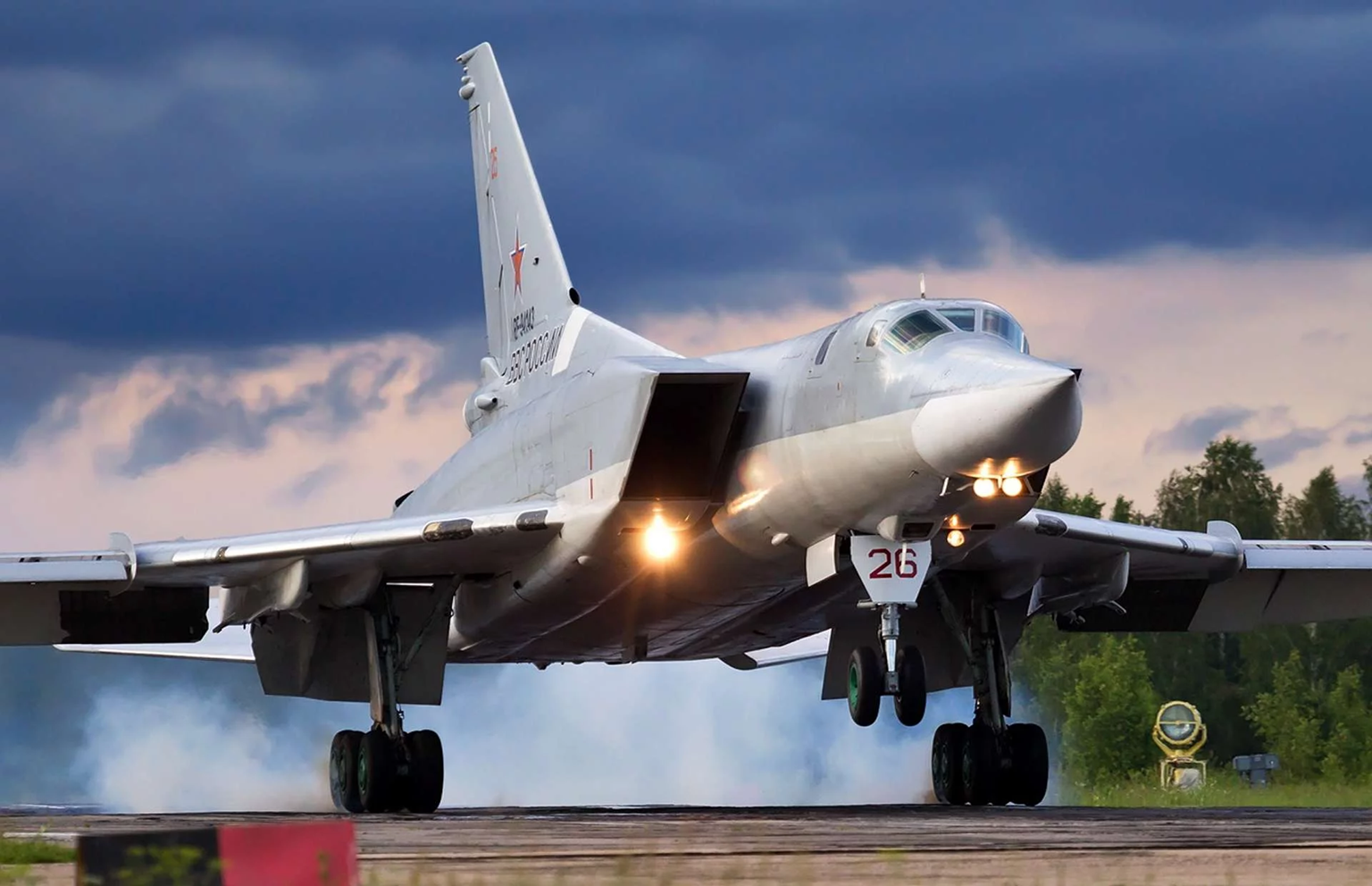
The Tu-22M3, known to NATO as the “Backfire,” is a supersonic variable-sweep wing bomber developed during the Cold War but still plays a vital role in Russia’s long-range air force. Powered by two NK-25 engines, the aircraft can reach speeds close to Mach 1.9 (2346.5 km/h) and has an estimated combat radius of 2,400 to 2,500 km, depending on the mission configuration.
Originally designed to attack NATO carrier strike groups, the Tu-22M3 is now used as a multi-role long-range strike platform, capable of hitting targets at sea and on land without penetrating deep into enemy air defenses. Its ability to carry a variety of long-range cruise weapons allows the aircraft to maintain a relatively safe distance from modern air defenses.
During its deployment in the Black Sea, the Tu-22M3 is believed to have carried two complementary types of missiles. The Kh-22 missile is a large, supersonic anti-ship weapon capable of reaching speeds exceeding Mach 4 (4940 km/h) and carrying a nearly one-ton warhead, designed to penetrate dense naval air defense systems. This type of missile is well-suited for attacking large targets at sea.
Meanwhile, the Kh-101 is a modern, low-flying, subsonic cruise missile with a long range and relatively stealthy capabilities, suitable for precision strikes against fixed targets such as military bases, command centers, or energy infrastructure. Combined with the Kh-22, it creates a diverse threat spectrum in terms of flight trajectory, speed, and altitude.
The combination of these missile types poses a significant challenge to air defense systems, forcing the enemy to simultaneously deal with both high-speed threats and low-flying, hard-to-detect targets. With the support of escort fighters, the Tu-22M3 continues to be a tool that helps Russia demonstrate its deterrence capabilities and military reach in the Black Sea region.
For NATO, these types of flights once again underscore the need to maintain early warning capabilities, multi-layered air and missile defense, and a permanent air presence, given that military foundations from the Cold War continue to influence the regional security balance.
MADIS: The US Marine Corps' mobile air defense shield.
The U.S. Marine Corps (USMC) has officially received the full production version of the Marine Air Defense Integrated System (MADIS), marking a transition from testing to operational deployment. This move aims to enhance the capabilities of expeditionary forces to protect the growing threat from drones and low-flying targets.
According to an announcement on December 15, MADIS has been deployed to frontline units, becoming a core component of the USMC's modernized ground-based air defense portfolio. The system was developed to meet recent battlefield realities where inexpensive UAVs and low-flying aircraft have eroded traditional air superiority. The entry of MADIS into serial production represents a shift from temporary shoulder-fired solutions to mobile, integrated air defense systems capable of operating in contested coastal and expeditionary environments.
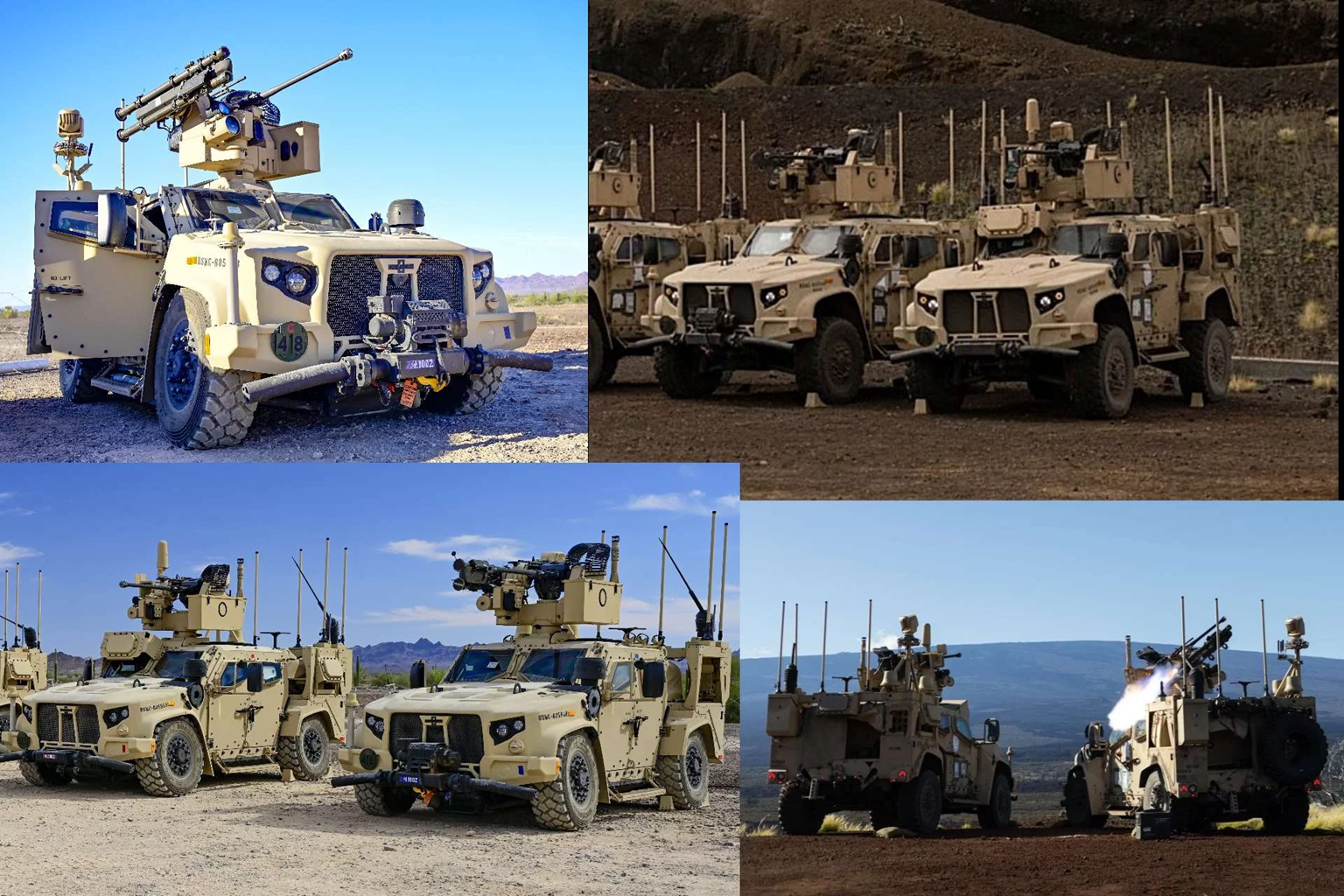
A standard MADIS system consists of two JLTV light tactical vehicles supplied by Oshkosh Defense, each performing a specific role. The Mk1 version is equipped with a Kongsberg RS6 remotely controlled weapon turret, a 30 mm XM914E1 cannon, a 7.62 mm coaxial machine gun, and the capability to integrate Stinger anti-aircraft missiles, tasked with destroying fixed-wing and rotary-wing aircraft.
The Mk2 version focuses on anti-UAV missions, integrating the RPS-42 radar, optical-infrared sensors, electronic warfare systems, and command and control functions for the entire complex. This separation of functions, yet closely linked, allows MADIS to possess both aerial reconnaissance and surveillance capabilities, as well as interceptor firepower and non-kinetic suppression tools.
The combination of the two variants allows MADIS to detect, classify, and counter airborne threats both stationary and maneuvering, from electronic jamming of small UAVs to interception with kinetic energy. Compared to previous prototypes, the production version features upgraded software, targeting algorithms, and sensor-weapon linkage capabilities, shortening the cycle for destroying low-flying, hard-to-detect targets.
USMC crews have completed training with new equipment and live-fire exercises at the Twentynine Palms Air-Ground Warfare Center (California, USA). Prior to this, initial production versions were tested at Yuma Proving Ground and in exercises in Hawaii and the Philippines, demonstrating their ability to rapidly deploy from amphibious ships and effectively protect dispersed units on islands.
IRIS-T SLS: Sweden is intensifying its low-altitude air defense network.
Sweden has ordered additional launchers for the IRIS-T SLS short-range air defense system from the German company Diehl Defence, aiming to expand its ground-based air defense capabilities amid increasingly tense security conditions in the Nordic region. This move reflects Stockholm's efforts to accelerate air defense modernization, as the conflict in Ukraine continues to highlight the crucial role of multi-layered, mobile, and distributed defense systems.
Diehl Defence confirmed on December 11th that it had received a new order from the Swedish Defence Materials Management Agency (FMV), including IRIS-T SLS launchers along with a logistics, spare parts, and technical support package. This is a continuation of a long-standing partnership in which Sweden is not only a customer but also a development partner for the IRIS-T missile system. The timing of the contract is particularly significant as Sweden is restructuring its air defense posture after joining NATO and in light of the direct impact of the Russia-Ukraine conflict on security in the Baltic and Northern European regions.
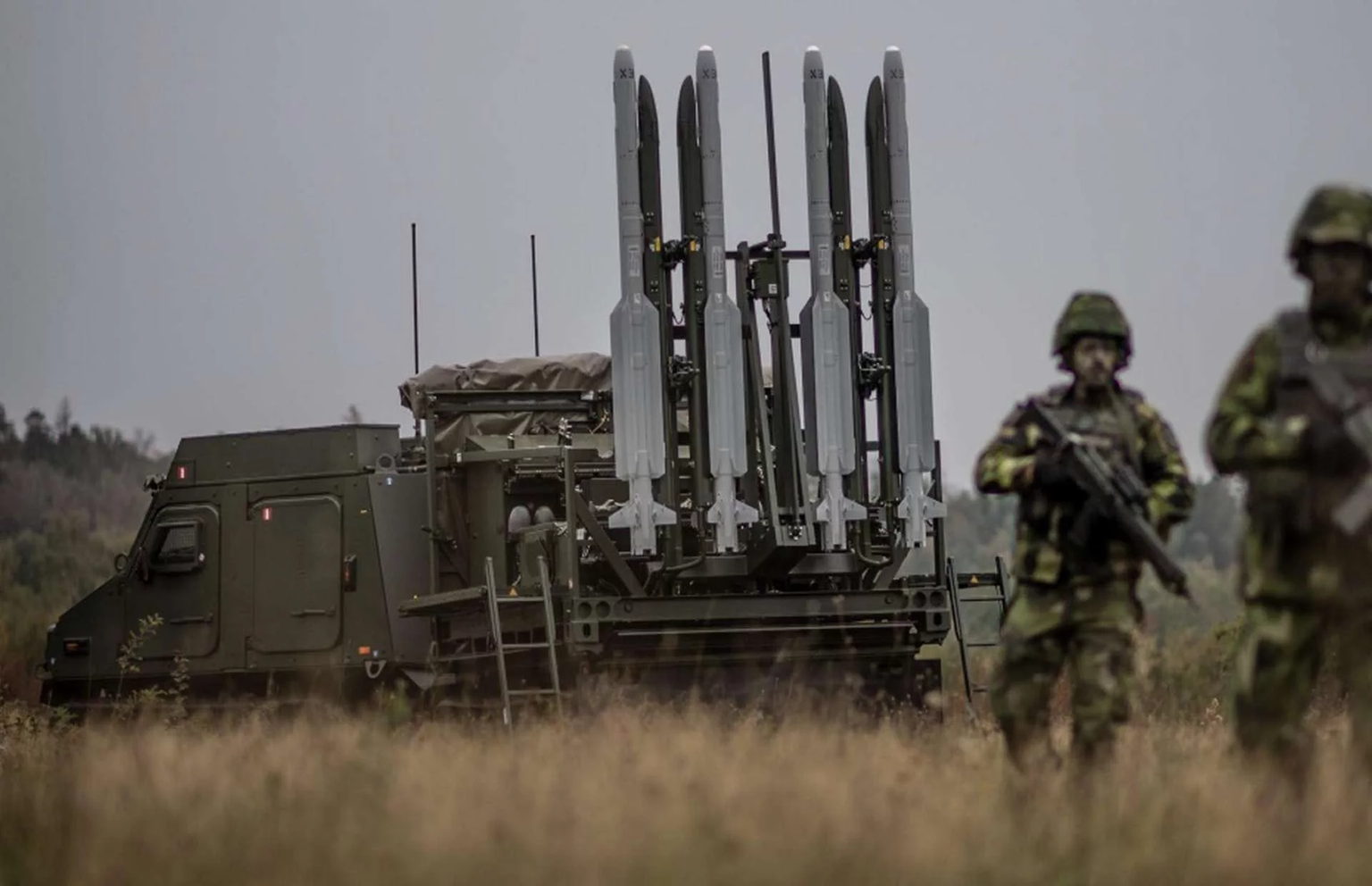
The centerpiece of the deal is the IRIS-T missile – a new generation infrared-guided missile with a wide viewing angle, high anti-jamming capabilities, and high maneuverability thanks to thrust vector control. The IRIS-T is used for ground-based air defense missions, capable of destroying aircraft, helicopters, UAVs, and even low-flying cruise missiles. A notable advantage is that Sweden uses the same missile family for both its air force and ground-based air defense forces, simplifying logistics and ensuring ammunition reserves.
Operationally, the IRIS-T SLS is deployed in the low-altitude air defense layer, protecting mobile brigades and critical targets from sudden low-altitude threats. In Sweden, this system complements, rather than replaces, medium- and long-range air defense systems. Public procurement documents show that Sweden is investing in new launchers, modern short-range radars, and command and control systems to form a unified army air defense structure.
The decision to expand the IRIS-T SLS is linked to lessons learned from Ukraine, where inexpensive UAVs and cruise missiles have put significant pressure on traditional air defense systems. Prior to this, in mid-2025, Sweden signed a contract to purchase seven IRIS-T SLM medium-range systems to create a higher-altitude layer of protection. The SLS reinforcement helps to close the low-altitude defense loop, while systems like Patriot and SLM handle targets further away and higher up.


