
From 4 seed tubers to an OCOP product.
Instead of resting at the age of 70, Mrs. Nguyen Thi Thi in Luong Son commune continues to diligently develop the cultivation of Southern ginseng. Starting with just 4 initial seedlings, she has developed a product that meets OCOP standards, spreading the medicinal herb cultivation model to many households, gradually transforming traditional Vietnamese medicine into a valuable commodity, and opening up a new direction for the local agricultural economy.
Transforming medicinal plants into marketable products.
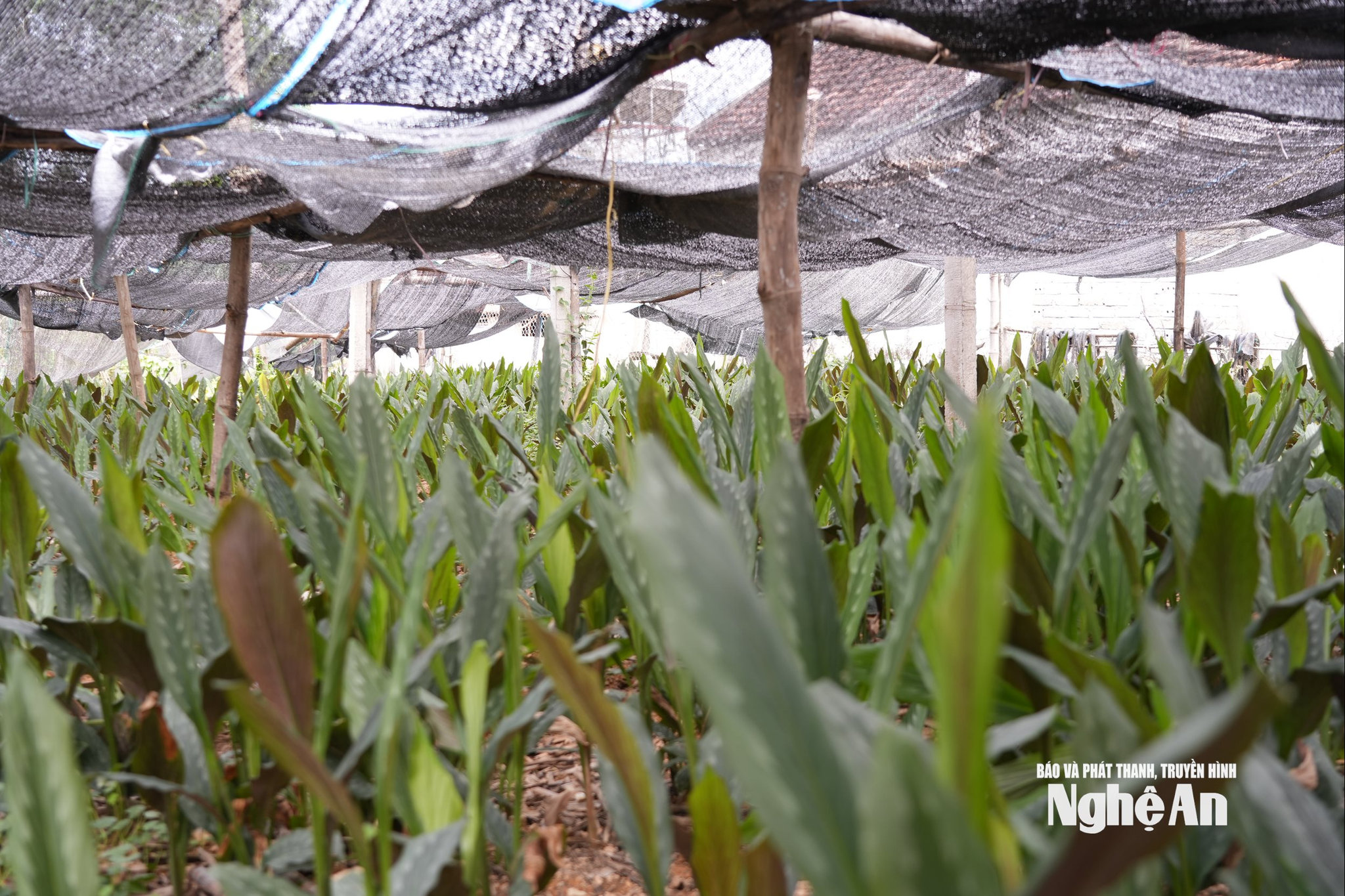
Amidst the orchards of farmers in Luong Son commune, the ginseng cultivation area of Ms. Nguyen Thi Thi (born in 1957) stands out for its orderly and systematic approach. The ginseng beds are arranged in straight rows under a sturdy netting system, with the beds covered in straw to retain moisture, control weeds, and create a suitable environment for the roots to develop. It's hard to imagine that behind this lush garden lies the arduous journey of over 15 years of a woman nearing 70, starting with just four ginseng roots brought back by her daughter from Mong Cai.
Born into a family with generations of traditional medicine practitioners, Ms. Nguyen Thi Thi grew up accompanying her grandmother and mother on trips to find medicinal plants on hillsides and stream banks. Plants such as Centella asiatica, Solanum torvum, Leonurus artemisia, Plantago major, and Eclipta alba have become part of her memories and a wealth of knowledge accumulated over the years.
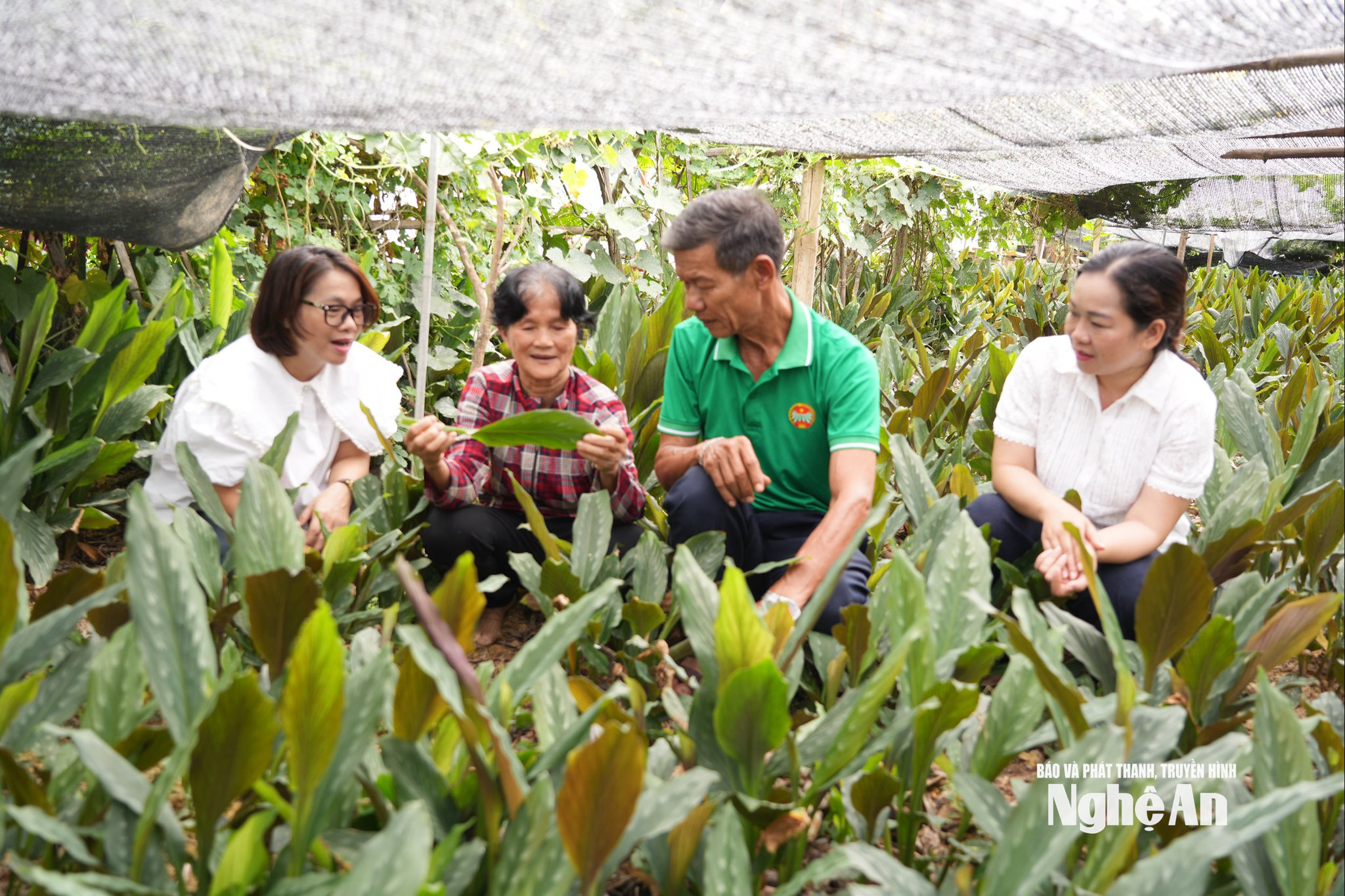
According to Mr. Nguyen Van Tuat, head of the Farmers' Association in Bai Son 2 hamlet, almost every vacant plot of land in the hamlet used to bear the footprints of Mrs. Thi, who planted and propagated medicinal plants. Many considered it merely a hobby for someone working in the herbal medicine field, but in reality, it was a process of accumulating experience regarding the growth characteristics, soil conditions, and cultivation techniques of various medicinal plants.
Therefore, when she received four fresh Southern ginseng roots from her daughter, Mrs. Thi didn't use them for medicine but boldly propagated them. “I divided the four roots into dozens of seed pieces and planted them in 10 sacks of humus soil, anxiously watching the roots sprout, grow leaves, and develop day by day. Twelve months later, those four seed pieces yielded dozens of kilograms of fresh ginseng, each root large and beautiful. Realizing that this precious medicinal plant was very suitable for the soil and climate here, I divided a small portion to test its medicinal properties and starch content, and then propagated the rest to expand the cultivation area.”
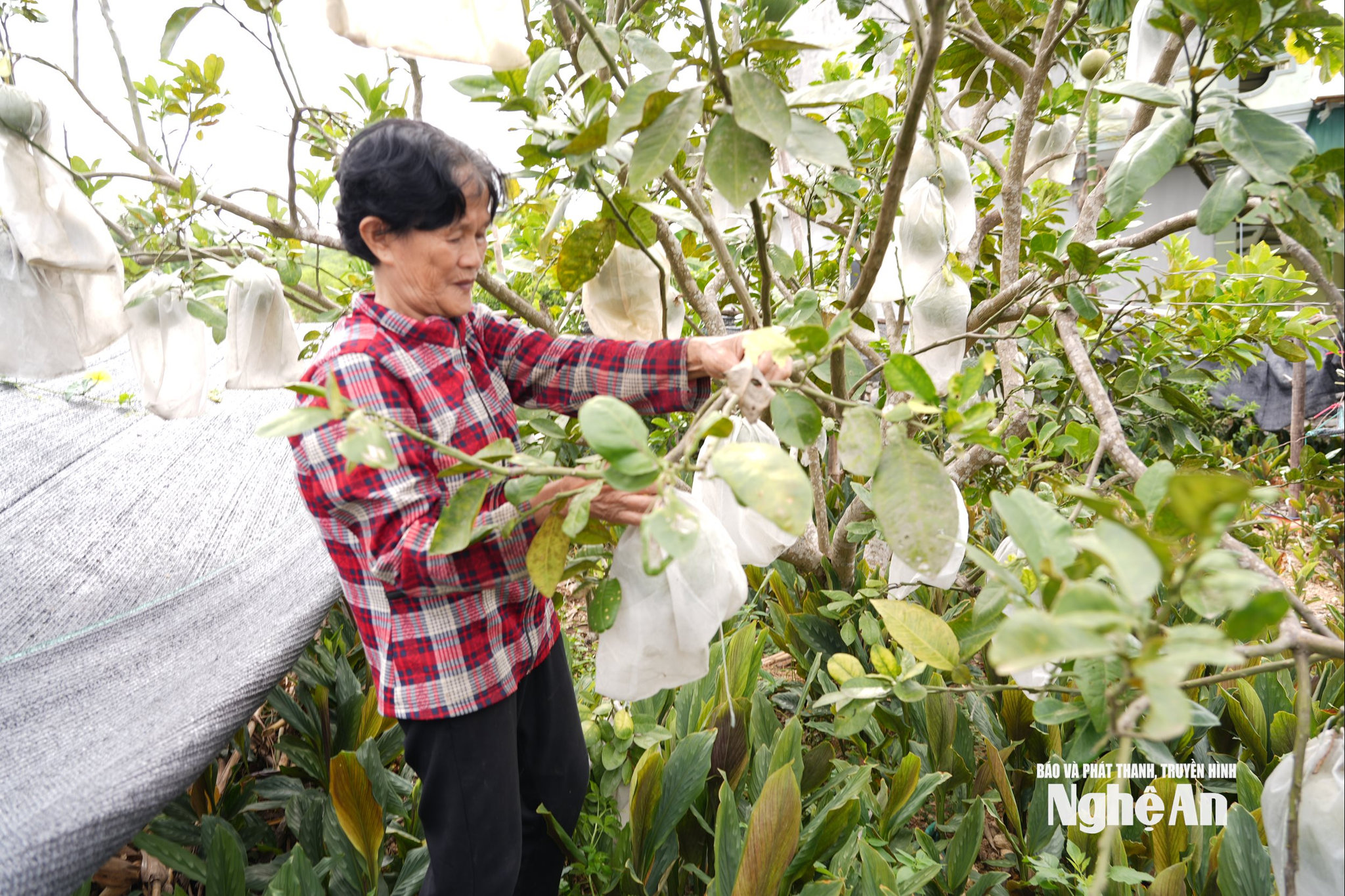
Following the initial success of her experiments, she sold two gold coins, saved over many years, to renovate her garden, invest in a shade netting system, buy seedlings, and expand the cultivated area. This was a rather risky decision at a time when the Panax notoginseng plant was still very unfamiliar to the local people, but it also demonstrated a long-term investment mindset rather than relying solely on experience. After more than 15 years, she has now developed nearly 10 acres of Panax notoginseng, supplying over 200 kg of seedlings annually to people both within and outside the locality. From just one household conducting trial cultivation, the Panax notoginseng raw material area in Luong Son commune has gradually formed with 10 participating households, and a cooperative for planting and processing Panax notoginseng has been established, headed by Ms. Thi, with a cultivated area of up to 10 hectares.
From raw material sources to the value chain
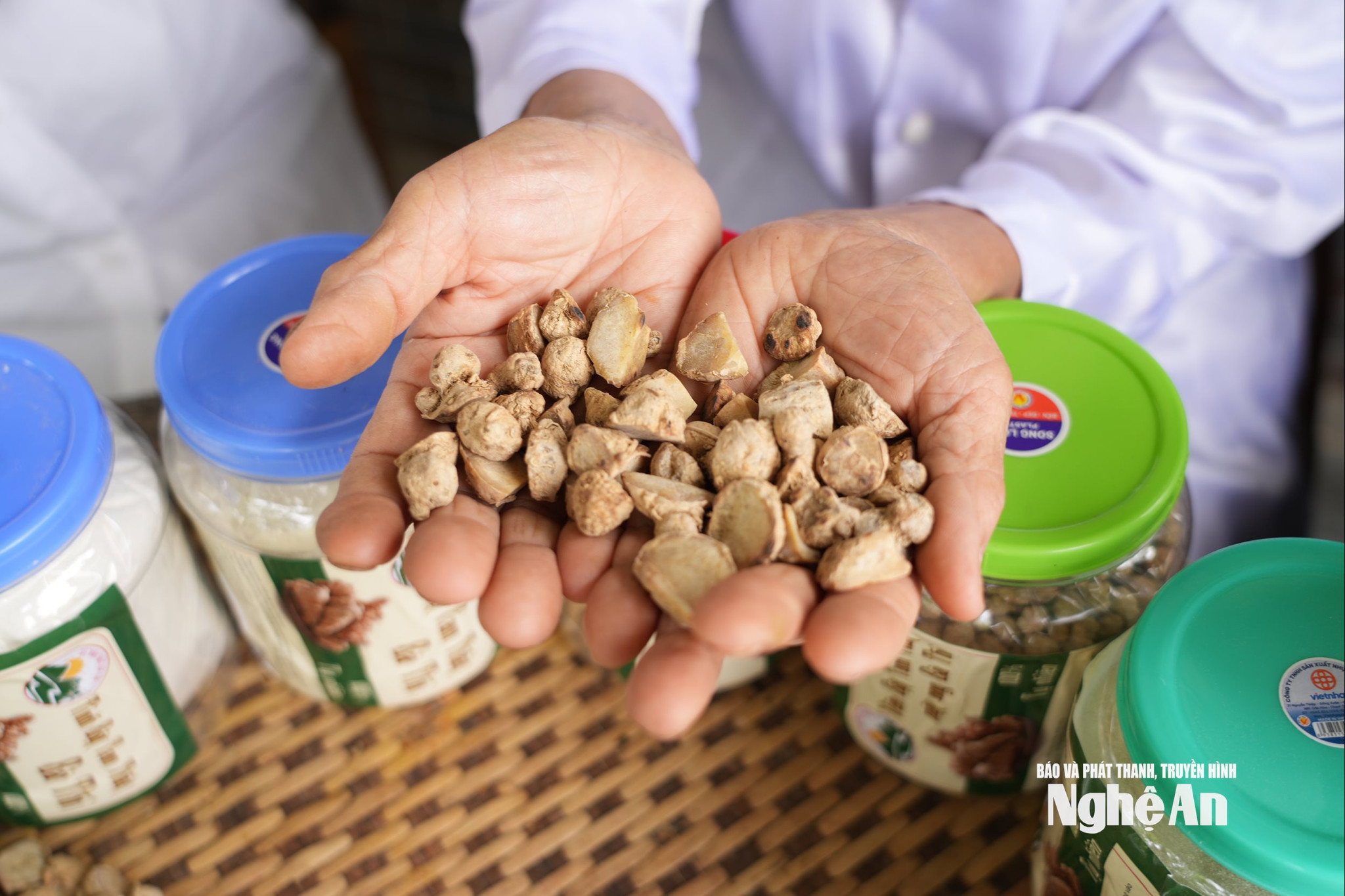
Having a new source of raw materials is just the beginning of the journey to enhance the value of medicinal plants. According to Ms. Thi, if producers only sell fresh ginseng roots, they are still heavily dependent on the market, prices, and harvest time. Therefore, as soon as production stabilizes, she begins investing in processing to extend shelf life and increase product value.
At Ms. Thi's production facility, after harvesting, the ginseng roots are cleaned, sorted, processed, dried, and dehydrated before being transformed into various products such as ginseng starch, honey-coated pills, sliced ginseng, dried roots, and ginseng flowers. This product diversification transforms ginseng from a raw material into a high-value commodity. As a result, the model generates approximately 300 million VND in revenue annually, providing a stable income for the family and seasonal employment for local workers.
The key to Ms. Thi's approach is not simply expanding the cultivated area, but focusing on building a value chain from seeds, growing regions, preliminary processing, and processing to consumption. When products are processed further, producers have more control over the market, reducing dependence on traders and improving economic efficiency on the same area of land. This is also a direction consistent with current agricultural development trends, where the value of agricultural products increasingly lies in processing, branding, and the ability to meet market demands.
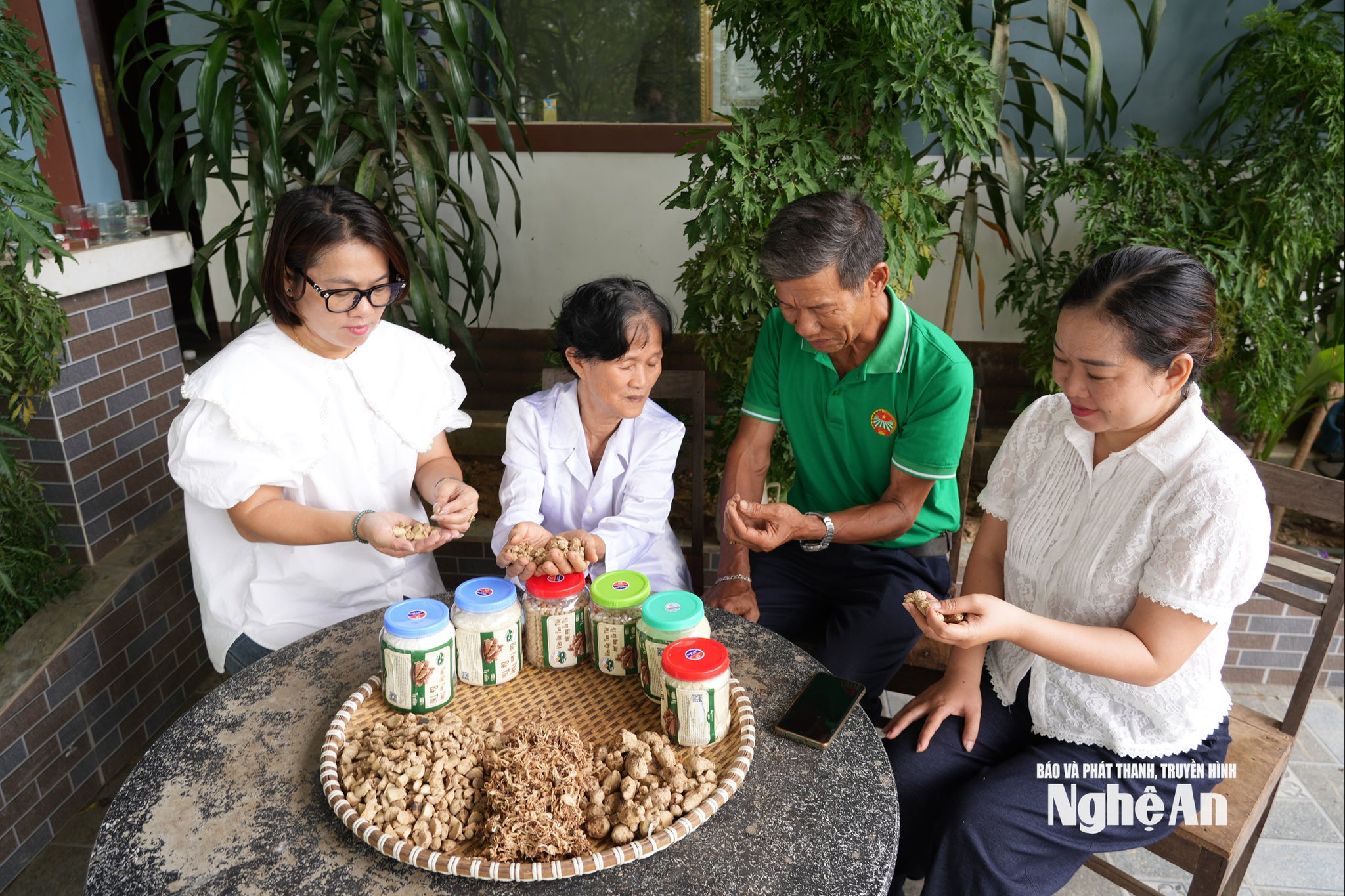
However, for a medicinal product to develop sustainably, product quality alone is not enough. Consumers are increasingly concerned about the origin of raw materials, production processes, and transparency in processing. Recognizing this, Ms. Thi has gradually standardized production, perfected documentation, built a brand, and participated in the "One Commune One Product" (OCOP) program. The recognition of "Ms. Thi's Panax Notoginseng Powder" as an OCOP product is not only an acknowledgment of the production facility's efforts but also motivates the model to improve its processes, quality, packaging, and market accessibility.
Along with standardizing her products, Ms. Thi also changed her approach to customers. At nearly 70 years old, she still learns how to use smartphones, promotes her products on online platforms, and participates in trade promotion programs to find new markets. This proactive application of technology has helped small-scale producers gradually connect more directly with consumers, bridging the gap between agricultural production and the market.
The greater value that the model creates lies in its ability to spread and form production linkages. After mastering the techniques, Ms. Thi did not keep her experience to herself but guided people on how to select seeds, prepare the soil, use netting, care for the plants, harvest, and process the produce. When many households participate, the raw material area expands, creating a foundation for production according to a unified process, ensuring consistent product quality. This is a crucial factor for medicinal plants, because to develop into a major industry, it must first have a stable and well-organized raw material area.
.jpg)
According to Ms. Nguyen Thi Huong Xuan, Chairwoman of the Farmers' Association of Luong Son commune, the association has accompanied Ms. Thi in building the brand, standardizing production processes, perfecting OCOP products, and connecting and promoting trade. Based on the effectiveness of the model, the locality continues to encourage households to participate in the linkage, aiming to upgrade the cooperative group into a medicinal herb cooperative in the near future. With a central organization, managing the raw material area, unifying technical processes, and expanding the market will be easier, creating a foundation for the sustainable development of medicinal plants.


