
How to take care of your car at home?
Besides regularly taking your car to a service center for maintenance, performing maintenance and care at home will help preserve the appearance and health of your vehicle.
Car maintenance at home isn't too difficult, but the real challenge is doing it regularly without damaging the vehicle.
Here are some steps for proper and safe self-care of your car at home.
Inspect the exterior of the vehicle.
The exterior of the car is easily observable, so you can do most of the inspection yourself, except for some parts related to the car's systems such as lights and tires, which require a professional with expertise and experience.
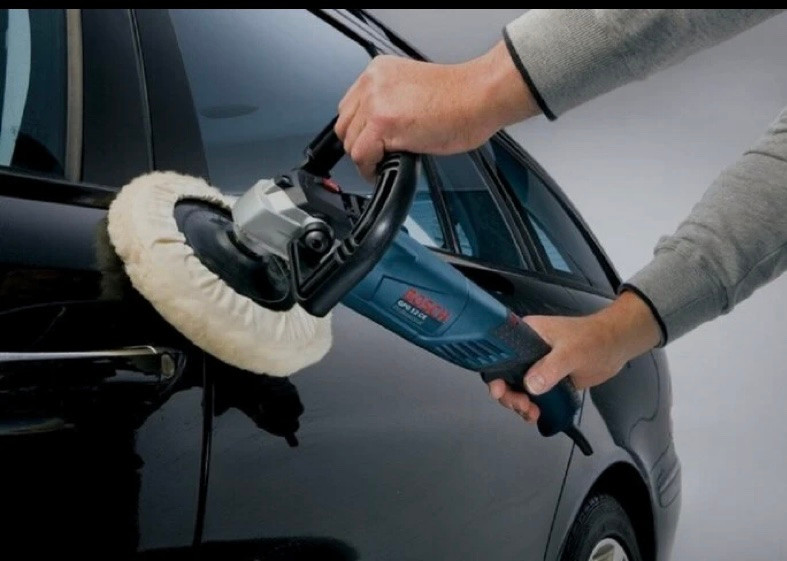
Car washing and dusting.
Vehicles that are frequently driven outdoors will inevitably accumulate dust and fumes, especially when passing through construction sites, warehouses, or factories. This task isn't too difficult; choosing a suitable time, such as when it's cloudy or not very sunny, will ensure that cleaning the vehicle is easier and safer.
You can use a soft, absorbent cloth or a soft-bristle brush to sweep away dust, avoiding scratches, and lightly rinse with water to prevent dirt from sticking to the car. If possible, you should buy a car vacuum cleaner to clean your car and reduce the need for frequent washes.
The exterior parts that require the most observation and inspection are the car's paint color, windshield, side windows, and wipers. For a more accurate inspection, you should check these features immediately after washing your car.
Inspect and replace windshield wipers when they are too old or malfunctioning. Clean the wiper blades regularly to minimize streaks on the windshield.
Clean your car's windows regularly with a specialized cleaning solution. Note that when cleaning your car with specialized solutions, you should choose high-quality products that are suitable for each part of the vehicle.
Check the lighting system.
Headlights and taillights are two extremely important types of lighting. If these lighting systems malfunction or break down, driving becomes very risky and can lead to serious accidents on the road. You should consider buying high-quality lights for your vehicle. In addition, you should also observe and check them regularly to ensure the lighting system is always in good working order.
Replacing headlights requires some technical expertise if you have some basic knowledge. If you notice your headlights are dim, you should take your car to a dealership for warranty service or inspection instead of trying to replace the bulbs with higher wattage ones yourself. This is because dimming bulbs can potentially affect other related components.
Last but not least, it's essential to check tire pressure before driving. Drivers should equip themselves with a foot pump or electric pump for their car to ensure adequate tire pressure before heading out, thus guaranteeing safety.
Inspect the car's interior.
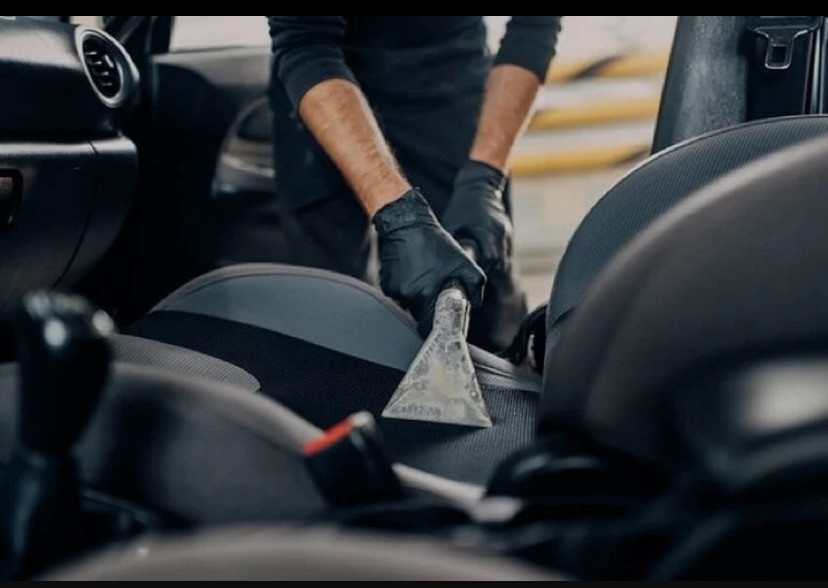
The interior of a car not only affects its aesthetics but also the health of its occupants. Therefore, the first priority is ensuring the interior is clean and well-ventilated. Cars are enclosed environments that easily retain odors, so you should deodorize them using natural methods such as coffee beans, pandan leaves, or scented sachets.
Leather seats also need regular cleaning; the simplest method is to wipe them with a clean cloth, then use a specialized leather and interior care spray.
Keeping your car's interior clean and tidy will help maintain its condition, a habit that will be very helpful when reselling the car to someone else or a dealership. Most people will judge how well-maintained a car is by its interior, making it easy to see its overall condition.
Another point to note is that if using cleaning solutions during the cleaning process, avoid getting them on the gear shift lever, metal steering wheel, or brake pedal. Of course, cleaning these parts with solutions might keep them looking new, but they will also become slippery, difficult to control, and potentially cause accidents.


