By refusing to "share the burden" in Iran, is NATO on the verge of collapse?
The world is witnessing a diplomatic earthquake shaking the planet's largest military alliance. The story began when Washington demanded that NATO share the burden of the war in Iran, but its European allies flatly refused. Immediately, US President Donald Trump poured cold water on this by declaring that the US would consider withdrawing from NATO.
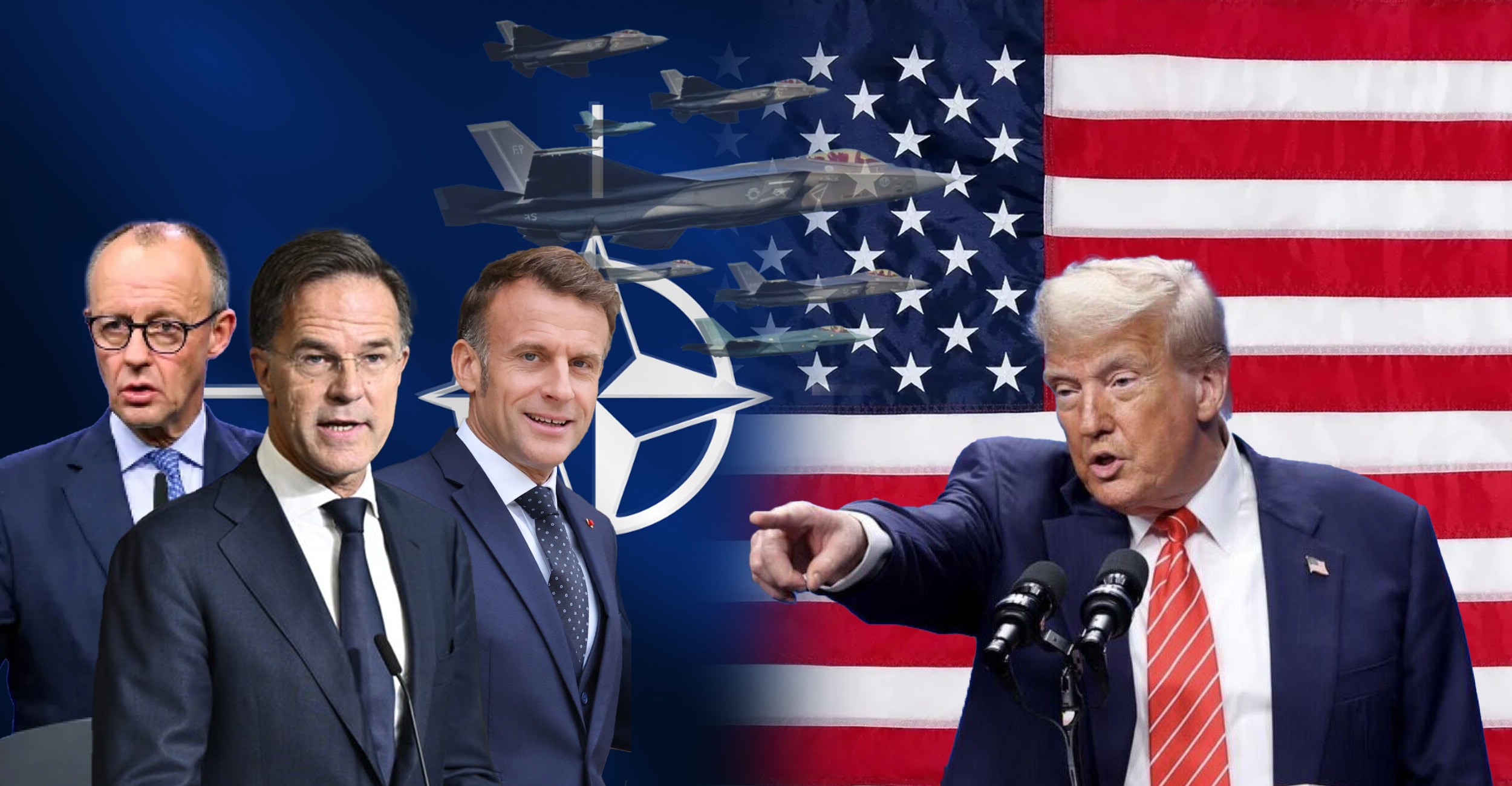
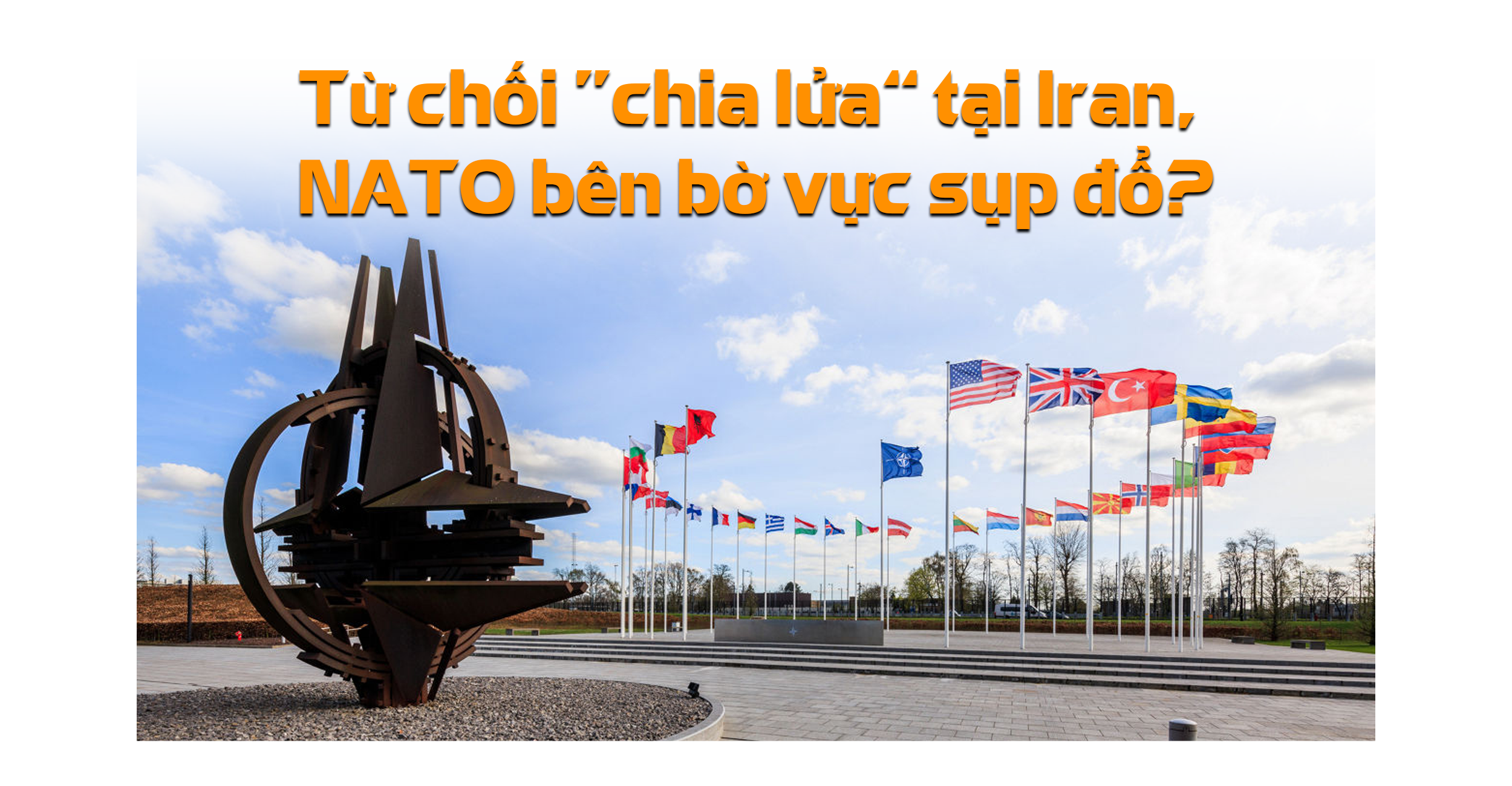
The world is witnessing a diplomatic earthquake shaking the planet's largest military alliance. The story began when Washington demanded that NATO share the burden of the war in Iran, but its European allies flatly refused. Immediately, US President Donald Trump poured cold water on the situation by declaring that the US would consider withdrawing from NATO. Is this merely a psychological tactic at the negotiating table, or the beginning of the end of the transatlantic security order that has existed for over seven decades?
Nghe An's newspapers, radio, and television stations had an interview with Associate Professor, Doctor, Major General Le Van Cuong - former Director of the Institute for Strategic Studies, Ministry of Public Security.
Perform: Quoc Toan - Hoang Quan
Design:Huu Quan| April 9, 2026
Major General Le Van CuongArticle 5 of the NATO Charter stipulates that when a member is attacked from outside, other members have a responsibility to provide support with manpower, weapons, and other means of warfare. However, US President Donald Trump's request for European NATO countries to participate in the conflict between the US, Israel, and Iran does not fall under the scope of Article 5.
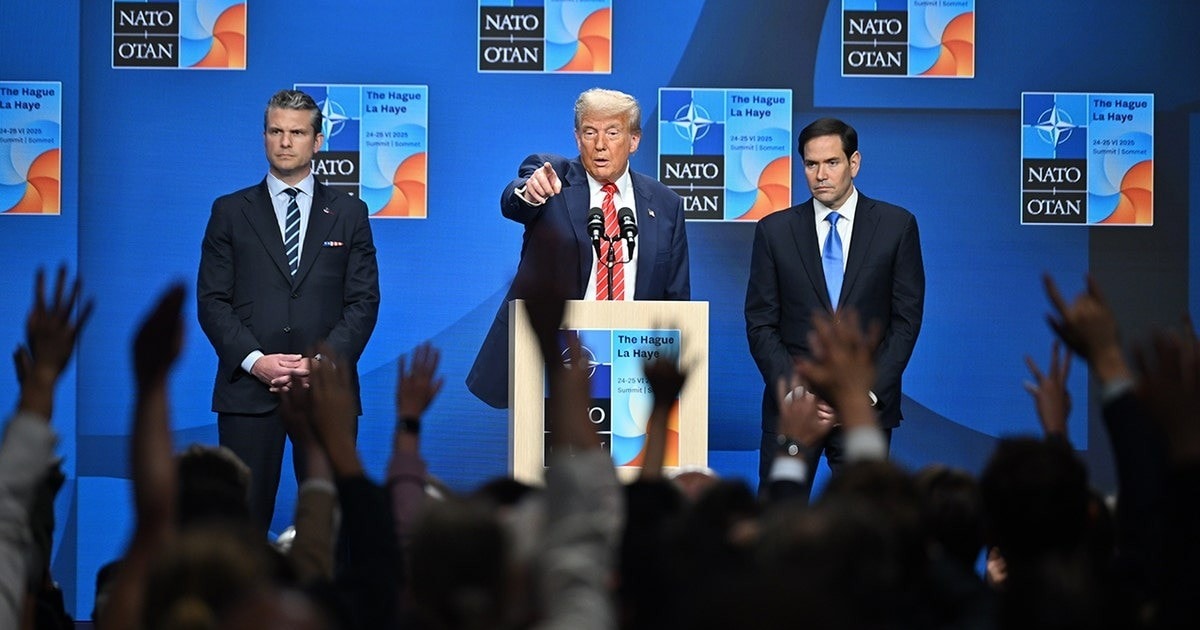
In fact, some NATO members disagreed with the US waging a war against Iran. Germany, for example, argued that the US war with Iran was irrelevant to them. President Trump reacted strongly, claiming that the US was protecting Europe but that Europe was not providing support when needed. Not only Germany, but also the UK, Italy, and many other countries refused to allow the US to use military means. Within a week, President Trump repeatedly stated that if this continued, NATO's role would become meaningless to US security and even threatened to reconsider the US's membership in NATO. It's important to clarify that this request does not fall under Article 5, as Iran is not threatening the US or any NATO member. Only if Iran directly attacks US territory or military bases would the US have grounds to request NATO support.
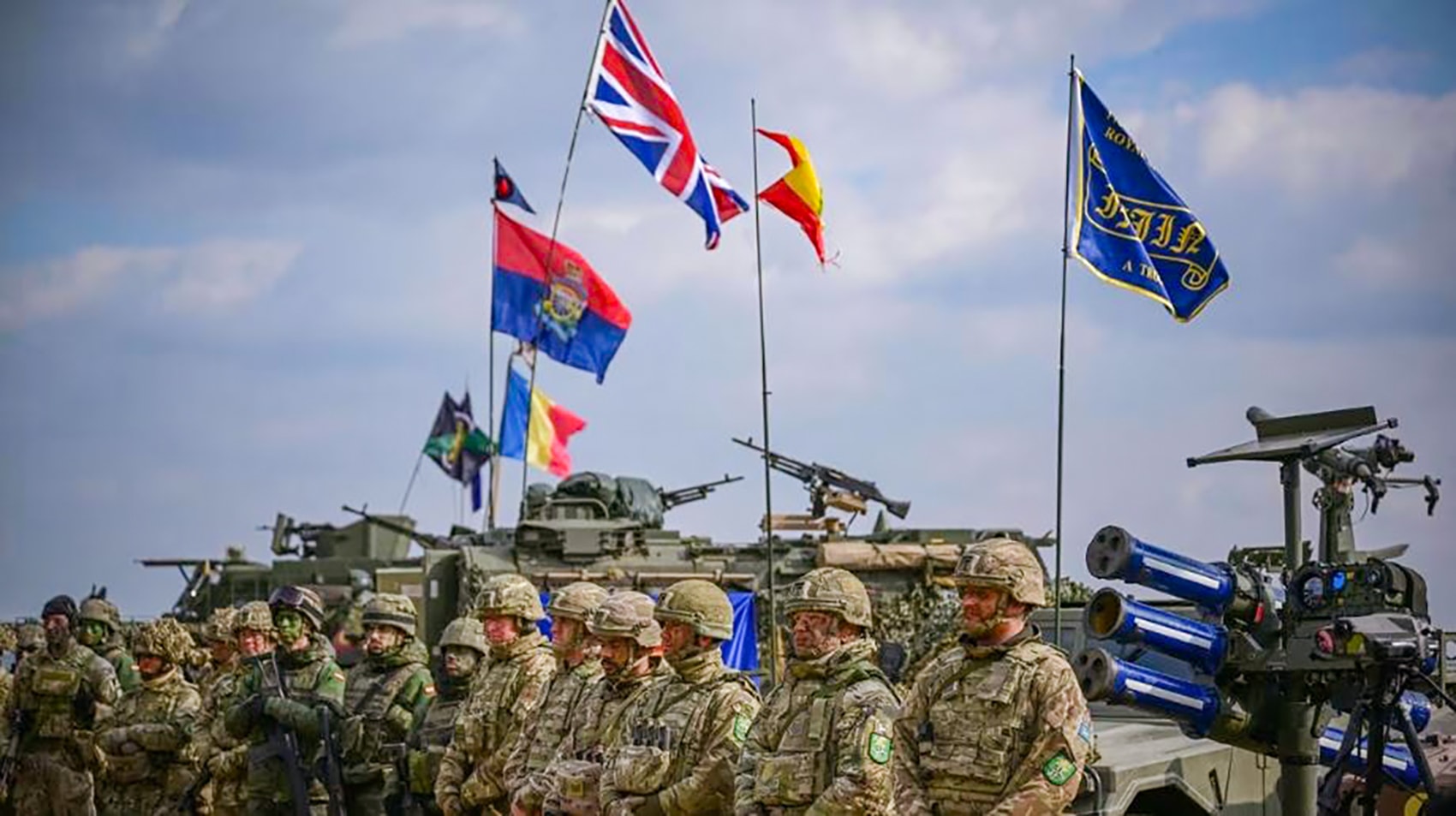
Major General Le Van CuongNATO is a collective defense organization of Western countries, initially comprising 12 nations, intended to counter the Soviet Union. Later, the Warsaw Pact was formed in 1955 as a counterweight. When the Soviet Union collapsed in 1991, theoretically, NATO should have ended its historical role, but in reality, it expanded to 32 members.
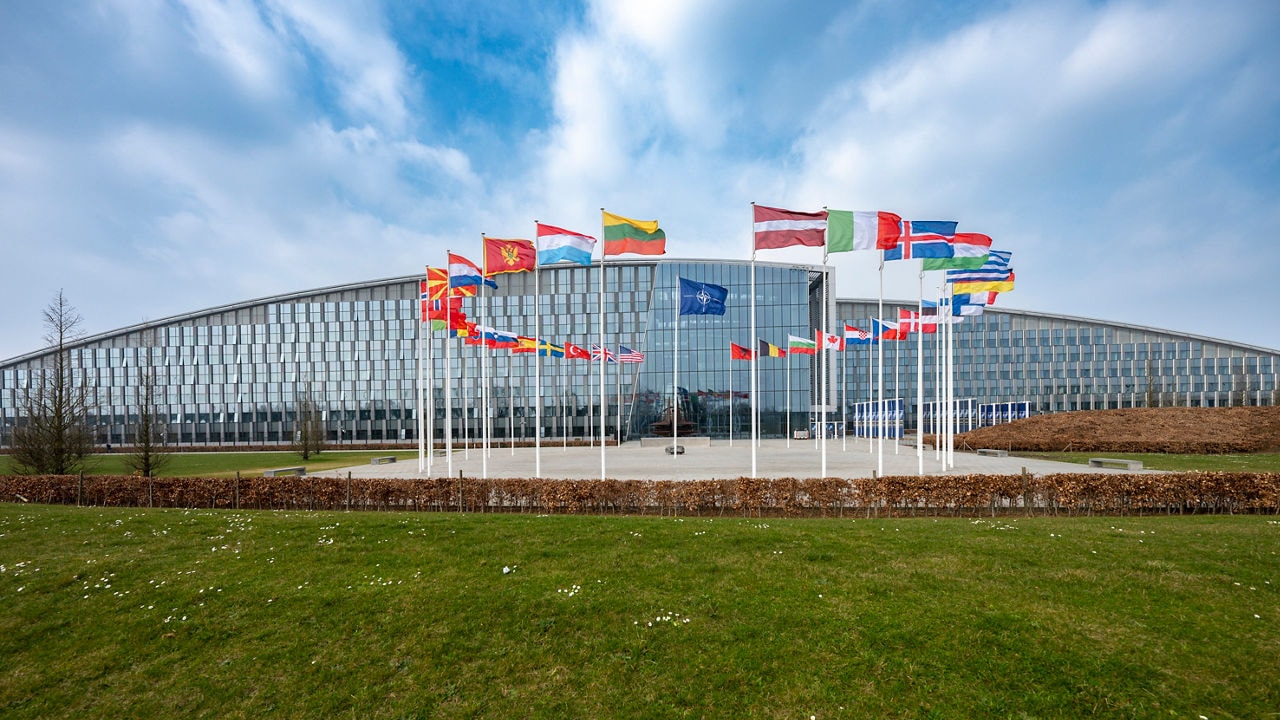
Currently, the interests of Europe and the United States do not completely coincide. Iran does not threaten Europe, while Europe needs a stable Middle East to secure its energy supply. After more than four years of the Russia-Ukraine conflict, the European economy is facing significant difficulties, leading to political, social, and foreign policy crises. Europe views a potential US-Israel conflict with Iran as unprofitable, even illegal. Therefore, they are not participating. This increases internal conflicts within NATO and deepens disagreements across the Atlantic.
Major General Le Van CuongI believe this is primarily political pressure. In reality, the US still needs NATO and Europe in many ways: economically, politically, securely, and diplomatically. Conversely, Europe also needs the US. If the US withdraws from NATO, the risk to the US itself will be much greater. Therefore, this is a warning aimed at forcing NATO countries to share more responsibility, rather than a real step toward withdrawing from the alliance.
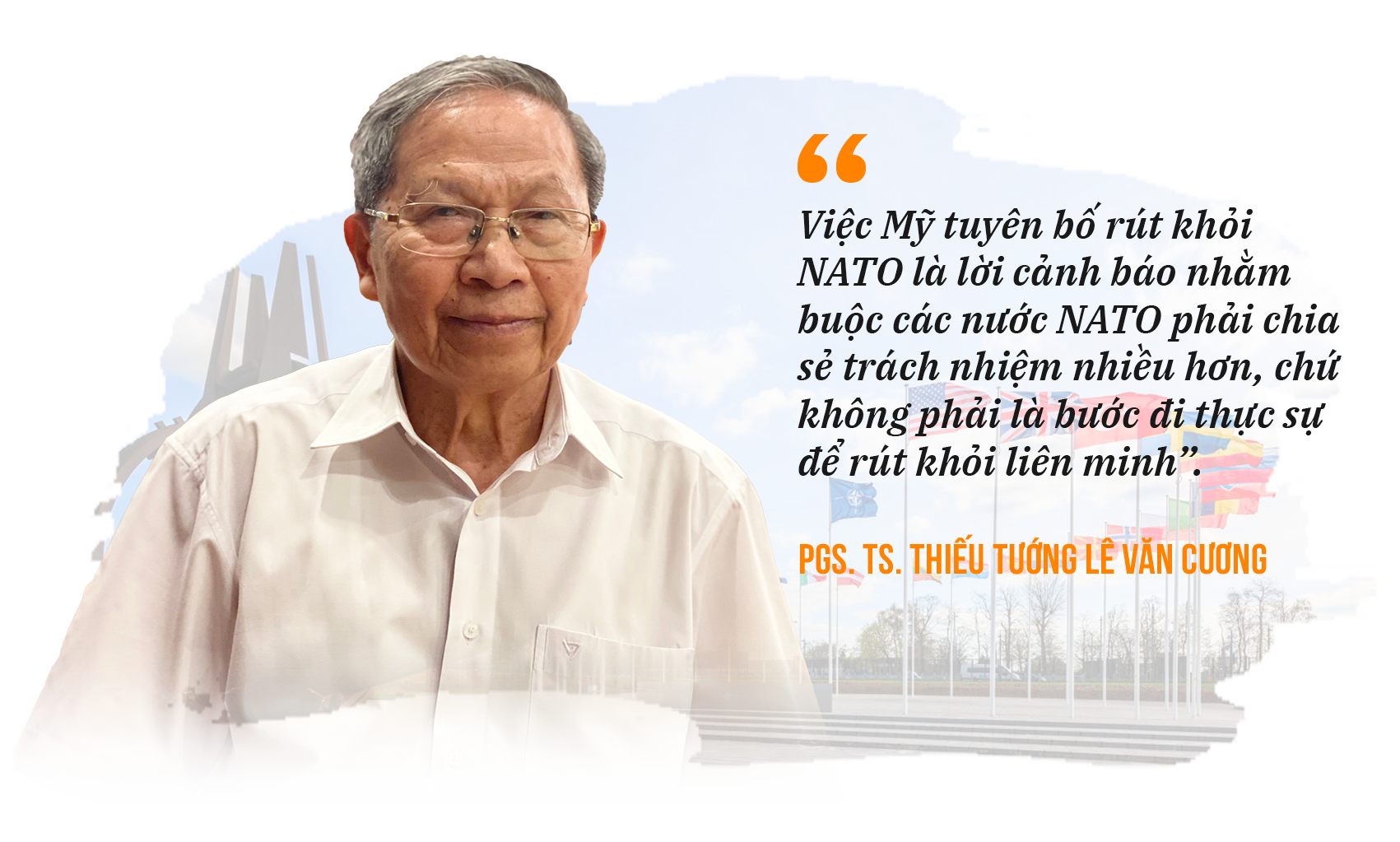
Major General Le Van CuongIf the US withdraws, NATO will almost certainly disintegrate, as approximately 70% of NATO's budget is funded by the US. The majority of NATO's modern weapons are also supplied by the US. Europe currently lacks the military capacity to defend itself against major adversaries like Russia. Without the US, NATO would need at least 15 years to restore its defense capabilities, while its rivals would not stand still. At that point, the global power structure would fundamentally change, shifting from a unipolar to a multipolar system with three major centers: the US, Russia, and China. This would be a "gift" to the West's rivals.
Major General Le Van CuongThis is a very difficult question. President Trump has an unpredictable style, frequently changing his stance. However, I believe that on the Iranian nuclear issue, the US is heavily influenced by Israel. Currently, the key issue is Iran's approximately 460 kg of 60% enriched uranium. If the US and Israel cannot determine the location, the conflict could be prolonged and become more intense. Another option is for the US to conduct strong airstrikes to force Iran to the negotiating table. However, deploying ground troops in Iran is high-risk and unlikely to succeed, as seen in Iraq and Afghanistan. Iran has a large land area, complex terrain, and strong resistance capabilities. Therefore, the likelihood of the US deploying ground troops in Iran is low.