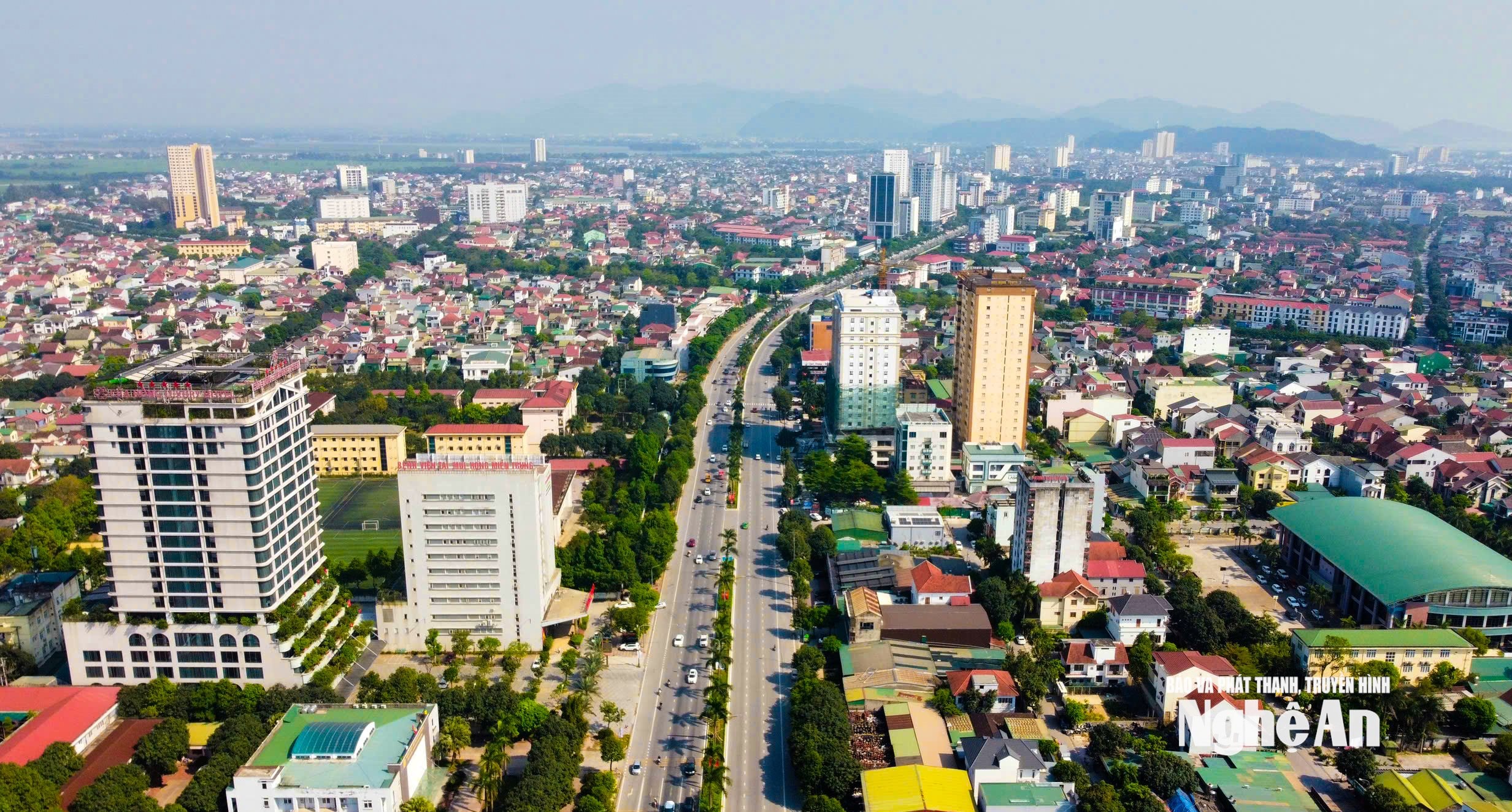
From awards to pressure for innovation
Facing the competitive pressure of major awards, the team of journalists in Nghe An constantly innovates in content and presentation, and masters technology to maintain their leading role in disseminating information and spreading the core values of revolutionary journalism.
.png)
Duc ChuyenJune 17, 2026
The national journalism awards won in recent years not only mark the maturity and development of Nghe An's journalism but also demonstrate a strong shift in the quality of works, journalistic thinking, and the ability to adapt to modern journalism. Facing the pressure of competition in major awards, Nghe An's journalists continuously innovate in content and presentation, mastering technology to maintain their leading role in disseminating information and spreading the core values of revolutionary journalism.

In recent years, each journalism award season has evolved beyond simply summarizing professional activities or honoring the best works. Behind each award lies an increasingly fierce competition in terms of journalistic thinking, content depth, presentation style, and the ability to create social impact. From the National Journalism Award and the National Golden Hammer and Sickle Award to specialized awards organized by central ministries and agencies, a noticeable trend is the significant improvement in the quality of local journalism. Many works from provincial and city newspapers are no longer "inferior" to those from central newspapers, but are increasingly asserting their own unique identity, depth in reflecting reality, and ability to identify issues from the grassroots. This is also reflected in the assessments of the Organizing Committees of national journalism awards in recent years, where more and more works from local newspapers have been awarded high prizes on difficult topics with a strong emphasis on political commentary, criticism, and investigation.
.jpg)
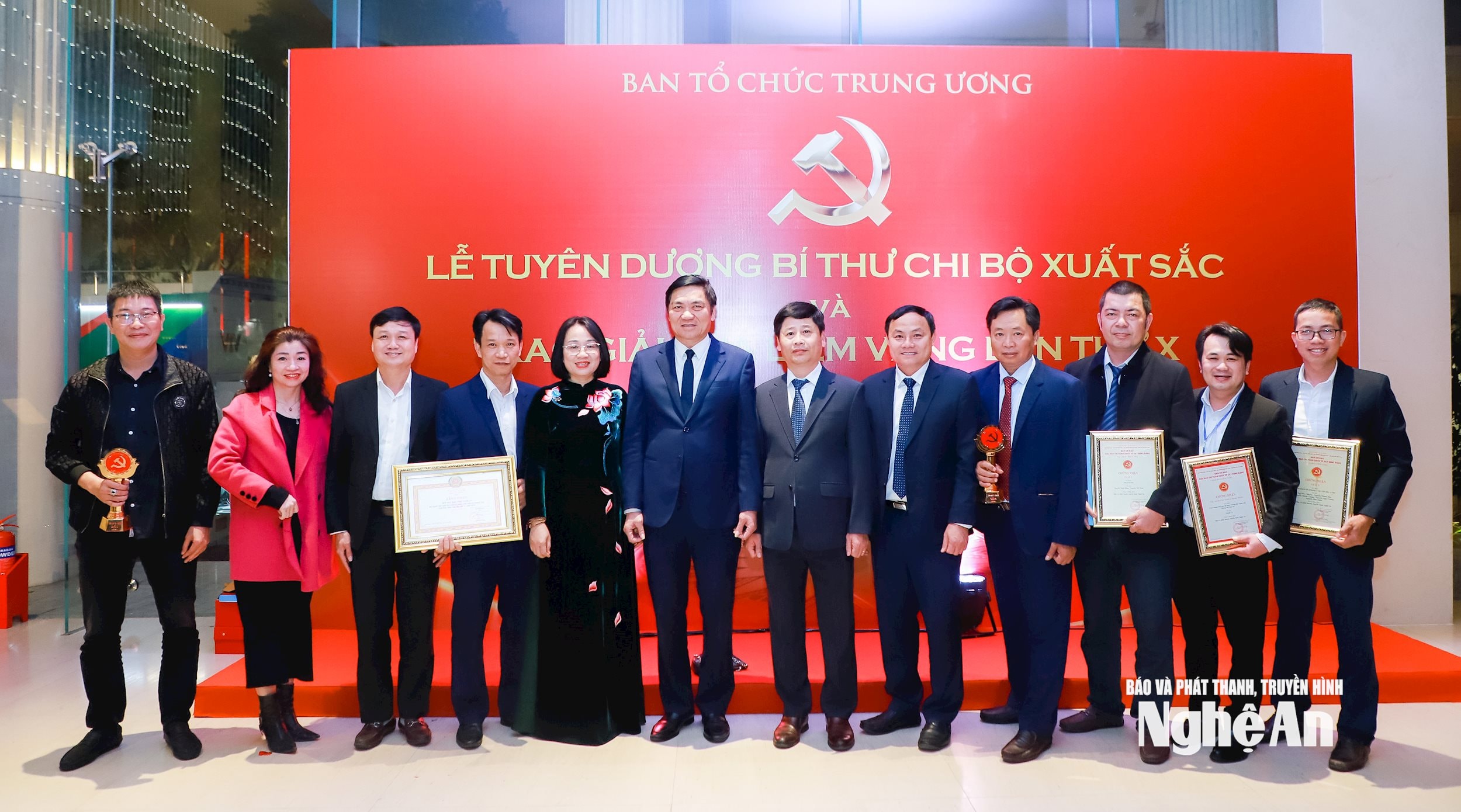
In Nghe An, this transformation is clearly reflected in the quantity and quality of entries in journalism awards in recent years. Currently, the province hosts many annual journalism awards such as the Nghe An Journalism Award, the Nghe An Golden Hammer and Sickle Award; the Award for creating and promoting literary, artistic, and journalistic works on the theme "Studying and following the thoughts, ethics, and style of Ho Chi Minh," along with several specialized awards launched by departments, sectors, and localities.
Alongside these are national-level journalism awards such as: the National Journalism Award, the National Golden Hammer and Sickle Award, the Dien Hong Award, the National Radio Festival, the National Television Festival, and journalism awards on anti-corruption, environment, digital transformation, education, traffic safety, etc.
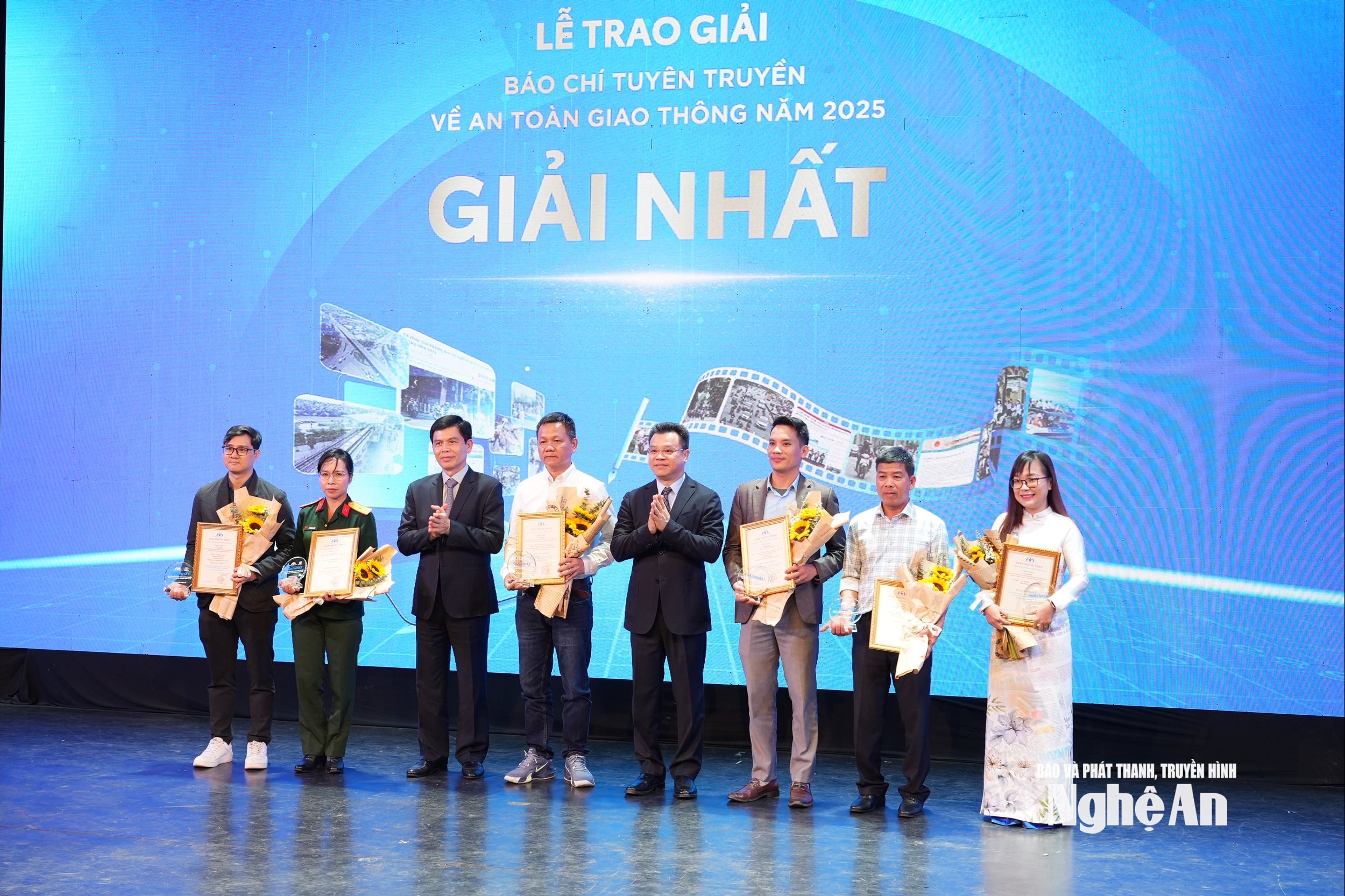
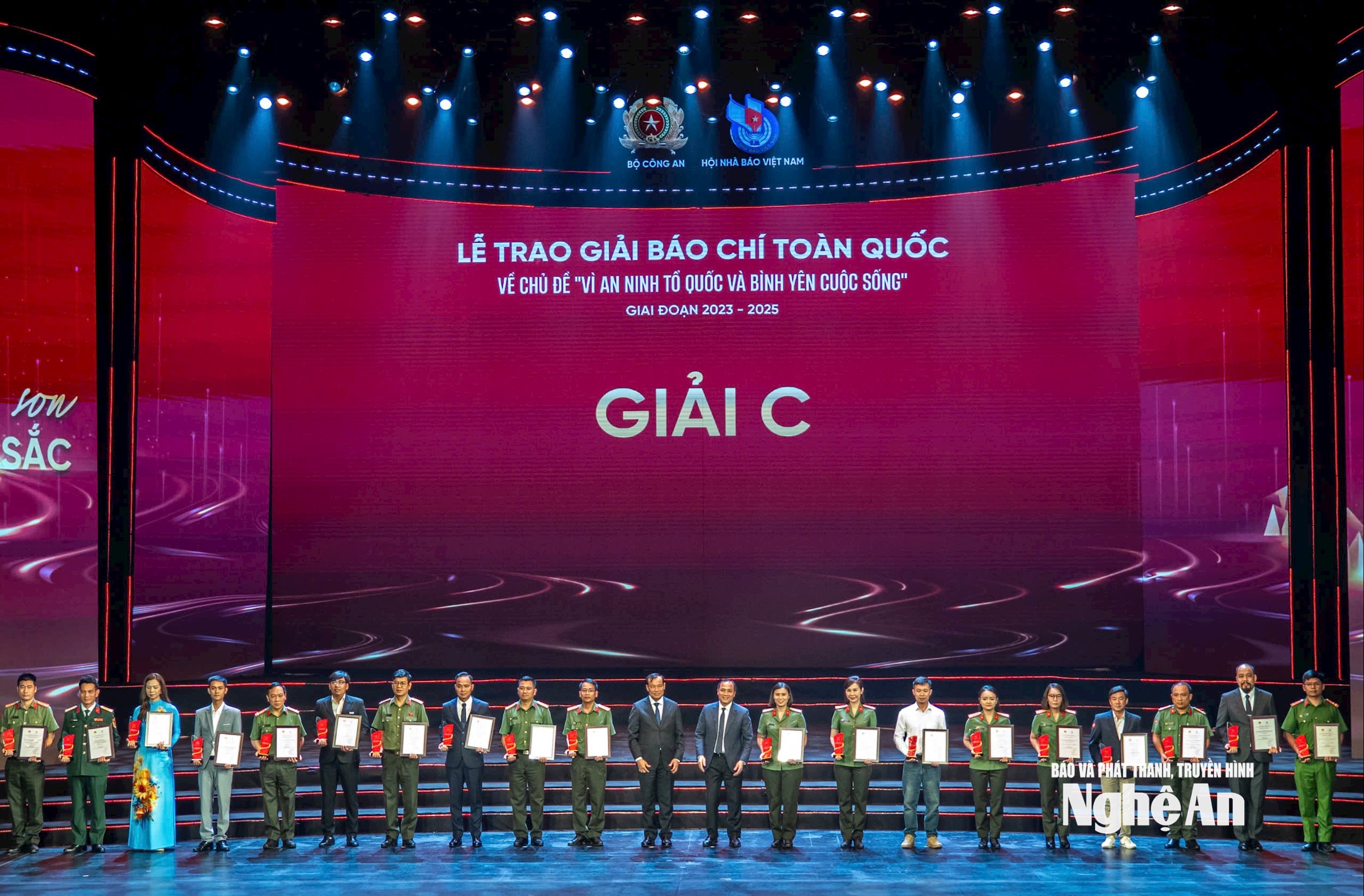
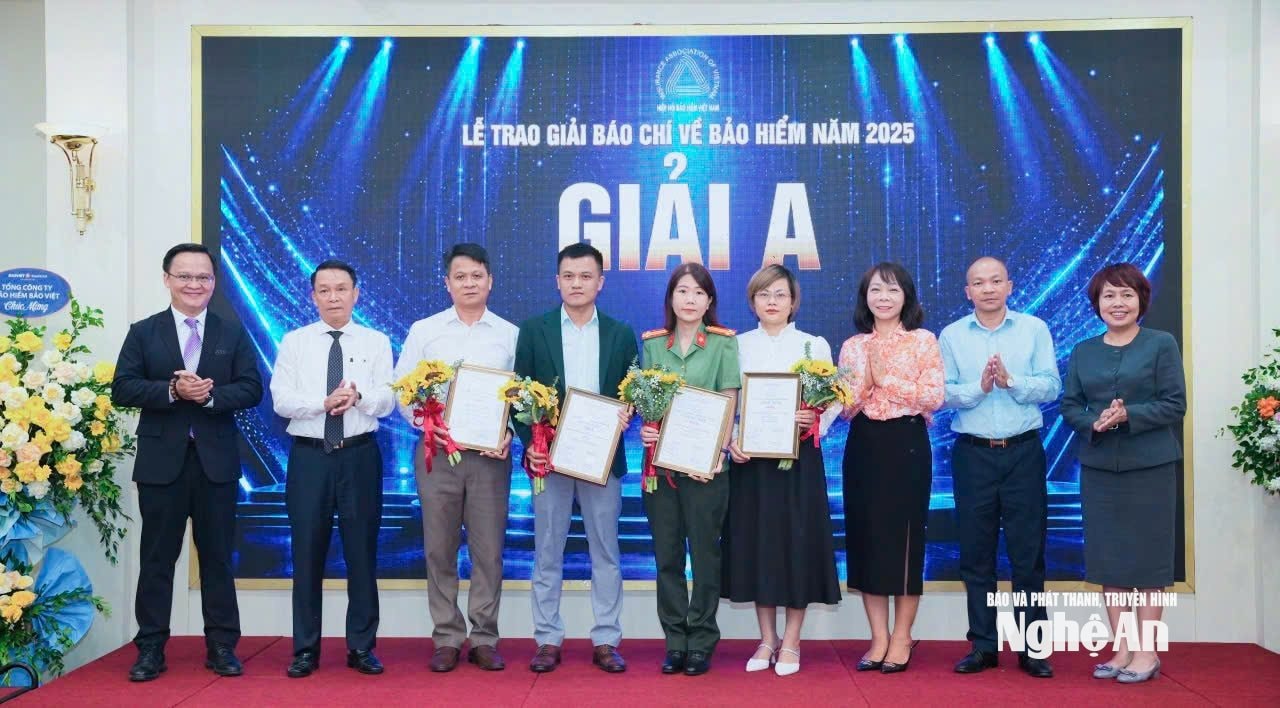
The diversity of awards has opened up more "professional playing fields" for journalists. But at the same time, it has also created immense competitive pressure, forcing each reporter and editor to invest more seriously in the subject matter, presentation methods, and depth of their work.
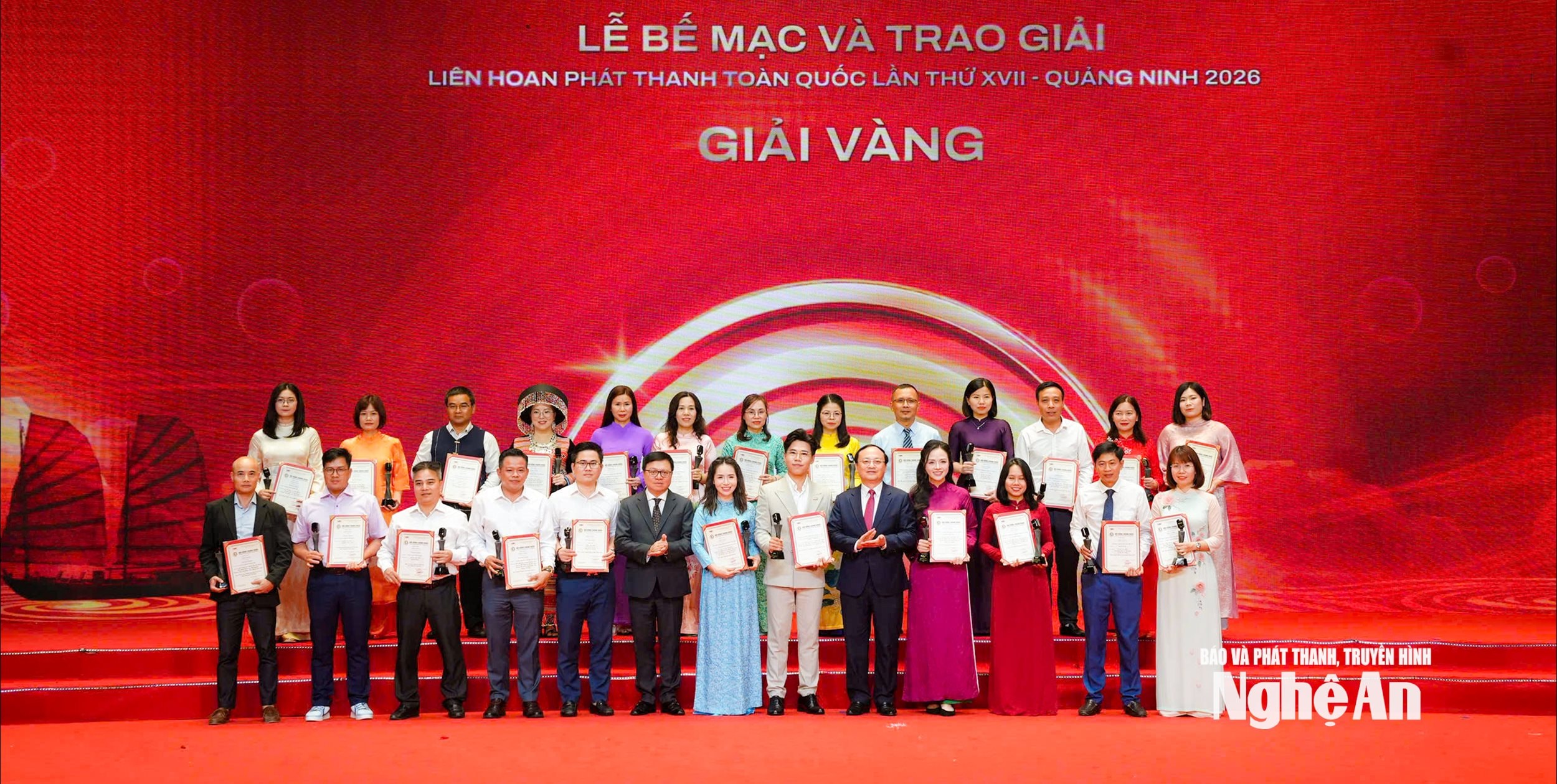
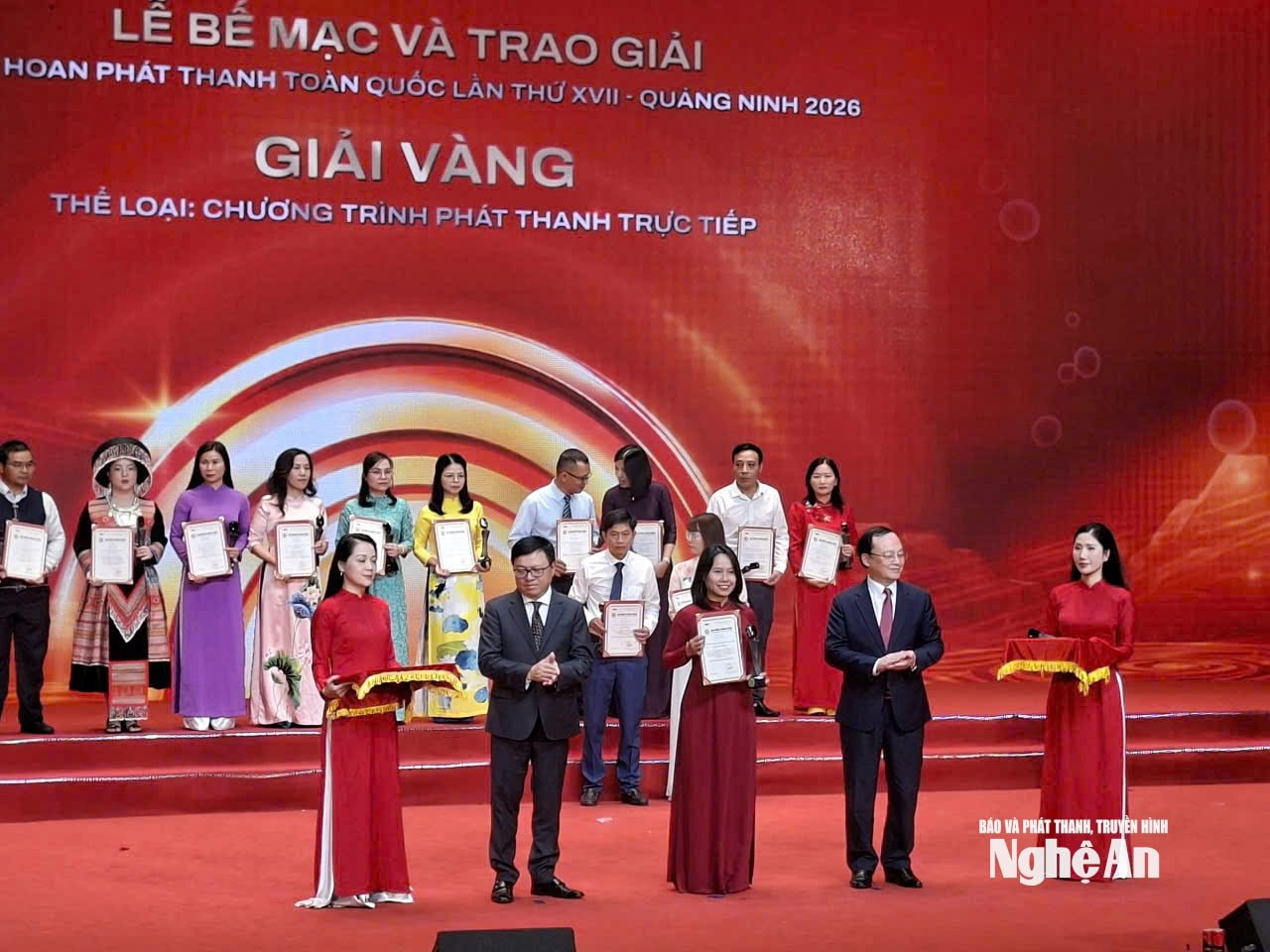
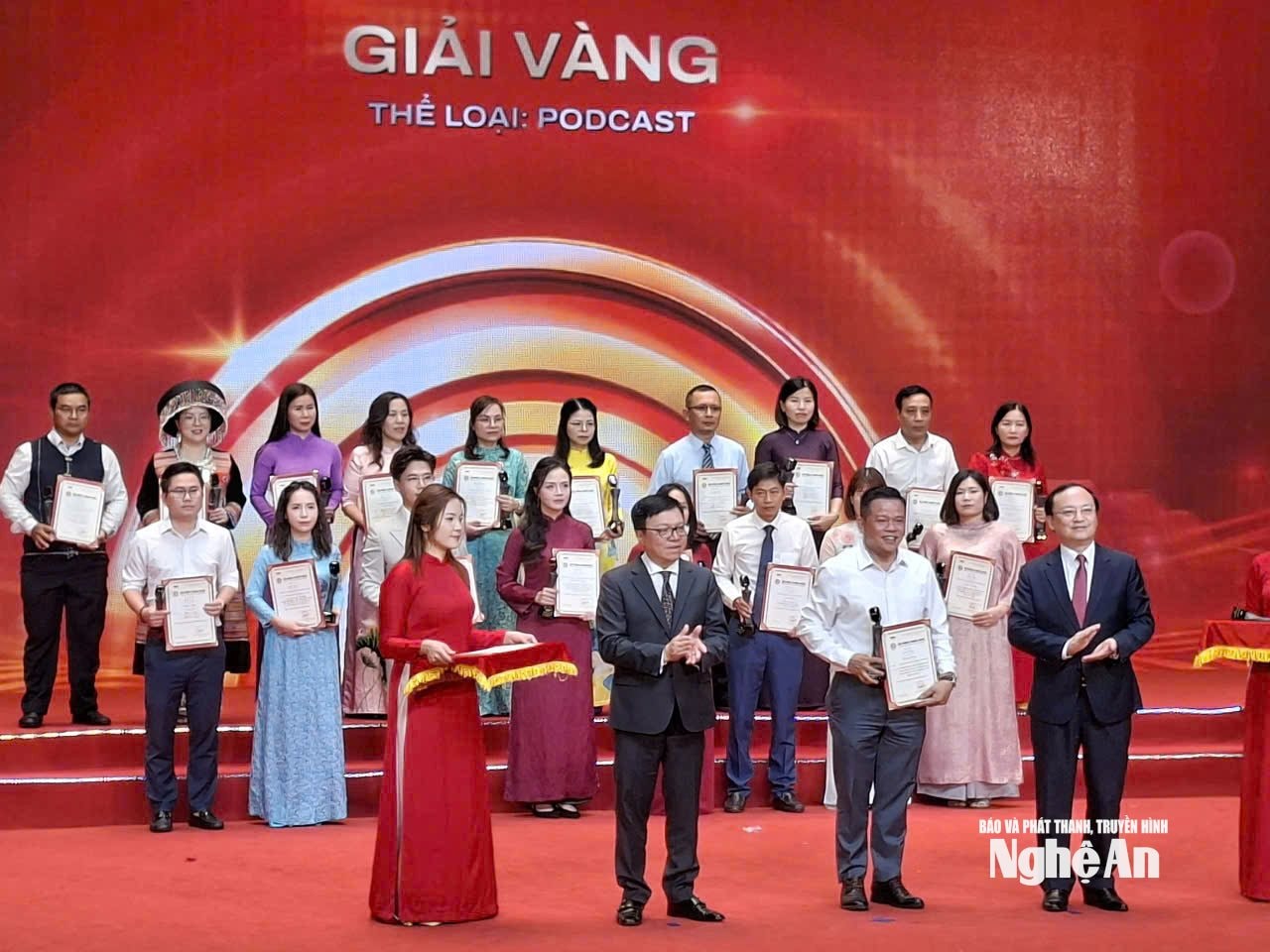
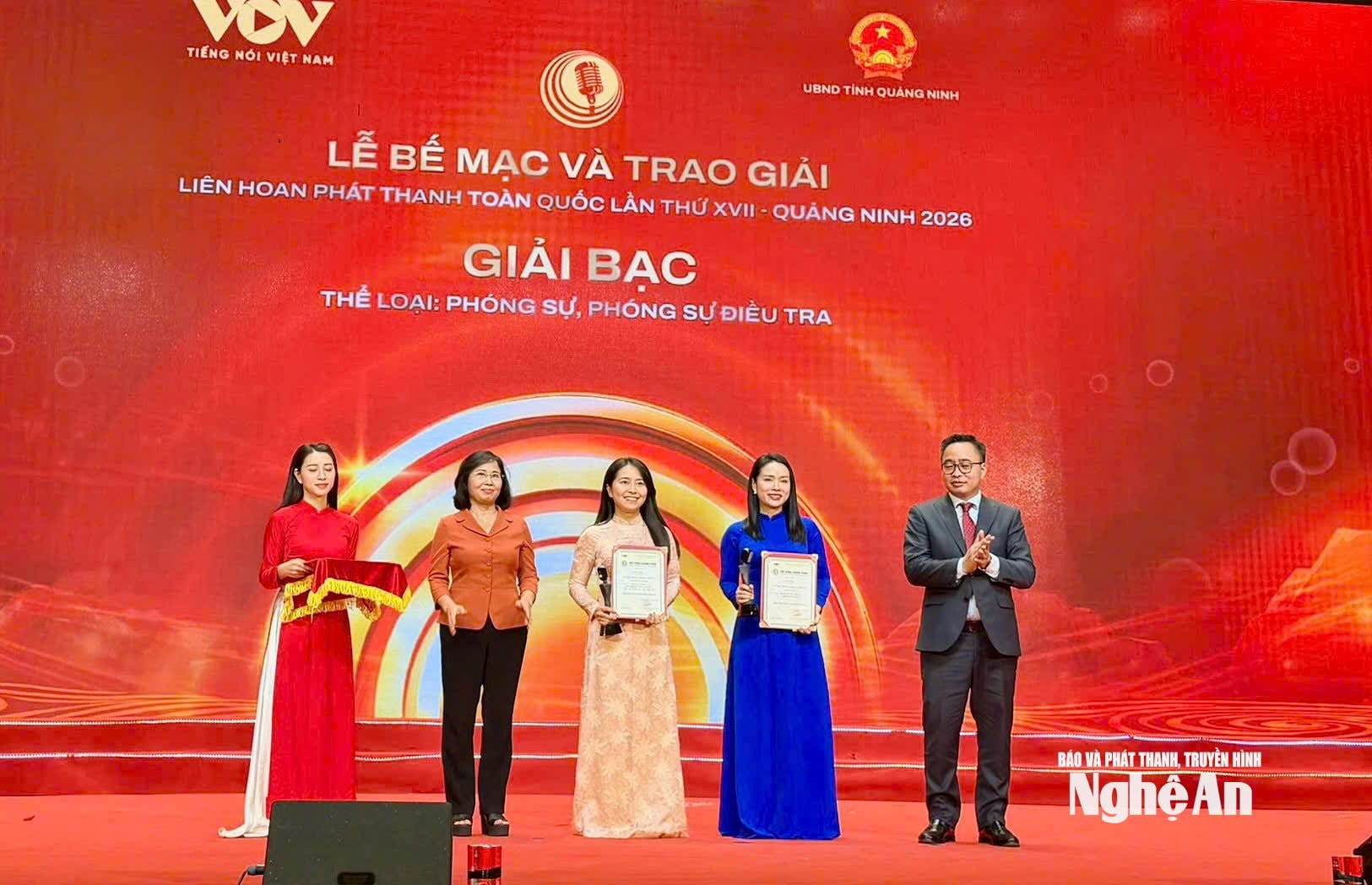
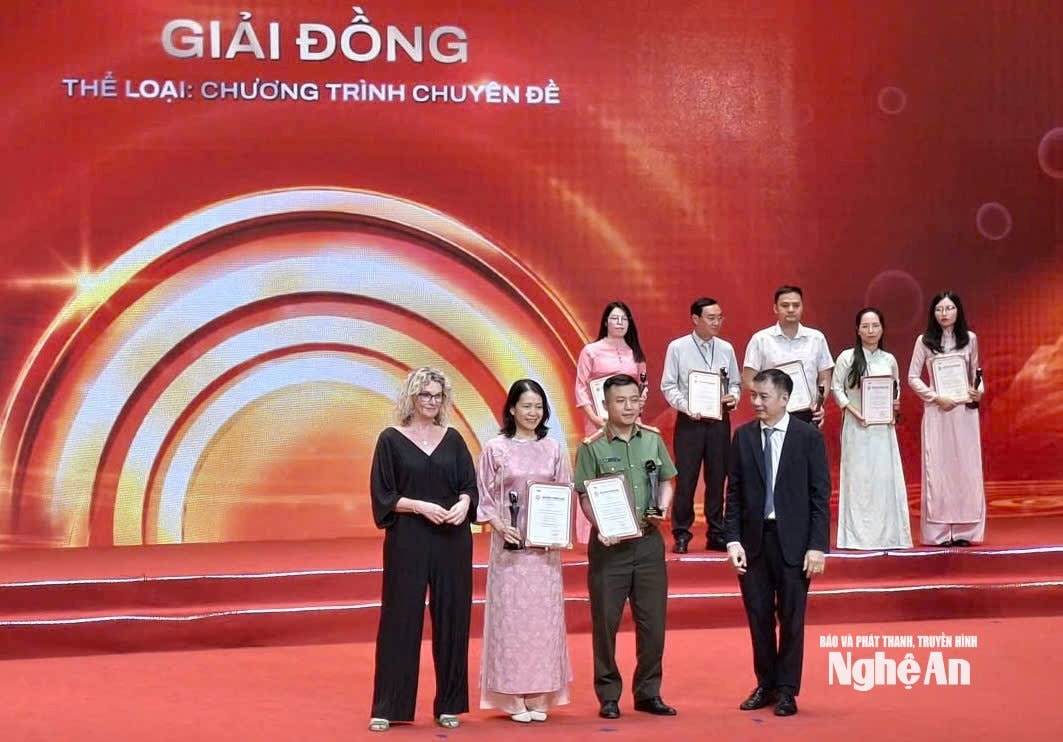
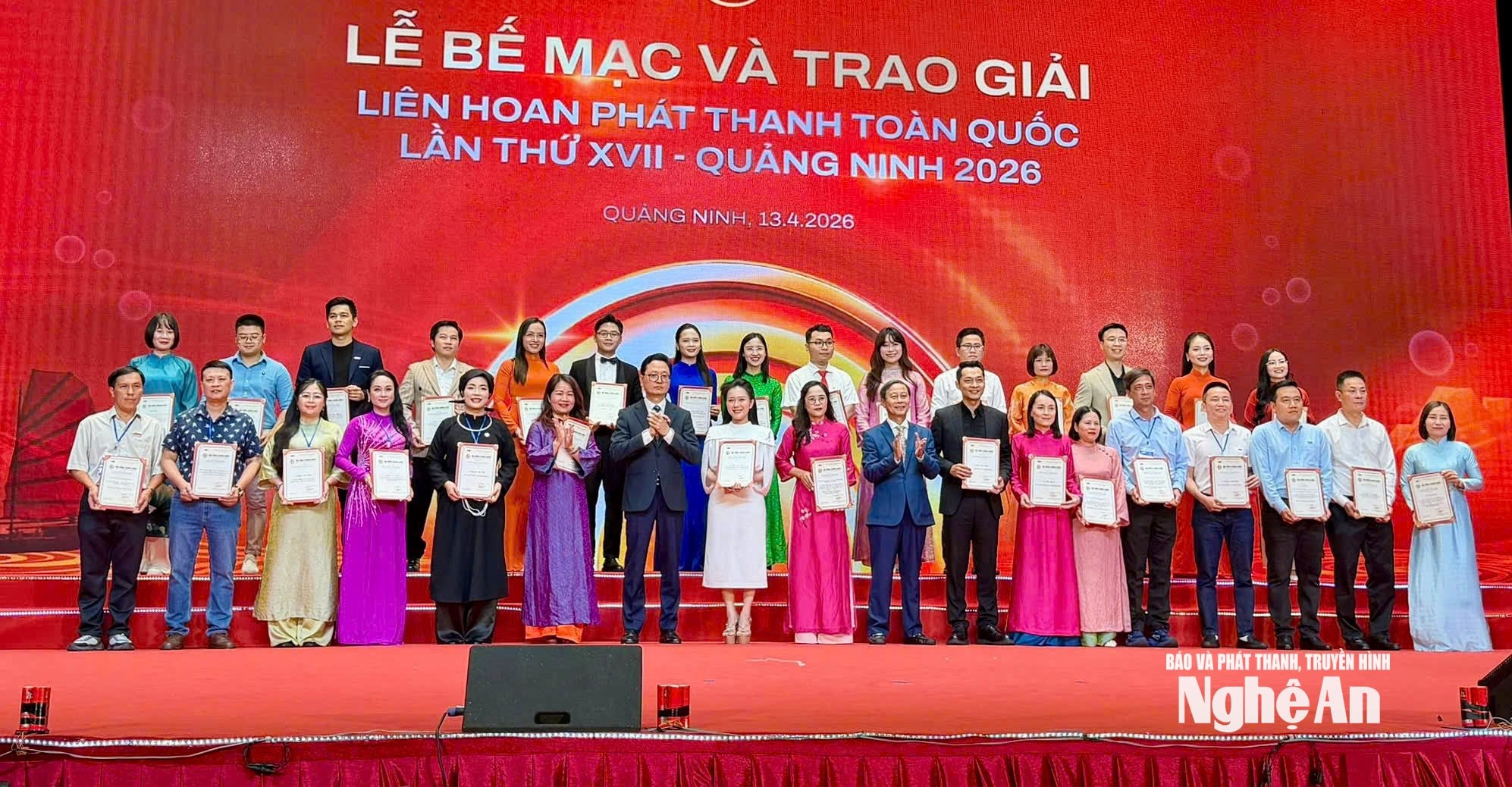
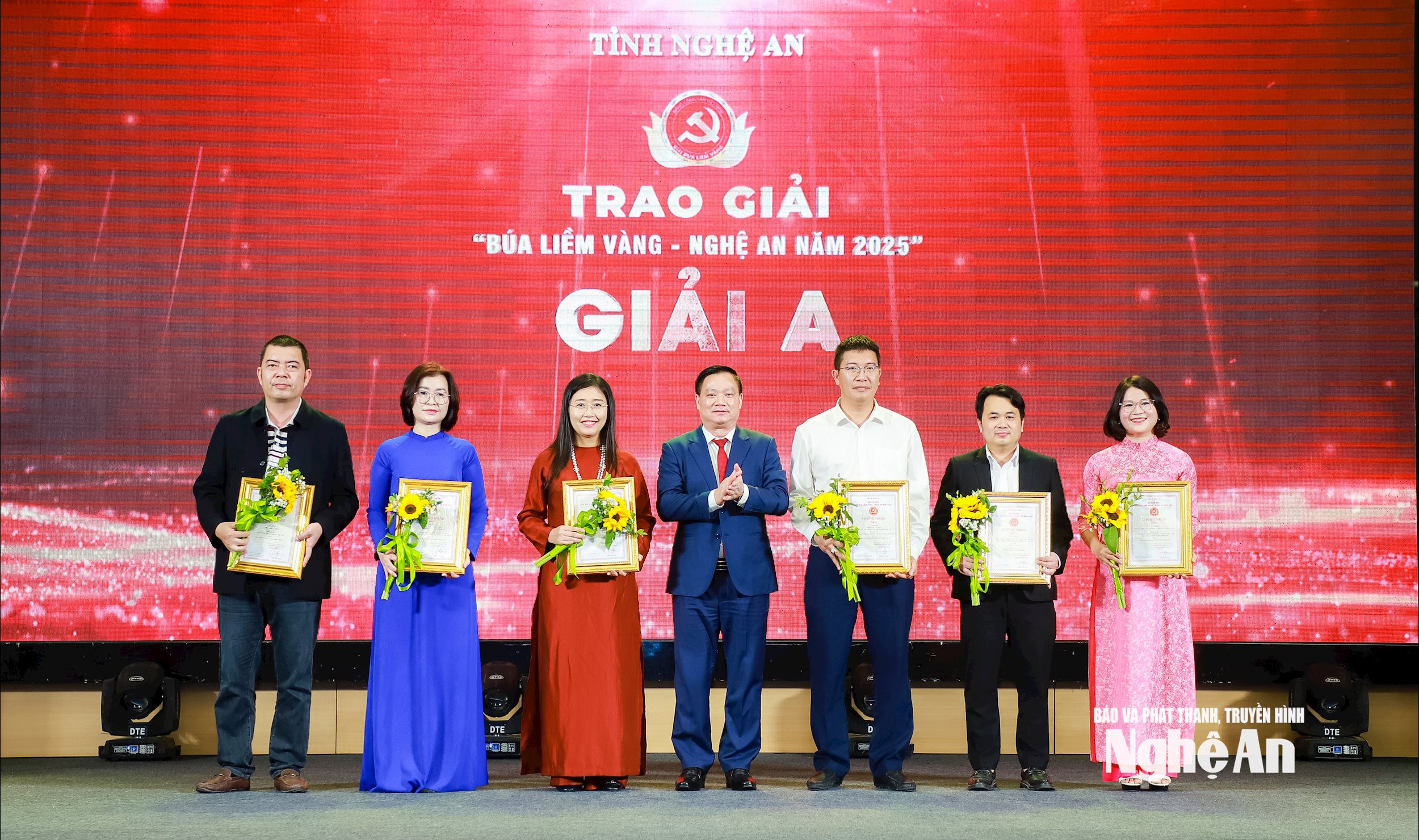
While the Nghe An Golden Hammer and Sickle Award received only 25 entries in 2017, this number increased to 56 in 2018; 125 in 2024; and 273 in 2025 after incorporating content on "Effective Mass Mobilization" and protecting the Party's ideological foundation. The Nghe An Journalism Award also saw a steady increase in entries over the years, reaching nearly 200 entries in various journalistic formats in some years. This increase reflects not only the appeal of the awards but also the strong development of local journalism in response to the increasingly high demands of the public. As the number of entries increases, so does the competition. This forces journalists to change their approach to topics, invest in in-depth content, and improve the quality of their work if they want their work to make an impact.

Having participated for many years in the Organizing Committee and Judging Panel of important provincial journalism awards, journalist Ho Thi Ngan - Standing Vice President of the Nghe An Journalists Association - assessed: "The quality of entries in recent years has made significant progress. The works are not only diverse in subject matter and genre but also closely follow reality, vividly reflecting the pulse of political, economic, and social life in the locality."
According to journalist Ho Thi Ngan, at the Golden Hammer and Sickle Award, many works have moved beyond the rigid style often seen in Party building topics to approach the subject from a real-life perspective, with specific stories and characters. Meanwhile, entries in the Nghe An Journalism Award have expanded their scope to reflect many major issues of the province. Many articles are meticulously researched, insightful, critical, and capable of suggesting policy changes. More notably, the competitive pressure from these awards is driving a strong innovation in journalistic practices.
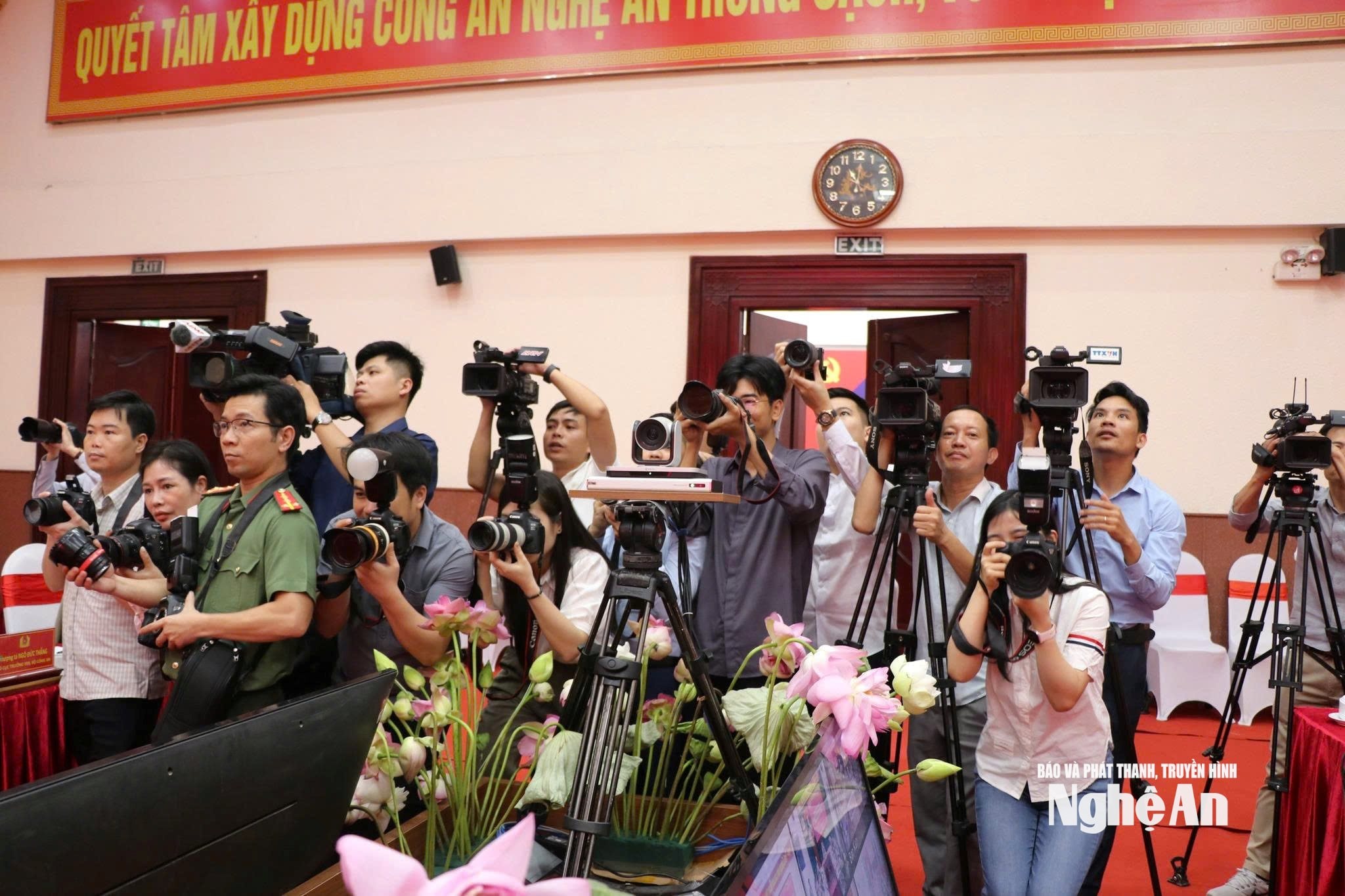
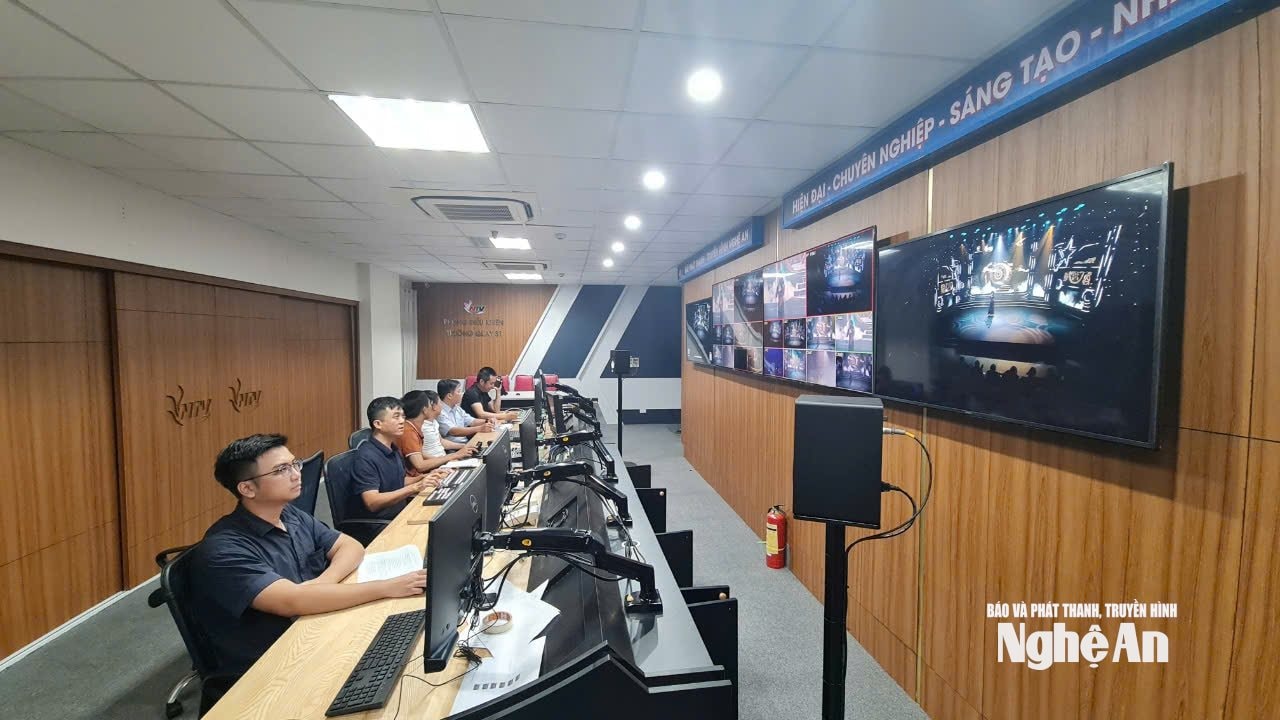
While previously most entries were traditional print or television reports, multimedia journalism has now become a prominent trend. Authors are investing in creating megastories, longforms, podcasts, interactive videos, data graphics, and multi-part documentaries; organizing panel discussions, livestreams, and online interviews; and combining data, images, drones, and AI to enhance the visual impact of their work.
Journalism competes not only on information but also on the experience it provides to the public. This clearly reflects the changing information needs of today's readers. The public no longer simply needs quick information; they demand visually engaging, multi-faceted, and in-depth analytical presentations. This forces journalists to constantly learn about technology, innovate their content production thinking, and improve their professional skills.
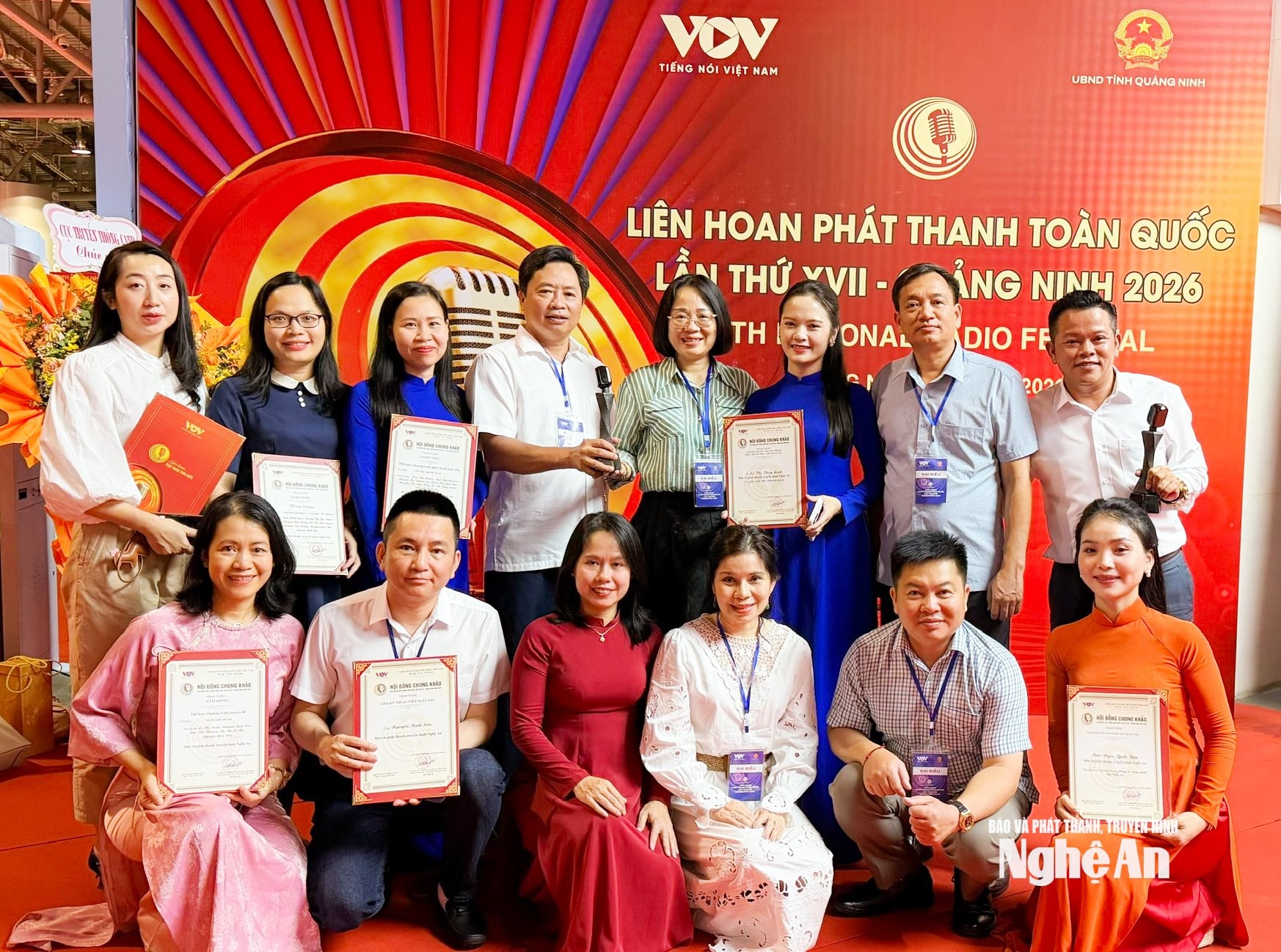
Not limited to the local level, Nghe An's press has also made a significant mark in recent years with numerous major national awards. Over the past five years, Nghe An has had 12 works win the National Journalism Award and 17 works win the National Golden Hammer and Sickle Award, along with hundreds of other specialized awards from central ministries and agencies. These results demonstrate the maturity in professional competence, journalistic ability, and competitiveness of the province's press corps.


Speaking at the 19th National Journalism Awards Ceremony, Comrade Le Quoc Minh, Member of the Central Committee of the Party, Deputy Head of the Central Propaganda and Mass Mobilization Department, Editor-in-Chief of Nhan Dan Newspaper, and President of the Vietnam Journalists Association, emphasized that the criteria for selecting and awarding prizes have always been consistent: “Winning works must be valuable works, meticulously and diligently researched; works that reflect the hard work and sweat of the reporters; investigative reports that serve as warnings, reflections that are constructive, and critiques that offer solutions.” He also stated that the National Journalism Awards Council increasingly values creative journalistic works that apply modern science and technology to increase their reach to the public. This is precisely the trend that modern journalism must adapt to.”
Today, social media, digital platforms, and artificial intelligence are fundamentally changing the media landscape. Information spreads faster, competition is more intense, and verification requirements are more stringent. In this context, mainstream journalism cannot simply compete on speed; it must differentiate itself through authenticity, depth of information, guidance, and social responsibility. Therefore, journalism awards are no longer merely places for "honor," but are becoming a driving force for journalists to continuously innovate themselves.

-155a168e07957114e96cb7ee04bbce44.jpg)
Speaking at the Nghe An Golden Hammer and Sickle Award Ceremony and meeting with press agencies at the beginning of 2026, Comrade Hoang Nghia Hieu, Standing Deputy Secretary of the Provincial Party Committee and Chairman of the Provincial People's Council of Nghe An, highly appreciated the role of the press in reflecting reality, spreading positive values, and accompanying the development of the province. He emphasized: "Press agencies and journalists throughout the province must truly be the leading flag, inspiring creativity, encouraging the spirit of innovation and the aspiration to contribute throughout society." This is not only an acknowledgment, but also a requirement for local press in the current period: They must continue to innovate to maintain their role in leading information, creating social consensus, and arousing the aspiration for development.

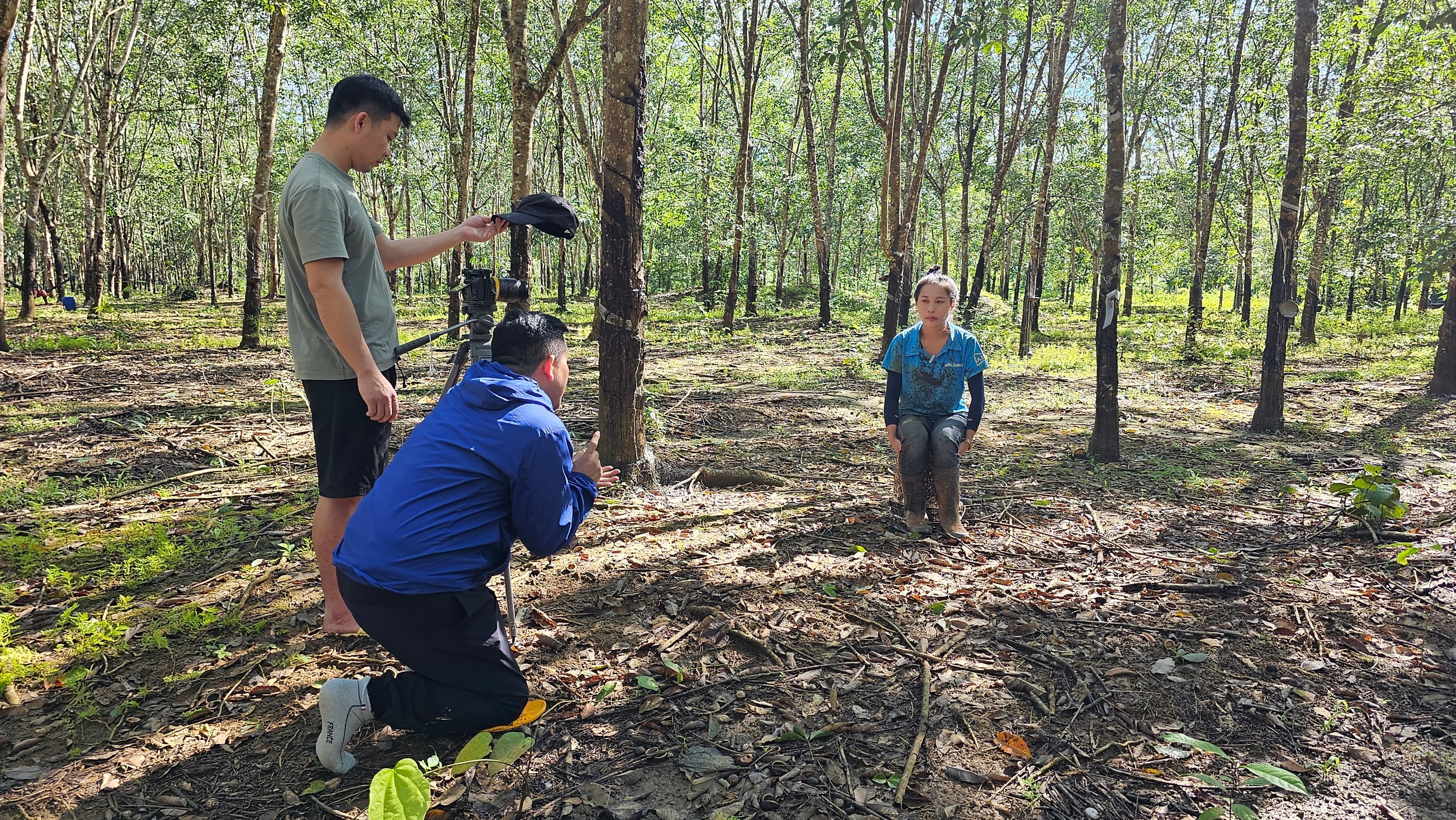
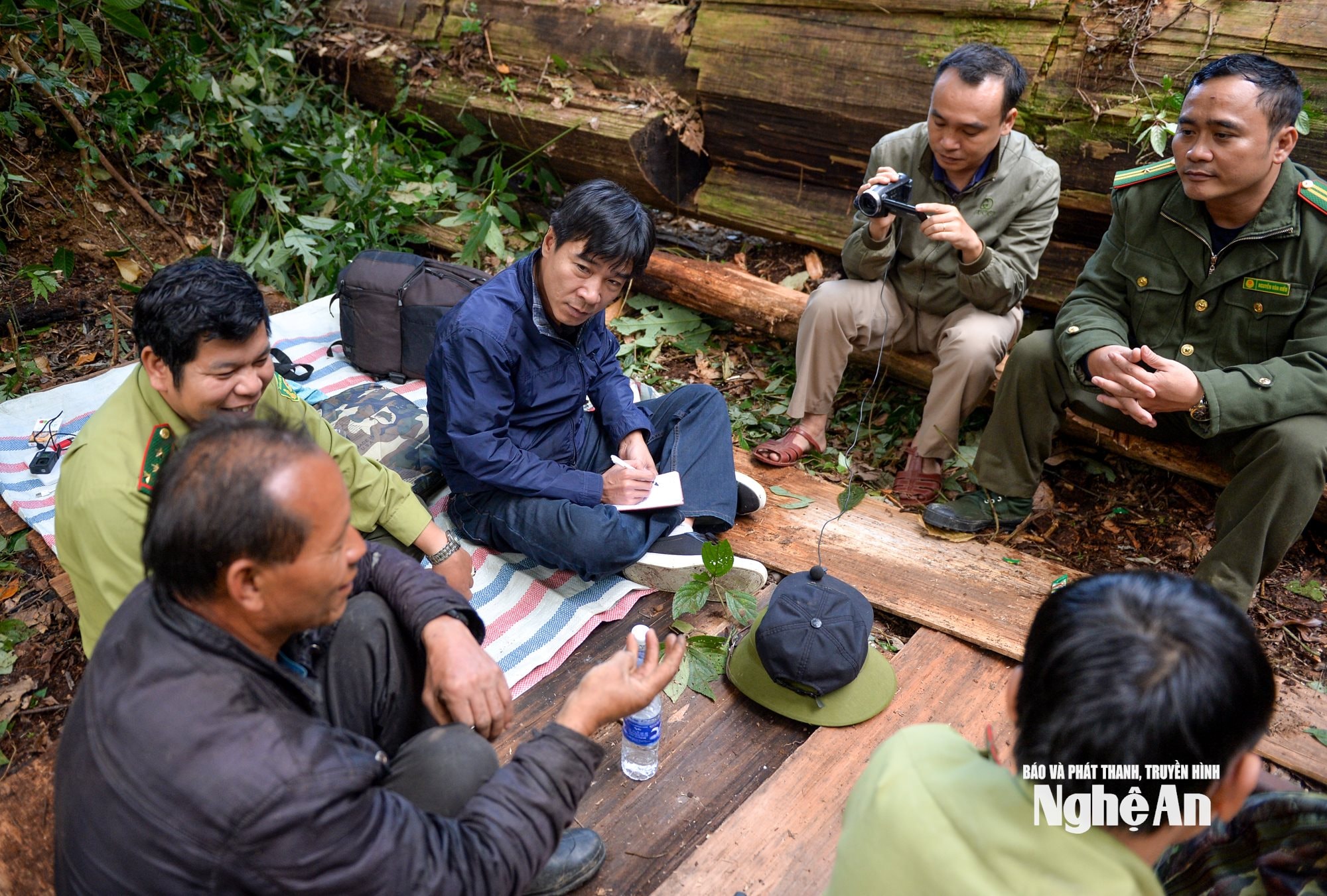
As a multimedia journalist at the Specialized Department of Nghe An Newspaper, Radio, and Television, Ngoc Dung can handle the entire production process of a work, from scriptwriting and filming to post-production. Many of his works have won high awards at national journalism competitions. According to journalist Ngoc Dung, "integrated journalism" is no longer a new concept but has become an essential requirement of modern journalism. In the digital age, journalists not only write and report news, but must master many skills to create a multi-sensory experience for the public – people today who not only "read" but also "watch," "listen," and "feel" information. With in-depth topics such as "Sedimentation in the Reservoir" or reports on "Addresses in Need of Assistance," it would be difficult to fully convey the emotions and weight of the story if only presented in written form. According to him, the ability to take photos, shoot videos, operate drones, do post-production, or apply AI to visualize data are becoming essential skills for modern journalists. These tools help transform dry information into vivid, emotionally rich stories that are more persuasive to the public.

According to journalist Ngoc Dung, to achieve this, journalists must constantly learn and adapt. But "integrated journalism" doesn't mean doing the work of technicians; rather, it's the integration of content thinking, visuals, and technology within a single workflow. As a result, the production of multimedia works becomes more streamlined, proactive, and flexible, from quality control to handling situations on location.
Despite being proficient in using various technologies to support his work, journalist Ngoc Dung believes that the worrying trend today is the overuse of technology in journalism. According to him, modern journalists must know how to apply technology, but technology cannot replace the thinking, integrity, and responsibility of a journalist. "Smart journalism is about using technology to increase the depth of content, not to replace content," he said.
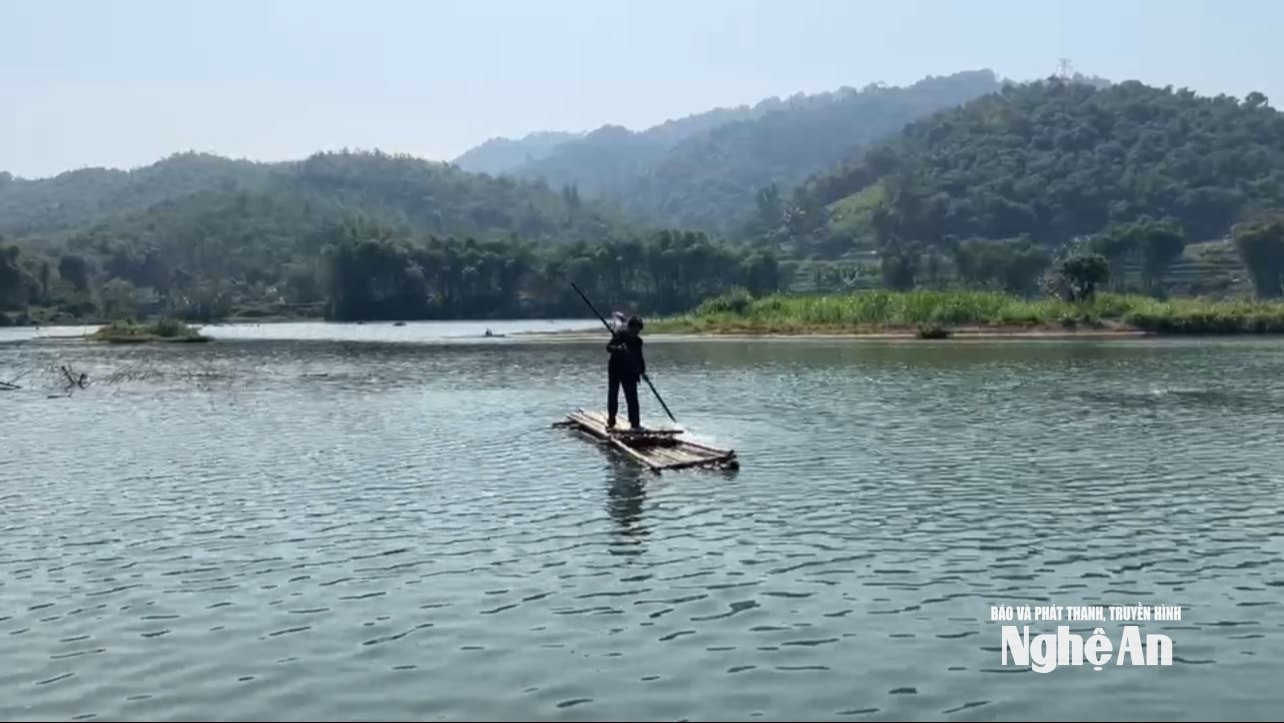


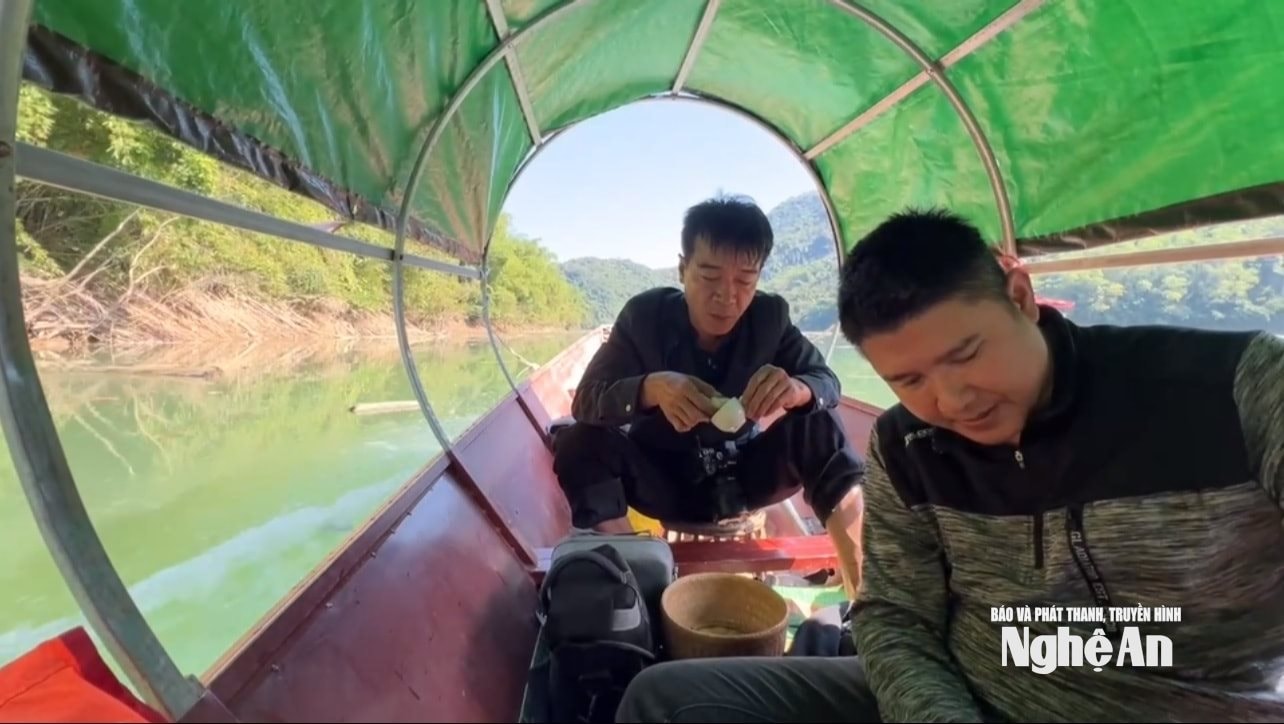
He cited the process of creating the documentary "The Danger of Being Submerged" about the sedimentation at hydroelectric reservoirs. Upon accessing data showing that the Khe Bo hydroelectric reservoir, after 11 years of operation, had accumulated 19.2 million cubic meters of sediment, accounting for nearly 20% of its capacity, the team used 3D technology combined with AI to visually simulate the extent of this danger. These vivid images helped the public better visualize the "danger" occurring beneath the reservoir. The work was subsequently highly praised at the Central Highlands and Central Coastal Region Journalism Awards, winning one first prize in print and one second prize in television.
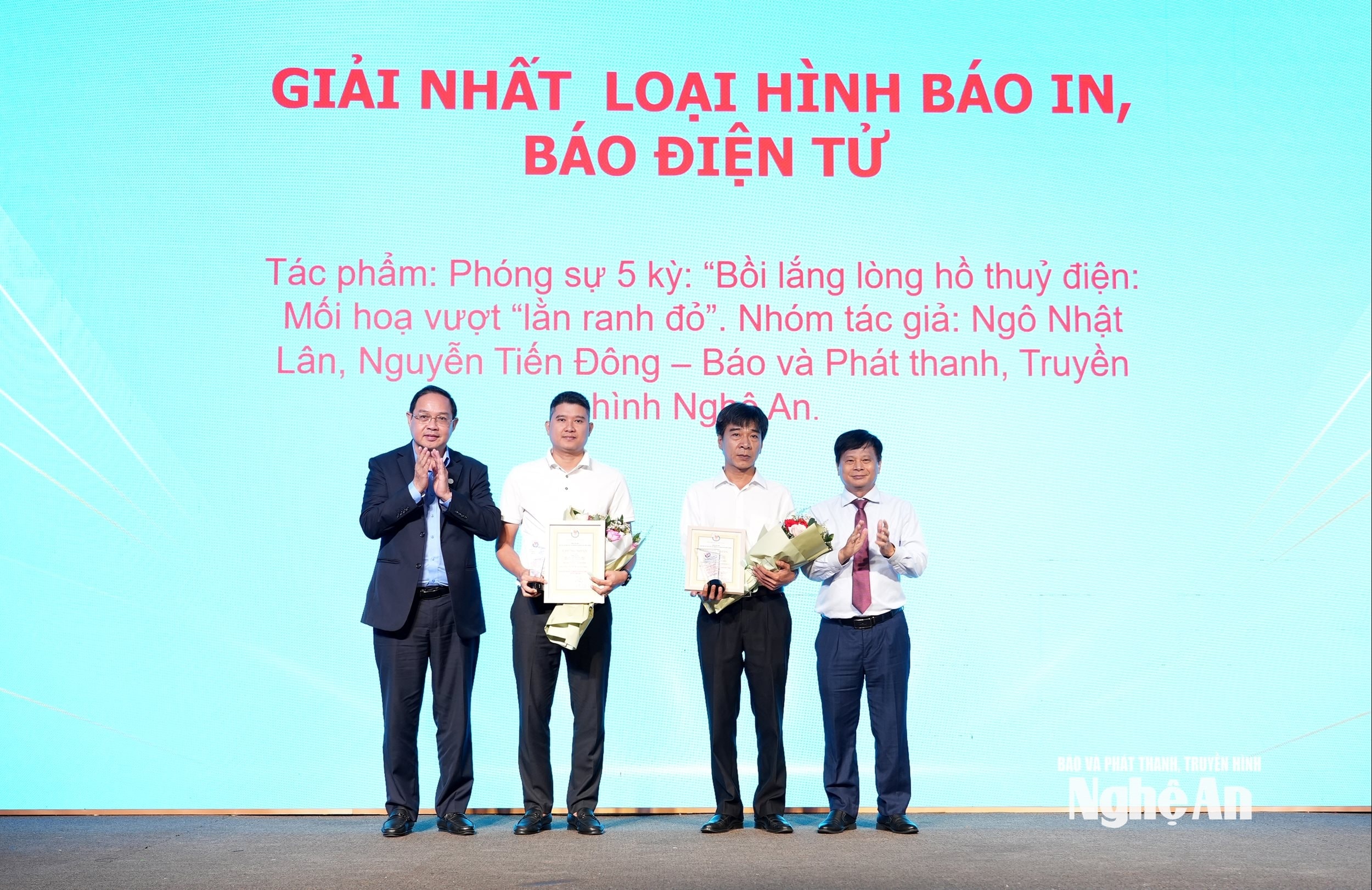
However, for journalist Ngoc Dung, the greatest value lies not in the award itself, but in how technology has helped the story reach the awareness of the community and policymakers. "Technology may change, tools may be upgraded, but the honest and humane mission of a writer cannot be replaced by any algorithm," he shared.
This is precisely the requirement that General Secretary and President To Lam particularly emphasized for revolutionary journalism in the digital age. At the ceremony commemorating the 100th anniversary of Vietnamese revolutionary journalism, the General Secretary affirmed that journalism must "constantly renew itself to develop in proportion to the stature of the times," and journalists must "be truly professional, skilled in their expertise and profession," while also "constantly learning, honing their skills, and integrating modern technology." But above all, under all circumstances, they must "place political responsibility, social responsibility, and professional ethics above all else," so that each journalistic work always ensures accuracy, objectivity, honesty, and humanity.

In the digital age, technology can help journalism go faster, further, and reach the public more effectively. But the core values of journalism still lie in truth, humanity, social responsibility, and the professional integrity of the writer.
Ultimately, what gives journalism its vitality is not just modern technology or attractive presentation, but its ability to touch the hearts, minds, and beliefs of the public. And it is precisely from the pressure of innovation today that Nghe An's journalism is gradually transforming itself, becoming more professional and modern, to continue maintaining its role as a leading force on the ideological and cultural front in the new era.