
From the nuclear field to APEC: Where does the US role end?
With President Donald Trump announcing the resumption of nuclear weapons testing after three decades, the US risks undermining the foundations of global nuclear security. Meanwhile, leaders of Pacific nations and territories are gathering in South Korea for a crucial APEC summit.
Is the US reviving the "nuclear specter"?
President Donald Trump last week instructed the Pentagon to begin nuclear weapons testing, citing the need to "maintain a balance of power" against other major powers. He asserted, "We have more weapons than anyone else. But while other countries are conducting tests, the United States is not. I think it's time we did that."
This statement immediately sparked controversy among arms control experts. According to Darrell Kimball, CEO of the Arms Control Association (ACA), the US “has no technical, military, or political basis to resume nuclear testing.” He emphasized that almost every country in the world has been a signatory to the Comprehensive Nuclear Test Ban Treaty (CTBT) since 1996 – a document that Washington is also obligated to abide by, even though it has not officially ratified it.
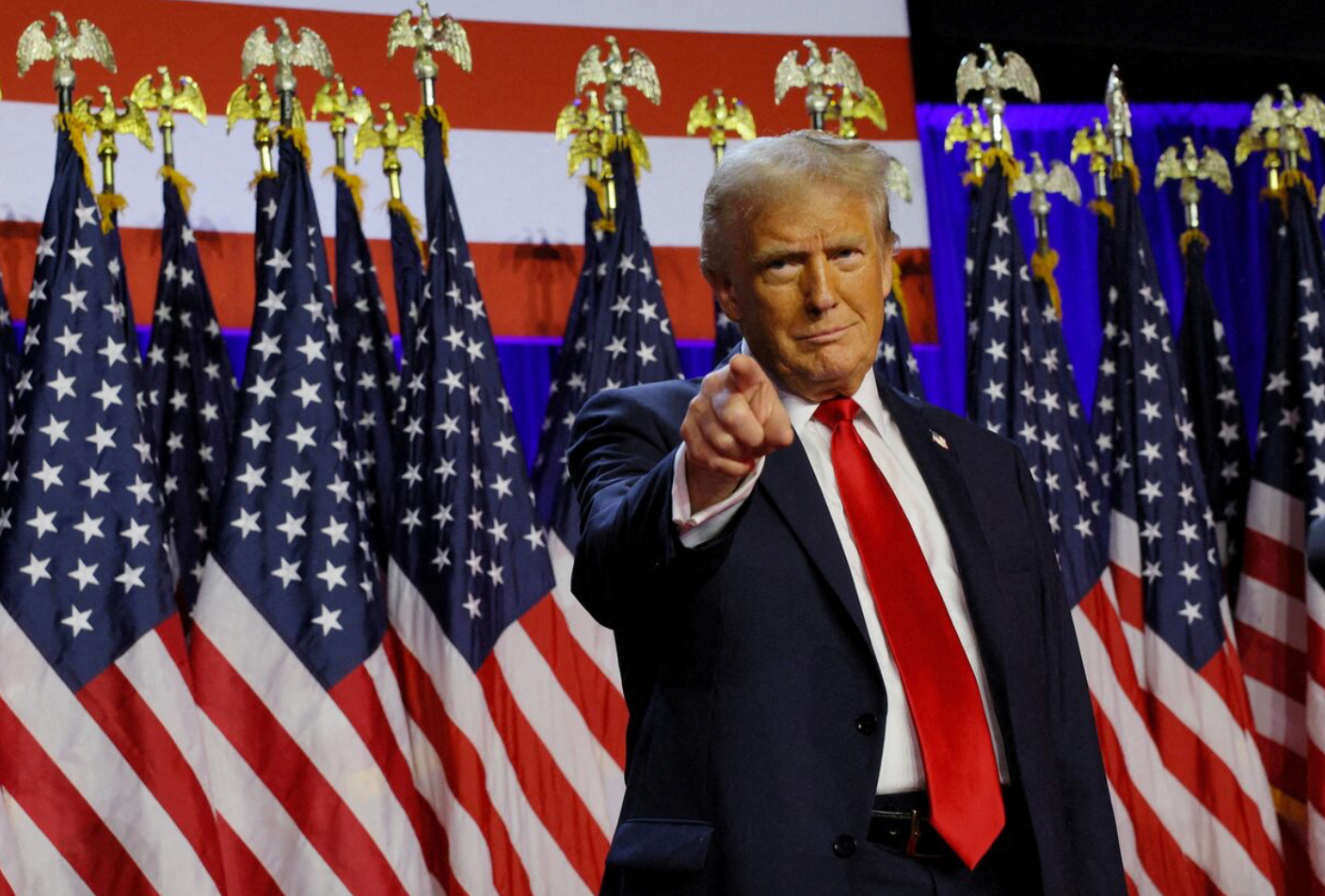
However, the idea of resuming nuclear weapons testing is not accidental. Previously, former Trump national security advisor Robert O'Brien published an article in Foreign Affairs arguing that the U.S. “needs to restart testing,” as international dialogue on arms control was reaching a deadlock. Despite strong public opposition, O'Brien still received considerable support.
One of them is Robert Peters, a strategic deterrence expert at the Heritage Foundation. He argues that the US resuming nuclear testing would be a "necessary deterrent" to prevent rivals like Russia or China from "engaging in blatant acts." According to Peters, this would also send a message that using nuclear threats to pressure Washington is futile.
Notably, Russia is also voicing similar opinions. Leading political scholar Sergei Karaganov, who has repeatedly advised the Kremlin, suggests that Moscow should consider resuming nuclear weapons testing as part of a strategy to “enhance national security” amid escalating confrontation with the West.
During the Valdai Discussion Club's plenary session in October, President Vladimir Putin also sent a strong signal: "We are closely monitoring the testing plans of other countries. If they act, Russia will respond accordingly."
Resuming nuclear testing could offer strategic technological and political advantages, but it also puts the world at risk of a resurgence of a global nuclear arms race.
It is noteworthy that President Donald Trump's statement came shortly after Russia announced it had completed tests of two highly sensitive strategic weapons projects: the Burevestnik cruise missile and the Poseidon unmanned submarine – two symbols of Moscow's next-generation nuclear deterrence capabilities.
Responding to the move from Washington, Kremlin spokesman Dmitry Peskov emphasized: "We hope President Trump has been provided with accurate information, as these were absolutely not nuclear tests."
Many experts believe President Trump's statement is more of a political maneuver than a genuine military decision. According to Andrei Klimov, a member of the Russian Council on Foreign and Defense Policy, this move reflects Trump's attempt to project an image of strong leadership ahead of the midterm congressional elections.
Klimov also reiterated that speculation about the US preparing for a nuclear test has been circulating for a long time, and this stems from two main reasons: First, the US nuclear arsenal is somewhat outdated, while rivals like Russia and China are constantly modernizing. Second, Washington's weakening global position in the context of a gradually emerging multipolar world order. According to the expert, these factors are what make hawkish factions in the US want to "wield the nuclear stick again" - both to deter and to exert pressure on the international stage.
From another perspective, experts believe that Trump's second motive was a direct reaction to Russia's advances in nuclear deterrence. According to Russian military expert Alexei Anpilogov, the White House's statement was merely "an expression of unhealthy competition," stemming from the US feeling challenged by Moscow's achievements. Anpilogov recalled that after Russia tested the Burevestnik missile, President Trump boasted about the "world's best nuclear submarine" belonging to the US operating near Russian waters; and when Russia announced the successful testing of the Poseidon device, Trump immediately shifted the topic to US nuclear testing.
Notably, no country currently conducts nuclear tests in the traditional manner. Despite the Comprehensive Nuclear Test Ban Treaty, all nuclear powers are tacitly adhering to a "global moratorium," only conducting computer-simulated tests in underground laboratories.
Therefore, the US intention to conduct a "real nuclear test" could become a direct blow to the foundations of the international arms control order – a turning point that could trigger a nuclear arms race 2.0.
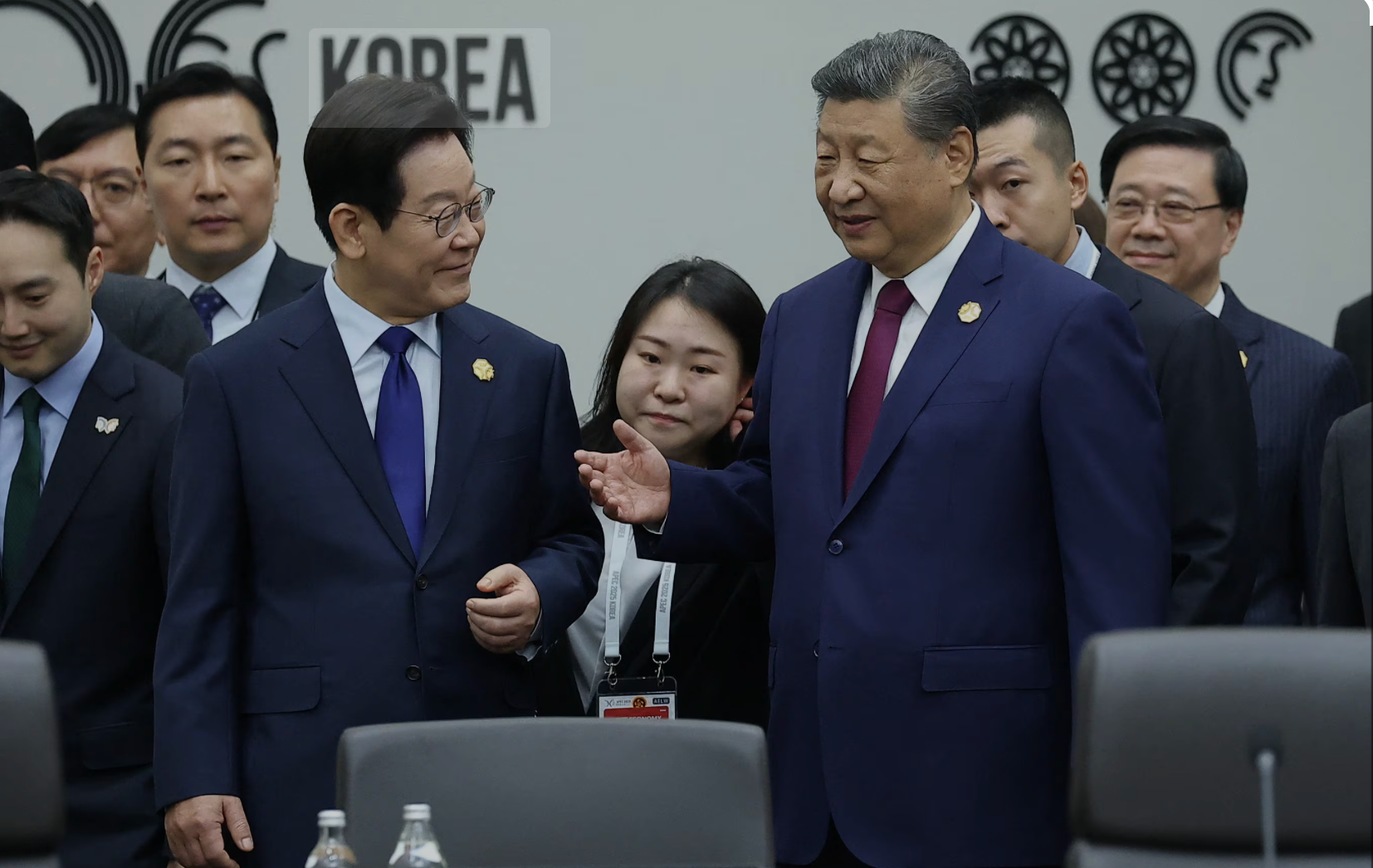
Chinese leader stands out at APEC.
President Trump's decision not to attend the annual Asia-Pacific Economic Cooperation (APEC) summit left him absent from one of the planet's most important diplomatic and economic stages, bringing together 21 economies that account for more than half of global trade. The void left by Trump immediately became an opportunity for Beijing to step into the center of the forum. President Xi Jinping became the focal point of the summit, scheduling a series of high-level bilateral meetings – from Japanese Prime Minister Sanae Takaichi to Canadian Prime Minister Mark Carney – thereby consolidating China's leadership role in the region.
In his opening address, President Xi Jinping skillfully seized the opportunity to formulate a message that contrasted with President Trump's "America First" policy. He presented a five-point proposal to promote economic globalization, aiming for mutual benefit and inclusiveness, calling for "unity and cooperation among the 21 Pacific Rim economies," and emphasizing that the world is facing "unprecedented upheavals in the past century." "The more turbulent the times, the more we must stand together," Xi stated, before asserting that "China's open door will never close; it will only open wider."
President Xi noted that over the past 30 years since its founding, APEC has led the region to a leading position in global open development, and has made the Asia-Pacific region the most dynamic part of the global economy.
This message, while diplomatically nuanced, carries a profound strategic significance: China appears to be positioning itself as a protector of the global trade order, in contrast to Washington's policy of withdrawal and confrontation.
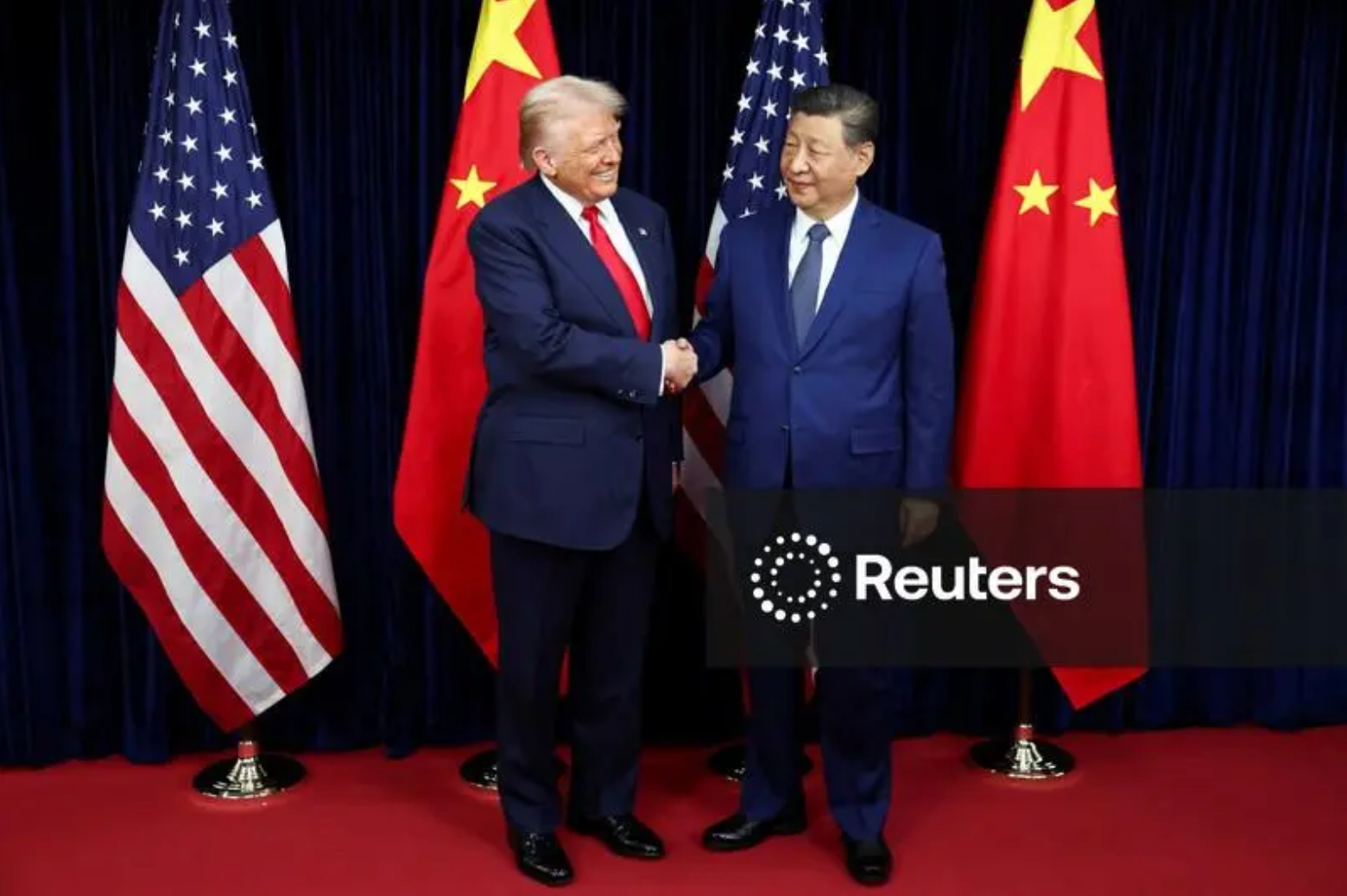
Furthermore, the meeting between the US and Chinese leaders in Busan, South Korea, attracted significant global attention. Observers widely regarded the meeting as a "milestone" in US-China relations, helping to "stabilize global trade sentiment and expectations, thereby easing global supply chains and demand."
This was a crucial strategic exchange held at a pivotal moment in Sino-American relations. The one-hour and 40-minute meeting yielded positive results and reached important consensuses, with profound significance for both China and the United States, as well as the entire world.
The meeting not only addressed specific concerns of both sides but also reaffirmed, at a strategic level, how Beijing and Washington should cooperate. The discussions provided new direction and momentum for the stable development of bilateral relations, while reinforcing the world's shared expectations for greater stability in Sino-US relations. As President Xi Jinping profoundly stated during the meeting, "China and the United States should be partners and friends. This is what history has taught us and what reality demands."


