
From deer antler velvet from Quynh land to OCOP products
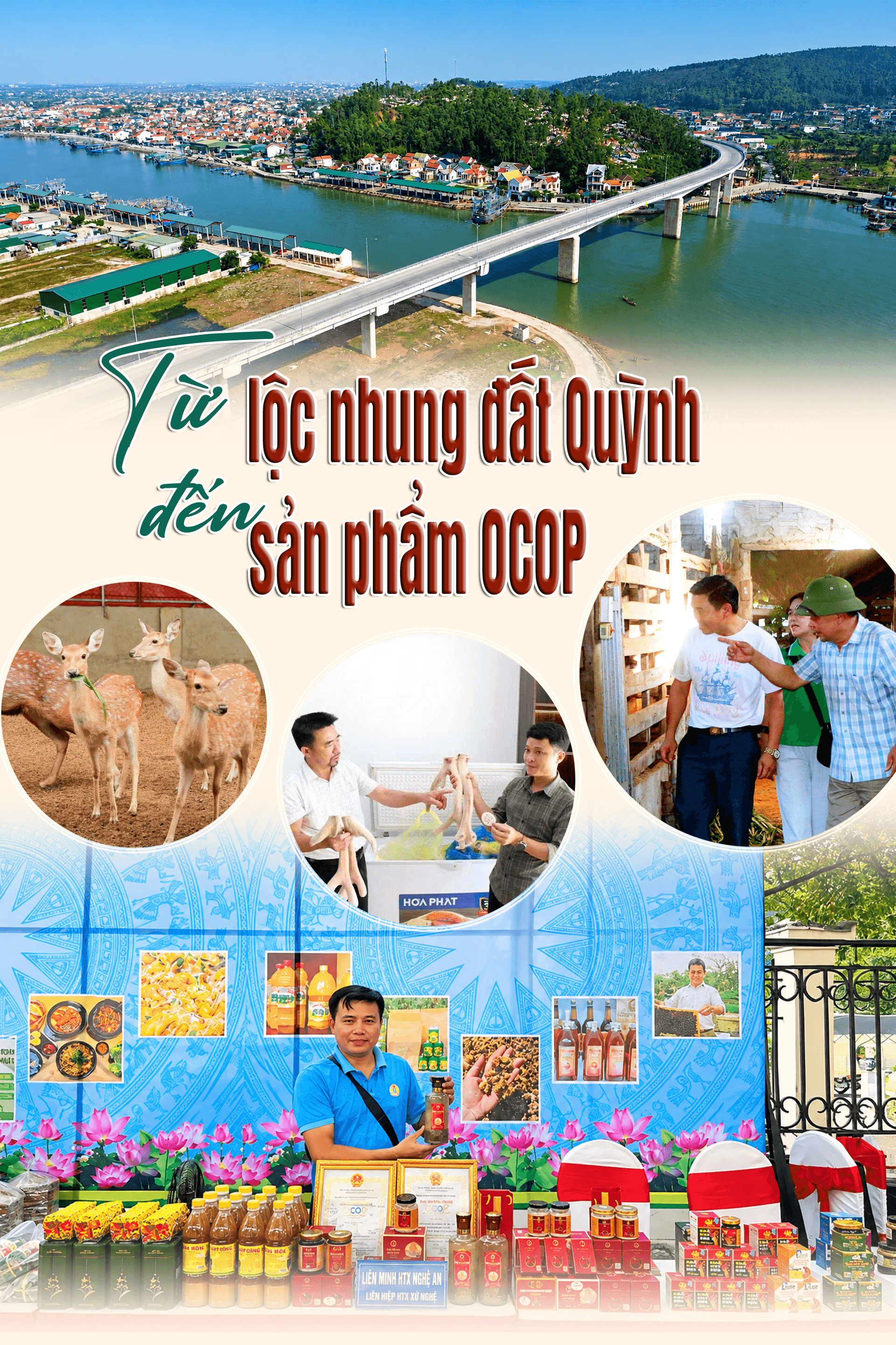
Starting from deer farms, the people of Quynh Anh commune are gradually increasing the value of deer antlers through production linkages, deep processing, and experiential tourism. This not only generates hundreds of millions of dong in annual income for many households but also opens up prospects for developing a distinctive local agricultural product.
Hoai Thu - Khanh Ly/Present: Hong Toai •24/10/2026
*****
Starting from deer farms, the people of Quynh Anh commune are gradually increasing the value of deer antlers through production linkages, deep processing, and experiential tourism. This not only generates hundreds of millions of dong in annual income for many households but also opens up prospects for developing a distinctive local agricultural product.
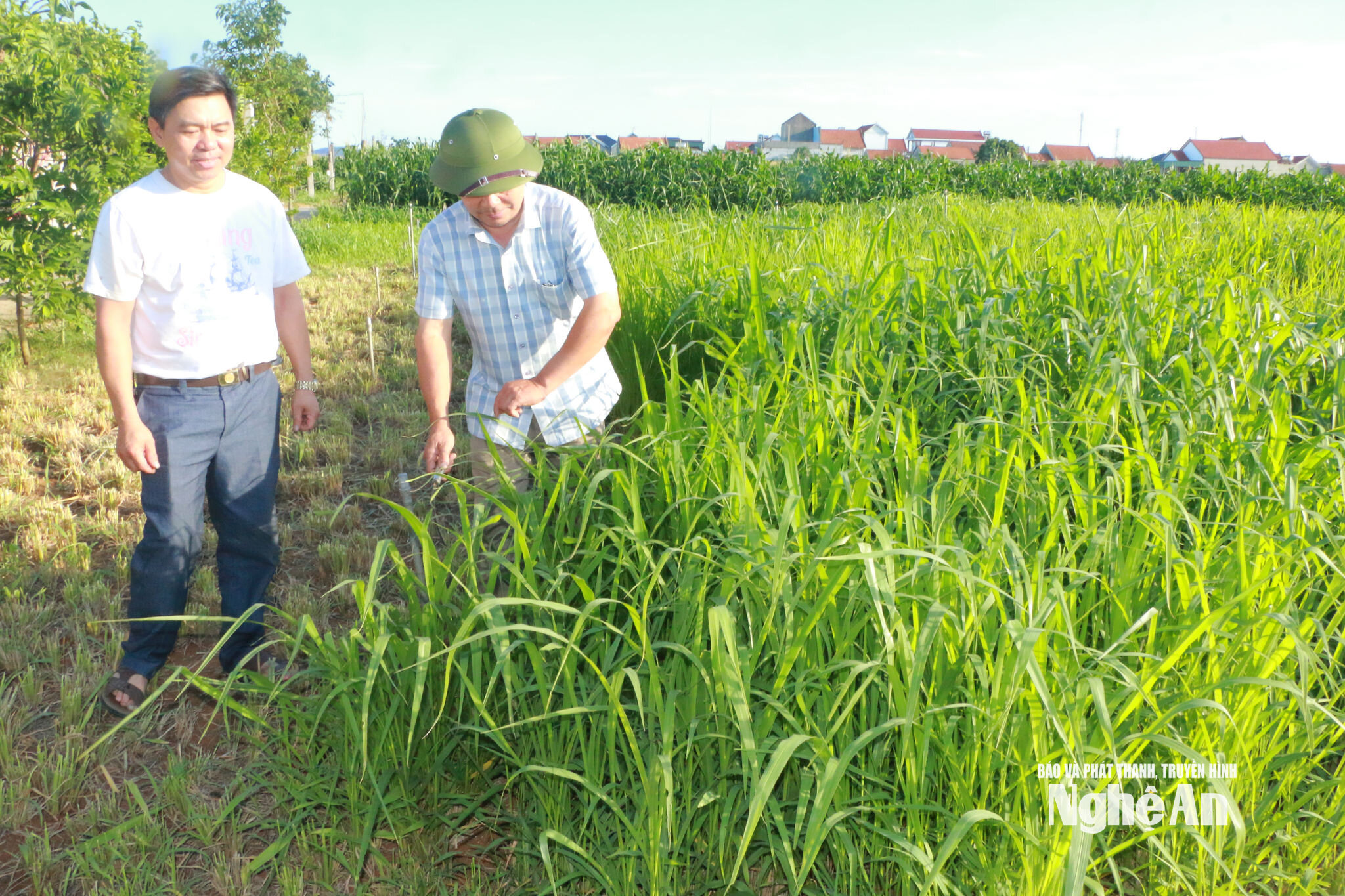
While the morning mist still lingered, Mr. Ho Ba Thuong, Director of the Deer Farming Cooperative in Quynh Anh commune, went out to the fields with his workers to cut grass.
Bundles of fresh grass, young corn stalks, and green vegetables are gradually brought to the farm, in preparation for the deer's meal.
According to Mr. Thuong, to obtain high-quality antlers, one must first care for the deer herd with meticulousness and perseverance.
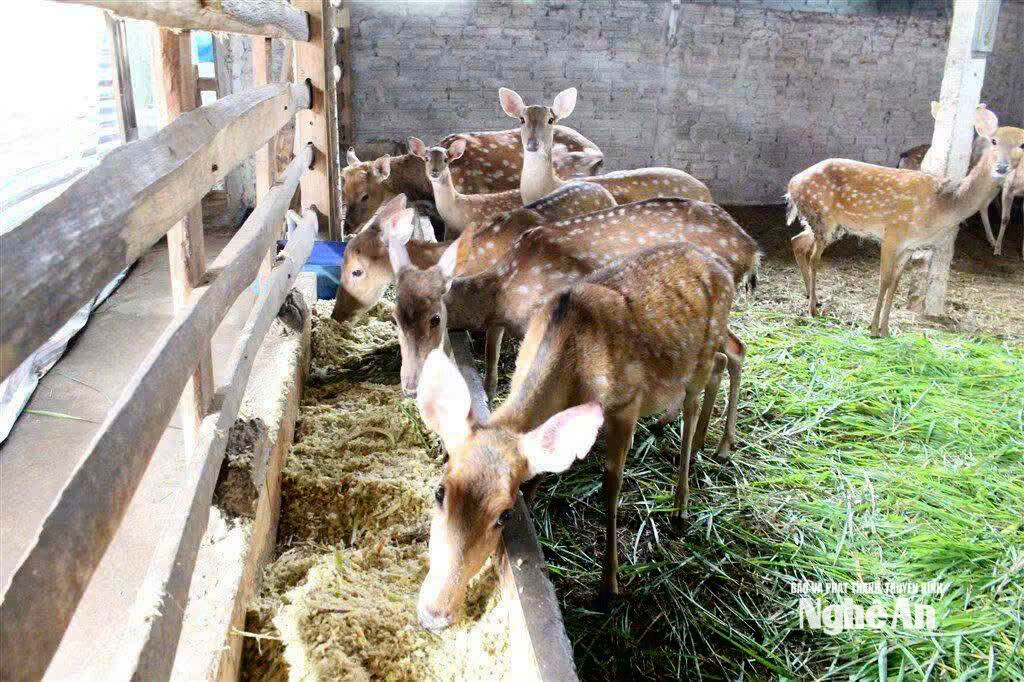
In the clean enclosure, the deer, with their glossy coats, leisurely await their food. The breeders divide the grass and greens into troughs, while observing the animals' behavior to adjust their rations accordingly.
Few people know that before dedicating himself to deer farming, Mr. Thuong had traveled extensively and worked various jobs. In 2018, he decided to return to his hometown and invest in building a deer farm on an area of approximately 2,000 square meters.
From just a few dozen deer initially, his farm gradually expanded, and now has over 100 deer. Their main food consists of elephant grass, young corn stalks, jackfruit leaves, fig leaves, green bananas, and other suitable vegetables and leaves. Some medicinal herbs are also added to their diet based on the breeder's experience.
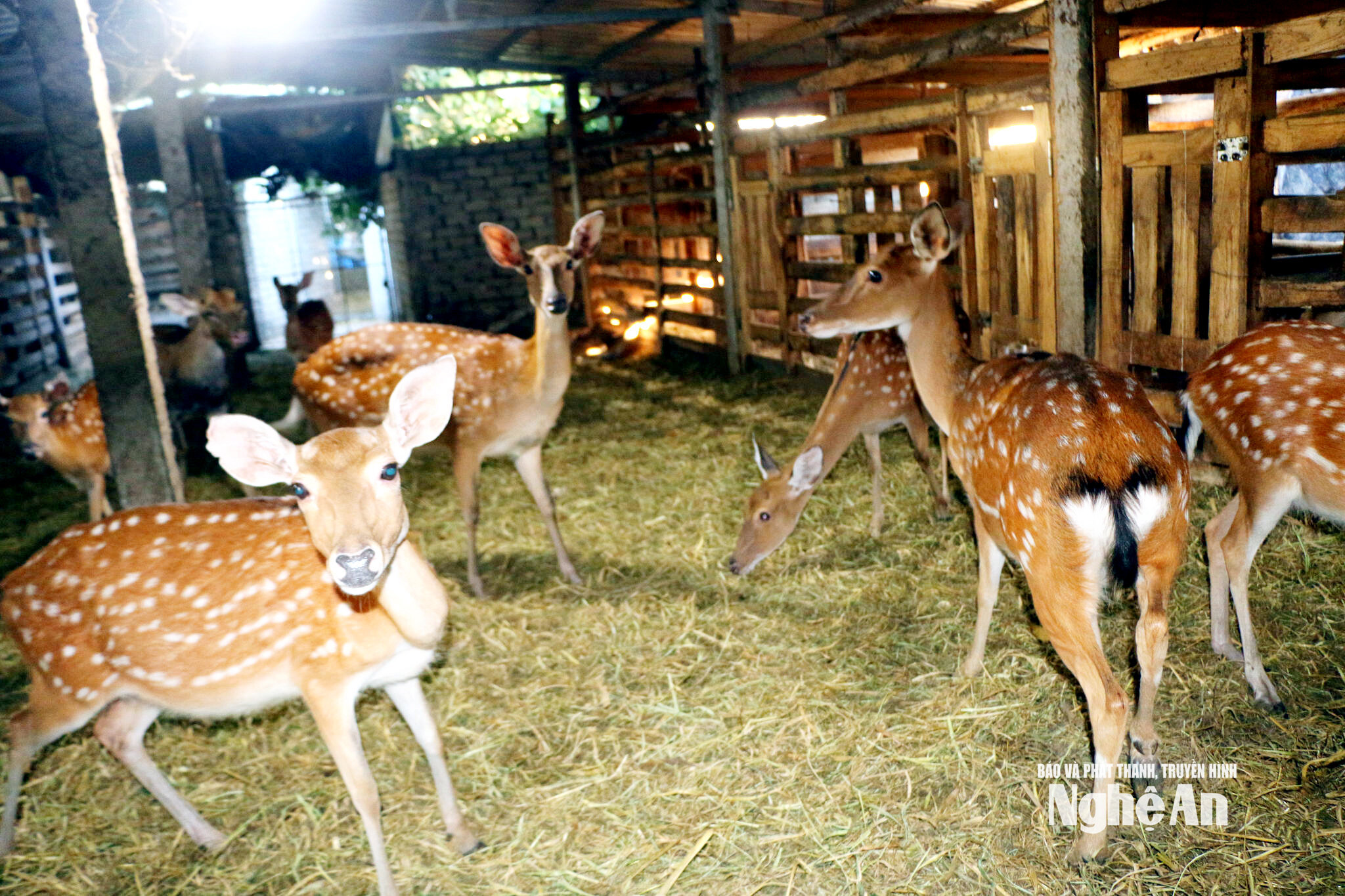
According to Mr. Thuong, compared to some other livestock, spotted deer have relatively good resistance to disease and rarely get sick if properly cared for. However, they are also quite sensitive to food and living environment, requiring breeders to closely monitor them, regularly observing their eating habits, body condition, and droppings to identify any unusual signs.
The enclosures are cleaned regularly, and suitable bedding is used to reduce dampness and odors, creating a dry environment for the animals. Salt stones are also placed in the enclosures to supplement minerals. Each year, Mr. Thuong's family farm harvests about 200kg of fresh deer antlers and sells hundreds of deer breeding stock, with a total revenue of about 700 million VND.
Along with Mr. Thuong's farm, there is also Mr. Ho Ba Xuyen's large-scale deer farm with over 120 deer, generating billions of dong in income each year.
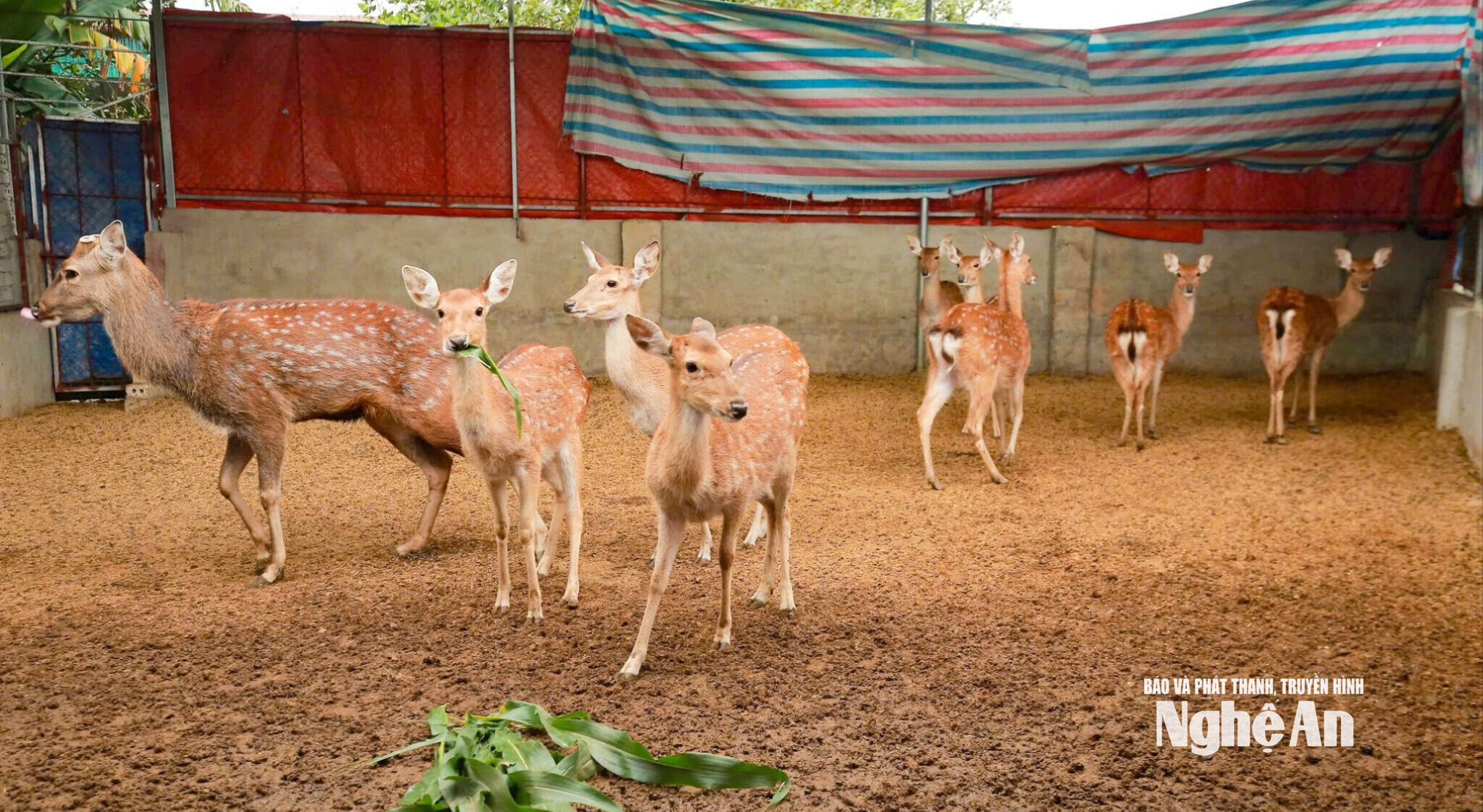
Furthermore, in Quynh Anh commune, there are currently about 63 households raising over 20 deer each; the total herd in the entire commune is approximately 7,600. This demonstrates the potential for developing deer farming in the locality.
However, for long-term development, farmers cannot rely solely on individual experience but need to exchange and support each other. When each household produces and finds its own market, accessing the market and increasing product value often faces many limitations. This led to the establishment of the Quynh Bang Herbal Deer Farming Cooperative (now part of Quynh Anh commune), bringing together over 100 member households. Members regularly meet to exchange experiences on breed selection, care, barn hygiene, and disease prevention; and support each other in developing the herd and selling their products.
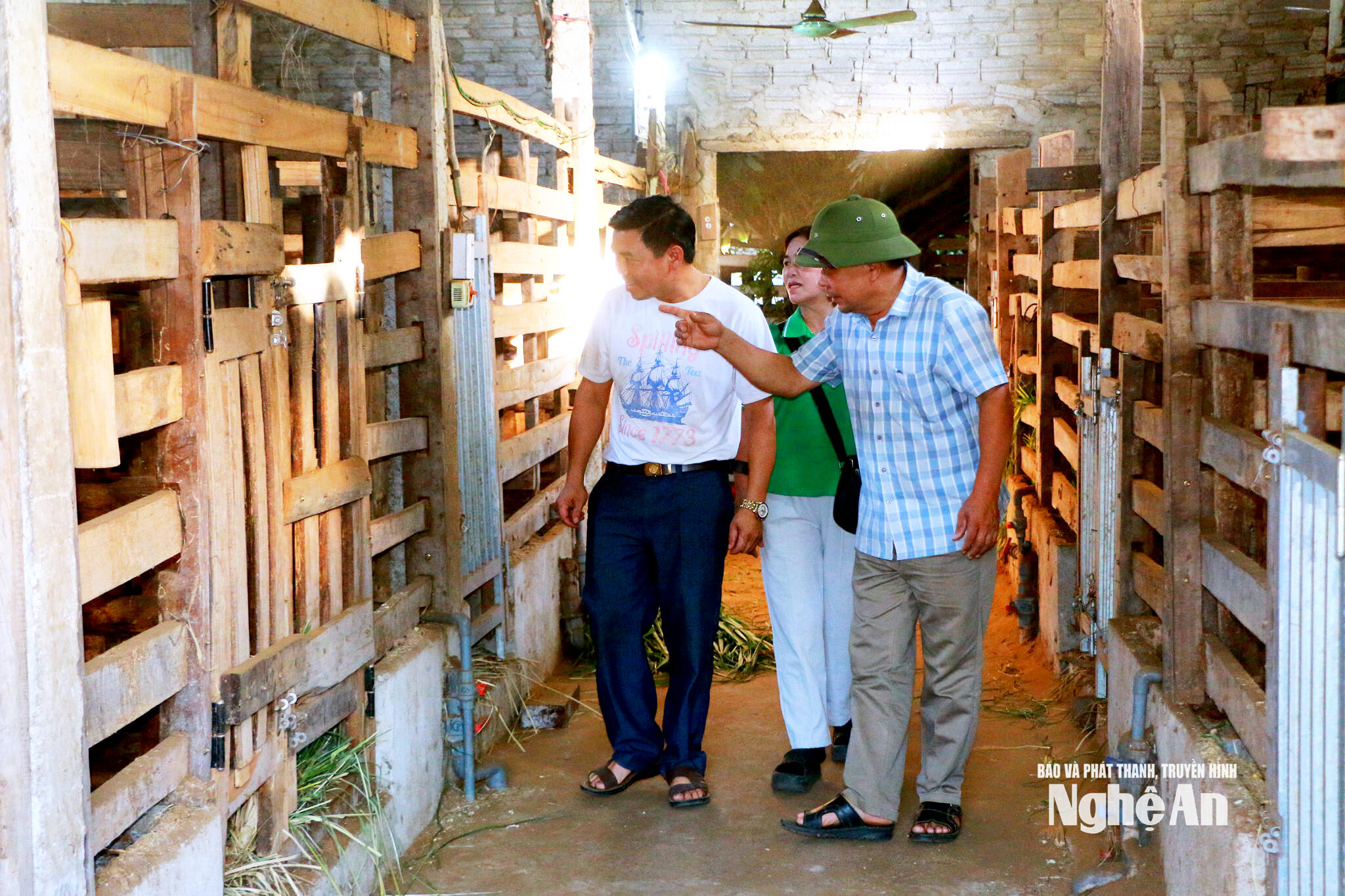
This initial collaboration lays the foundation for deer farming to shift from small-scale production to a more organized and systematic approach. This is also a crucial condition for the locality to develop deer antler products in a way that improves quality, builds brand recognition, and expands consumer markets.
While in the past, most deer farmers focused on selling fresh antlers or breeding deer, now, the trend towards deeper processing is opening up more opportunities for the development of deer farming in Quynh Anh.
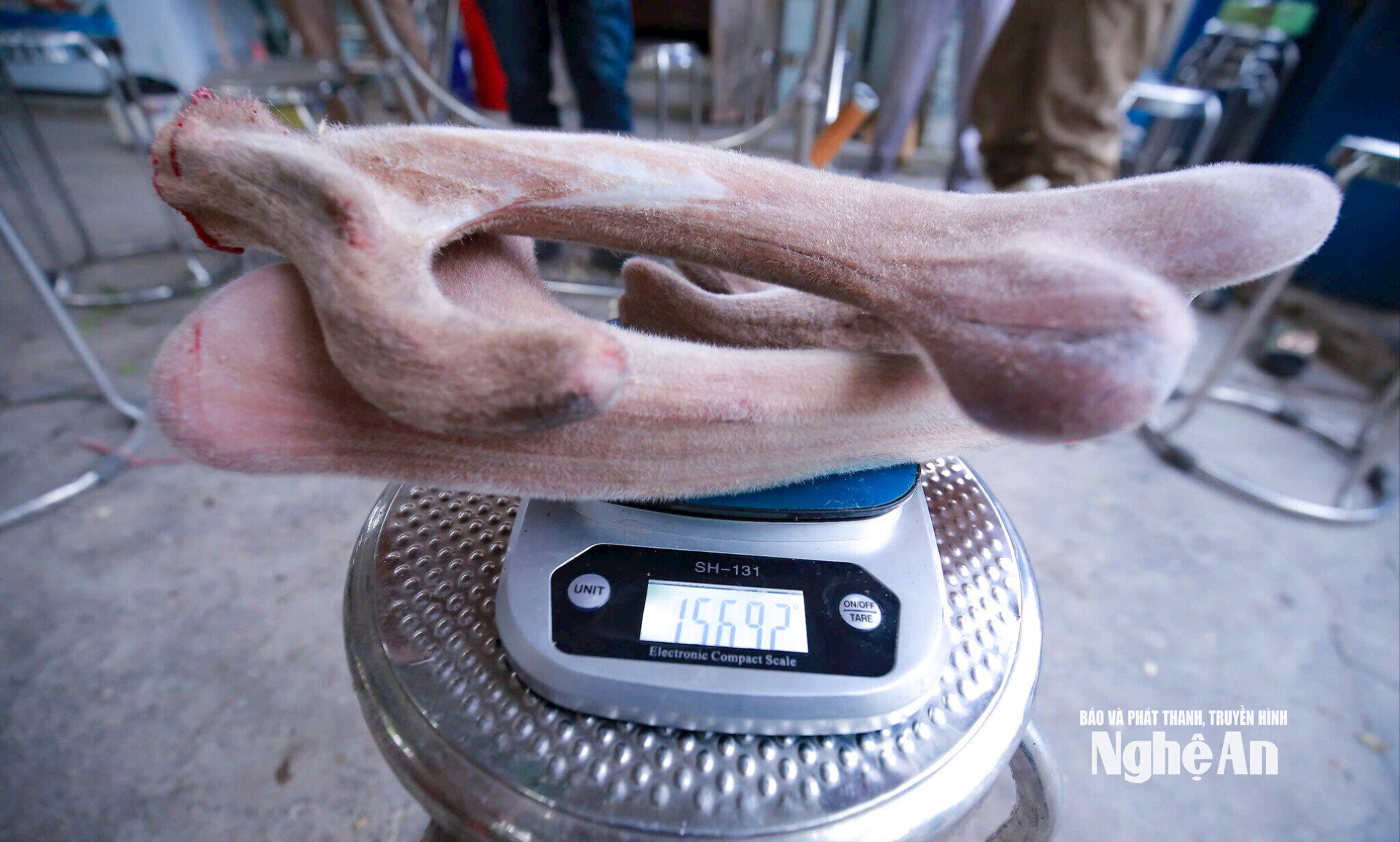
For growers, the timing of velvet antler harvesting is crucial to the quality and value of the product. When the antlers reach the appropriate stage of development, experienced households will cooperate and support each other during the harvesting process.
According to Mr. Ho Ba Thuong, each adult male deer can yield antlers 1-2 times a year, with an average weight of about 1-2 kg per pair, depending on the individual deer and care conditions. If harvested at the wrong time, the quality of the antlers can be affected, leading to a decrease in economic value.
Instead of just consuming fresh deer antlers, the cooperative's facilities are gradually developing processed products to meet the diverse needs of customers. Deer antlers are pre-processed, preserved, or processed into various product lines such as whole fresh antlers, sliced antlers, powdered dried antlers, antlers soaked in honey, and deer antler wine. Some products have been developed under the OCOP 3-star program, such as deer antler powder with ginseng and lotus seeds, pure deer antler powder, sliced fresh deer antlers, etc.
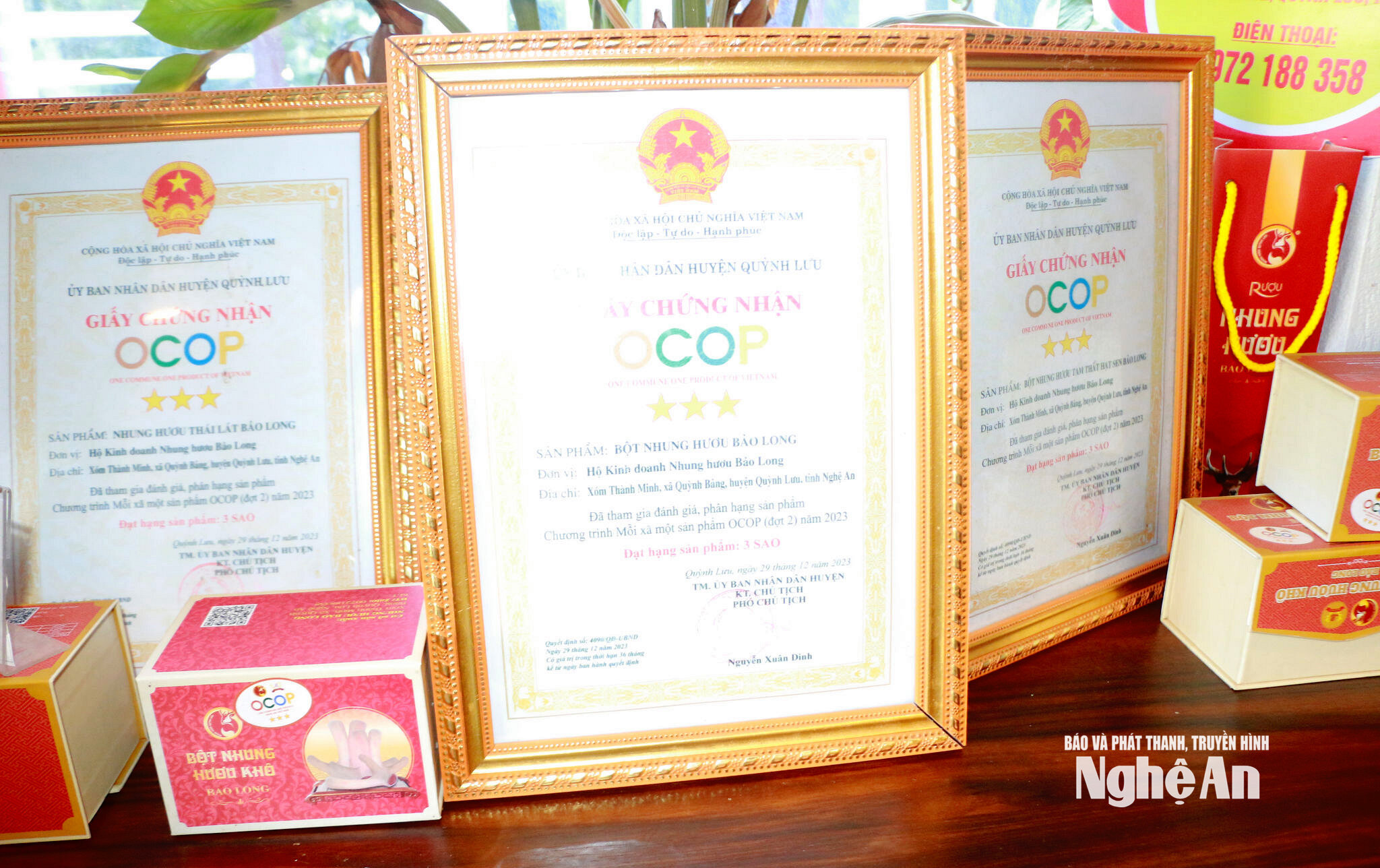
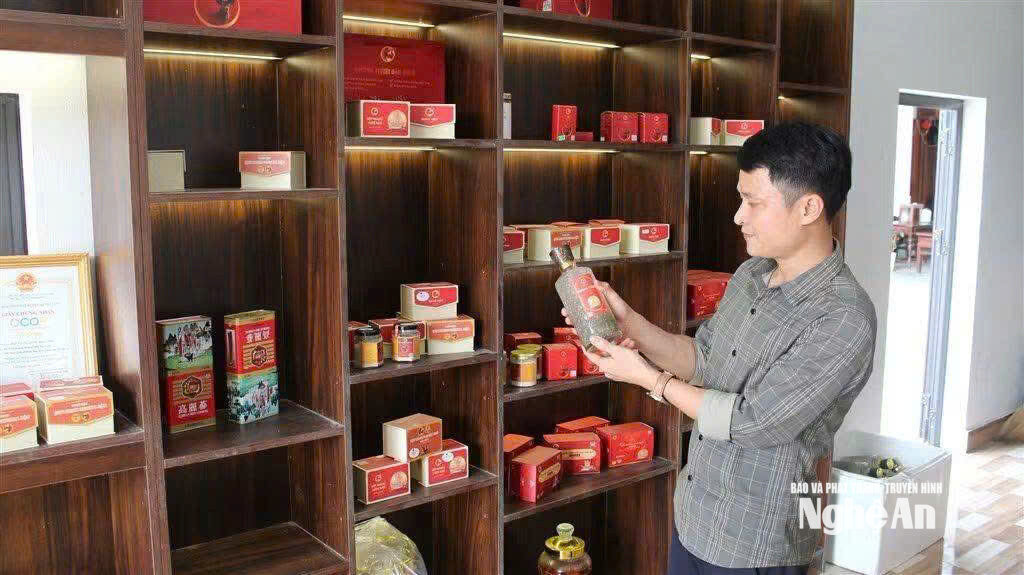
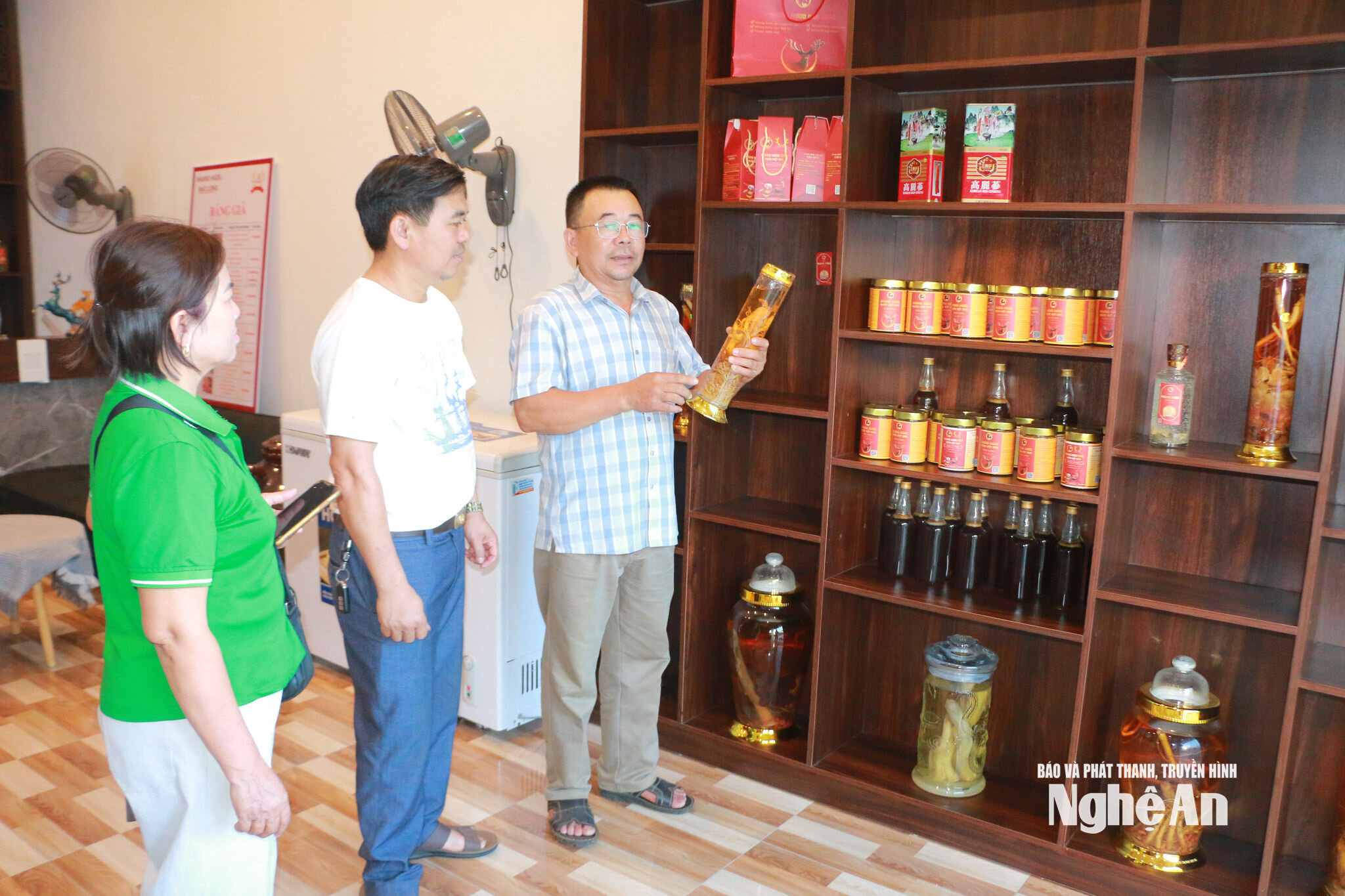
Product diversification helps extend shelf life, expand the customer base, and create more options for the gift and healthcare market. However, for sustainable product development, processing must adhere to food safety and hygiene requirements, traceability, quality standards, and proper information on product uses as stipulated by regulations.
Another noteworthy approach is combining deer farming with experiential tourism. Taking advantage of its proximity to coastal tourist destinations, the herbal deer farming cooperative has connected with and brought visitors to the farm, especially groups from Hanoi and the northern provinces.
Here, visitors can observe the deer herd, learn about the care and harvesting of antlers, and the preliminary processing and manufacturing stages of the product. Witnessing the production process firsthand helps customers better understand the product's origin and provides an opportunity for the facility to showcase the characteristics, preservation methods, and uses of deer antlers.
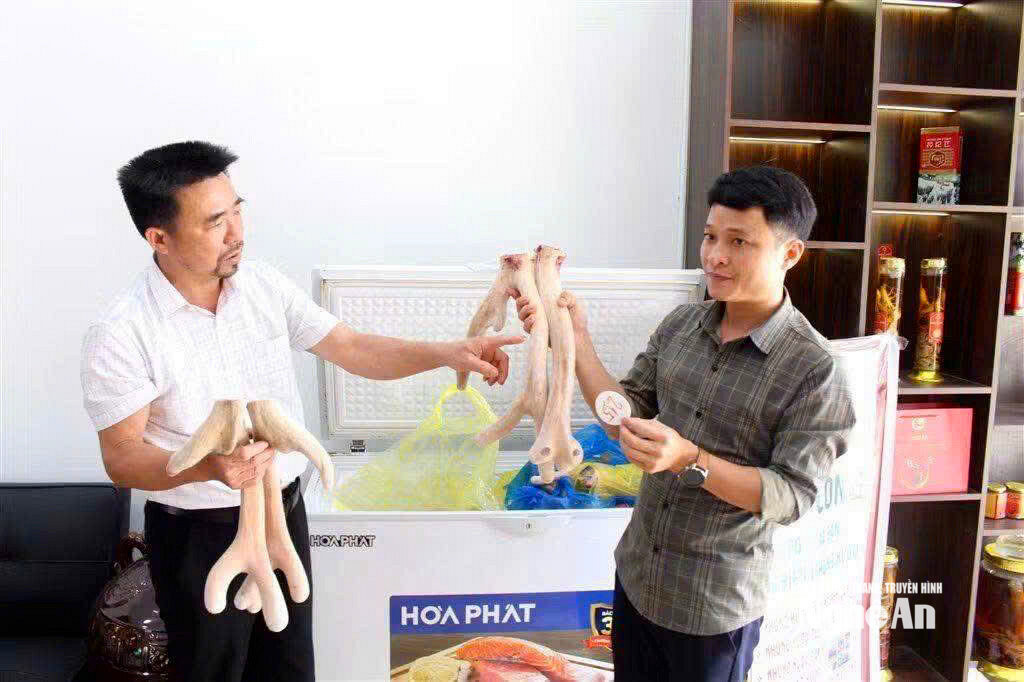
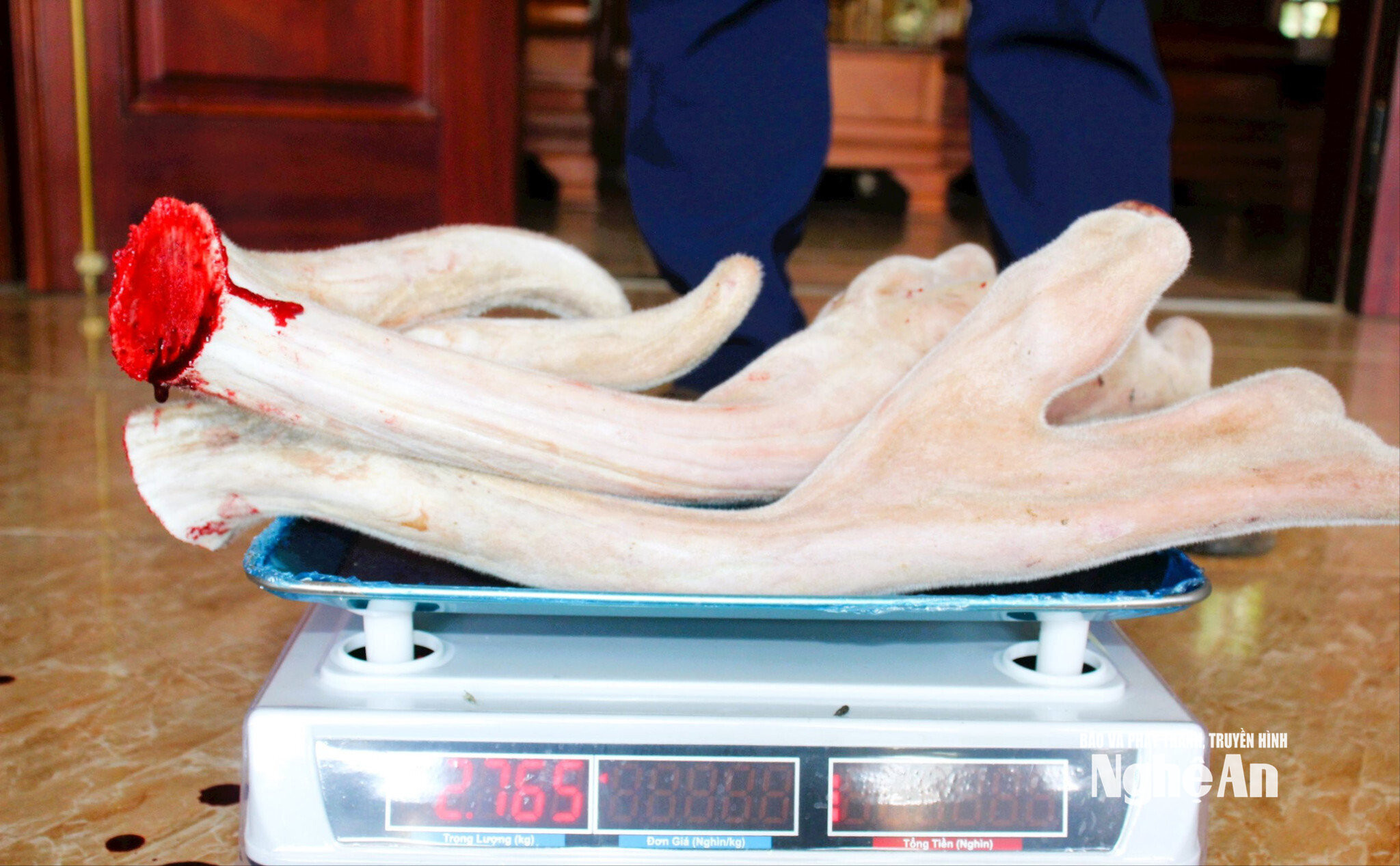
Instead of simply buying a pre-packaged product, visitors gain an experience of deer farming and the story behind each product. This is also a way for the cooperative to build trust, increase direct connections with consumers, and reduce complete dependence on intermediary distribution channels.
Besides welcoming visitors, the cooperative uses social media to introduce products, update information, and connect with customers. As a result, Quynh Anh deer antler velvet is gradually reaching buyers in many localities, including Hanoi, Quang Ninh, and Ha Giang.
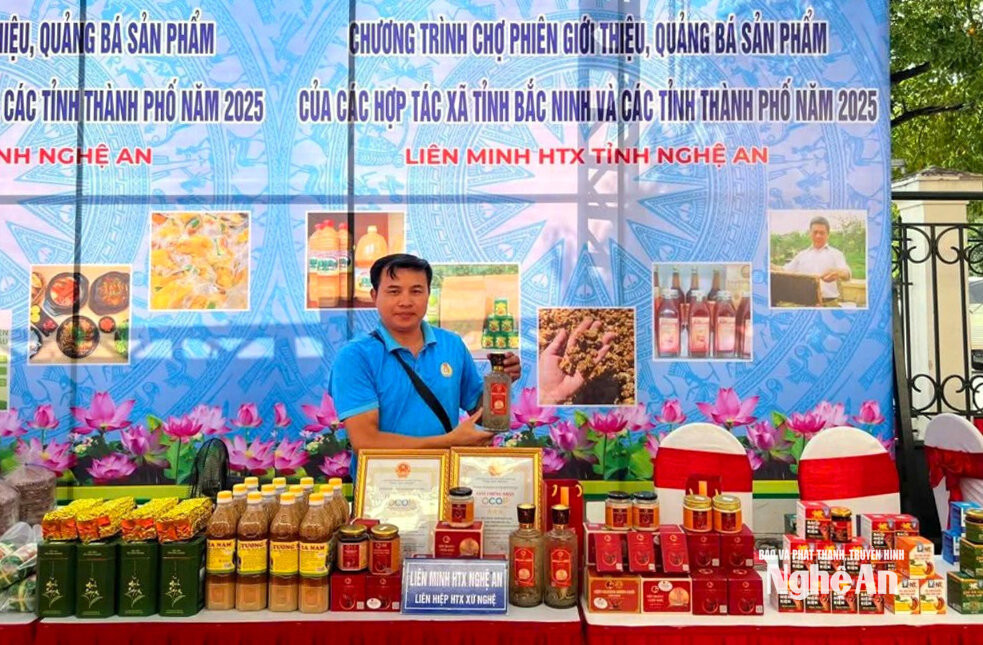
The economic effectiveness of the model is demonstrated through the income of the farming households. According to Mr. Thuong, households raising 20-25 deer can achieve an income of approximately 200-400 million VND per year, depending on the size of the herd, antler production, selling price, and investment costs.
These results show that the potential of deer farming lies not only in the value of fresh antlers but also in the ability to organize production, processing, and develop accompanying services. However, to maintain competitiveness, households still need to focus on quality control, proactively securing breeding stock, improving farming techniques, and establishing stable markets for their products.
To support its members in developing production and boldly investing in the development of deer and elk farming models towards commercialization, gradually expanding production scale and increasing economic value, the Farmers' Association of Quynh Anh commune has also focused on creating conditions for accessing preferential loan sources from the Farmers' Support Fund and the Social Policy Bank.
Mr. Tran Minh Chinh, Chairman of the Farmers' Association of Quynh Anh commune, said that the Association is currently managing two projects for deer and elk farming loans from the Nghe An Provincial Farmers' Support Fund with an outstanding balance of 1 billion VND, and supporting households with loans from the Quynh Luu Social Policy Bank with an outstanding balance of nearly 10 billion VND. At the same time, the Association has coordinated and organized many training courses, transferred scientific and technical knowledge, and guided members in applying advanced techniques to livestock farming, improving production efficiency and reducing risks.
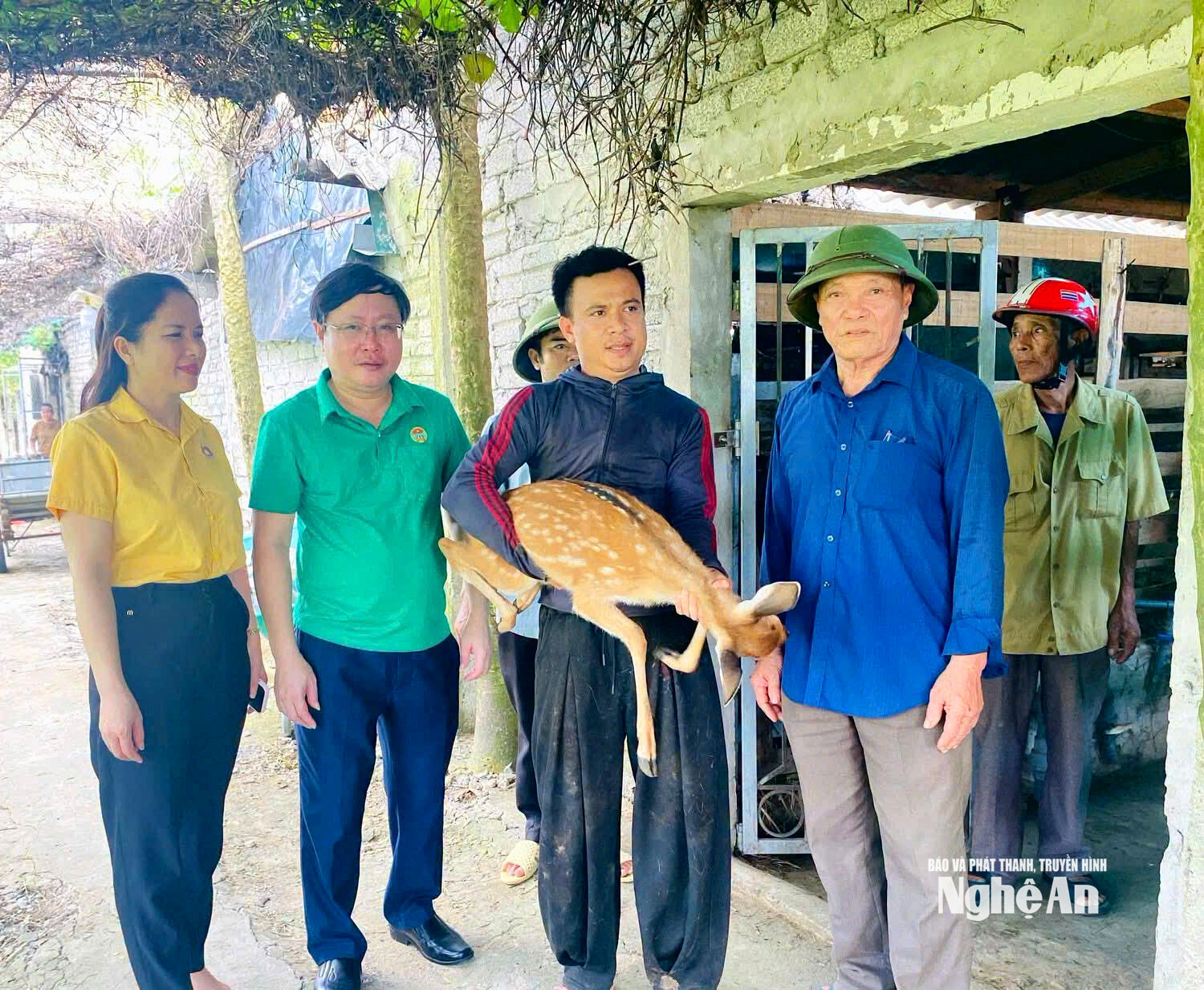
Along with providing capital and knowledge support, the Farmers' Association of the commune focuses on promoting production linkages, developing collective economic models, creating conditions for members to exchange experiences, support each other in the livestock farming process, and connect with product consumption.
Besides the Deer and Herbal Chicken Farming Cooperative, there are also the Nam Yen Deer and Elk Farming Farmers' Association; Bao Long Deer Antler Trading and Service Company Limited... In the coming time, the Quynh Anh Commune Farmers' Association will continue to play a bridging role, accompanying members in accessing loan sources, improving scientific and technical knowledge, replicating effective deer and elk farming models, and promoting production and consumption linkages for antlers and breeding stock.
It can be seen that, starting from the deer farms along the coastal strip of Quynh Anh, the people are gradually forming a chain of branded agricultural products, linking production with experience and the market.
This approach not only creates more livelihoods for the people but also contributes to affirming the potential for developing Nghe An's distinctive products in the market.


