
From the Autumn of Independence to the aspiration to build a strong and prosperous Vietnam.
From a poor and underdeveloped country, Vietnam has become a large-scale economy, a highly open nation, and an active and responsible member of the international community.
In the autumn of 1945, under the leadership of the Party and President Ho Chi Minh, the Vietnamese nation made a great turning point in its history.
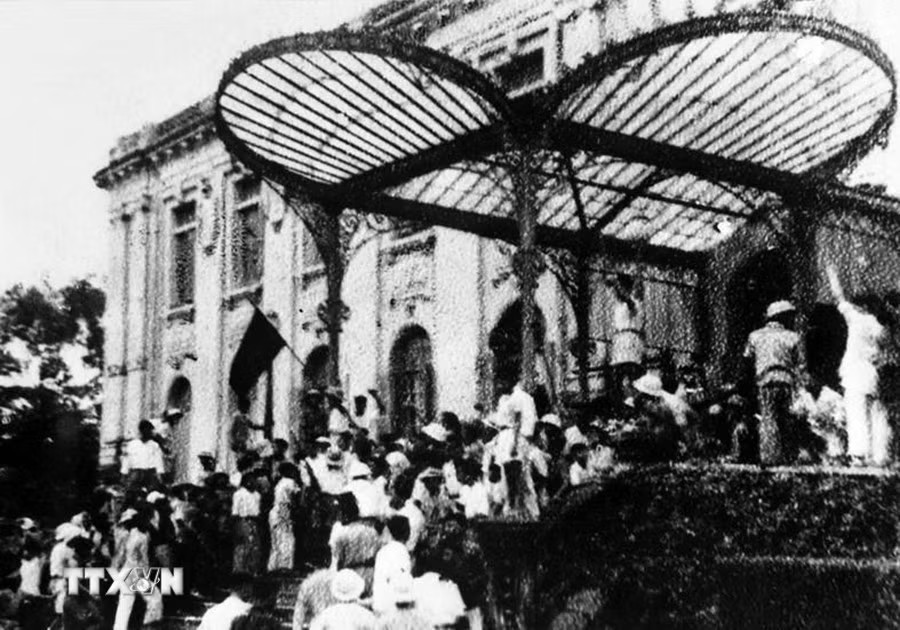
Following the success of the August Revolution, on September 2, 1945, at the historic Ba Dinh Square, President Ho Chi Minh read the Declaration of Independence, giving birth to the Democratic Republic of Vietnam and ushering in an era of independence and freedom for the nation.
The economy is experiencing stable growth and continuous expansion.
From the historic autumn of 1945 to the autumn of 2026, the Vietnamese nation has traversed 81 years of challenges but also immense glory. During this time, the Vietnamese people have endured protracted wars of resistance to protect independence and national unity; overcome the difficult years following the war; undertaken the process of reform; and gradually integrated deeply with the world.
From a poor and underdeveloped country, Vietnam has become a large-scale economy, a highly open nation, and an active and responsible member of the international community.
In particular, four decades of reform have demonstrated the vitality of a development path suited to Vietnam's conditions. From a small-scale economy, Vietnam has risen to become one of the most dynamic economies in the region. By 2025, GDP growth is projected at 8.02%, placing it among the high-growth economies in the region and the world. This is a particularly significant achievement in the context of a volatile global economy.
Notably, the growth momentum is expected to continue into 2026. In the first six months of the year, GDP increased by 8.18% compared to the same period last year. This is an important foundation for the economy to continue aiming for double-digit growth.
Along with economic growth, Vietnam's international trade volume is constantly expanding. In 2025, total import and export turnover is expected to reach over 930 billion USD, a record high, with a trade surplus of 20.03 billion USD, marking the tenth consecutive year that Vietnam has had a trade surplus.
Key export items such as electronics, textiles, machinery, agricultural products, and seafood are increasingly gaining a foothold in the international market. In the first six months of 2026, the total value of goods exports and imports reached US$549.69 billion, an increase of 27% compared to the same period last year. Exports reached US$266.52 billion, an increase of 21%. Imports also increased sharply, reflecting the high demand for machinery, equipment, raw materials, and supplies for production and investment.
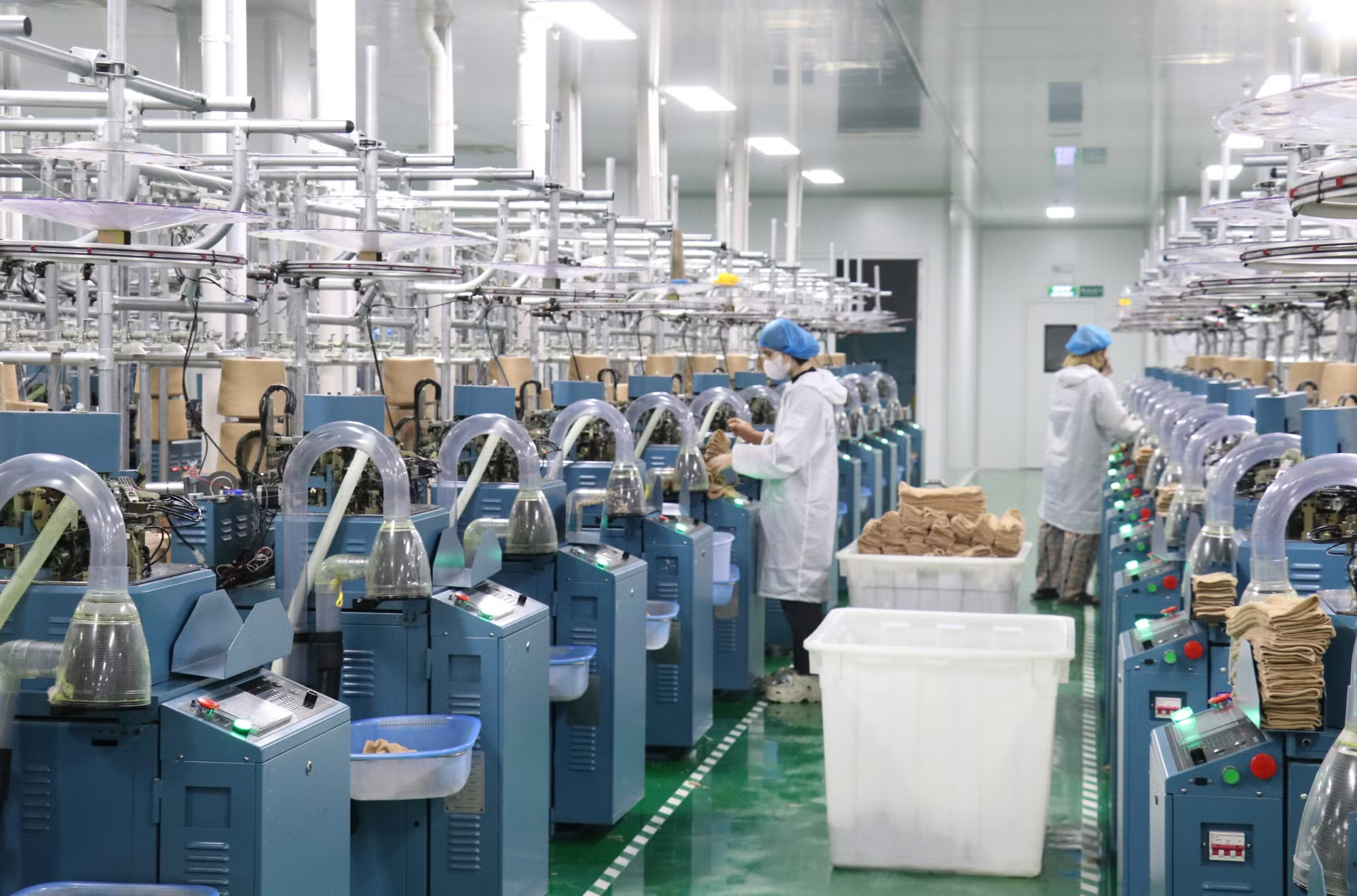
Vietnam is also increasingly becoming an attractive destination for foreign investors. By the end of 2025, the country had 45,416 active foreign direct investment projects with a total registered capital of approximately US$529.6 billion. The cumulative implemented capital of foreign investment projects is estimated at US$350.22 billion, equivalent to about 66.1% of the total registered active investment capital.
In the first six months of 2026, total registered FDI capital in Vietnam reached US$34.65 billion, a 61% increase compared to the same period last year; implemented FDI capital reached US$13.03 billion, an 11.2% increase. Vietnam is gradually shifting from attracting investment in a broad sense to focusing on quality, technology, innovation, linkages with domestic businesses, and sustainable development.
Tourism has also become an important economic sector, contributing increasingly to growth and promoting the country's image. In 2025, Vietnam is expected to welcome 21.2 million international visitors – the highest number ever, an increase of over 20% compared to 2024. In the first six months of 2026, the number of international visitors is projected to reach nearly 12.3 million, an increase of 14.9%.
These figures demonstrate Vietnam's attractiveness and reflect the strong recovery and rising position of its tourism industry on the world map.
Infrastructure and development space are constantly expanding.
Along with economic growth, the face of the country is changing every day. The extended North-South expressways, large bridges spanning rivers, seaports, airports, new cities, and strategic infrastructure projects have created an increasingly synchronized network, shortening geographical distances and expanding connectivity between regions, production centers, and domestic and international markets.
By the end of 2025, the whole country had completed and put into operation 3,345 km of expressways and 1,711 km of coastal roads. Modern bridges, such as the Nhat Tan Bridge, Can Tho Bridge, My Thuan Bridge, and Vinh Tuy Bridge, not only facilitate travel and trade but also symbolize the remarkable development of Vietnam's transportation infrastructure.
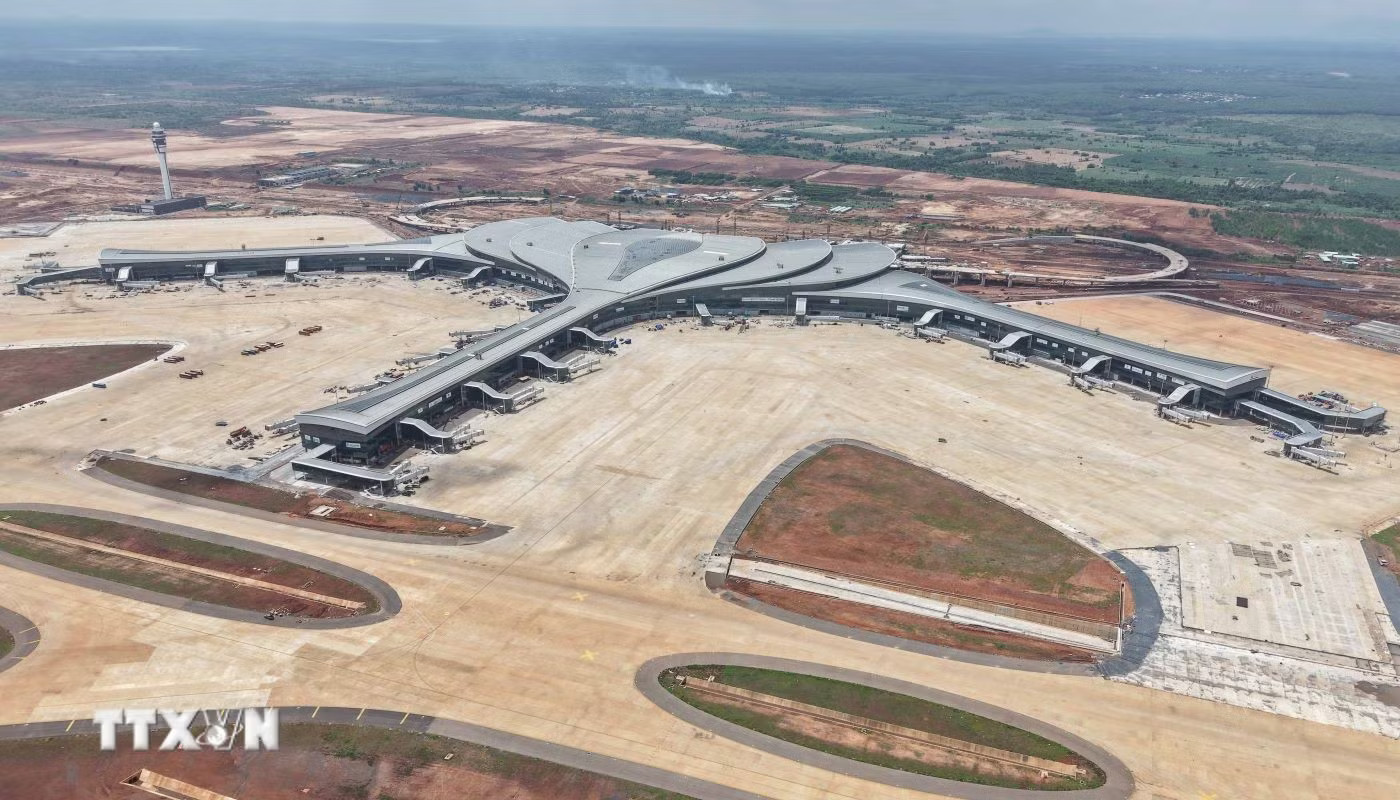
International airports such as Noi Bai, Tan Son Nhat, and Da Nang are also being expanded and upgraded. In particular, Long Thanh International Airport is expected to become a crucial regional aviation hub when it becomes operational, contributing to enhancing Vietnam's connectivity with major global economic centers.
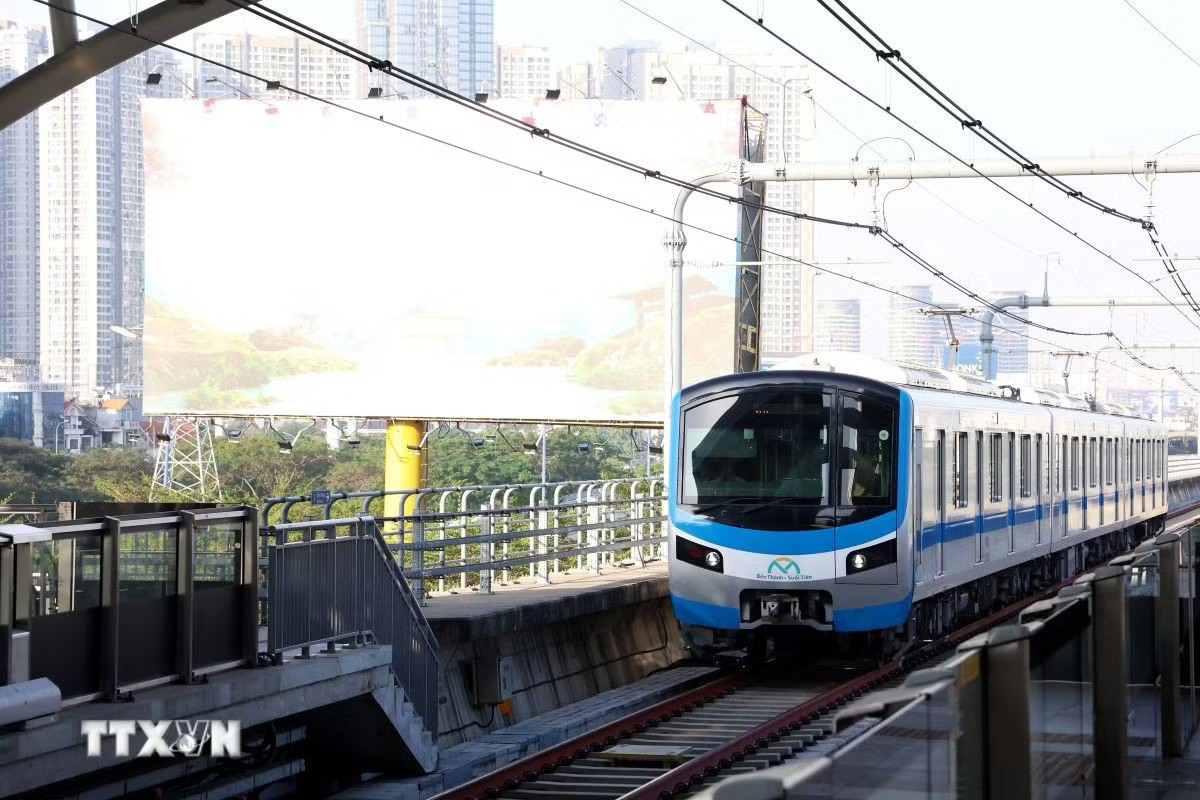
Furthermore, the introduction of urban rail systems in Hanoi and Ho Chi Minh City has opened a new chapter in the development of public transportation, contributing to reducing pressure on the road network and improving the quality of urban life.
Along with investment in physical infrastructure, 2025 marks a significant shift in the country's spatial development organization, as the National Assembly officially approves a resolution on the reorganization of provincial-level administrative units, leaving the country with 34 provinces and cities.
This restructuring aims not only to streamline administrative structures but also to expand development space, strengthen regional linkages, better utilize the potential and advantages of localities, and create conditions for the formation of new growth poles and development drivers.
Furthermore, from July 1, 2025, the entire Party and political system will officially transition to operating under a comprehensive organizational model of the political system and a two-tiered local government model. This is not merely a change in administrative boundaries, but a strategic reform aimed at streamlining the apparatus, strengthening decentralization and delegation of power, and building an administration that better serves the people and businesses.
After one year of operating the overall organizational model of the political system and the two-tiered local government model, the new apparatus has basically stabilized, affirming that the reform policy is correct, necessary, and strategically significant for the country's development.
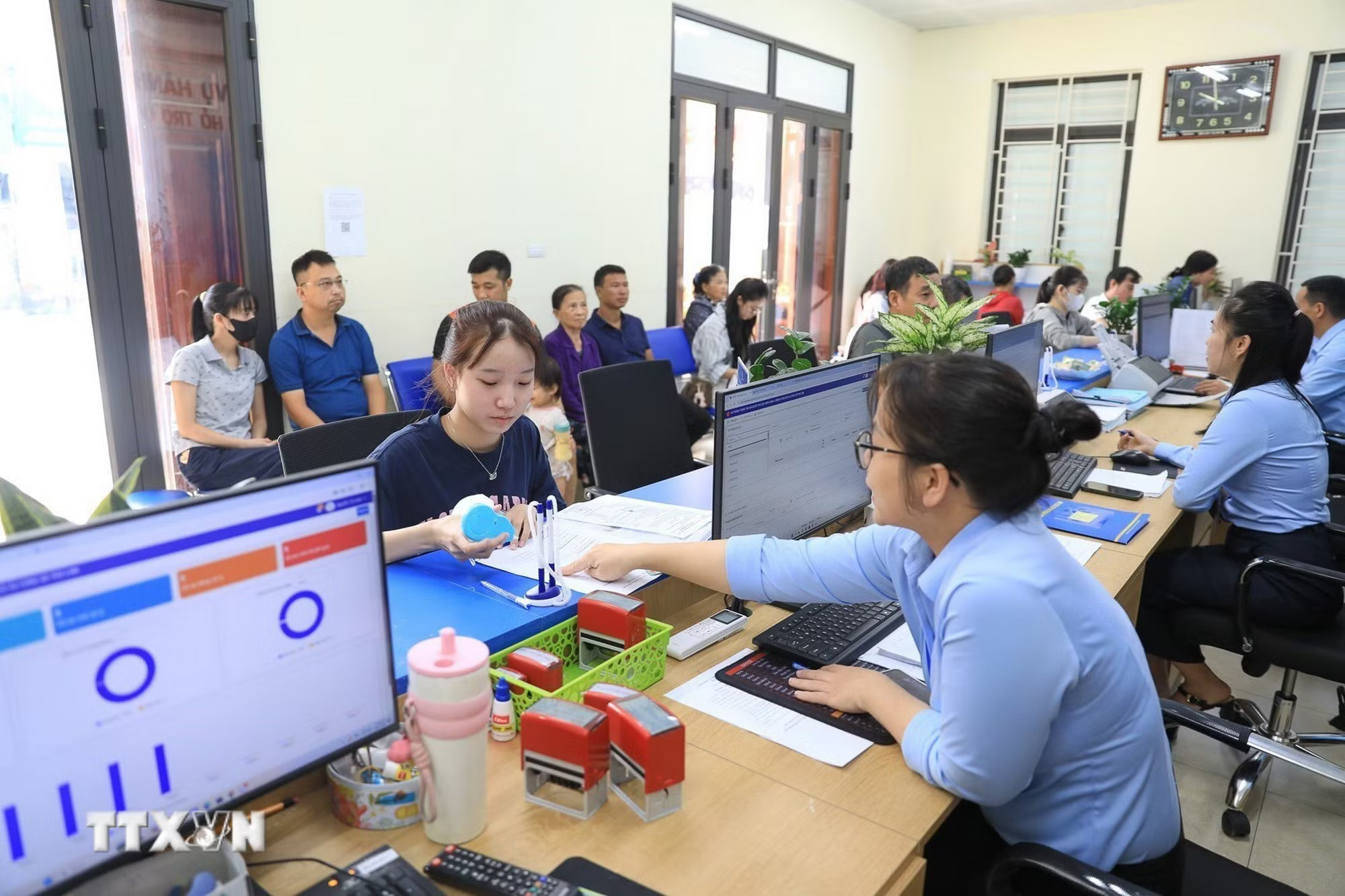
General Secretary and President To Lam instructed that in the coming period, focus should be placed on improving operational quality, contributing to building a modern, honest, constructive, and people-serving national governance system.
These changes demonstrate that Vietnam is not only growing in scale but is also proactively innovating its governance methods, creating an institutional foundation for a new phase of development.
Development for the people - the measure of progress.
If economic growth is the driving force, then people are the goal and the subject of the development process. Throughout 81 years of building and defending the nation, especially during the period of reform, Vietnam has consistently maintained the view that economic development must be linked to social progress, equity, and improving the people's living standards.
Poverty reduction is one of the outstanding achievements. By the end of 2025, the multidimensional poverty rate (including the rate of poor and near-poor households) nationwide had decreased to 2.95%. This is the result of a series of policies supporting poor and near-poor households, creating sustainable livelihoods, and increasing people's income.
Alongside this, the social insurance system and policies supporting people with disabilities, women, children, and the elderly have been strongly implemented, contributing to creating a more equitable society with opportunities for development for all.
In particular, the success of the nationwide program to eliminate temporary and dilapidated housing by 2025 is a vivid testament to the spirit of "leaving no one behind."
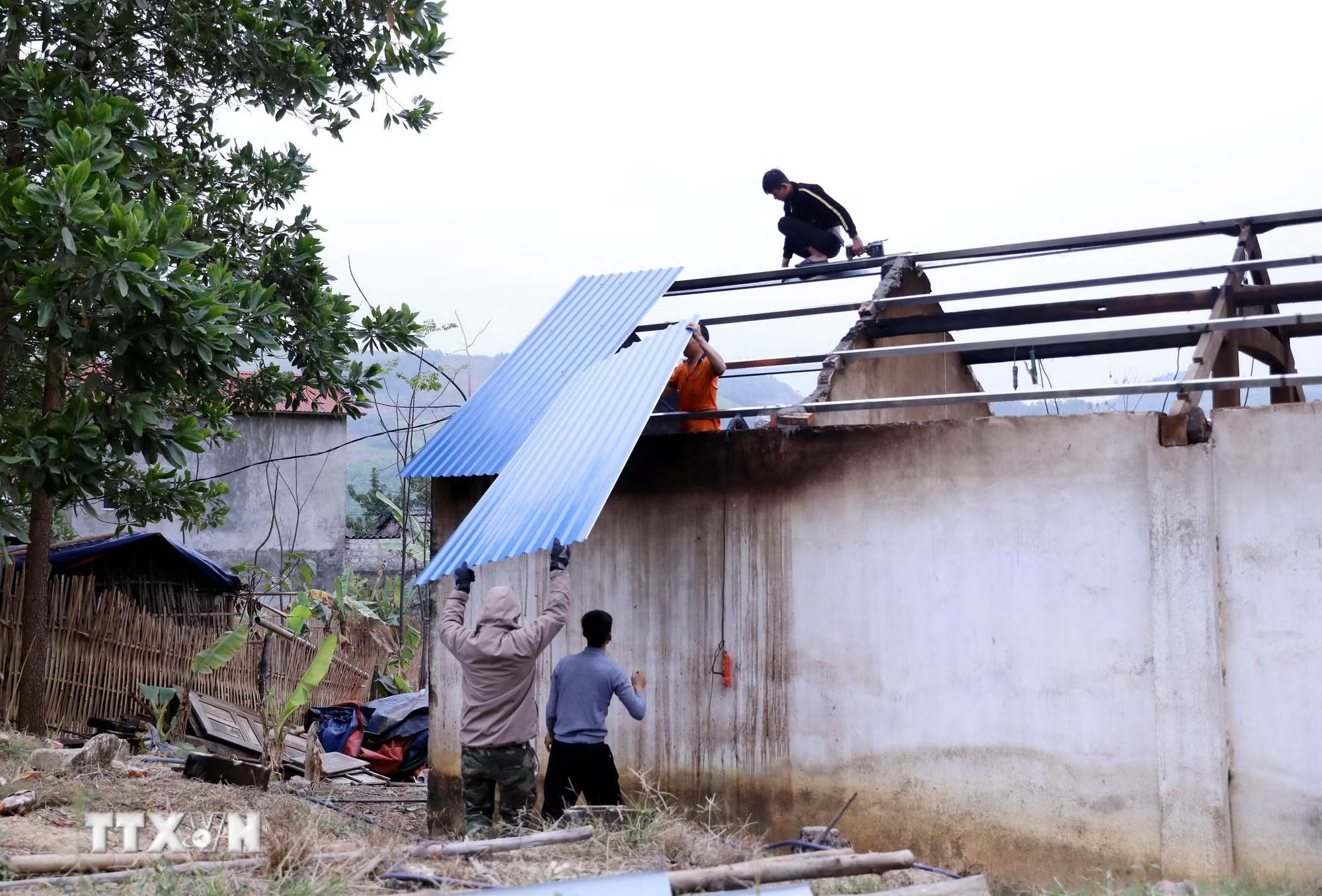
The healthcare sector has also achieved many successes. The rate of child malnutrition has decreased sharply, and the average life expectancy of Vietnamese people has increased significantly. The universal health insurance system is expanding, with over 95.2% of the population participating. Vietnam has mastered advanced medical techniques such as organ transplantation, cancer treatment using immunotherapy, and remote endoscopic surgery. These advances have not only helped save millions of patients but have also brought Vietnamese healthcare closer to regional and global medical standards.
Education continues to be identified as a top national priority. A milestone of profound social significance is that from the 2025-2026 school year, the State will implement free tuition for preschool children and primary and secondary school students in public educational institutions nationwide.
Starting from the 2026-2027 school year, many localities have implemented free textbooks for students. These policies contribute to reducing the financial burden on families, expanding access to education, and demonstrating a commitment to building a fair and inclusive education system.
Alongside this, culture is increasingly asserting its role as the spiritual foundation of society, serving as both a goal and an important resource and driving force for development. Vietnam has gradually perfected its system of policies and laws on culture, focusing on preserving and promoting heritage values, building a healthy cultural environment, and developing cultural industries.
Many of Vietnam's tangible and intangible cultural heritage sites have been inscribed by UNESCO, contributing to affirming the identity, vitality, and value of Vietnamese culture in the international community. Cultural and artistic activities are becoming increasingly diverse; many Vietnamese cultural products are gradually reaching international markets, creating additional resources for economic development and promoting the image of Vietnam and its people.
The successful organization of numerous large-scale cultural and artistic events, along with the strong development of film, music, publishing, fashion, and other creative industries, demonstrates that culture is increasingly becoming more deeply involved in socio-economic life.
Science and technology, innovation, and digital transformation – new drivers of development.
Throughout the 81-year journey of national construction and development, science and technology have increasingly affirmed their crucial role in enhancing productivity, competitiveness, and national potential. While in the early years after the August Revolution, science and technology primarily served the resistance war, national reconstruction, production, and overcoming the consequences of war, during the period of reform, this field has gradually become a driving force for the industrialization and modernization of the country.
In response to new development demands, the Party has made a strong shift in thinking, particularly with Resolution No. 57-NQ/TW dated December 22, 2024, of the Politburo, which identifies the development of science, technology, innovation, and national digital transformation as a top priority breakthrough, the main driving force for developing modern productive forces, reforming governance methods, and driving strong national development in the new era. This spirit is further affirmed in the Party's 14th National Congress documents, with the requirement to promote science and technology, innovation, and digital transformation, creating new impetus for rapid and sustainable growth.

Vietnam has gradually formed an innovation ecosystem, developing new technology fields such as artificial intelligence, semiconductors, big data, and biotechnology; many Vietnamese technology companies have expanded into international markets. The Global Innovation Index 2025 ranks Vietnam 44th out of 139 economies, continuing to be among the top-ranked countries in the region.
Furthermore, digital transformation is profoundly changing the methods of production, business, management, and social life. Digital platforms and national databases are being built, connected, and utilized in many fields, contributing to improved governance efficiency and quality of service for citizens and businesses.
Science and technology, innovation, and digital transformation are therefore opening up new development opportunities, enabling Vietnam to shorten its development process, enhance its technological self-reliance, and gradually shift from a resource advantage to a knowledge and innovation advantage. This is one of the important driving forces for Vietnam to realize its aspiration for rapid and sustainable development, building a strong and prosperous nation.
The nation's standing is constantly improving.
To date, Vietnam has become an active member of the international community, with extensive diplomatic relations, deep participation in multilateral cooperation mechanisms, and undertaking many important international responsibilities. Vietnam has established diplomatic relations with all 193 member states of the United Nations and has comprehensive strategic partnerships with many major countries. Vietnam also participates in more than 70 important international organizations and forums, and has signed and implemented many new-generation free trade agreements.
Vietnam's achievements at the United Nations, ASEAN, APEC, ASEM, and many other multilateral forums demonstrate that it is not only integrating for development but also increasingly proactively contributing to resolving common regional and global issues. Vietnam's international standing and prestige are further evident in its increasingly active role in multilateral mechanisms. In October 2025, Vietnam was re-elected to the United Nations Human Rights Council for the 2026-2028 term with the highest number of votes in the Asia-Pacific Group.
In particular, in 2026, Vietnam's image of responsibility towards the international community was vividly portrayed through the deployment of 124 officers and soldiers of the People's Army and People's Police to Venezuela to participate in rescue and relief efforts and mitigate the consequences of the earthquake in June 2026.
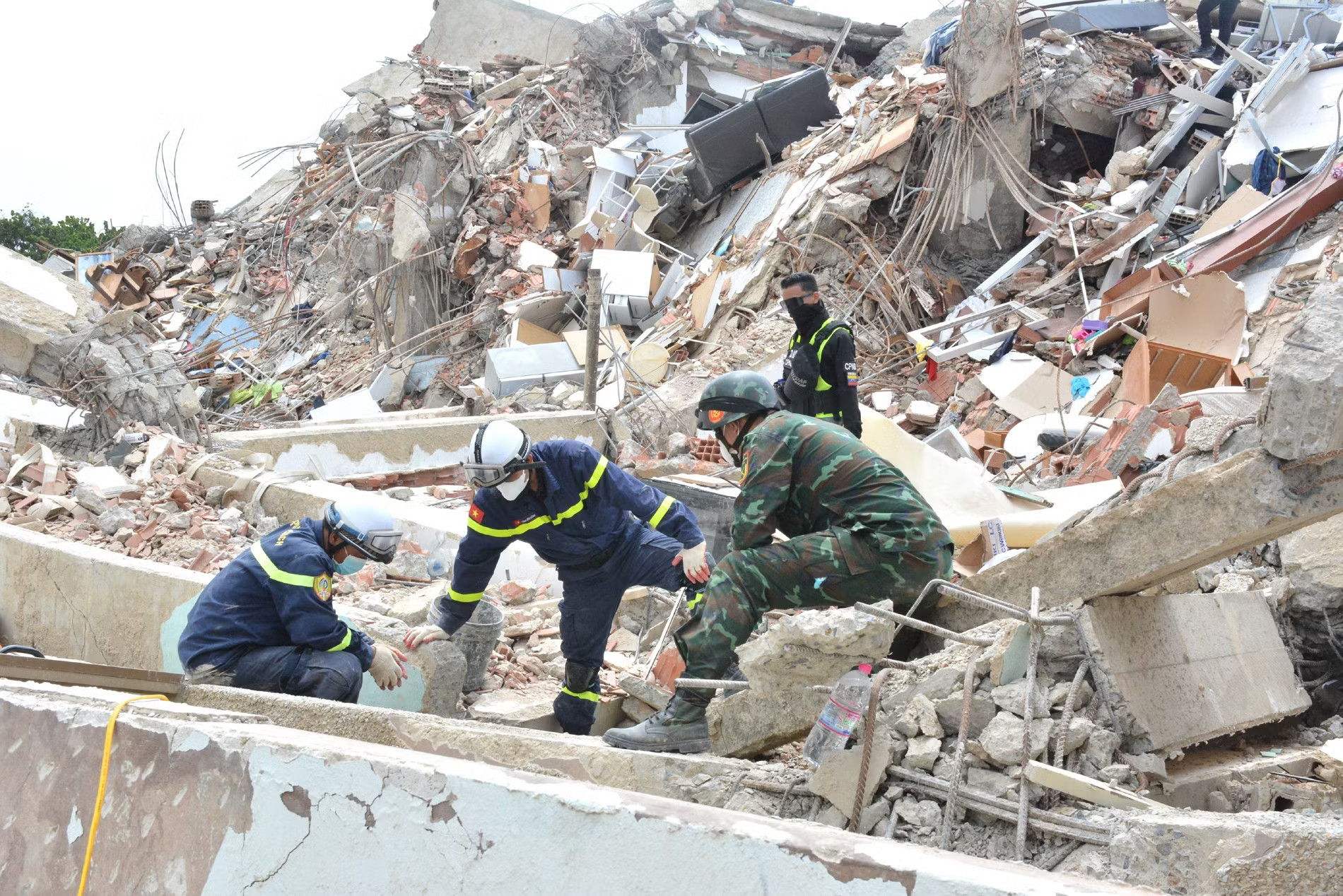
Vietnam is increasingly shifting from participation to active contribution, from deep integration to proactively creating an environment of peace, cooperation, and development, while effectively leveraging external resources to serve national development. Political diplomacy, economic diplomacy, cultural diplomacy, and people-to-people diplomacy are becoming increasingly interconnected, contributing to expanding markets, attracting resources, enhancing the country's image and prestige, and protecting national interests.
Eighty-one years since the autumn of 1945 is a remarkable journey for the Vietnamese nation. From a country that had just gained independence and faced many difficulties and challenges, Vietnam has gradually built a peaceful, unified, developed, and integrated nation.
The achievements we have made are vivid proof of the strength of the nation's will for independence, self-reliance, and development. Entering a new phase, with the foundation already built, Vietnam continues to leverage the strength of national unity, innovation, proactive integration, and determination to build a strong, prosperous, civilized, and happy country.


