
From the Autumn of Independence in 1945 to the Autumn of Aspiration in 2045
The August 1945 General Uprising opened a new chapter in the nation's history; 81 years later, Vietnam is facing a great transformation, from a developing country to a developed, high-income nation.
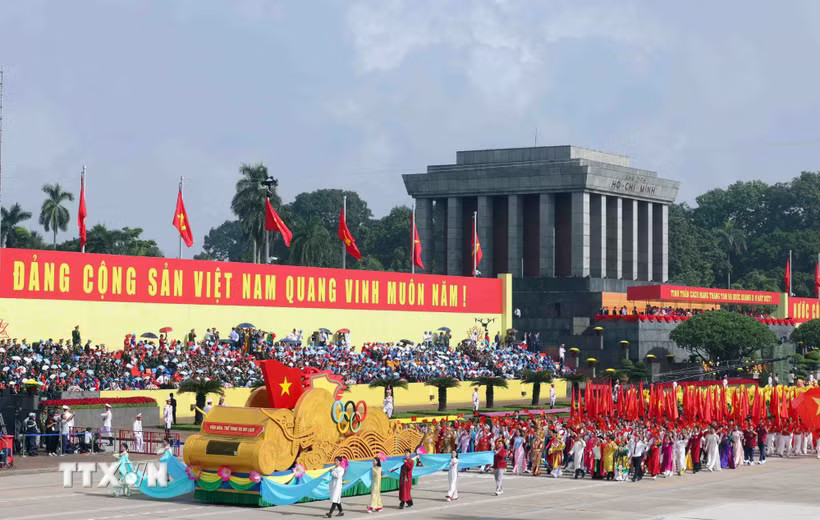
Eighty-one years have passed since the Autumn of 1945, but the spirit of the August Revolution remains a great source of spiritual strength for the Vietnamese people.
From a colonized country, Vietnam emerged into the light, gaining independence, steadfastly defending its nation, and gradually building its current position. Facing the ambitious development goals of 2030 and 2045, the spirit of that autumn continues to inspire Vietnam to move forward..
Before the August Revolution, the Vietnamese people lived under the oppression of colonialism and fascism. The famine of 1945 claimed the lives of more than 2 million people. In that context, under the leadership of the Party and President Ho Chi Minh, the people of the whole country rose up in a general uprising, seized power, and gave birth to the Democratic Republic of Vietnam.
From a state of slavery, the people became masters of their own country. As President Ho Chi Minh called it, this was "an extremely great change in the history of our country." But seizing power was only the first step.
The fledgling revolutionary government had to simultaneously fight against "the enemies of hunger, ignorance, and foreign invasion." From the "Rice Jar for Famine Relief," the "Golden Week," the popular education movement to the nationwide resistance, the whole country contributed to preserving independence.
Then came nine years of resistance against French colonialism, followed by nearly 21 years of resistance against American imperialism to save the nation. Nearly three decades of fighting and sacrifice led to the victories of these resistance wars, preserving independence and national unity. After the war, the country embarked on another battle: overcoming the consequences, eradicating poverty, and finding ways to develop under extremely difficult conditions.
In 1986, our Party initiated the Doi Moi (Renovation) process, which paved the way for the country to gradually overcome the crisis, break the blockade and embargo, and integrate with the world.
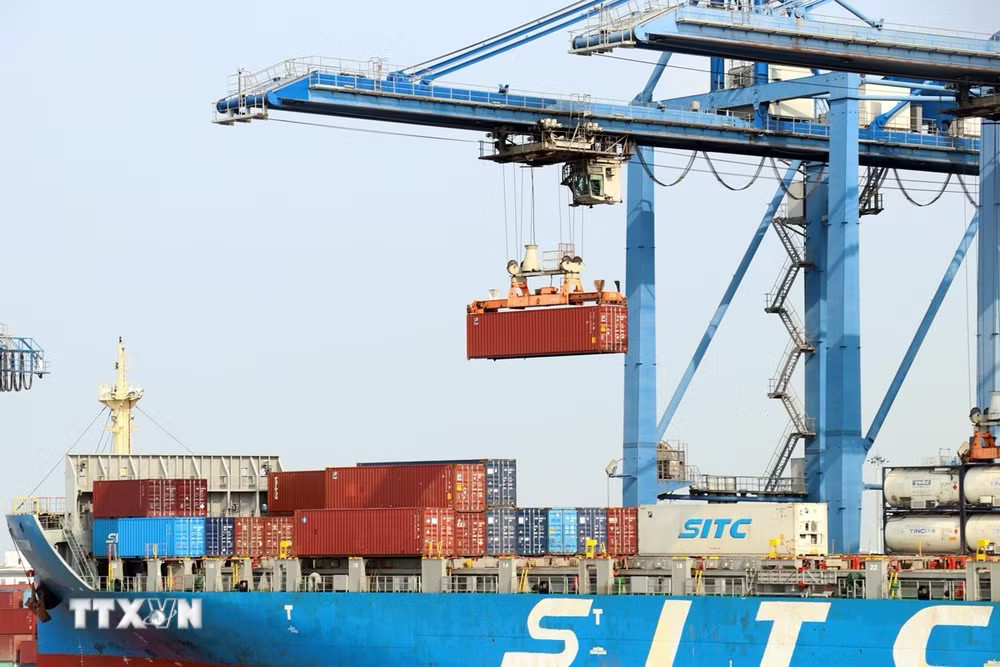
Forty years of Doi Moi (Renovation) have profoundly transformed the face of the country. From a poor and backward economy, Vietnam has now become one of the 34 largest economies in the world. The size of the economy has increased nearly 100 times compared to 1986, while per capita income has risen from under $100 to nearly $5,000.
Speaking about the country's significant progress, former Foreign Minister Nguyen Dy Nien particularly emphasized: The journey of the past eight decades, especially the 40 years of Doi Moi (Renovation), has been a journey of changing the Party's leadership and management thinking, promptly removing bottlenecks for development, with the Sixth Party Congress in 1986 considered a historical milestone.
According to Mr. Nguyen Dy Nien, for the country to continue moving towards its immediate and long-term goals, the most important thing is to innovate thinking, to be able to look at the world and reflect on itself, and at the same time to know how to gather and utilize talented people and preserve national identity in the context of integration.
Affirming the international influence of the birth of the Democratic Republic of Vietnam, the predecessor of the Socialist Republic of Vietnam, Deputy Minister of Science and Higher Education of Russia Kostantin Ilyich Mogilevsky, co-chairman of the Russian Historical Society, emphasized that for the first time in Asian history, the Vietnamese national liberation movement had overthrown colonial rule on its own, opening up a future for the country.
Today, this precedent is becoming particularly relevant. "The whole world is undergoing a profound transformation. More and more countries and peoples are choosing a path of free and independent development based on their traditional values."
"This positive change reflects the principle of equality for all participants in international relations, which has objectively matured," emphasized Kostantin Ilyich Mogilevsky.
Today's achievements are the result of generations who have endured hardships, dared to sacrifice, dared to innovate, and known how to rise again after every challenge. But looking at the truth, there is still much work to be done ahead.
The risks of the middle-income trap, low labor productivity, population aging, climate change, social inequality, non-traditional security issues, and bottlenecks in institutions and the business environment are challenges that cannot be ignored.
Corruption, waste, negative practices, and bureaucracy among a segment of cadres and Party members are also dangers that must be resolutely fought against. Eighty-one years after the Autumn of 1945, the country is entering a new stage of development.
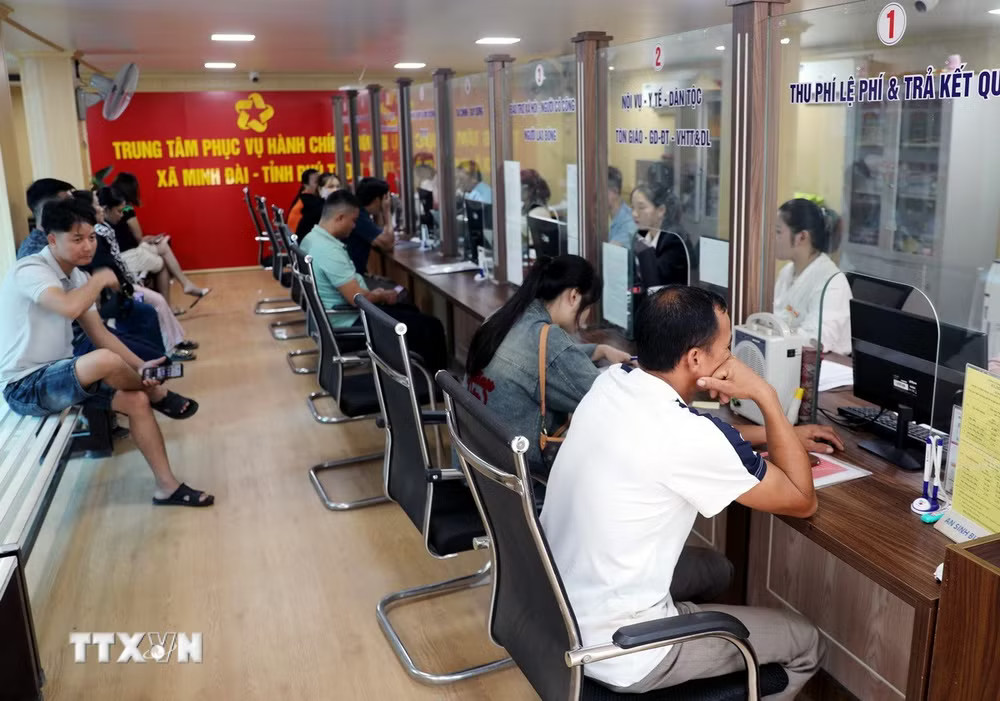
Streamlining the administrative apparatus, operating a two-tiered local government system, and merging provinces and cities are all aimed at improving governance efficiency and bringing the government closer to the people.
Along with reforming the administrative apparatus, it is crucial to promote science, technology, innovation, and the strong development of the private sector alongside the state-owned sector. These are important resources for Vietnam to accelerate its sustainable and efficient growth.
Four years from now is 2030, and 19 years from now is 2045 – the centenary of Vietnam's independence. Those milestones are not far off.
The 14th National Congress of the Party established the direction and aspirations for development. The 2nd and 3rd Central Committee meetings continued to lay the foundation in terms of organization and operation, removing bottlenecks, unlocking resources, and opening up new development possibilities.
The sessions of the 16th National Assembly have been deciding on many major issues. All are geared towards the goal of building a Vietnam that stands shoulder to shoulder with the world's leading powers by 2045.
International forecasts also present Vietnam with a promising future. Among them, the International Monetary Fund (IMF) estimates that by 2029, Vietnam will be the world's 32nd largest economy. This forecast further emphasizes the need to seize opportunities effectively, act in the right direction, and be decisive in order to realize the aspiration to rise.
The August 1945 General Uprising opened a new chapter in the nation's history. Eighty-one years later, Vietnam is facing a major transformation, from a developing country to a developed, high-income nation.
What connects those two autumns is the indomitable will of a nation that refuses to be subjugated, the spirit of self-reliance and self-strengthening, the power of unity, and faith in the path the nation has chosen under the leadership of the Party and President Ho Chi Minh.
These values continue to be nurtured in every innovative policy decision and in the country's development journey today.
As General Secretary and President To Lam affirmed: "To overcome all challenges, we must maintain unity, consistency in will and action, and prioritize the interests of the nation and the people above all else."


