
"Self-reflection and self-correction" to innovate leadership methods.
Currently, Party committees at all levels in Nghe An have basically completed the review, evaluation, and classification of the quality of Party organizations and Party members at the end of the year. This is not only an annual activity but has become a profound political activity within the Party with the spirit of "self-reflection and self-correction" to continue to innovate the Party's thinking and leadership methods in the future.
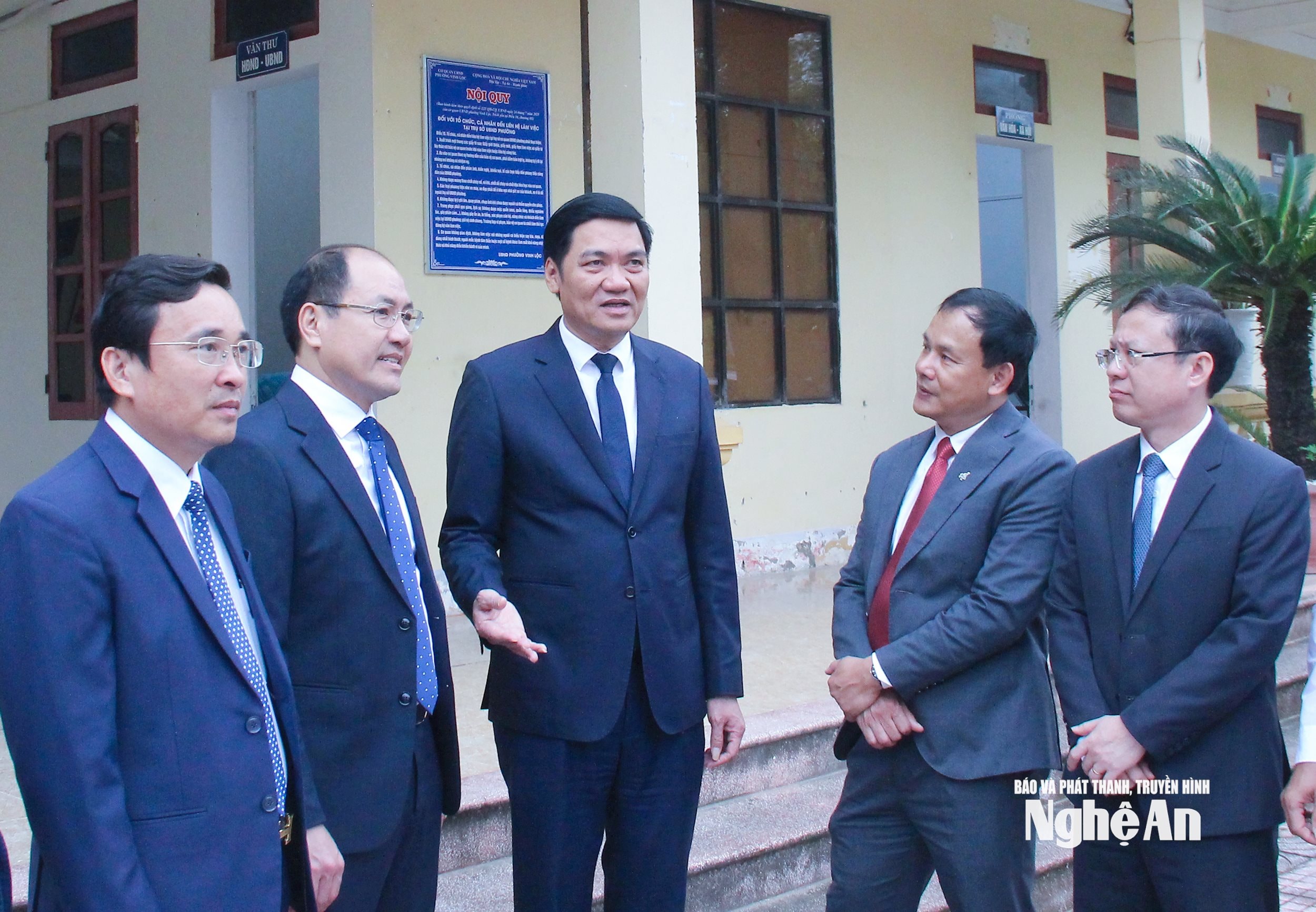
Proper self-criticism is essential for effective corrective action.
The annual review, evaluation, and ranking of Party organizations and members is a particularly important activity in Party building. Beyond simply reviewing the results of a year's work, this review provides an opportunity for Party committees at all levels to confront the truth, correctly identify shortcomings and weaknesses, and thereby adjust leadership thinking, guidance methods, and task implementation strategies for the next phase.
Adhering closely to Plan No. 11, dated November 14, 2025, of the Standing Committee of the Nghe An Provincial Party Committee on reviewing and evaluating the quality of collectives and individuals in 2025, the Standing Committee of the Hai Chau Commune Party Committee organized a review with a spirit of innovation, seriousness, and substance. A highlight was the clear concretization of the criteria and content of the review, emphasizing the spirit of "self-reflection and self-correction," while also deeply analyzing the responsibilities of leadership and guidance before and after July 1, 2025 – when the locality officially operates its new administrative apparatus.
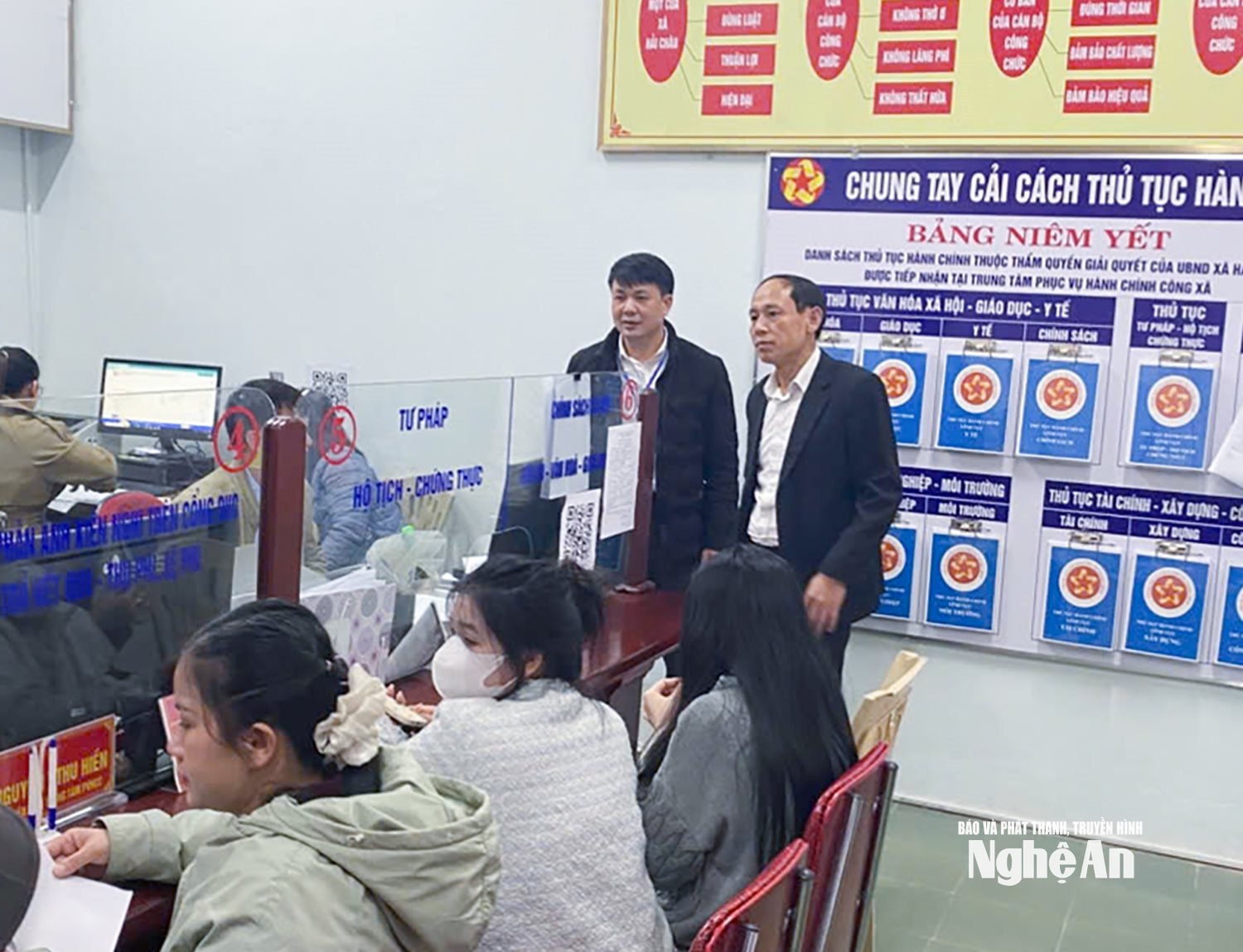
According to Comrade Le Duc Phat, Secretary of the Party Committee and Chairman of the People's Council of Hai Chau commune, the review was conducted according to the principle that collective shortcomings must be linked to individual responsibility; each area was clearly identified and named, with the person responsible being named. Through the review, the commune's Party Committee clearly defined immediate and long-term tasks, emphasizing the crucial role of planning.
Based on that, Hai Chau commune has oriented its economic development towards three key areas: tourism and trade in the Hon Cau and Doi Ghenh areas; services and trade along the coastal economic route; and industry and handicrafts. Priority is given to key sectors such as aquaculture, deer farming, and the development of OCOP products, coupled with the synchronized investment in essential infrastructure.
In particular, land management is determined to require strengthening the leadership role of Party committees, assigning direct responsibility to heads of government, professional staff, and Party branch secretaries and village heads.
The review was conducted according to the principle that collective shortcomings must be linked to individual responsibility; in each area, the person responsible was clearly identified and named.
Comrade Le Duc Phat - Secretary of the Party Committee, Chairman of the People's Council of Hai Chau Commune
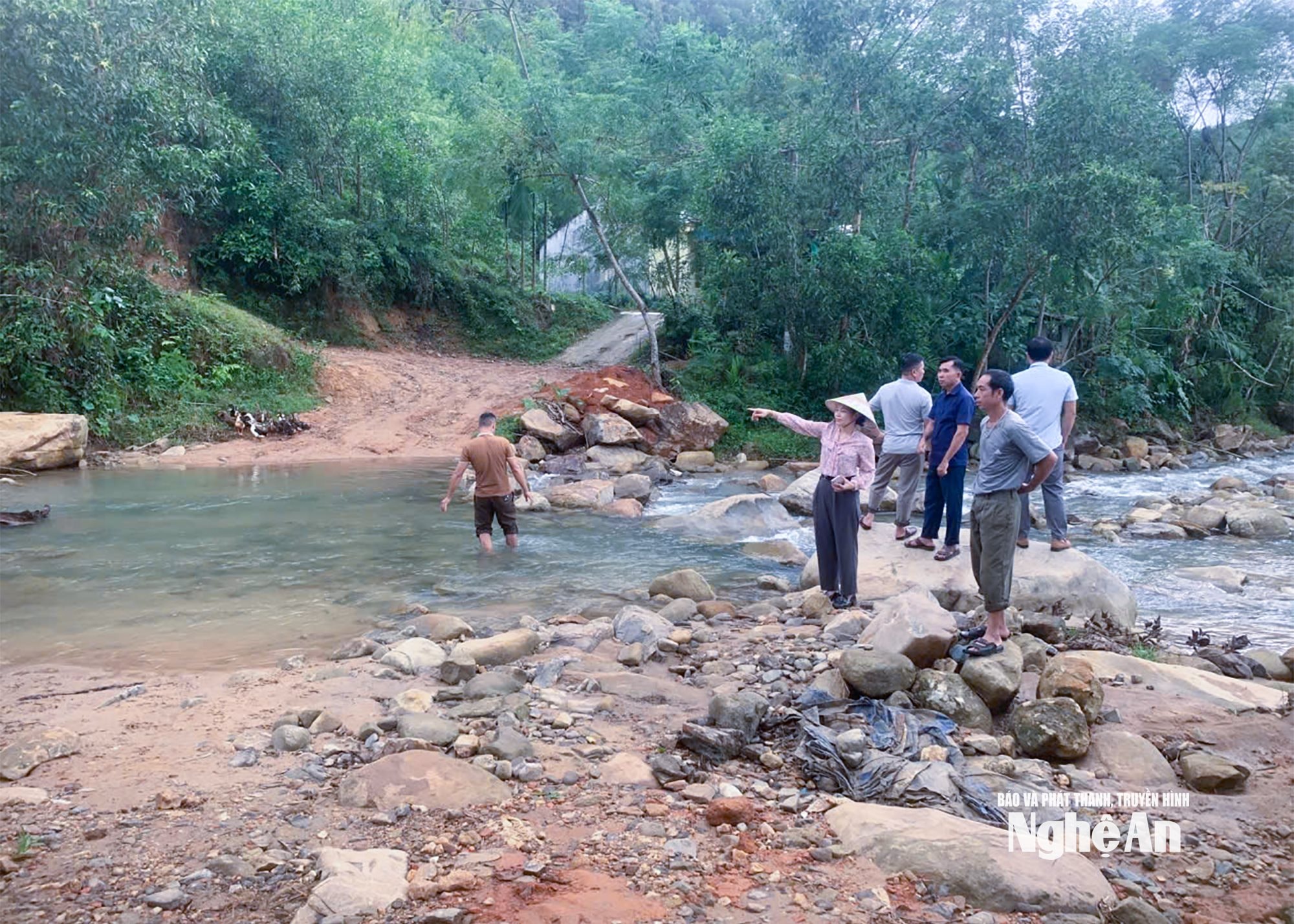
With the perspective that "correct self-criticism leads to effective corrective action," Tam Hop commune conducted a serious and coordinated year-end self-criticism from the Party branches to the commune Party committee. The overarching principle was to avoid confrontation, especially with areas that directly impact the lives of the people.
During the review, Tam Hop frankly pointed out the "bottlenecks" in the context of simultaneously operating a two-tiered local government while dealing with a large volume of work across a wide area with a large population. The prominent limitations included a lack of adequate and weak information technology infrastructure; uneven capabilities among officials and civil servants, a shortage of specialized personnel; and the failure to meet the requirements of administrative reform and digital transformation.
The viewpoint of the Tam Hop Commune Party Committee is: "correct self-criticism leads to effective corrective measures," and the corrective solutions should not only address immediate issues but also focus on fundamental, sustainable solutions.
Comrade Cao Duc Trung - Secretary of the Party Committee, Chairman of the People's Council of Tam Hop Commune
Furthermore, the process of grasping the fundamentals, guiding ideology, and handling public opinion, especially in cyberspace, has at times been slow; some long-standing issues remain unresolved. The New Rural Development Program has only achieved 7 out of 19 criteria, reflecting significant pressure on resources and implementation methods.
Based on that frank assessment, Comrade Cao Duc Trung - Secretary of the Party Committee and Chairman of the People's Council of Tam Hop commune - affirmed: The solution to the problem should not only address immediate issues but also focus on fundamental and sustainable solutions. The main focus is on continuing to improve the organizational structure, rationally assigning cadres between the Party and government sectors; tightening administrative discipline and order; and promoting training and development of digital skills for cadres and civil servants. At the same time, the commune will concentrate on comprehensively reviewing the unmet criteria for new rural development, clearly assigning responsibilities, tasks, and timelines; prioritizing resources, strengthening propaganda and mobilization, and promoting the leading role of the people.
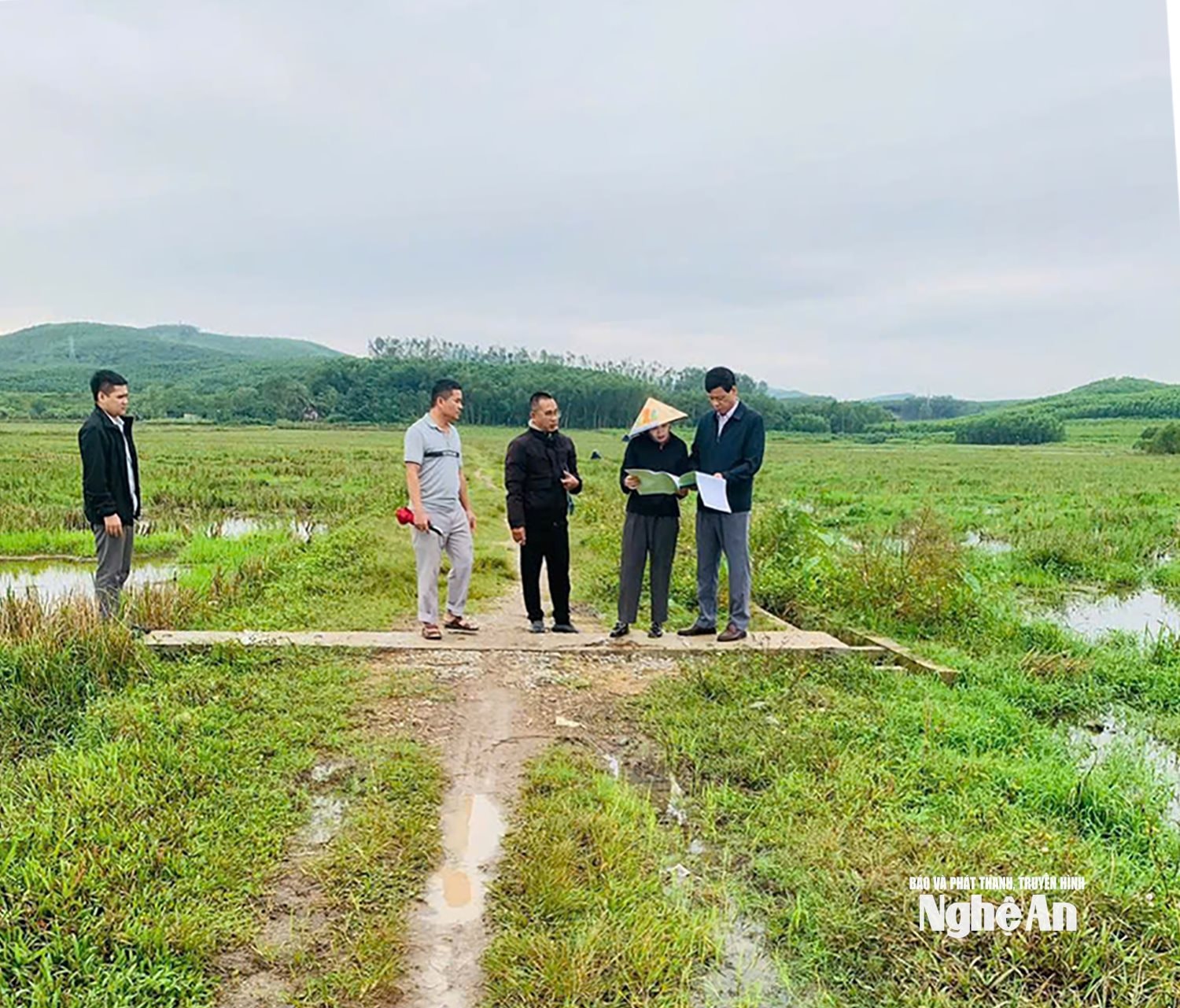
Practical experience in self-criticism at Party committees at all levels in the province shows that when self-criticism is conducted democratically and frankly, using work efficiency as a measure and basis for ranking, and more importantly, it serves as a "lever" to overcome limitations, resolve difficulties, and create high unity in awareness and action of the entire political system, meeting the requirements of the tasks in the new development stage.
Suggesting directions for innovation in leadership and management.
Besides emphasizing the spirit of "self-reflection and self-correction" within each Party committee, the direct participation and guidance of higher-level leaders in the review process has truly elevated these review meetings, transforming them from mere annual activities into profound, substantive political events, avoiding formality. The participation and guidance from higher-level leaders goes beyond simply assessing achievements and shortcomings; more importantly, it inspires new thinking and approaches, creating changes in leadership methods and leading to breakthroughs in the future.
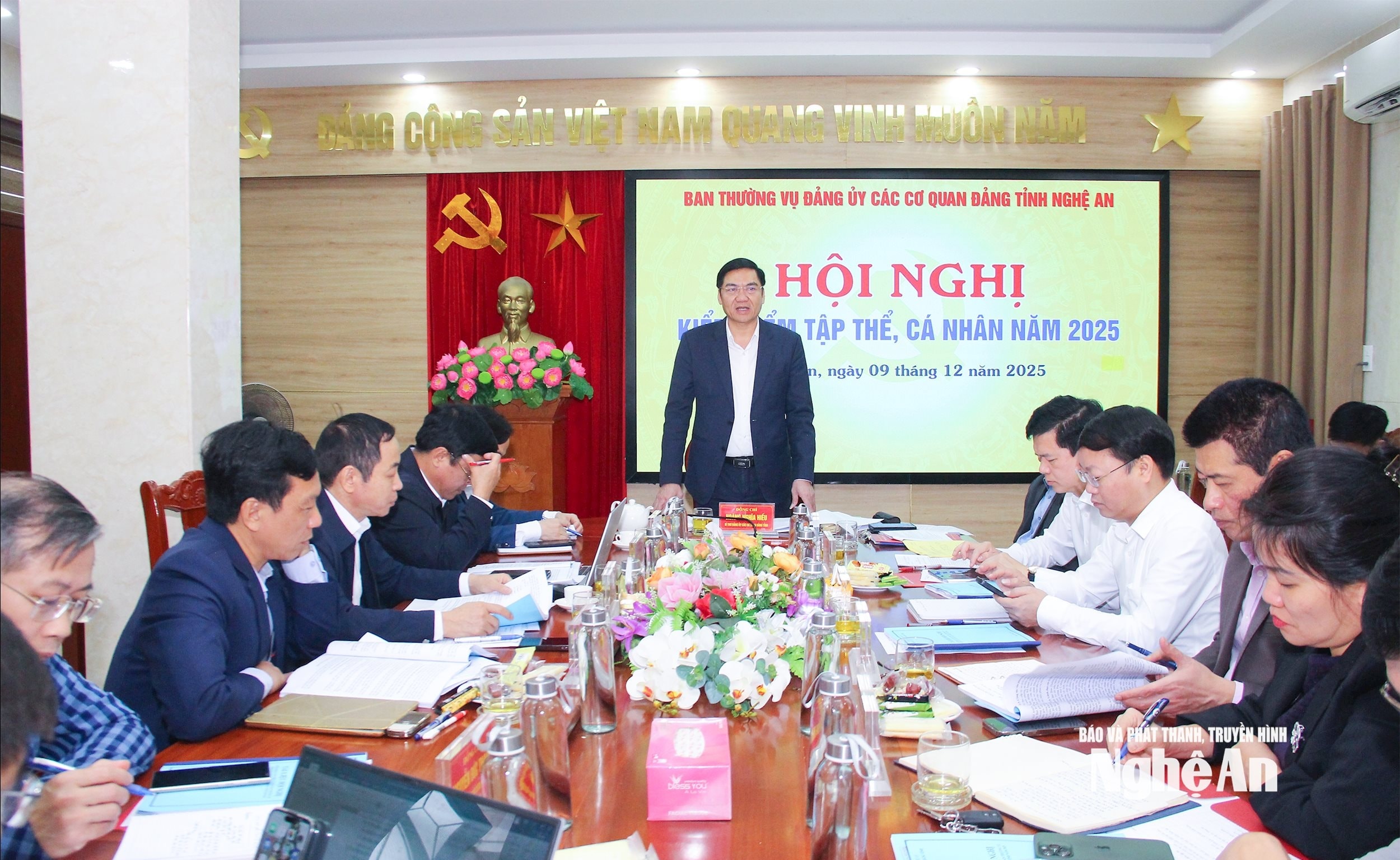
Directing the review meeting of the Standing Committee of the Party Committee of the provincial Party agencies, Comrade Hoang Nghia Hieu - Permanent Deputy Secretary of the Provincial Party Committee and Chairman of the Provincial People's Council - emphasized the need to correctly identify limitations and shortcomings, linking them to the specific responsibilities of the collective and each member of the Standing Committee; considering this a prerequisite for thoroughly overcoming them and preventing the "recurrence of shortcomings next year". He also requested continued comprehensive attention to Party building; acceleration of administrative reform and digital transformation; focus on Party member development; maintaining internal unity; improving leadership capacity; and successfully fulfilling the political tasks of each agency and unit.
Review must accurately identify limitations and shortcomings, linking them to the specific responsibilities of the collective and each individual; this should be considered a prerequisite for thorough rectification and preventing the "recurrence of shortcomings the following year".
Comrade Hoang Nghia Hieu - Standing Deputy Secretary of the Provincial Party Committee, Chairman of the Provincial People's Council of Nghe An
At the review meeting of the Provincial Party Committee's Propaganda and Mass Mobilization Department, Comrade Vo Thi Minh Sinh - Deputy Secretary of the Provincial Party Committee, Chairwoman of the Vietnam Fatherland Front Committee of the province, and Head of the Provincial National Assembly Delegation - emphasized the need to continue innovating propaganda and mass mobilization work. Propaganda must lead, follow, and keep pace to provide direction; mass mobilization must be done early and from the root to create consensus right from the implementation of policies.
The Deputy Secretary of the Provincial Party Committee also specifically noted the strong development of digital platforms, considering Fanpages, Zalo OA, and electronic publications as "key propaganda spaces," strengthening official information, promptly combating harmful and toxic information, while proactively grasping public opinion, enhancing dialogue, creating high social consensus, and promoting the socio-economic development of the province.
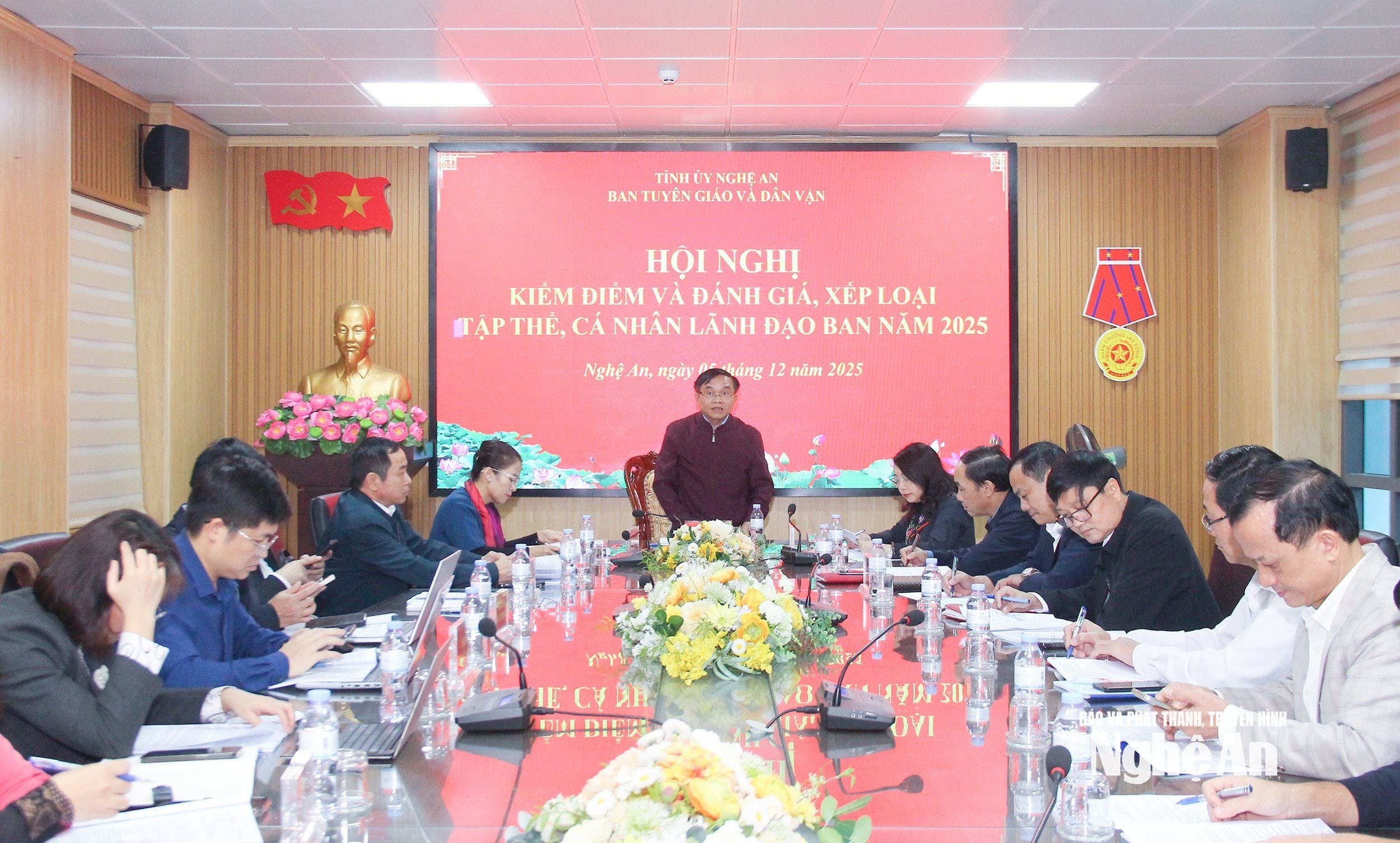
Attending and directing the review at the Department of Agriculture and Environment, Comrade Nguyen Van De - Member of the Provincial Party Standing Committee, Vice Chairman of the Provincial People's Committee - clearly outlined the key tasks: Enhancing the effectiveness of land management and use in accordance with the law; resolving long-standing outstanding issues; strictly controlling mineral exploitation; developing commercial agriculture and applying high technology; strictly enforcing measures against IUU fishing; promoting high-tech forestry, protecting the environment, and proactively responding to climate change.
The above directives affirm that self-criticism is inseparable from the task of development, but rather serves as a "foundation" for adjusting thinking and leadership and management methods in each field. When self-criticism is conducted democratically and frankly, linking individual responsibility to concrete results, it truly becomes a driving force for innovation.
Self-criticism has helped to clearly identify bottlenecks, adjust thinking and leadership and management methods, and open up directions and solutions suitable to new development requirements. More importantly, the spirit of "self-reflection and self-correction" has spread, along with close guidance from superiors, contributing to improving the leadership capacity and fighting strength of Party organizations, creating unity in action throughout the entire political system.


