
From the herring trend to a "gold mine" of marine culture.
Nghe An's coastal region boasts not only sunshine, wind, and beautiful beaches, but also preserves a rich cultural heritage of its coastal inhabitants. From fishing festivals and the worship of the Whale God, to traditional fish sauce making villages and the vibrant life of fishing ports and markets, all have the potential to become unique tourism products. However, this potential has yet to be exploited to its full potential.
.png)
Minh Quan /Present:Hong Toai• April 5, 2026
*****
Nghe An's coastal region boasts not only sunshine, wind, and beautiful beaches, but also preserves a rich cultural heritage of its coastal inhabitants. From fishing festivals and the worship of the Whale God, to traditional fish sauce making villages and the vibrant life of fishing ports and markets, all have the potential to become unique tourism products. However, this potential has yet to be exploited to its full potential.
.png)
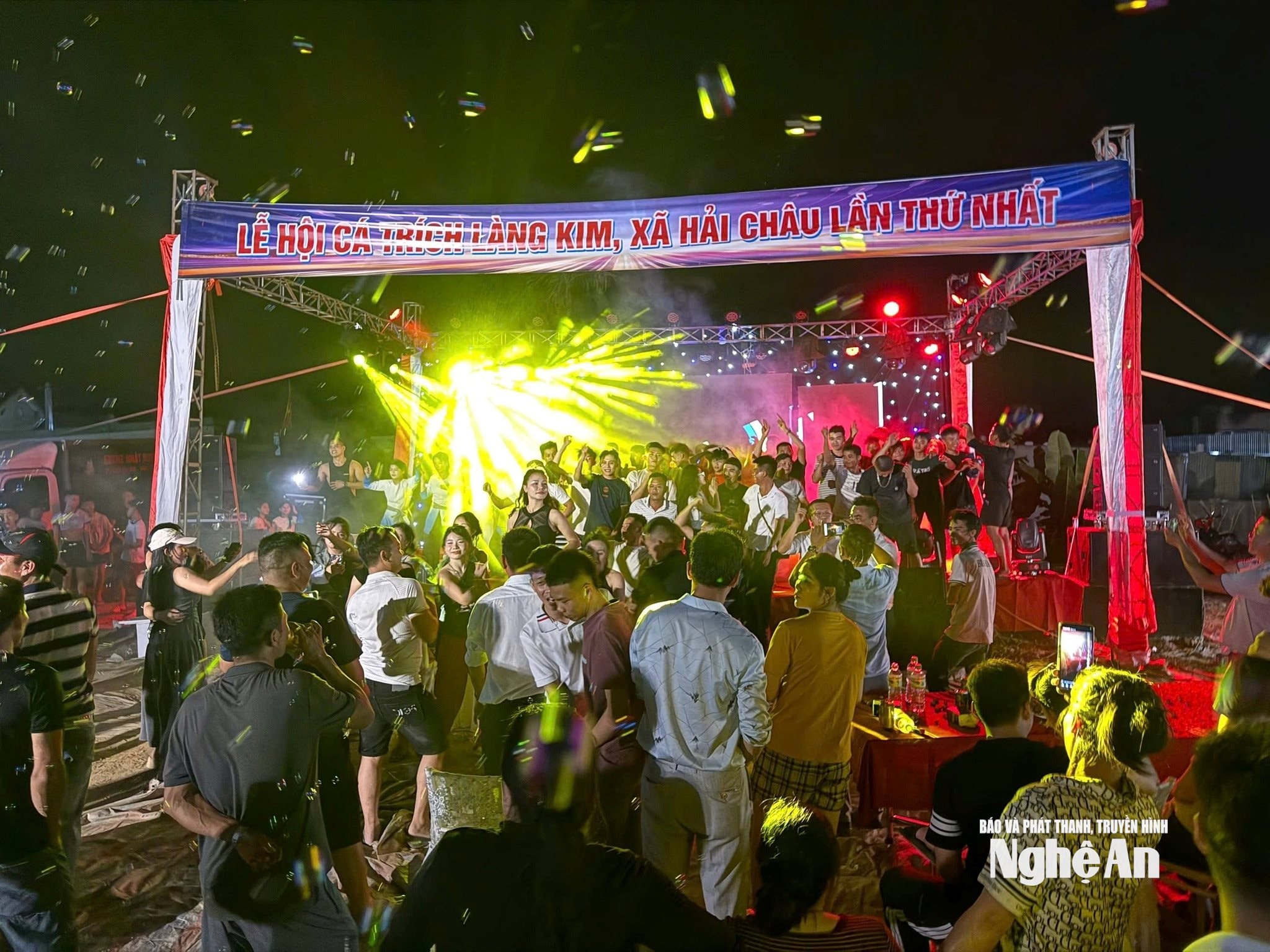
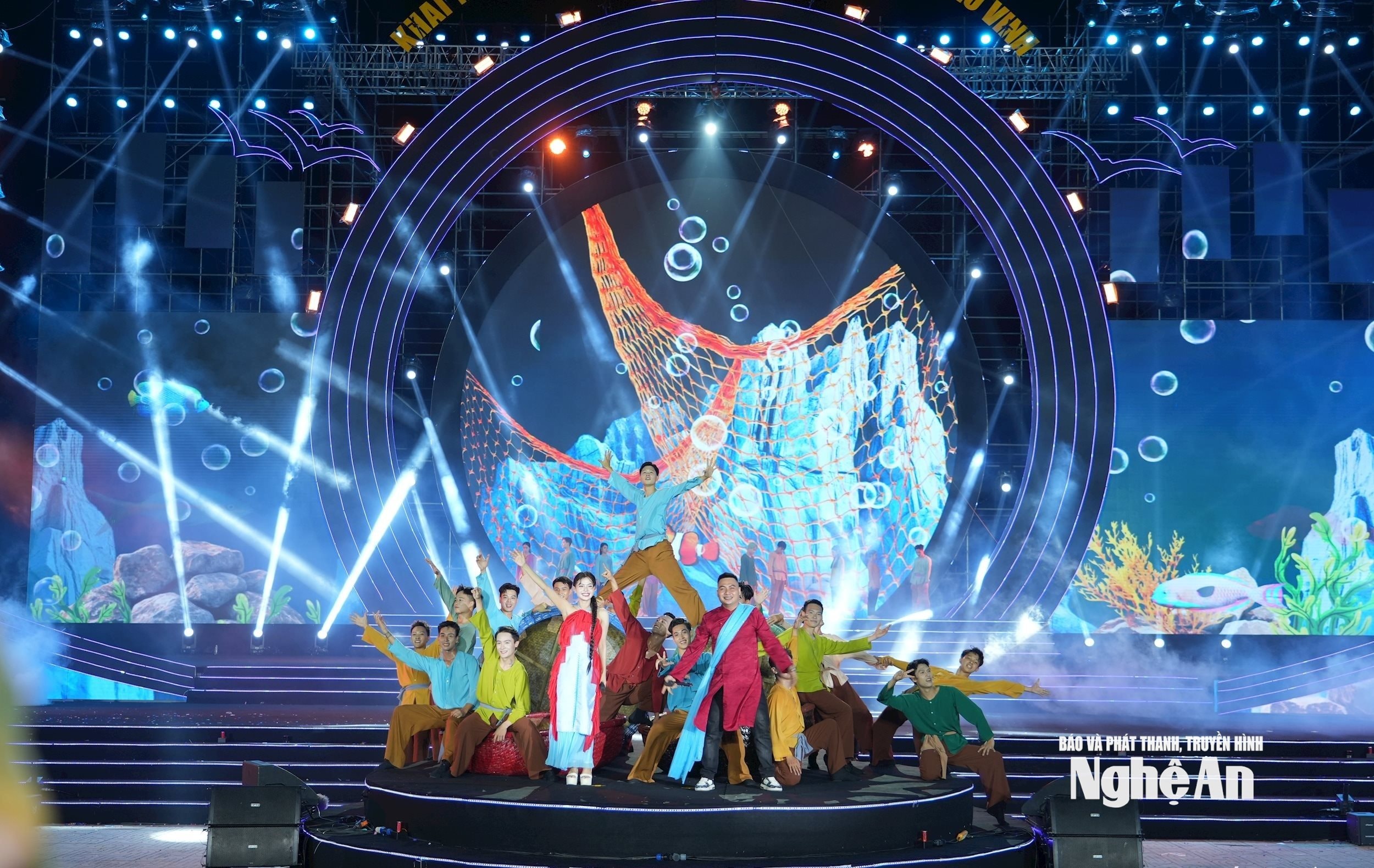
At 6 PM on March 31st, the beach in Lang Kim village, Hai Chau commune, was bustling with activity in the atmosphere of the herring festival. A large stage was set up on the beach facing the sea, where the opening ceremony, cultural performances, and fireworks display took place, attracting a large number of locals and tourists.
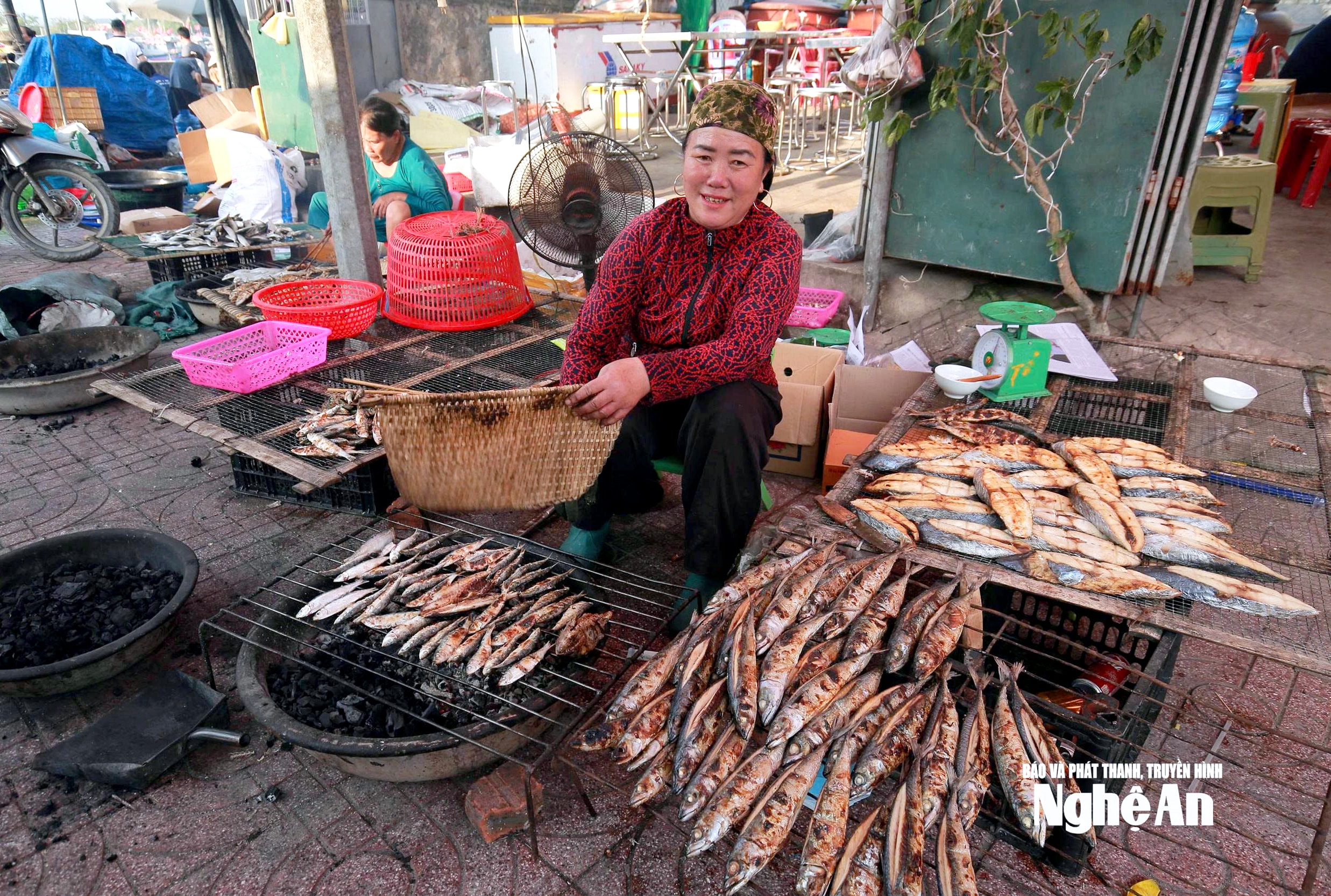
Not far away were dozens of stalls selling all kinds of herring: from fresh fish and dried fish to fragrant grilled fish served on the spot. In the salty breeze, tourists strolled around the stalls while enjoying hot herring right on the sand.
Ms. Chu Thi Hong, the owner of a restaurant in Xuan Chau hamlet, Hai Chau commune, believes that the popularity of grilled herring lies not only in its flavor but also in the unique atmosphere of the coastal village. "Tourists enjoy sitting on the sand, listening to the waves, watching boats dock, and seeing locals gathered around charcoal grills as they have for generations," Ms. Hong shared.
According to Ms. Hong, the people of Hai Chau commune still want to preserve the simple, traditional cooking methods of the fishermen. Fish are grilled immediately after being brought ashore, without any elaborate marinades. "We want tourists to experience the true taste of the sea and the lifestyle of the fishing village people," she said.
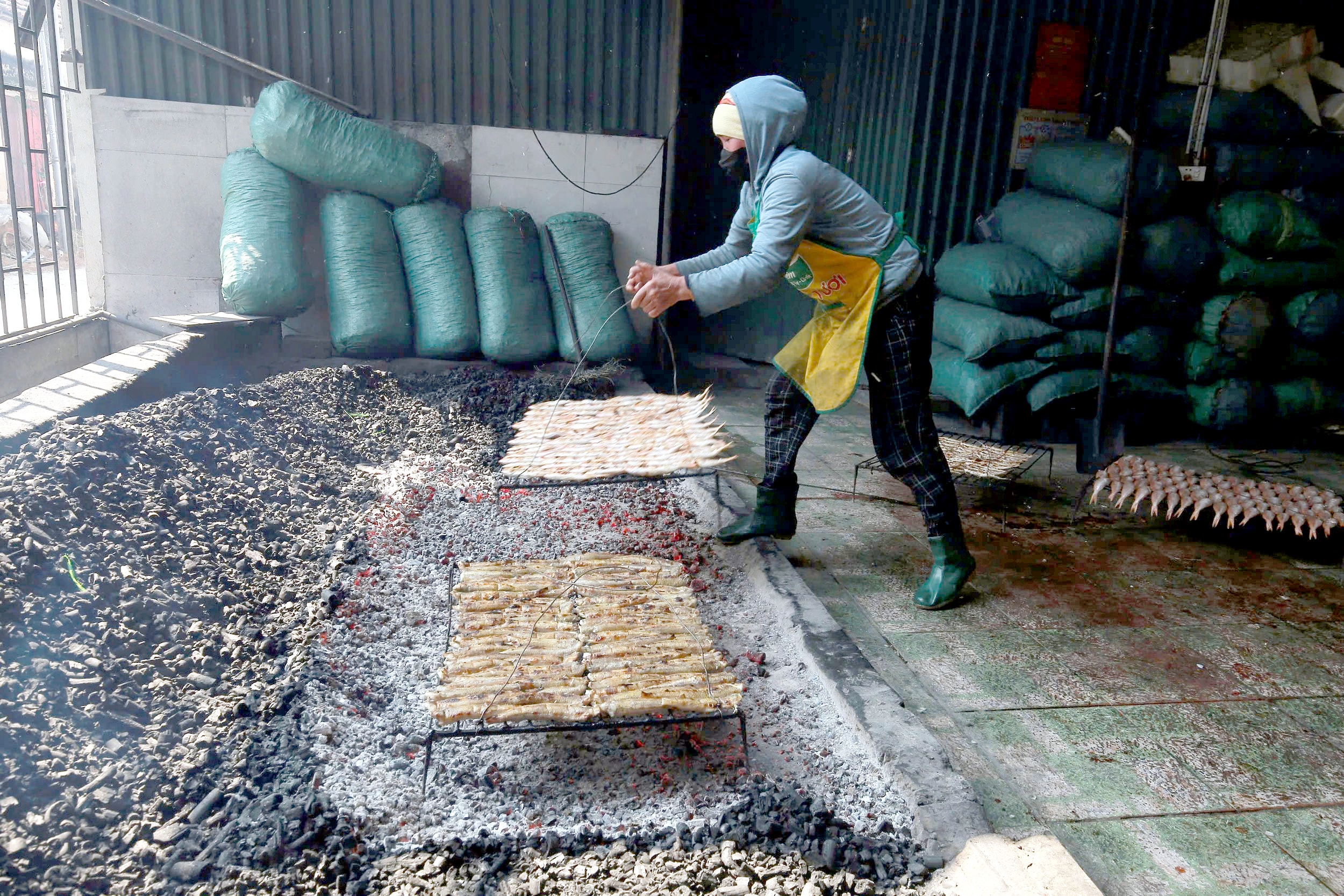
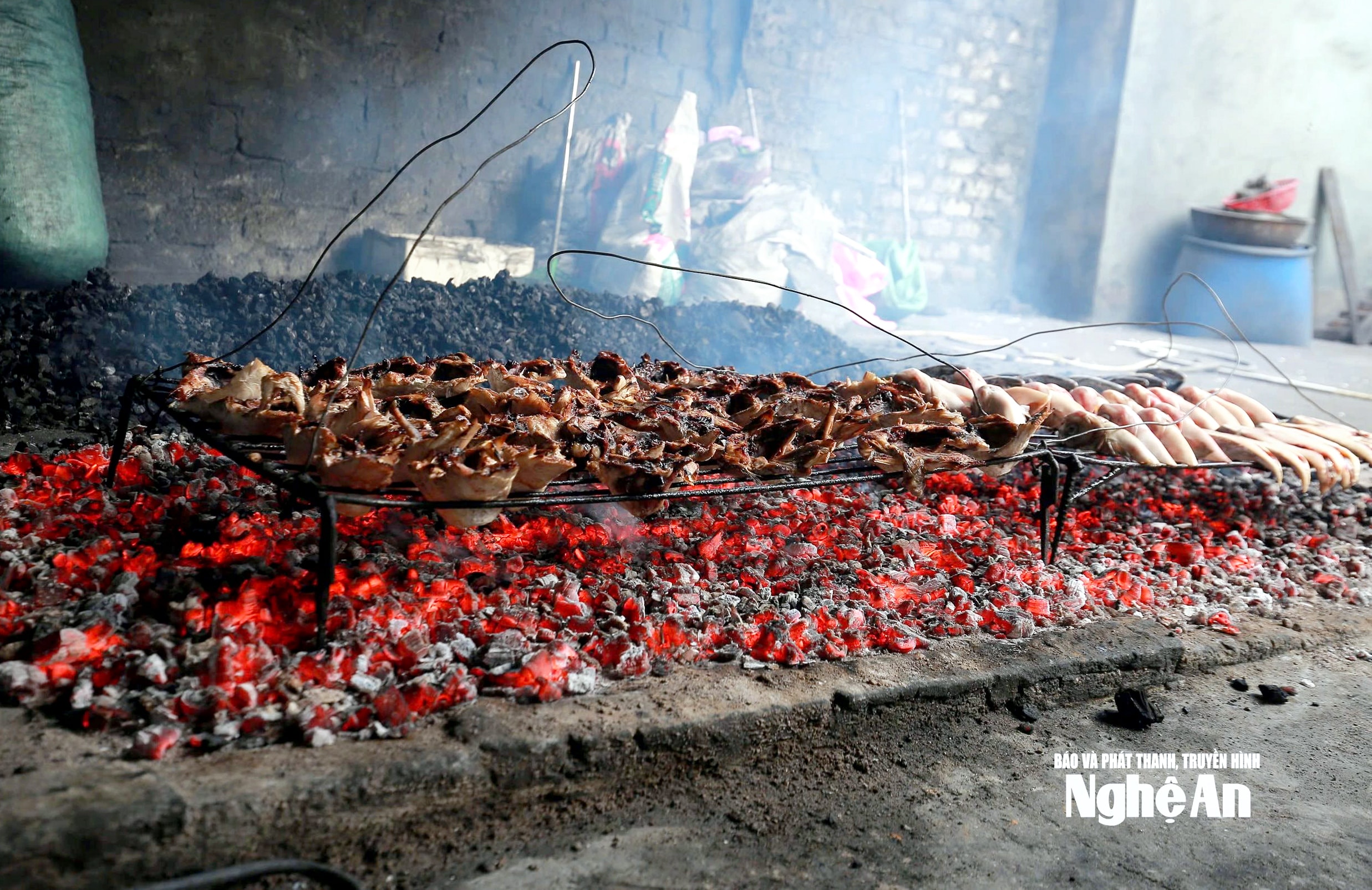
Mr. Nguyen Nha Son, Vice Chairman of the Hai Chau Commune People's Committee, said that the locality wants to use the herring festival to promote its image and introduce the lifestyle, culture, and fishing profession of the people in the coastal area of Dien Chau. In the long term, Hai Chau commune will develop this into an annual tourism product, associated with the experience of fishing villages and seafood cuisine.
From the story in Hai Chau commune, it's clear that Nghe An possesses an untapped "gold mine" of maritime culture, comprising two main groups: cuisine and life in coastal villages, and beliefs and festivals. Of these, cuisine and the life of coastal residents are the most relatable and attractive to tourists. Besides herring, the coastal region of Nghe An boasts many dishes that have become "brands," such as fresh squid, fish salad, steamed crab, clam porridge, fish sauce, and shrimp paste. What's fascinating is that behind each dish lies a story about the livelihoods of the local people.
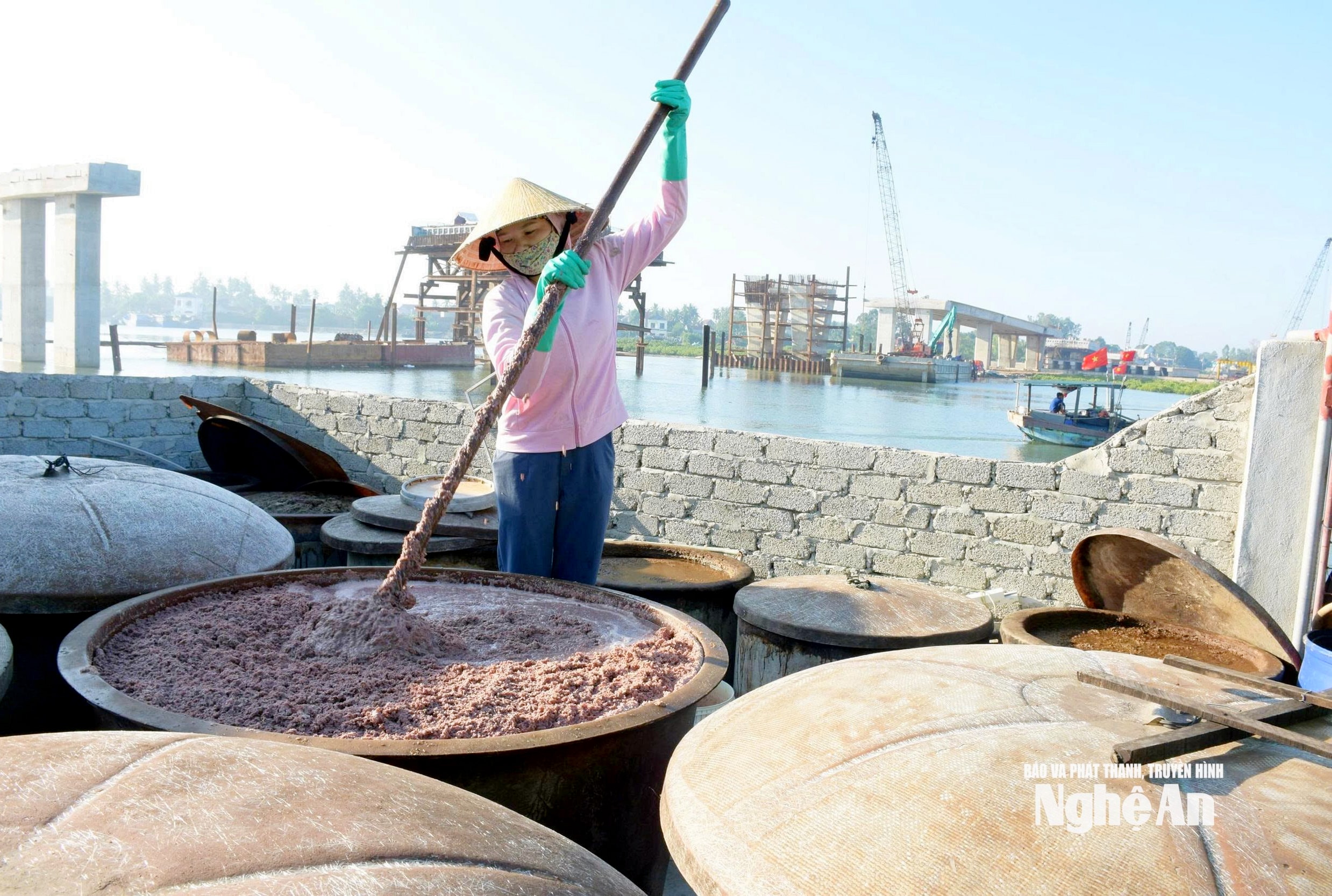
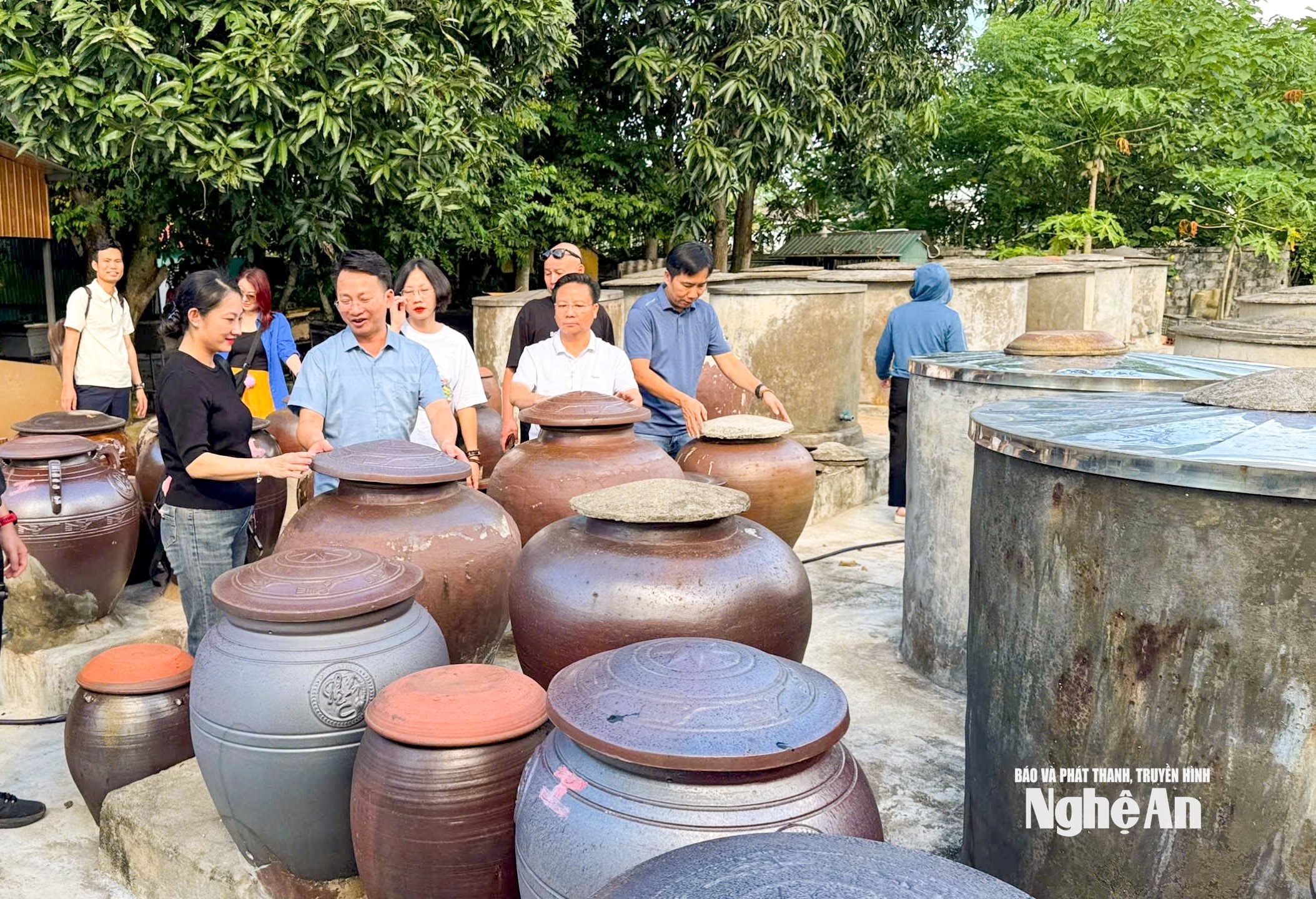
In many localities such as Cua Lo, Hai Chau, Quynh Phu, and Tan Mai, the traditional crafts of making fish sauce, dried seafood, and shrimp paste have been preserved for generations. These villages have the potential to become tourist destinations where visitors can explore, experience, and purchase products.
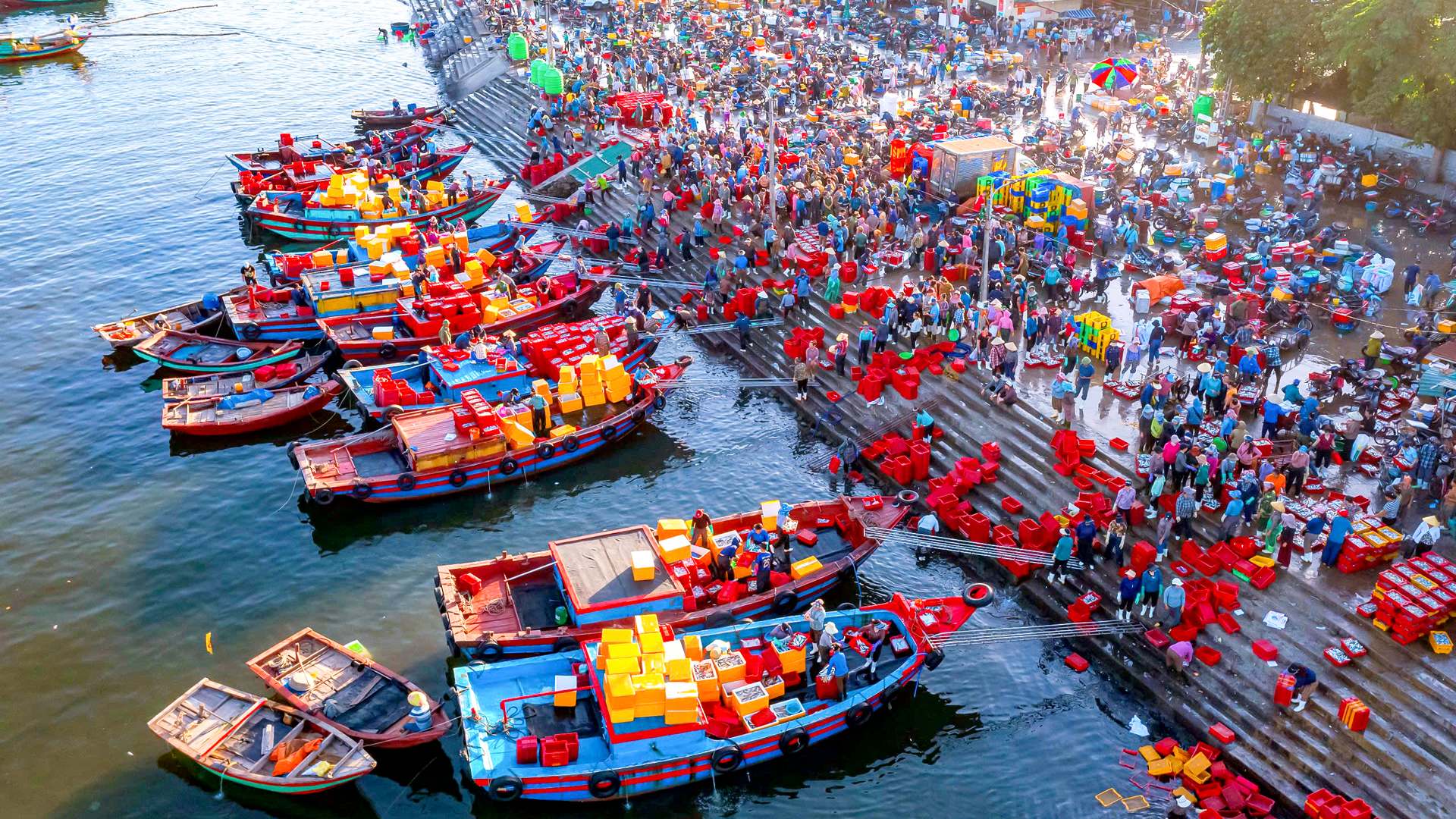
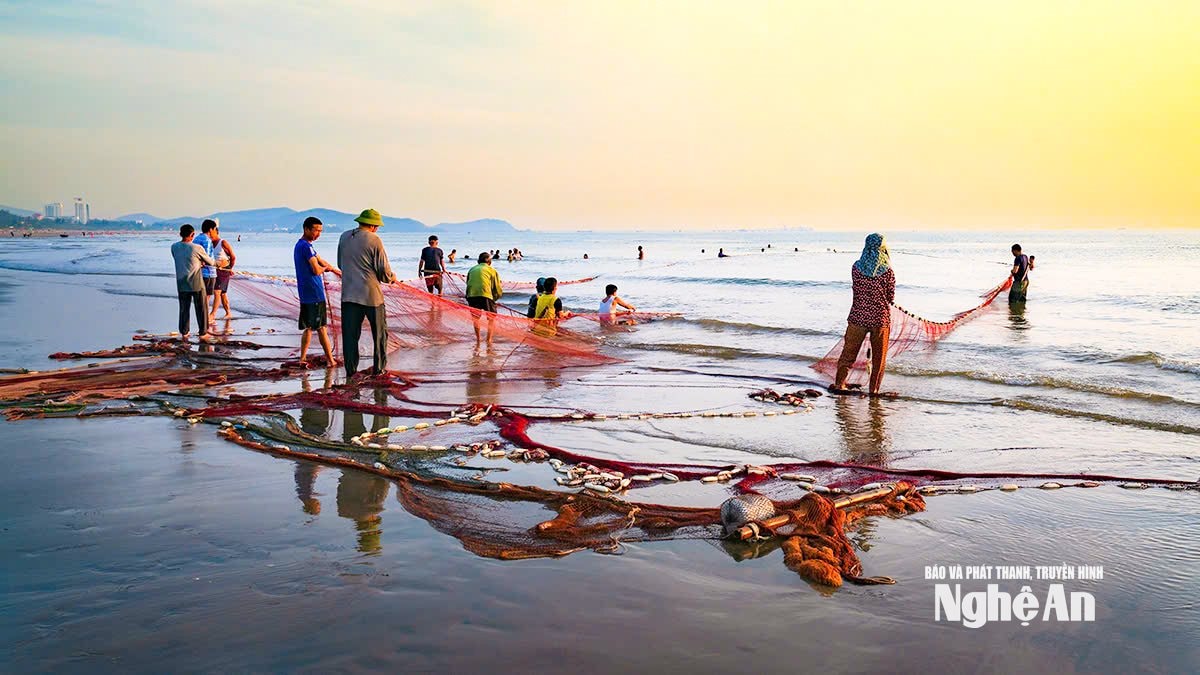
But what gives depth to seafood cuisine is not just the food itself, but also the living space of the fishing village residents. Before dawn, at Nghi Thuy fishing port in Cua Lo ward or Lach Quen fishing port in Quynh Phu commune, dozens of boats line up to dock. The sound of engines, the shouts and calls, and the bargaining at the fish market create a vibrant rhythm of life. This is not just the life of the seafaring profession, but also a lively "cultural space" - a place that preserves the customs, traditions, and memories of coastal residents.
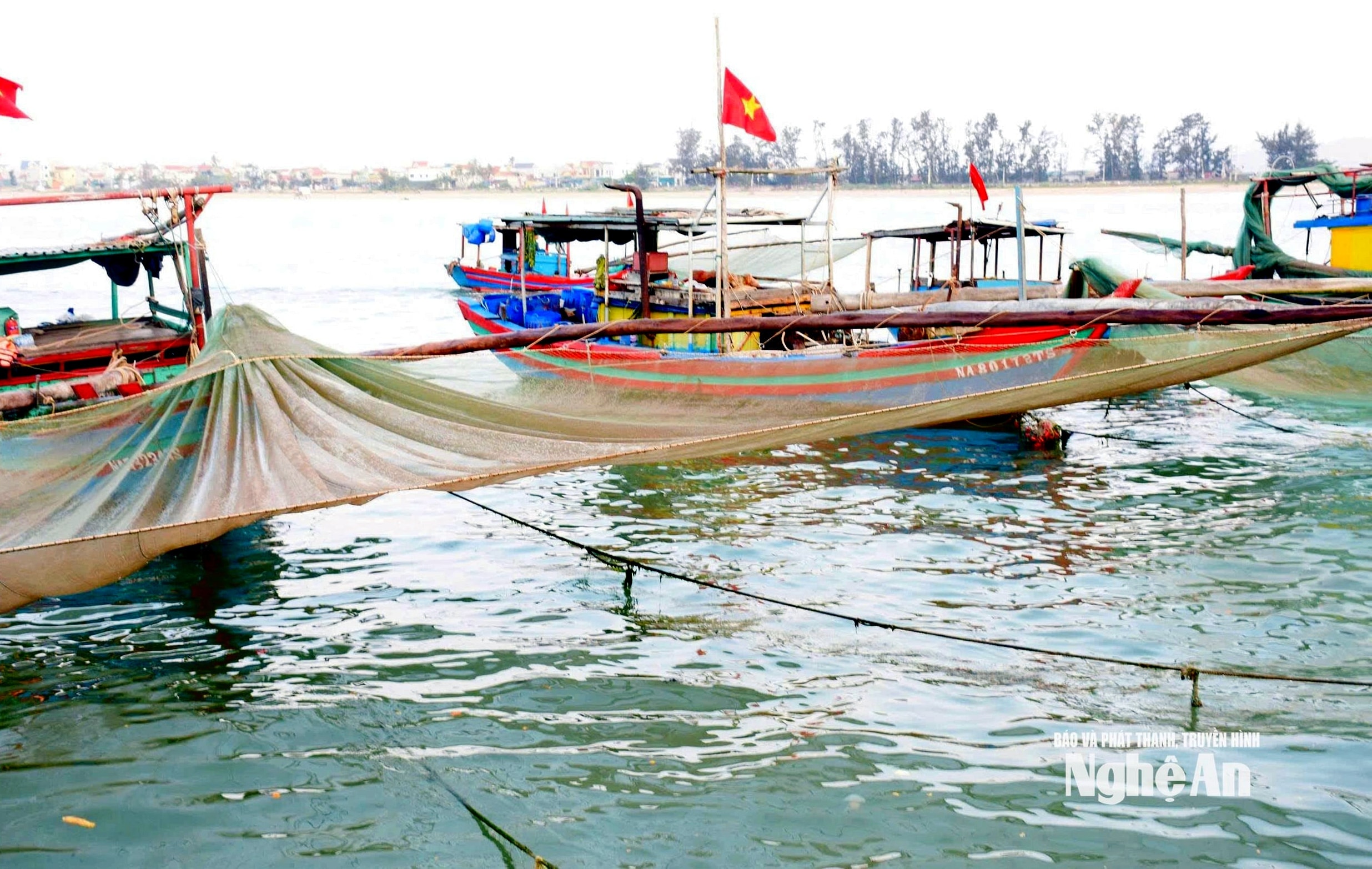
Recently, in Cua Lo ward, several experiential tours have taken tourists to the fish market at dawn, followed fishermen pulling in their nets, and visited fishing villages. Although still on a small scale, these experiences are beginning to create a difference compared to traditional beach tourism that only involves swimming and relaxing.
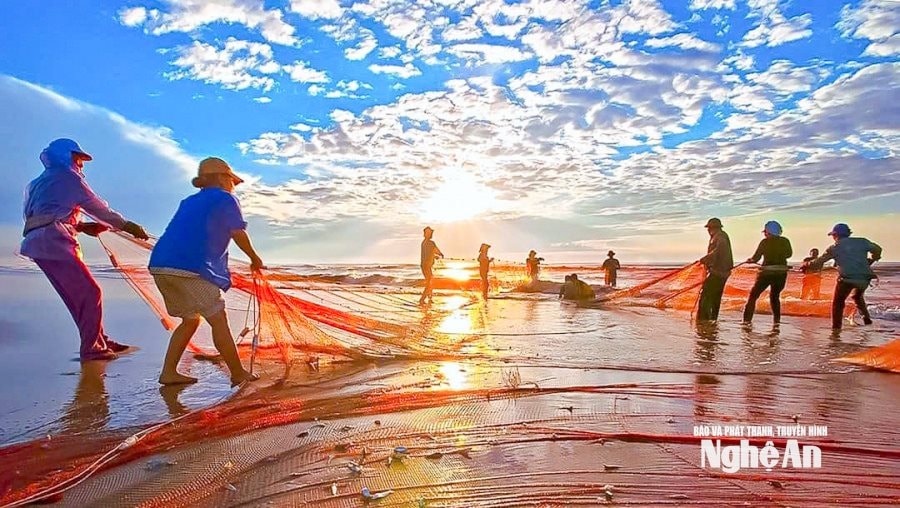
The second group of values is beliefs and festivals associated with the sea. Along the coast of Nghe An, along with famous temples such as Corn Temple, Mai Bang Temple, Van Loc Temple, and Yen Luong Temple, many fishing villages still preserve the custom of worshipping the Whale God, the custom of praying for a bountiful fishing season, and praying for calm seas and abundant catches of shrimp and fish.
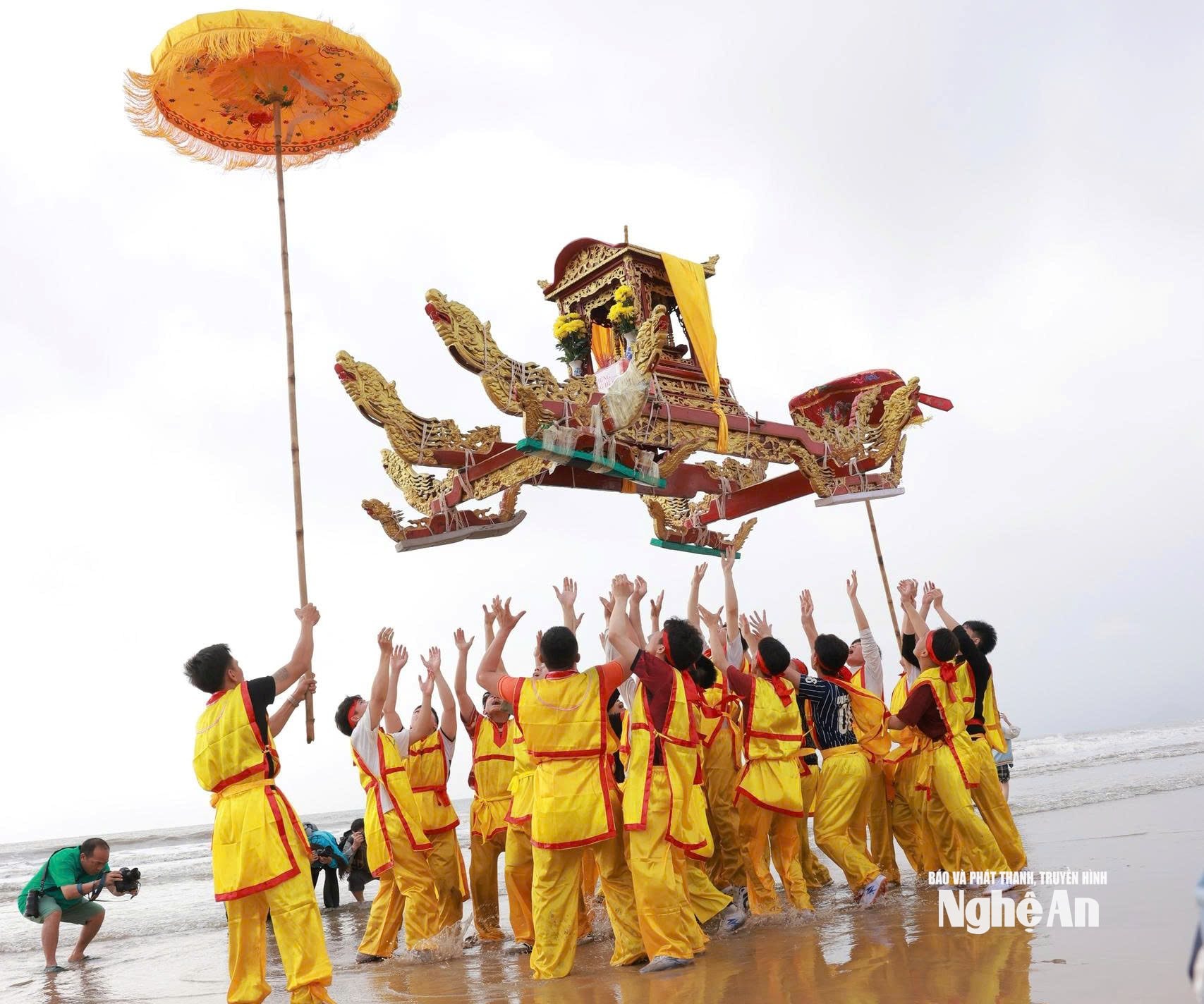
In the system of coastal festivals in Nghe An province, the Cờn Temple Festival stands out with its unique "running and vomiting" ritual – a procession of palanquins on the beach. After the fishing prayer ceremony, young men carry the palanquins of the Four Holy Mothers, running and tossing them high into the air amidst cheers, creating a rare "flying palanquin" sight at coastal festivals.
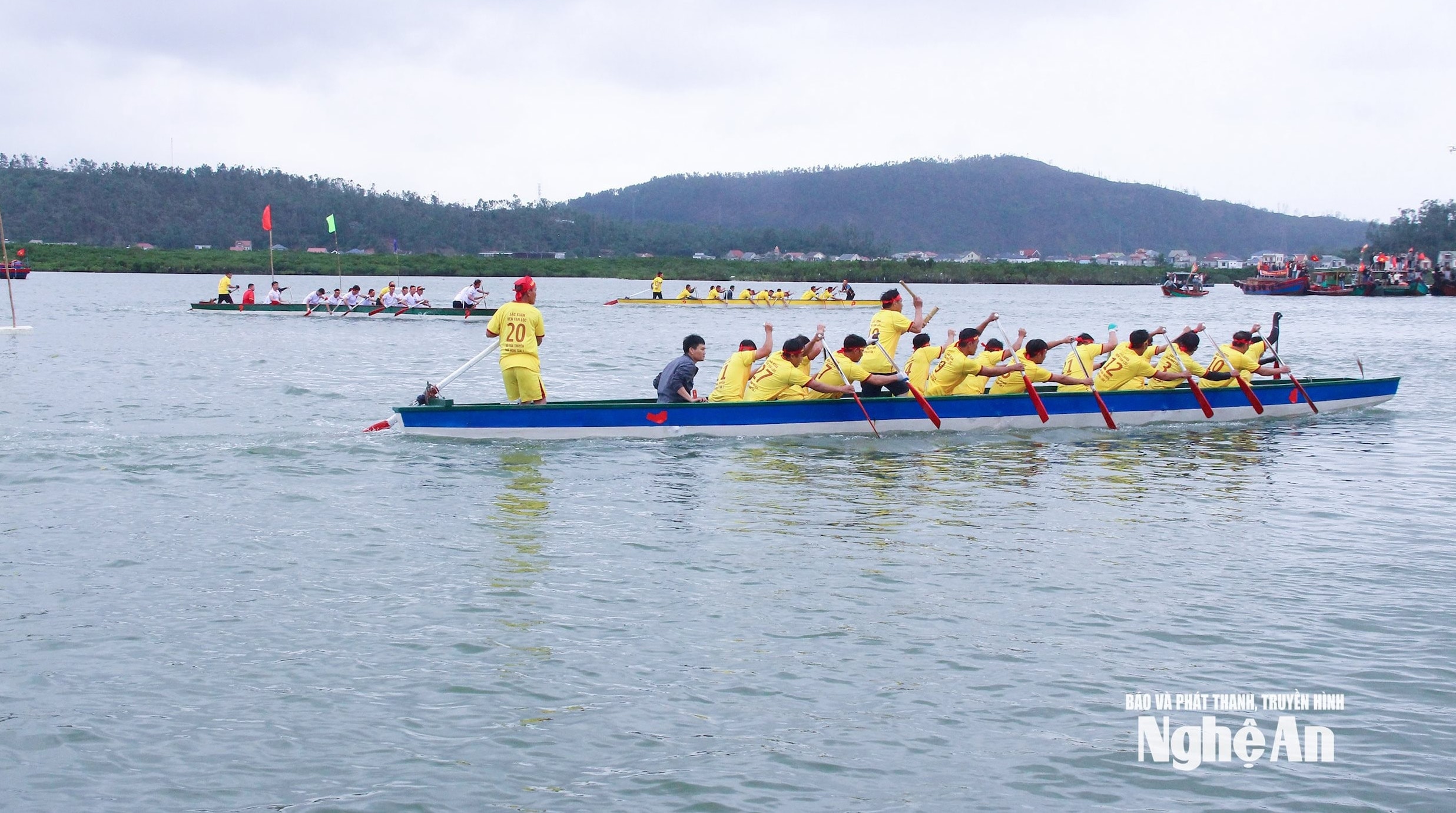
Meanwhile, the Mai Bang Temple Festival reflects the rustic charm of the coastal region, highlighted by the rituals of praying for a good fishing season and offering sacrifices to the sea god at the beginning of the year. The Van Loc Temple Festival, on the other hand, is unique with its procession of the deity and boat races on the Cam River, creating an atmosphere that is both sacred and vibrant…
.jpg)
According to Mr. Tran Xuan Cuong, Deputy Director of the Department of Culture, Sports and Tourism of Nghe An province, today's tourists not only "travel to admire" but also want to experience and live with the local culture. Therefore, for sustainable development of coastal tourism in Nghe An, it cannot rely solely on beaches, but must exploit the cultural depth from fishing festivals, traditional crafts, fishing village life, and seafood cuisine.
However, many maritime cultural values in Nghe An still exist spontaneously and have not been organized into tourism products. Activities such as net hauling, fish markets, sea-opening ceremonies, and seafood processing mainly take place within the community, making them difficult for tourists to access due to a lack of connecting organizations. The spaces in fishing villages, fish ports, and seafood markets are still chaotic and unsanitary; many places have festivals, specialties, and traditional crafts but lack compelling storytelling to retain tourists. Many festivals only focus on the traditional ceremonial and celebratory parts, without being linked to experiential activities, exhibitions, or the introduction of maritime crafts, cuisine, and local products.
Having made numerous business trips to Nghe An, Mr. Tran Dinh Thanh, Deputy Director of the Department of Cultural Heritage (Ministry of Culture, Sports and Tourism), believes that Nghe An needs to change its approach: Instead of just exploiting the sea as a resort destination, it must consider maritime culture as the "soul" of its tourism products. Each locality needs its own unique experience: Cua Lo should be associated with the early morning fish market, the fishing prayer ceremony, and the fish sauce making craft; Hai Chau could develop a "One Day as a Fisherman" tour; while Quynh Phu and Tan Mai could focus on seafood processing villages, festivals, and the tradition of opening the sea. Most importantly, activities must be professionally organized, with clear schedules, guides, and listed prices.
In addition, Nghe An needs to establish "coastal cultural stops" in Cua Lo, Hai Chau, Quynh Phu, Quynh Mai, and Tan Mai, with spaces featuring coastal village architecture, displaying fishing gear, introducing local specialties and OCOP products, and performing folk songs and dances.
According to Mr. Vo Ba Nguyen, Director of Vinh Guru, promotion is a crucial step. Many festivals, traditional crafts, and specialties along the coast of Nghe An are still little known due to a lack of media coverage, especially on social media. Meanwhile, short videos of pulling nets at dawn or grilling herring on the beach can easily create a buzz. Therefore, the locality needs to promote these activities through clips, digital maps, QR codes, and partnerships with travel agencies and travel bloggers. If done properly, events like the Herring Festival could become a unique brand for Nghe An's coastal tourism.
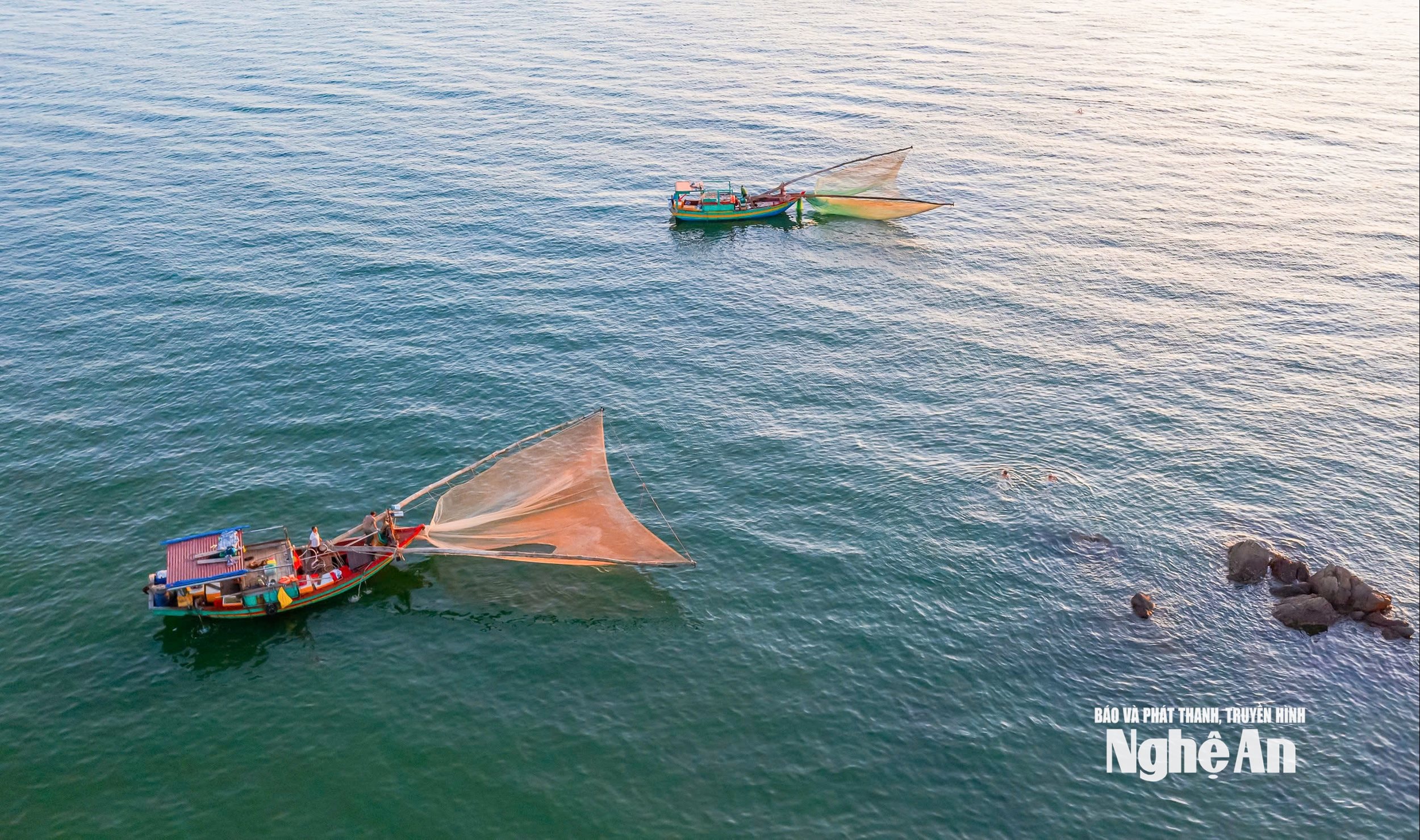
Ultimately, to ensure these ideas remain just on paper, close collaboration between the government, businesses, and the people is essential. When these three links work together, coastal villages will no longer be merely places to pass through after a few hours of swimming, but will become genuine destinations where tourists want to stay longer and return more often.


