
Self-written and self-sung songs: A new trend among artists.
While singers previously relied on trusted songwriters for suitable songs, the trend of self-composition and self-singing is now becoming a strong force in Vietnamese music. In Nghe An, this movement is not only spreading among young people but is also creating profound artistic imprints, from professional artists to emerging talents.
SignImprints from artists of Nghe An province
People's Artist Phuong Thao is one of the leading artists in the "singing her own songs" trend in Nghe An. Her song "Mo Duyen" (Dream of Love) once caused a sensation when performed in the "Music Road" program organized by VTV. Based on Northern Vietnamese folk music, "Mo Duyen" is a blend of smooth lyrics and refined singing style, clearly demonstrating the creative prowess of a seasoned artist.
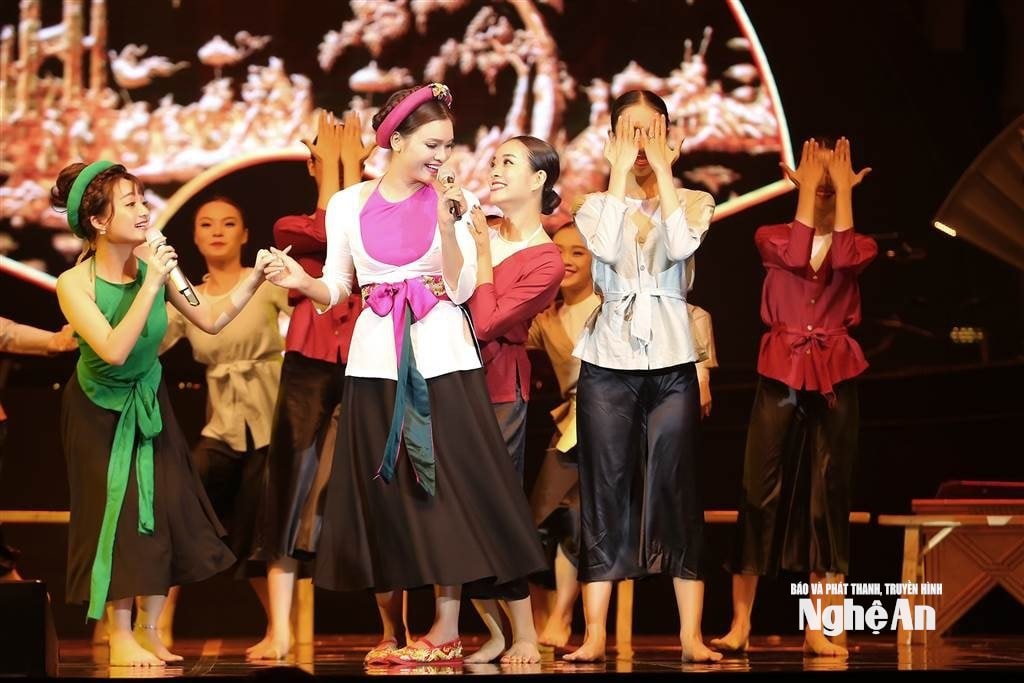
Building on that success, Phuong Thao continued to establish her reputation with a series of songs featuring contemporary folk melodies such as "My Hometown Boy," "Nghe An Girl," "The Victorious Young Man," and "Flying Amidst the Lam River"... Each song not only reflects the cultural beauty of Nghe An but also embodies the soul of a native. In particular, the song "Flying Amidst the Lam River," composed by her and performed by artist Thanh Hai (Nghe An Traditional Arts Center), won a Gold Medal at the National Professional Music and Dance Festival – clear evidence of the vitality of folk music when modernized with a contemporary feel. People's Artist Phuong Thao once said: "I write music not to prove anything, but to tell the stories of the people of Nghe An through music. When singing my own compositions, the emotions are always more complete, because it is the voice of my heart."
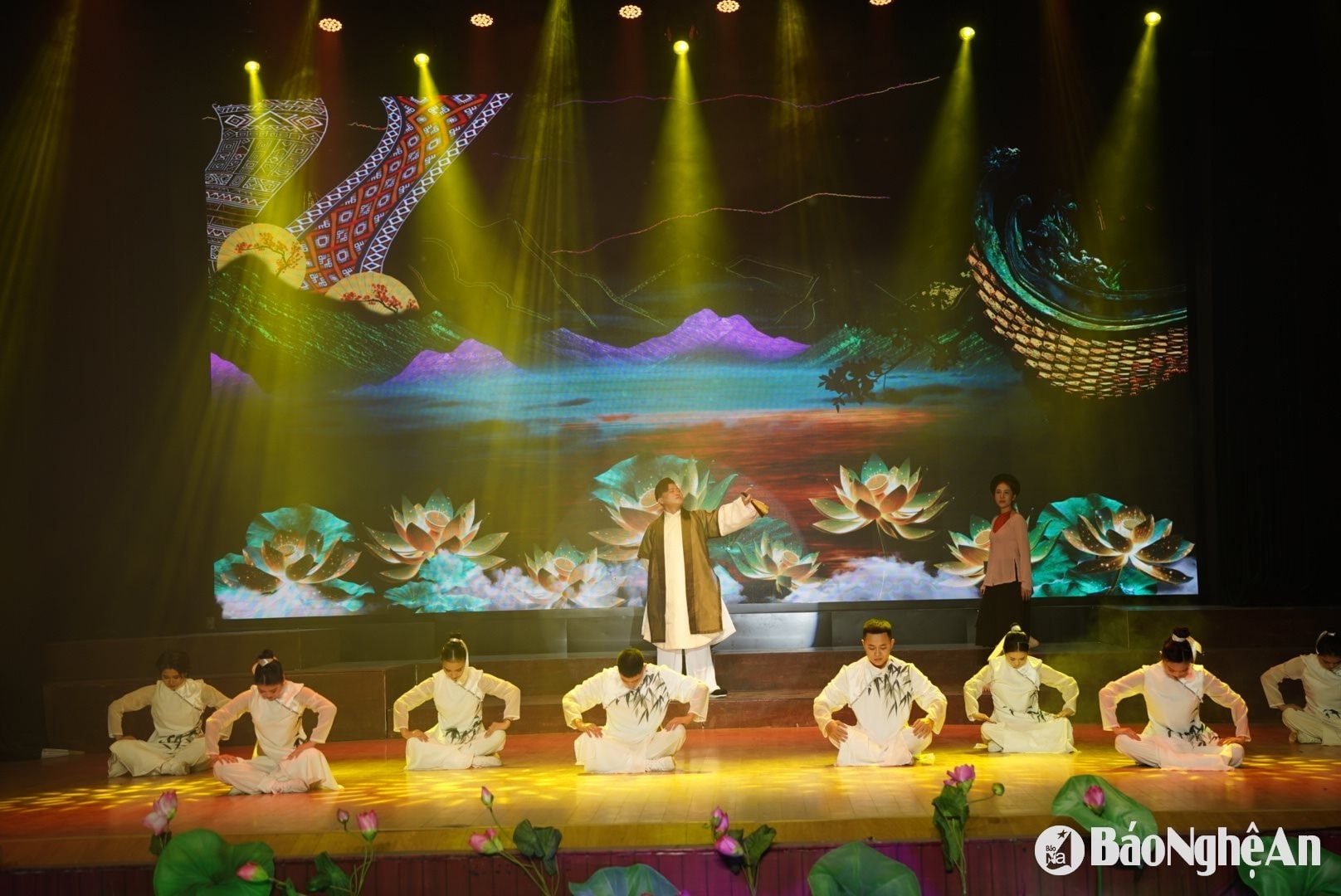
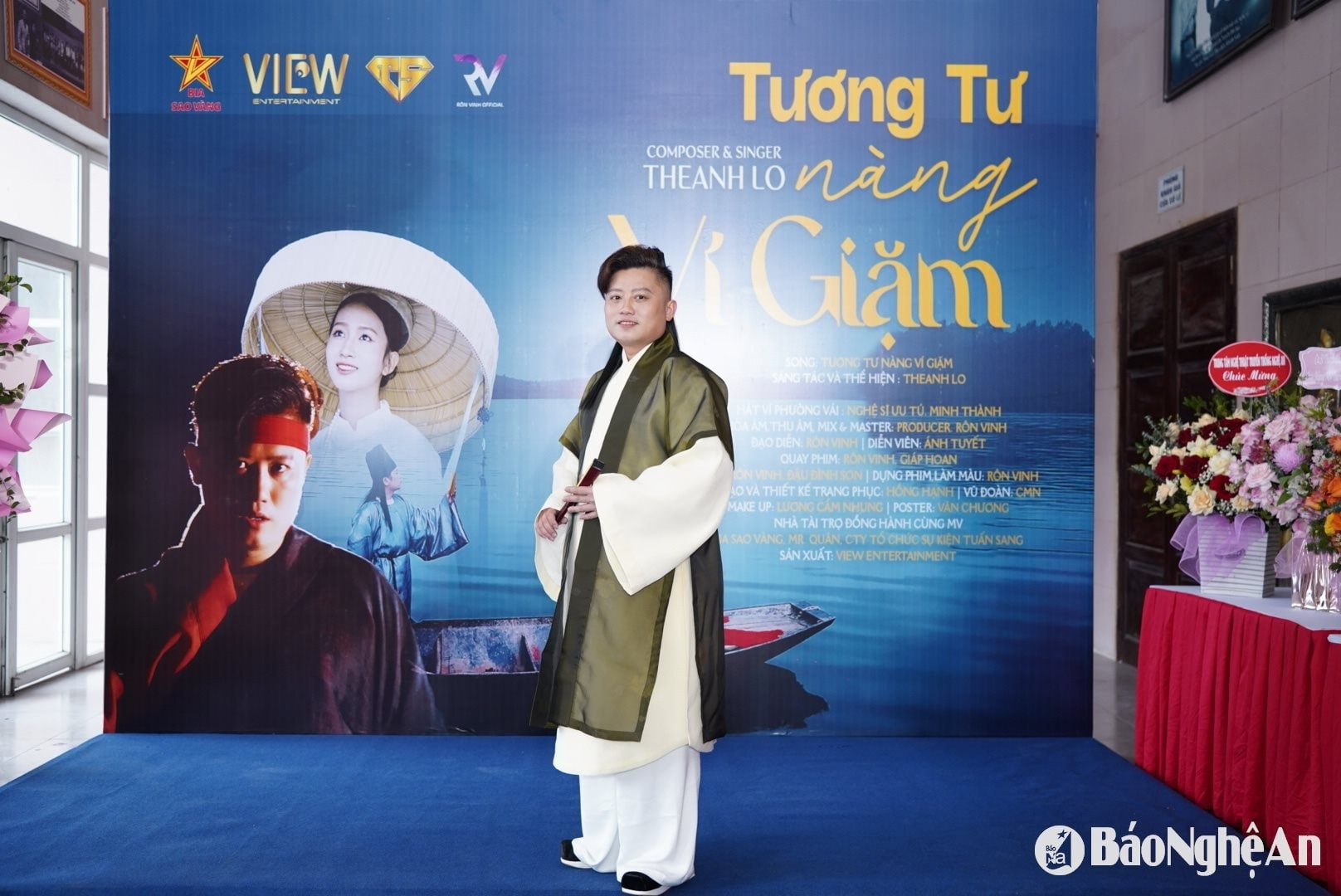
Besides Phuong Thao, singer Lo The Anh – a native of Tuong Duong – is also a prominent figure in this movement. He is known to the audience for his powerful voice, infused with rock but deeply rooted in his hometown. His song "Yen Hoa, My Hometown," composed and performed by himself, quickly became a favorite among people in western Nghe An. The simple song, developed from Thai folk melodies, boasts a rustic yet profound tune and has garnered millions of views on YouTube. Following this, he continued to release self-composed songs such as "Longing for the Vi Giam Girl" and "Returning to the Lam Vong Festival," affirming his talent as an ethnic artist who knows how to harmonize tradition and modernity.
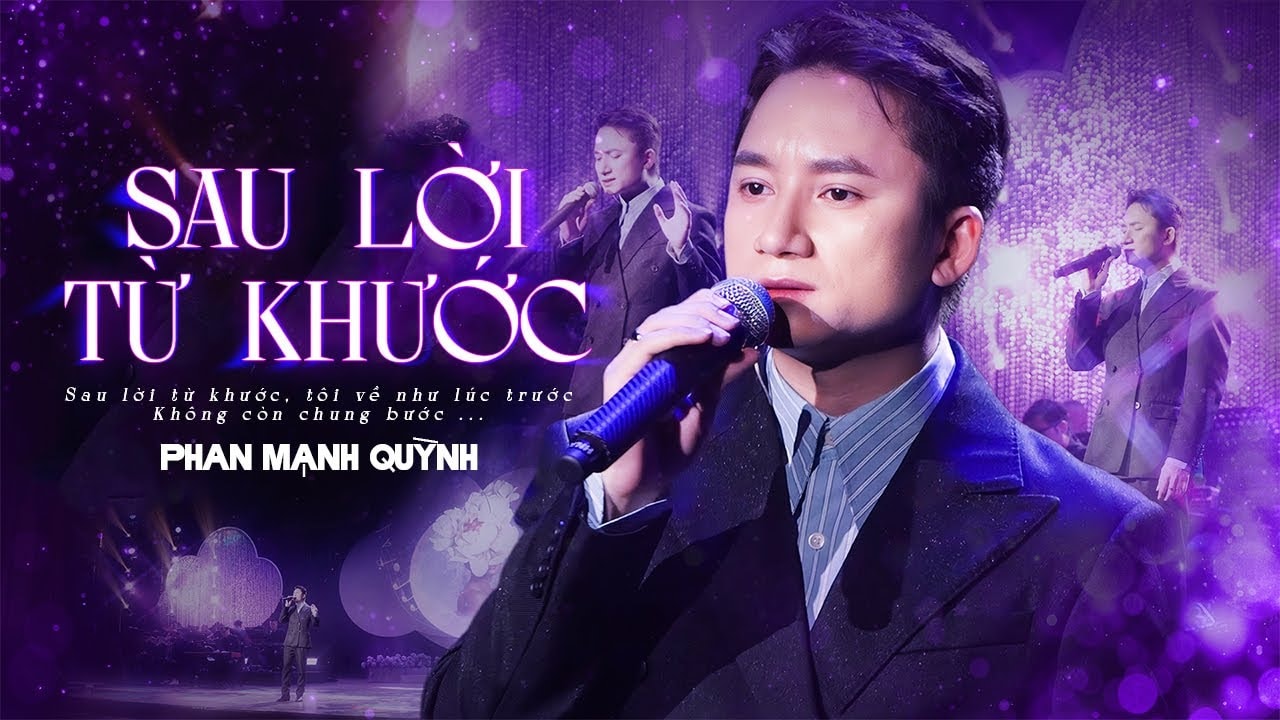
Not only artists from the province, but Phan Manh Quynh - a musician and singer from Dien Van, Dien Chau district, now Duc Chau commune - is also a prominent figure in the "self-writing, self-singing" movement. He is considered a pioneer of narrative music with a series of hit songs:"A boy wrote on a tree", "Abroad", "After the rejection", "From then on", "Meeting, falling in love and being with you".
Notably, most of his songs are performed by himself, imbued with a contemporary folk flavor mixed with cinematic elements. Many of his works have become famous film soundtracks, creating the "Phan Manh Quynh effect" in Vietnamese music. His distinctive husky voice, refined lyrics, and modern arrangements have earned him the title of "musical storyteller" of the new generation.
Broadly speaking, the fact that artists from Nghe An province are singing their own songs is not only a creative trend but also a journey of preserving regional cultural identity, contributing to enriching the "Vietnamese music map." Composer Tran Quoc Chung, Director of the Provincial Traditional Arts Center, commented: "The fact that singers compose and perform their own works gives music more vitality. Artists like Phuong Thao and Lo The Anh are contributing to enriching the musical life of Nghe An by bringing folk music back with a new breath of life."
Easy to follow trends, but requires personality.
Undeniably, "singing one's own songs" is a strong trend in the Vietnamese music scene. On online platforms, from YouTube and TikTok to Spotify, many self-written and self-sung songs have become phenomena, attracting millions of listens. However, for this path to be sustainable, artists need more than just trend-following ability – they need personality and creative depth.
According to musician Nguyen Quang Long, the weakness of many young singers today is a lack of individuality. He shared with the press that many catchy, viral songs lack soul and story. A song only lasts when the artist dares to incorporate their own real life experiences into the melody.
That's also why artists like Phan Manh Quynh, Hoang Dung, Vu Cat Tuong, and Den Vau still maintain their unique positions. They not only keep up with trends but also create their own personal mark through their songwriting style and vocals. Singer-songwriter Vu (Hoang Thai Vu) is a prime example. Formerly a special forces officer, Vu entered music with gentle, introspective ballads like "Stepping Through the Lonely Season," "Strange," and "My Summer"... Each of his songs is a piece of genuine emotion, making listeners empathize. This sincerity has helped Vu become the "indie prince" of Vietnam, with numerous shows selling out within hours of tickets going on sale.
Artists like Vu and Phan Manh Quynh, though different in style, share one thing in common: they don't sing to "follow trends," but to tell their own stories. That's the core value that gives their music a lasting life in a volatile market.
In reality, singers who both compose and perform their own songs have more control over creativity, copyright, and image. The development of technology and social media creates opportunities for each artist to produce, promote, and spread their own music without relying on record labels. However, songwriter Tran Quoc Chung emphasized: "Singing your own compositions is a promising path, but it also comes with a lot of pressure. Without sufficient musical knowledge, life experience, and personality, your product can easily get lost in a rapidly changing market."
Conversely, it is the artists of Nghe An province who have proven that when an artist understands who they are, their music naturally takes on a unique identity. From the folk melodies of Phuong Thao, the mountain and forest spirit of Lo The Anh, to the narrative depth of Phan Manh Quynh... all have created a diverse "map of Vietnamese music," both traditional and modern.
When an artist sings their own compositions, it's not just a creative journey, but also a process of self-dialogue with themselves and with the public. In it, each melody is a piece of their soul, each lyric a genuine experience.
From artists from Nghe An province – the birthplace of many musical talents – to young singers who are setting trends, all are contributing to a new face for Vietnamese music: freer, more distinctive, and richer in emotion than ever before.


