
Tuchel creates internal competition, England changes its philosophy.
Tuchel proactively creates pressure from within: No. 10 is a battle between Jude Bellingham and Morgan Rogers; it's unlikely Bellingham, Foden, and Kane will all be playing together. Qualifying target: 8 wins, 0 goals conceded.
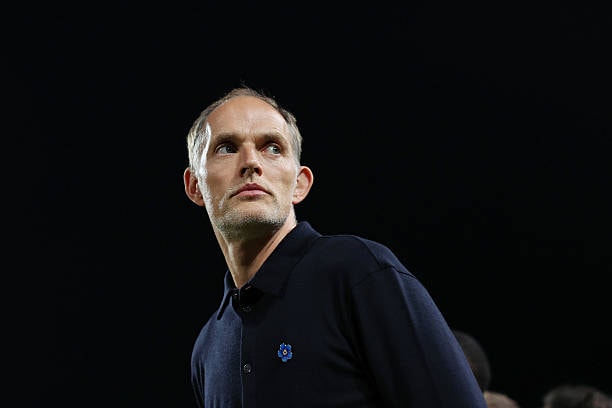
Coach Thomas Tuchel led the England team down a path opposite to Gareth Southgate's: instead of soothing and preserving harmony, he created fierce internal rivalries, turning the relatively easy qualifying rounds into a test of character and performance. The immediate goal was clear: finish the World Cup qualifiers with an eight-game winning streak and no goals conceded, with the match against Albania being crucial.
Deliberate cruelty
Tuchel chose to create pressure from within the dressing room. For the first time, an England manager openly pitted players against each other for a position. In contrast to Southgate's approach, which prioritized harmony, Tuchel wanted to see "anger" from those left out and didn't mind if that emotion was directed at him. This philosophy aimed to forge a killer instinct in a team often considered too passive in crucial moments.
The battle for the number 10 position and the choice of attacking options.
The most striking impression was the statement that the number 10 position was a competition between Jude Bellingham and Morgan Rogers. At the same time, Tuchel deemed it unlikely that Bellingham, Phil Foden, and Harry Kane would all be in the starting lineup together. These boundaries not only shaped the attacking structure but also raised the bar for individual training and performance standards.

The record serves as motivation: 8 matches, 0 goals conceded.
When the qualifying opponents weren't strong enough to put pressure on them, Tuchel used record achievements as fuel. He wanted to end the year with a victory against Albania and another clean sheet. If successful, England would complete the qualifying campaign with a perfect record (8 wins and no goals conceded) – a benchmark at the European level. This mindset is reminiscent of Pep Guardiola's performance management style, where unprecedented milestones become indicators of greatness.
Match context: putting pressure on oneself when lacking major opponents.
The last time England faced a top-tier opponent was their defeat to Spain in the EURO 2024 final. After being relegated from the Nations League, they have mostly played against weaker teams. The reality is that the Three Lions may not face a truly major opponent in an official match until the World Cup quarter-finals – almost two years after the EURO final. Therefore, creating internal pressure and pursuing records has become a central strategy.
The power of the hot seat and the difference with Capello
The prestige of winning the Champions League gave Tuchel the authority to stir things up. The contract, which only came after the World Cup, allowed him to focus entirely on short-term goals without worrying about maintaining long-term relationships. This was a significant difference from Fabio Capello – who was also tough but relied heavily on star players. Tuchel insisted there would be no favoritism.
Impact on the England team
Direct competition for places, coupled with the goal of breaking records, are two strategic pillars of Tuchel's system. They transform every training session and every qualifying match into a measure of character and performance. While Southgate prioritizes reducing pressure, Tuchel places the team under a more intense spotlight – hoping to create instinctive reflexes in knockout moments, where minimal error determines fate.


