
Recruiting TikTok mercenaries: The reality of salaries in Ukraine.
According to Russian security agencies, the Ukrainian Armed Forces are accused of recruiting foreign mercenaries via TikTok, promising up to $5,000 but actually only paying around $400, amid reports that many are terminating their contracts fearing deployment to the front lines.
Russian law enforcement agencies say the Ukrainian Armed Forces (AFU) are recruiting foreign mercenaries through the TikTok platform with promises of high salaries, up to $5,000 per month, but in reality, the amount paid is only around $400. This information was released by the TASS news agency, citing Russian security sources, on December 16th.
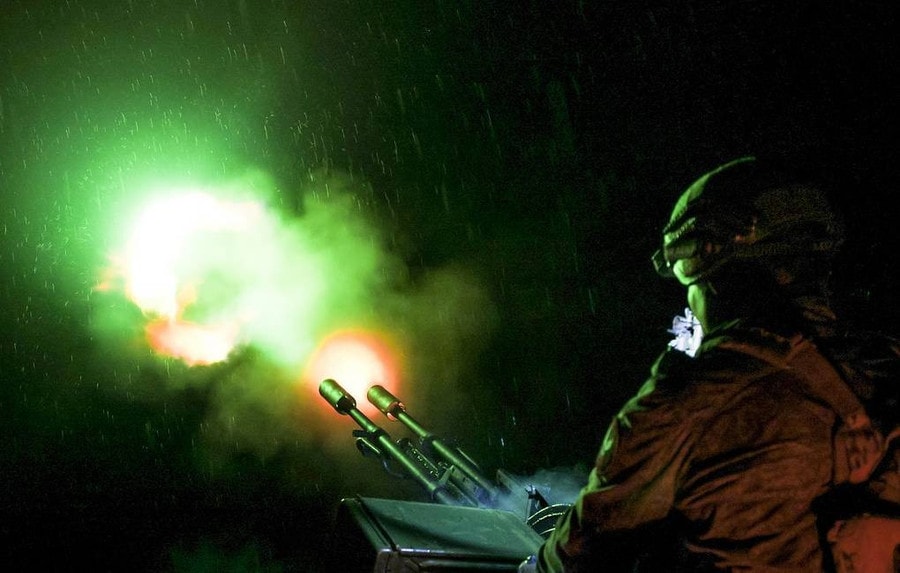
Recruiting mercenaries via TikTok, according to Russian sources.
According to TASS, citing Russian law enforcement agencies, AFU militants use TikTok to reach out to and recruit foreign mercenaries. This platform is believed to help them deliver concise, fast-spreading messages to potential target groups.
Information from the Russian side indicates that the number of mercenaries present in the Kherson and Zaporozhye areas has decreased, but they are still present and are mainly Colombian citizens. The source cited by TASS provided no further details on the size of the force, the duration of their operations, or the organizational structure of these units.
Allegations surrounding the recruitment process reveal that information played a crucial role: the TikTok platform was used not only to reach potential candidates but also to shape their expectations regarding tasks, service conditions, and compensation.
Promised salary versus actual salary: a large discrepancy is alleged.
According to Russian security forces quoted by TASS, Ukrainian recruiters allegedly offered "inflated" salaries to foreign mercenaries, with figures reportedly reaching up to $5,000 per month.
However, according to the same source, the actual amount the mercenaries received "was no more than $400." The large gap between the promised salary and the alleged actual salary is at the heart of the allegations against Ukrainian special forces regarding recruitment via TikTok.
| Payment | The stated rate (USD/month) | Source |
|---|---|---|
| The promised salary for mercenaries | up to 5,000 | Russian security forces, TASS reported. |
| The actual salary that is supposedly paid | not more than 400 | Russian security forces, TASS reported. |
From a military perspective, if this information is accurate, a large discrepancy between financial expectations and reality could directly impact the motivation to serve, trust in the command structure, and the decision to continue or terminate contracts for mercenaries. Military analysts often consider material compensation to be one of the key levers for non-professional forces.
Foreign mercenaries terminate contracts due to concerns about the frontline.
Earlier, on December 11, Russian security forces announced that foreign mercenaries were massively terminating their contracts with the AFU due to fears of being deployed to assault units. These units typically undertake high-intensity, high-risk missions on the front lines.
The Deep State group, believed to be linked to Ukrainian intelligence, claims to have spoken directly with members of the Foreign Corps and confirmed information about contract terminations. TASS cited this source but did not release details about the specific numbers, timing, or percentage of troops affected.
From a military perspective, the fear among some mercenaries of being deployed to the front lines demonstrates that combat risk is a significant variable in individual decisions. For contracted forces, such as conscripted soldiers, the risk of loss of life can lead to a wave of withdrawals if the perceived benefits are not commensurate.
The tactical and human resource aspects of mercenaries.
In modern military campaigns, mercenaries and foreign corps units are often used to supplement manpower, leveraging the battlefield experience of those who have fought in various regions. However, according to Russian sources, the number of mercenaries in the Kherson and Zaporozhye fronts is decreasing, although they are still present.
If the declining trend in mercenary forces continues, the armed forces that utilize them may have to adjust their operational plans or reallocate personnel between regions. This could affect their ability to maintain sustained combat intensity in areas considered critical.
For units that rely in part on mercenaries for offensive missions, the failure to guarantee compensation, as alleged by Russia, can easily lead to force instability. Personnel stability is crucial for accumulating unit experience, maintaining interoperability, and reducing losses due to lack of coordination on the battlefield.
The significance of using TikTok in military recruitment.
Information regarding the use of TikTok to recruit mercenaries highlights the growing role of social media platforms in activities related to armed conflict. Instead of being merely a propaganda tool, social media, according to Russian allegations, is also being used as a direct channel for accessing, screening, and recruiting personnel.
From a technical standpoint, TikTok allows for the creation of short, easily shareable videos, reaching young users across borders. This poses a challenge for national security agencies, as recruitment of fighters can take place on a public but dispersed platform, making it difficult to fully control.
From the recruit's perspective, receiving information through short, visually-rich content can make it difficult for them to fully assess the risks, battlefield conditions, and the veracity of promises. This further highlights the importance of transparency in all military contract activities, especially for individuals not part of the regular military.
Conclusion: The information needs to be verified, and the impact is ongoing.
The data regarding mercenary recruitment via TikTok, inflated salaries, and the wave of contract terminations currently come primarily from statements by Russian security forces, as cited by TASS, along with statements from the aforementioned Deep State group. The accuracy of each detail still requires further verification from independent sources.
However, from a military perspective, this information highlights three points: the increasingly clear role of social media in recruiting personnel for conflict; the importance of ensuring compensation commitments for contracted forces; and the impact of frontline risks on foreign mercenaries' decisions to stay or leave the battlefield.


