
Amazing tips for saving electricity with your refrigerator.
(Baonghean.vn) - Using your refrigerator correctly not only extends its lifespan but also significantly saves on electricity. The following simple tips will help you reduce your monthly electricity bill considerably.
Adjust the temperature
Depending on the weather, you can adjust the refrigerator temperature accordingly. Avoid setting it to level 5 as this consumes a lot of energy. In cold weather, you can lower the temperature to level 3, and raise it to level 4 on warmer days to save energy effectively.
Minimize opening and closing the cabinet door.
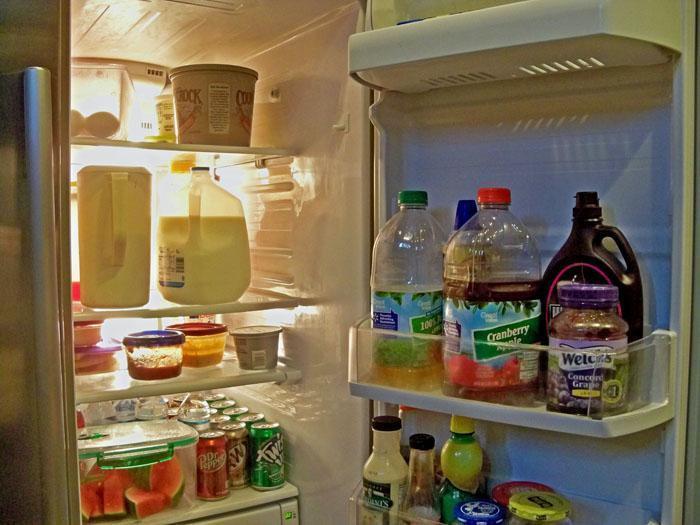 |
| Minimize opening and closing the refrigerator door. |
Cold air escapes when the refrigerator door is opened, so the refrigerator has to use more electricity to cool down again from scratch. Therefore, don't leave the refrigerator door open for too long and remember to close it tightly.
Do not put hot food in the refrigerator.
Hot food will increase the temperature inside the refrigerator and force it to work harder. Therefore, let hot food cool down before putting it in the refrigerator.
Use glass or porcelain plates and dishes.
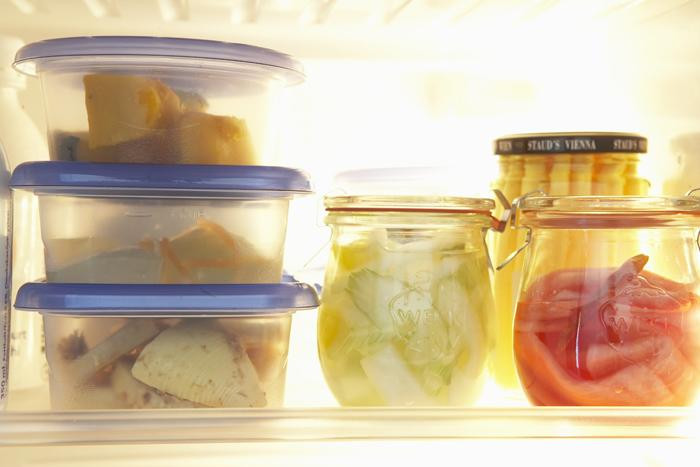 |
| Nên dùng hũ và hộp thủy tinh đựng thức ăn |
Thủy tinh và sứ giúp cân bằng nhiệt độ trong tủ lạnh tốt hơn là các hộp đựng thức ăn bằng nhựa. Nhớ đậy nắp để ngăn đọng nước.
Tránh các nguồn nhiệt
Không đặt tủ lạnh gần các nguồn nhiệt như bếp gas, nồi cơm điện, lò vi sóng, cũng như ánh sáng mặt trời.
Không để tủ lạnh sát tường
Không nên kê tủ lạnh sát tường vì tủ cần có chỗ để tỏa nhiệt, giúp nó làm việc hiệu quả hơn. Chuyện này đặc biệt quan trọng vì hệ thống dây cáp làm lạnh đằng sau tủ cần có không khí mát để làm nguội, nếu không tủ lạnh rất tốn điện và mau xuống cấp.
Quét dọn phía sau tủ
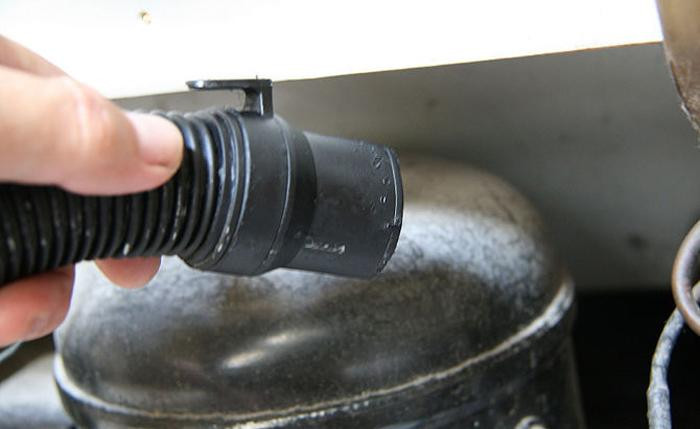 |
| Hút bụi thường xuyên cho hệ thống điện phía sau tủ lạnh |
Bộ làm lạnh đằng sau tủ lạnh cần được quét dọn, hút bụi thường xuyên để tránh bụi bẩn làm tắc nghẽn hệ thống. Nếu nhà bạn có nuôi thú cưng thì việc vệ sinh càng phải thường xuyên hơn vì đây là nơi lý tưởng cho lông động vật “trú ngụ”.
Không để đồ ăn dựa sát vào thành trong của tủ
Regularly placing food against the back of the refrigerator will cause vegetables to spoil more easily, not to mention making the refrigerator less efficient and leading to higher electricity consumption. Be sure to keep food at a certain distance from the back of the refrigerator.
Thaw in the refrigerator
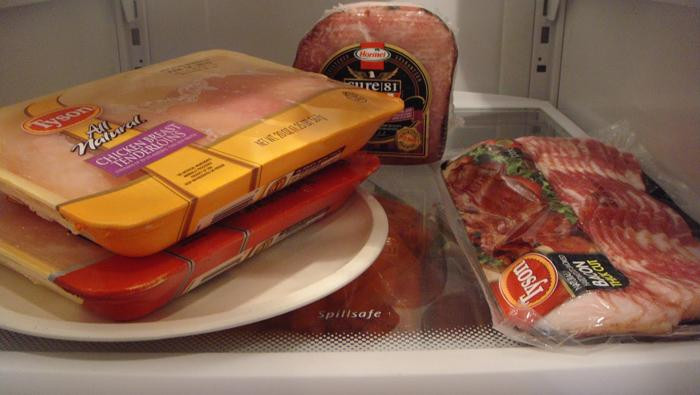 |
| Thaw frozen foods overnight. |
Instead of thawing in the microwave, thaw food naturally by placing it in the refrigerator overnight. Food that thaws slowly is usually tastier and also saves a significant amount of electricity.
Don't leave the refrigerator too empty.
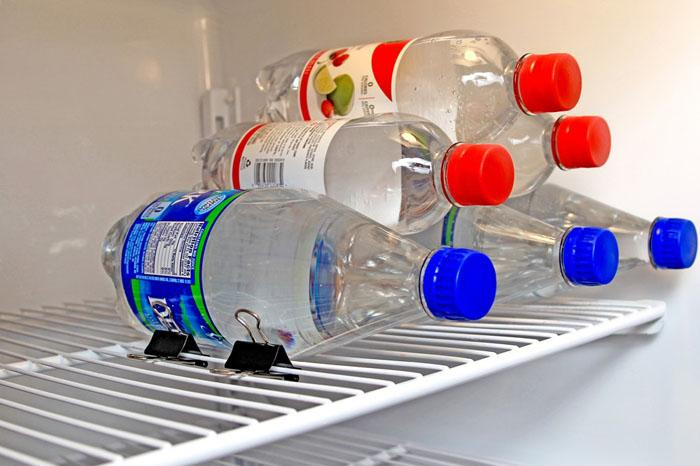 |
| A refrigerator containing more water will work more efficiently. |
A refrigerator full of food will cool down faster than an empty one. If your refrigerator isn't full, put several bottles of water inside to cool it down. This will make the refrigerator work more efficiently and consume less electricity.
Clean the condenser regularly.
The metal condenser coil at the back of the refrigerator helps dissipate heat from the compressor, the component that cools the refrigerator. Keeping the condenser coil clean and free from dust will prevent the compressor from having to work harder to cool the food. As a result, food is preserved better and the refrigerator consumes less energy.
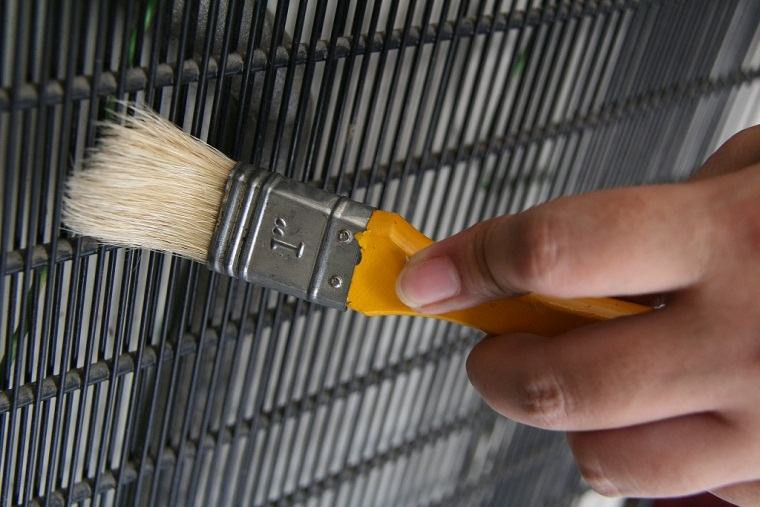 |
| Clean the refrigerator's condenser coils regularly. |
Turn off the automatic ice maker.
If you leave the automatic ice maker on when not in use, it's a major energy-consuming part of your refrigerator. Turn it off when the ice box is full, or simply don't use it frequently, and you can save energy.
Check the door
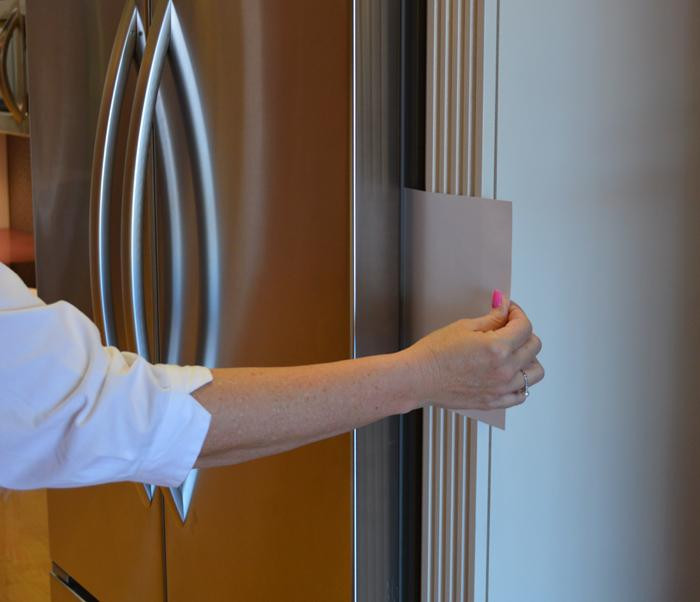 |
| Test the tightness of the rubber seal. |
The rubber seals on refrigerator doors can deteriorate over time, causing cold air to escape. Test this by placing a banknote between the door seals; if you can easily slide the banknote along the gap, your door seals need replacing. Also, remember to clean them thoroughly to prevent dust and dirt buildup.
Ensure the temperature is appropriate.
A refrigerator that's too warm will keep food from staying fresh for long, but storing it in conditions that are too cold can cause it to spoil, which increases energy costs and wastes food.
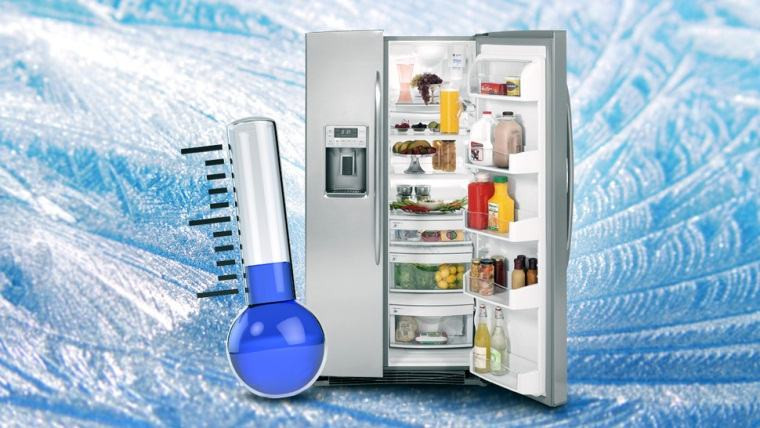 |
| Adjust the refrigerator temperature appropriately. |
Some experts recommend keeping the refrigerator compartment temperature between 37°F and 40°F (approximately 2°C to 4°C) and the freezer compartment at 5°F (approximately -15°C). To determine the refrigerator temperature, you can place a thermometer in a glass of water in the center of the refrigerator for 24 hours. For the freezer compartment, you can place a thermometer between the frozen foods and check after 24 hours.
Limit the number of times you turn the refrigerator on and off.
To save electricity when using a refrigerator, consumers should limit unplugging it from the power source and frequently turning it on and off, as each startup consumes a significant amount of electricity. If the refrigerator will not be used for an extended period, disconnect the power but ensure all items and food inside are removed, the refrigerator is cleaned, and allowed to dry before closing the door and covering it with a dust cover. Avoid opening the refrigerator door frequently or for extended periods, as this allows cold air inside to quickly mix with the warm air outside, raising the temperature inside. This forces the cooling system to work harder and consume more electricity, and over time, reduces the refrigerator's lifespan.
Ngoc Anh
(Synthetic)
| RELATED NEWS |
|---|


