
"Clever tricks" for handling motorcycle breakdowns on cold days.
How to cope with the cold weather and the inherent illnesses associated with using motorbikes has been a concern for many people in recent days.
Northern Vietnam is experiencing the coldest weather since the beginning of winter. Temperatures as low as 12-13 degrees Celsius, coupled with rain, are making travel by motorbike difficult and leading to unnecessary inconveniences.
Common problems with motorbikes in cold weather.
One of the most common "problems" when riding a motorcycle in cold weather is difficulty starting the engine. Low temperatures reduce the fuel's ability to evaporate, resulting in a fuel-air mixture in the combustion chamber that isn't sufficiently "rich" to start the engine. Cold and humid weather can also cause condensation to form in the carburetor, making it difficult to start the engine.
|
| One common problem in cold weather is that the brake lever becomes very stiff. Low temperatures cause the brake fluid to dry out, making braking quite difficult. |

To remedy this, the choke needs to be closed (by pulling it out) to allow more fuel into the combustion chamber, making it easier for the engine to start. Once the engine is running smoothly, the choke should be returned to its original position.
After starting the engine, many motorcycles experience jerky starting. This is a common phenomenon in motorcycles during cold weather, especially in geared models. The reason is that low temperatures reduce lubrication. This is also the time when engine wear is highest.
The engine should be allowed to idle for about 1 to 2 minutes until it runs smoothly before starting to move.
One common problem in cold weather is that the brake levers become stiff. Low temperatures cause the brake fluid to dry out, making manual braking quite difficult. This can compromise safety in unexpected situations on the road. To remedy this, regular maintenance of the brake lines is necessary, lubricating them with oil and grease to ensure smooth operation in cold weather.
In particular, avoid overtightening the brake cables. When riding a motorcycle with gloves on or with numb hands due to weather conditions, the force applied to the brakes will no longer be precise. Therefore, overtightening the brake cables can cause the vehicle to stop abruptly when braking, posing a danger to yourself and others.
Tips to stay warm while riding a motorbike
One of the simplest ways to protect yourself from the cold is to equip your car with a windshield. A windshield will greatly help us avoid freezing weather.
|
| Motorcyclists will be exposed to much more cold; therefore, it is necessary to dress warmly when riding a motorcycle. |
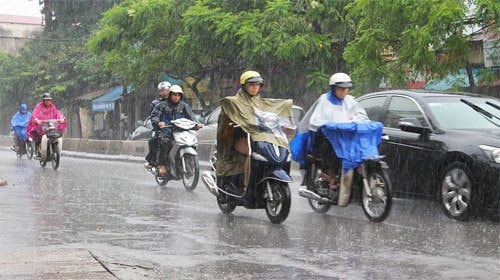
To cope with the cold in general, and especially when riding a motorbike, the most important thing is to eat a nutritious diet. The process of metabolizing calories will generate heat, helping the body stay warm. Before going out, you should drink a glass of warm ginger water. Importantly, you should avoid alcohol or caffeine as they can cause the body to lose heat.
Motorcyclists will be exposed to much more cold. Therefore, it's essential to dress warmly when riding a motorcycle. Layering is recommended, with the outermost layer being windproof. Don't forget a face mask, gloves, and a scarf to keep your neck warm. However, it's important to note that you shouldn't wear overly bulky clothing or anything that restricts the movement of your arms or legs.
In cold, rainy weather, you should keep your body completely dry because water conducts heat 200 times better than air. Getting wet in cold weather can cause health problems.
If you have to travel long distances by motorbike, the weather can numb your fingers and toes, making it difficult to control the vehicle accurately and potentially endangering yourself and other road users. Therefore, you need to frequently stop and walk around to allow blood circulation and to help your body regain the heat lost during the journey.


