
UAC and HAL begin production of Sukhoi Superjet in India.
UAC and HAL are negotiating the production of Sukhoi Superjet in India, localizing components and supplying assemblies to the Russian production line; the PD-8 has passed rainwater testing.
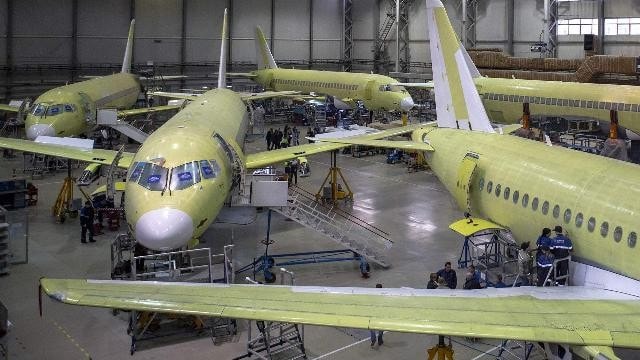
United Aircraft Corporation (UAC) and Hindustan Aeronautics Limited (HAL) are in talks to begin production of the Sukhoi Superjet (SSJ) passenger aircraft in India. The goal is to develop the production of components, units, and systems at Indian enterprises, while also supplying parts and assemblies to the production line in Russia. This information was revealed by Vadim Badekha, head of UAC, at a business forum and reported by TASS.
Overview
TASS quoted Vadim Badekha as saying: "Today, our cooperation is reaching a new level. We are collaborating with HAL Group on a project to organize the production of Sukhoi Superjet passenger aircraft in India." According to Badekha, the project could create new opportunities for the aviation industry of both countries.
UAC stated that its goal is to develop the production of SSJ components, units, and systems in India, including companies in the electronics, manufacturing, and metallurgy sectors; a key objective is to supply Indian-made components and assemblies to Russian production lines.

Technical and industrial analysis
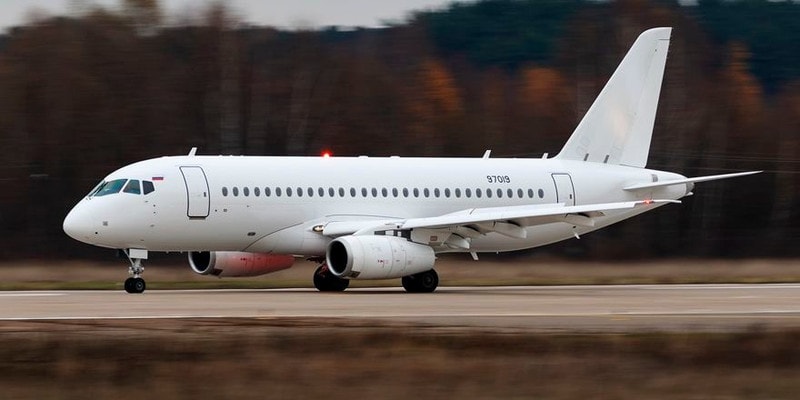
Regarding the technical aspects, the Vzglyad newspaper reported that the Russian SSJ aircraft has passed rigorous tests to confirm the ability of its domestically produced PD-8 engines to protect against rainwater ingress. This is a crucial performance criterion for propulsion systems, linked to flight safety and operational reliability.
In addition, the Russian Ministry of Industry and Trade plans to begin research and development work in 2026 to install new engines for the SSJ, while preserving the lifespan of the airframe. Integrating new engines typically involves a series of engineering tasks including designing the mounting structure, adjusting the thrust control system, vibration and noise testing, and flight validation.
At the Komsomolsk-on-Amur aircraft manufacturing complex, the SJ-100 aircraft, built using domestic mass production technology, has fully completed its flight tests. This result provides the technical foundation for expanding production and standardizing processes.
Deployment requirements in India (technical perspective)
- Supply chain: developing suppliers in the electronics, mechanical manufacturing, and metallurgy sectors as outlined in the project objectives.
- Quality assurance: establishing testing standards for materials, components, and assemblies that meet SSJ requirements.
- Technical documentation: standardization of technological processes, assembly and testing instructions to synchronize with Russian production lines.
- Industrial logistics: organizing the capacity to supply components on time to the production line, in line with the objective of "supplying components and assemblies manufactured in India".
Technical milestones by source
| Category | Detail |
|---|---|
| UAC - HAL Negotiations | Discussion on organizing SSJ production in India (TASS). |
| Localization objectives | Developing components, units, and systems in Indian enterprises (electronics, manufacturing, metallurgy). |
| Supply to Russia | Supplying components and assemblies manufactured in India to Russian production lines. |
| PD-8 | Test confirming the engine's ability to protect against rainwater (Vzglyad). |
| New engine (from 2026) | R&D plans include installing a new engine for the SSJ, preserving the lifespan of the chassis. |
| SJ-100 | The version manufactured using domestic mass production technology has completed flight testing in Komsomolsk-on-Amur. |
Technical and industrial impact
According to Mr. Vadim Badekha, cooperation could open up new opportunities for the aviation industry of both countries. From an industrial perspective, building SSJ component manufacturing capacity in India, if implemented, would supplement the supply of components for the aircraft program, while also creating a need for standardized technical standards and quality assurance processes across production facilities.
From a technical standpoint, the milestones related to the PD-8 and the plan to integrate the new engine from 2026 indicate that the program is aimed at improving the propulsion system and maintaining the structural integrity of the airframe. These steps typically involve system testing, compatibility assessments, and operational reliability verification.
Conclude
Statements from UAC indicate that the focus of UAC-HAL cooperation revolves around organizing the production and localization of SSJ components in India, with the goal of supplying assembly units to the Russian production line. Technical information related to the PD-8, the R&D plan for a new engine from 2026, and the flight testing status of the SJ-100 provide a picture of the technological pillars that the SSJ program is pursuing. All of the above points are based on information provided by UAC, TASS, and Vzglyad.


