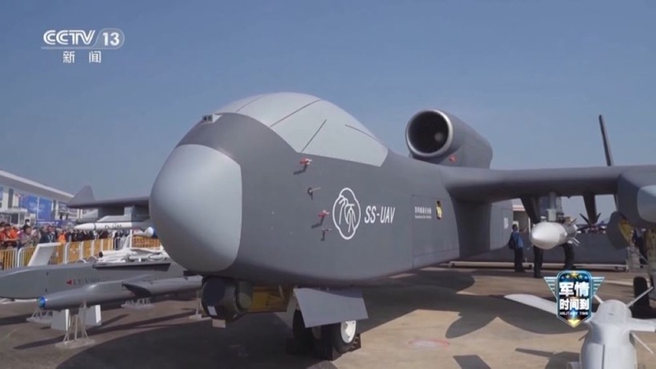
China's Jiutian UAV: a 'mothership' platform for swarms of UAVs.
Jiutian made its first mission on December 11th in Shaanxi; it has a wingspan of 25 meters, a payload capacity of 6 tons; a honeycomb module carrying over 100 drones, 8 underwing pylons; and a range of over 7,000 km.
China unveiled the Jiutian (Nine Heavens) heavy-lift UAV after its maiden mission flight in Shaanxi Province on December 11. This platform is designed as an airborne "mothership," capable of launching swarms of small UAVs while simultaneously carrying heavy guided weapons, posing a significant challenge to defense systems in the Indo-Pacific region.
Design and specifications
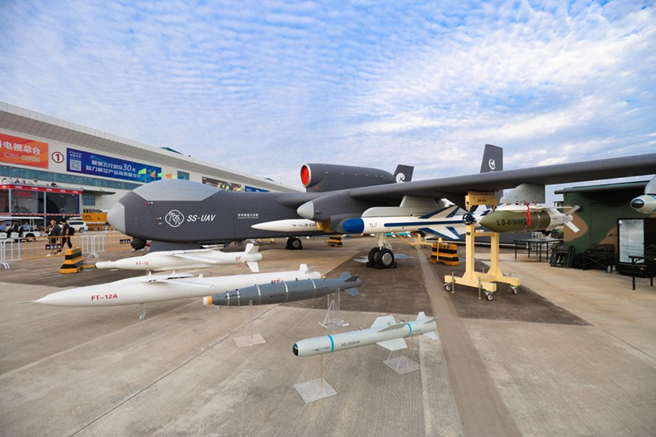
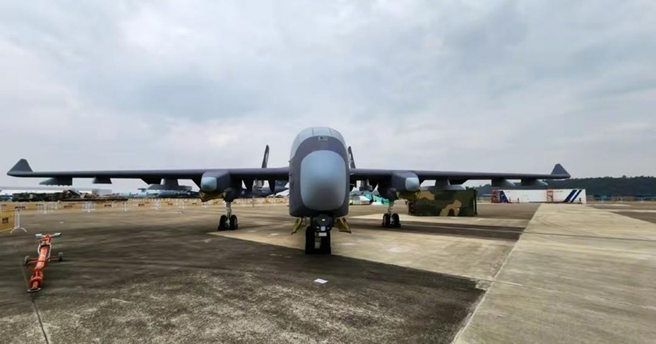
Unlike the trend of single stealth UAVs, the Jiutian is developed with a "mothership" concept, combining large payload capacity with the ability to deploy swarms of drones. The aircraft uses straight wings, an H-shaped tail, and air intakes located on its back, prioritized for stability at low speeds to launch/release small vehicles and maximize modular bay volume.
- Wingspan: 25 meters; length: 16.35 meters
- Engine: WS-9 Qinling turbofan
- Maximum takeoff weight: approximately 16 tons; payload: 6 tons
- Range: over 7,000 km; operating time: 12 hours
- Flight ceiling: 15,000 meters
- Eight pylons under the wings for carrying guided weapons.
Compared to high-altitude reconnaissance UAVs like the RQ-4 Global Hawk, which are optimized for long-duration surveillance, the Jiutian is configured for attack missions with large payloads, reflecting a priority on firepower over stealth.
"Honeycomb" module and multi-layered firepower
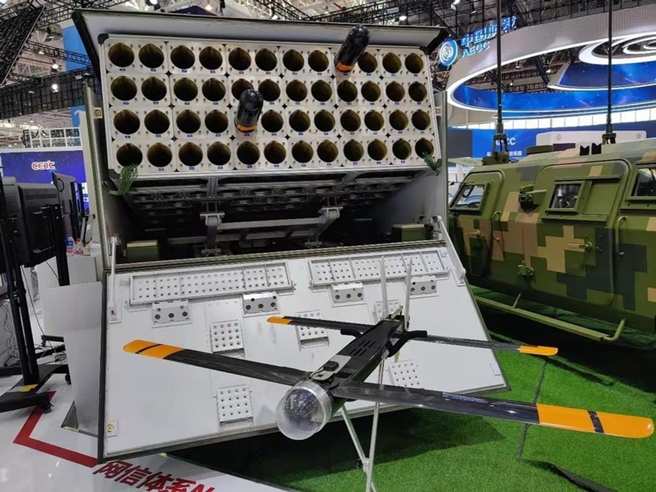
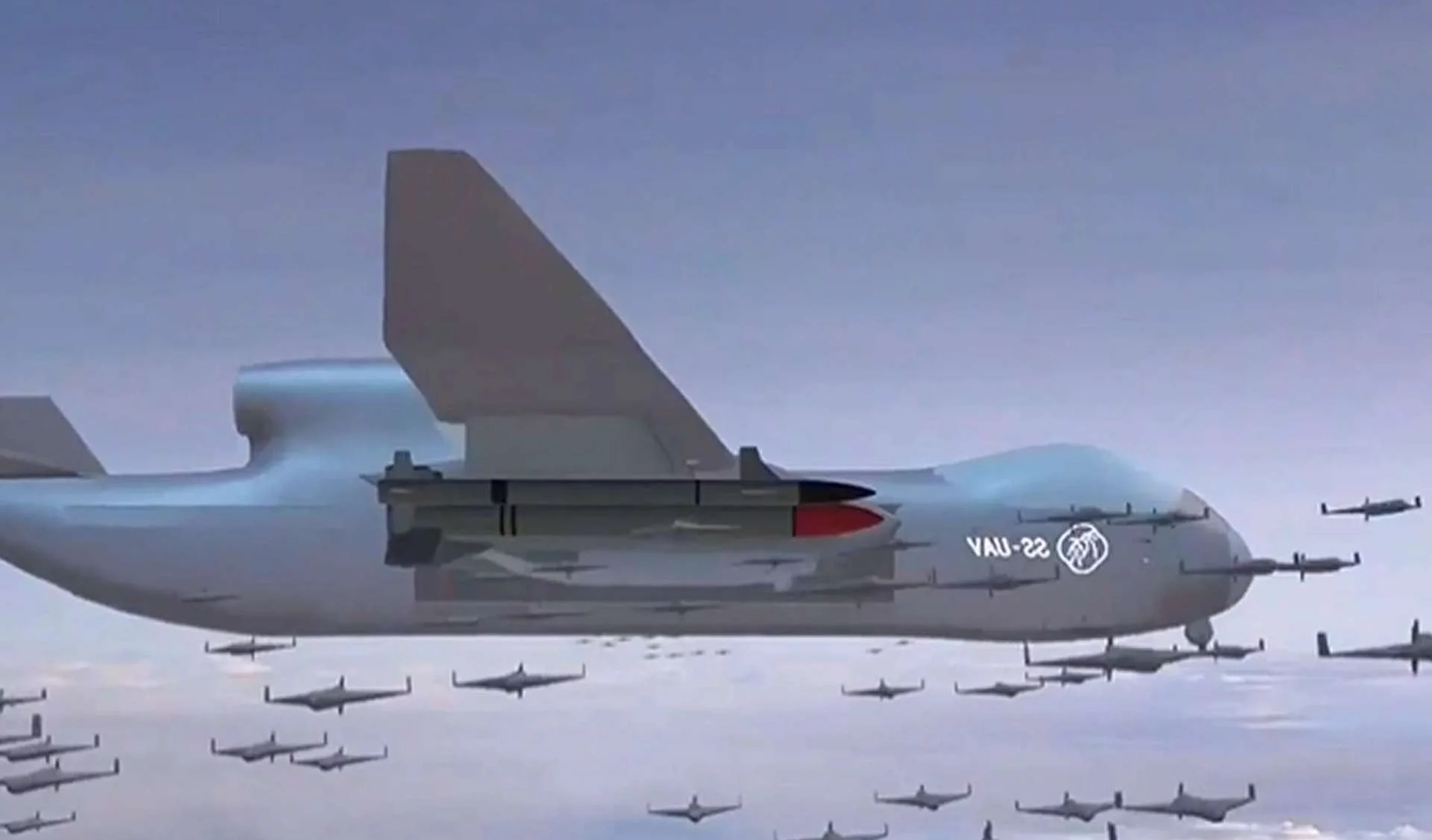
The Jiutian's modular belly compartment can carry more than 100 small drones and patrol missiles, turning it into an "airborne UAV base." This approach allows for the rapid deployment of large numbers of vehicles right next to the combat zone, supporting reconnaissance, jamming, and saturation attacks.
In addition to its drone swarm, Jiutian is also a standalone attack platform with eight pylons under its wings, capable of carrying 1,000kg guided bombs, anti-ship, anti-ground, and air-to-air missiles. Electro-optical sensors in the nose allow for self-detection, targeting, and firing even under jammed data links.
Deployment tactics
From safe airspace, a Jiutian squadron can deploy hundreds of drones at various altitudes, simultaneously conducting reconnaissance and forcing the enemy to reveal their radar and launch sites, before launching a saturation attack. This capability, combining long-range precision strikes with overwhelming numbers, forces enemy air defenses to disperse their firepower across multiple layers of threat.
In a jammed combat environment, the ability to independently search for and target targets using electro-optical sensors is a crucial supplementary factor, reducing complete reliance on external target designations.
Comparing the approach with that of the United States.
US programs like Gremlins and LongShot (DARPA) pursue drone recovery and reuse technology to optimize long-term costs. In contrast, China opts for a "large quantity - low cost - no return" philosophy, accepting the cost-wasting of suicide drones to wear down enemy air defenses. This approach leverages large-scale production, placing the enemy at an asymmetrical cost of interception.
Defense limitations and challenges
Its large size and non-stealth design result in a large radar cross-section, making it easily detectable and intercepted if operating deep within dangerous zones. Its subsonic speed and limited maneuverability mean the Jiutian requires close air support or must be kept out of reach of enemy air defenses and fighter jets.
Reliance on satellite links and remote control is a weakness against electronic warfare. If jammed or deceived, the mission can be disrupted. Therefore, according to the source's assessment, this platform is effective when China has good air control or uses it as a long-range launch platform outside of critical zones.
Industrial infrastructure and readiness level
Jiutian is a product of the "military-civilian integration" model, involving Shaanxi Unmanned Technology, AVIC, Northwest Polytechnic University, and Xi'an Chida Company. Its ability to convert the cargo bay to a combat-ready one in about two hours demonstrates logistical flexibility. Promoting civilian applications such as rescue, transportation, and emergency communication helps mobilize resources while reducing international attention.
Level of completeness and significance
The Jiutian UAV made its debut at the Zhuhai Airshow last December and completed its mission flight on December 11. While questions remain about its effectiveness in a high-intensity combat environment, this "mothership" platform demonstrates significant progress by China in deploying large-scale swarm tactics, posing considerable pressure on the defense systems of the US and its allies in the region.