
Australia reduces fuel excise tax by 50%, spends AUD 2.55 billion to stabilize prices.
The Australian government has implemented an emergency three-month support package to reduce fuel prices by 26.3 cents per litre, in response to the soaring global oil prices.
The Australian government has just announced an emergency package aimed at easing the financial burden on consumers by cutting the excise tax on petrol and diesel by 50%. This decision, effective for three months, comes amid rising energy prices due to geopolitical conflicts related to Iran.
Details of the support package and its impact on retail prices.
Prime Minister Anthony Albanese said the tax cuts would help lower the price of fuel at the tap by approximately 26.3 Australian cents per litre. In addition, the government is also temporarily waiving road usage fees for heavy trucks to support the supply chain.
Finance Minister Jim Chalmers estimated the total cost of this support package at approximately AUD 2.55 billion (equivalent to USD 1.75 billion). According to data from the Australian Petroleum Institute on March 29, retail diesel prices in the country have exceeded AUD 3 per liter, while petrol prices remain at around AUD 2.50 per liter.
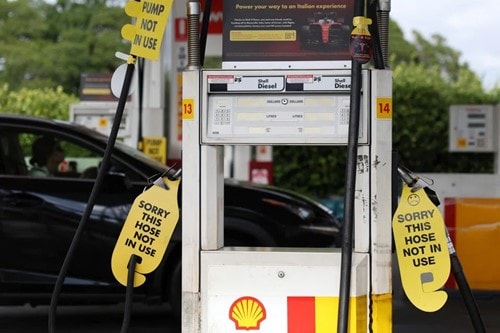
Pressure from the global oil market
Disruptions in the Strait of Hormuz — which carries about 20% of the world's oil — have driven Brent crude prices up by 59% in March 2026. This is the strongest monthly increase in history, pushing prices to $115.66 per barrel at the opening of trading on March 30.
In response to this situation, Australia has implemented a national fuel security plan with four levels of response. Prime Minister Anthony Albanese confirmed that the country is currently at level two, meaning it is maintaining normal economic activity but has begun releasing fuel reserves and relaxing fuel quality standards to ensure supply.
Inventory capacity and import guarantee mechanisms
Although Australia currently has its highest fuel reserves in 15 years, these figures are still below the International Energy Agency's (IEA) 90-day recommendation. The latest data shows the country currently has enough petrol for approximately 39 days, while diesel and jet fuel reserves are only sufficient for 30 days.
To enhance its response capabilities, the government has amended legislation to allow Export Finance Australia to guarantee spot fuel orders. Energy Minister Chris Bowen stressed that the guarantee is necessary because rising commodity costs are making it unsustainable for many small businesses to bear the financial risks themselves, potentially disrupting distribution if the market cannot balance itself.


