
Ukraine warns Russia of increased use of jet-powered UAVs capable of speeds up to 500 km/h.
Ukrainian Commander-in-Chief Oleksandr Syrsky stated that Russia plans to increase the proportion of jet-powered UAVs to 50%, while simultaneously deploying the new Geran-4 series at a significantly faster rate.
The Commander-in-Chief of the Ukrainian Armed Forces, Oleksandr Syrsky, has warned that Russia is planning a significant increase in the use of jet-launched attack drones (UAVs) on the battlefield. This move is expected to create new technical challenges for Kyiv's air defense system and require urgent countermeasures.
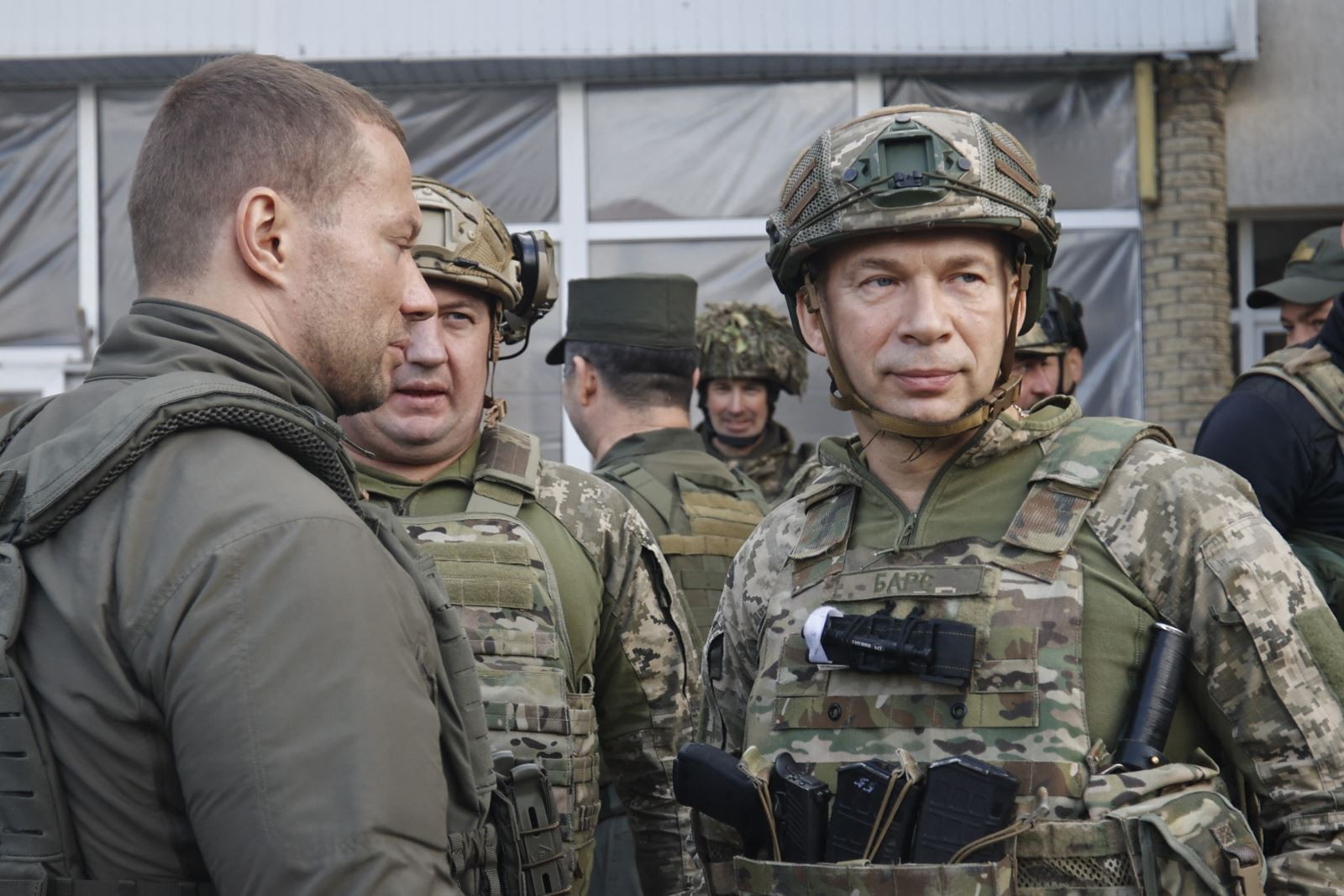
The challenge from the next generation of high-speed jet-powered UAVs.
In a statement on social media, Syrsky emphasized: “The enemy is planning to increase the proportion of jet-powered attack drones to 50%. This is a new challenge for us and requires a timely response.” Russia’s shift to using jet engines for its unmanned aerial vehicles marks a technological advance, increasing pressure on Ukraine’s air defense network.
Ukrainian senior defense advisor Serhiy “Flash” Beskrestnov provided more details, stating that Russia is preparing to deploy the new Geran-4 jet-powered UAV. This weapon is capable of reaching speeds of 400-500 km/h, significantly faster than the current Geran-3, which reaches speeds of around 300 km/h. This high speed shortens the reaction time of air defense teams and necessitates more specialized interception solutions.
Ukraine's defensive tactics and interception capabilities.
Despite facing a new threat, Syrsky argues that the level of damage from daily airstrikes could have been much more severe if Ukraine had not continuously developed its multi-layered air defense system. Statistics from May show that Ukrainian forces destroyed more than 3,500 Russian UAVs. Among these, specialized interceptor UAVs are playing a key role, destroying the majority of Shahed and Geran drones currently being shot down.
Notably, Ukraine's Unmanned Systems Forces (USF) intercepted more than 1,200 enemy UAVs in just one month. In addition, the army's air force destroyed over 440 targets thanks to helicopter upgrades with modern detection and targeting systems. According to Mr. Beskrestnov, the interception rate of Shahed-type UAVs has increased from 10% last winter to approximately 50% currently, and is expected to reach 70-80% in the near future.
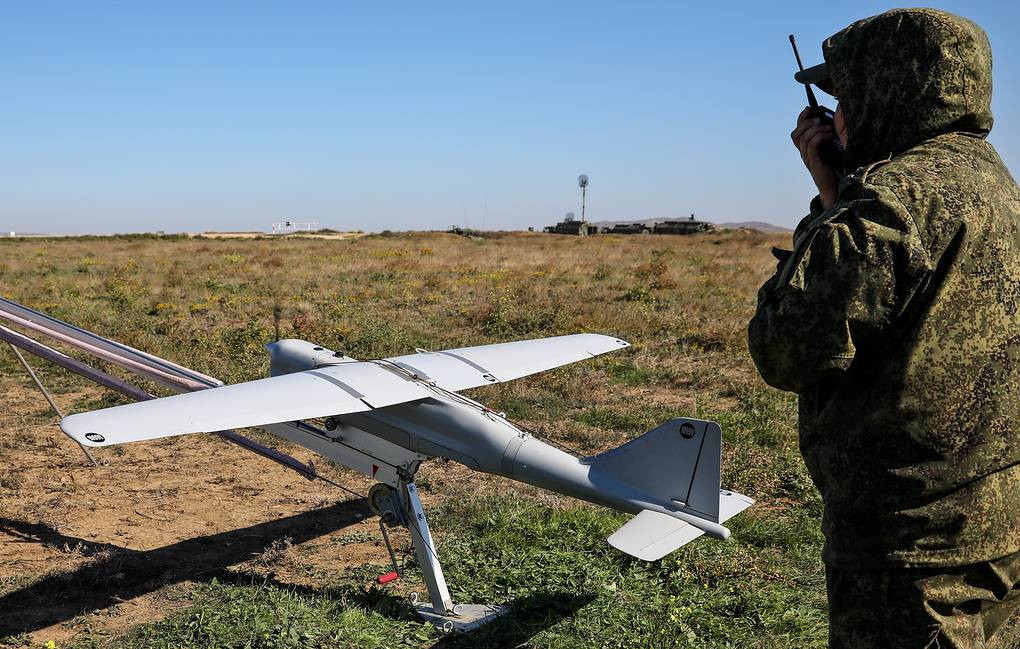
Russia's defense production capacity has increased significantly.
According to a Bloomberg report, Russia is expanding its UAV production at a record pace. In April, Russian output of unmanned systems increased by 117% year-on-year. The average growth rate for this sector in 2025 is expected to reach approximately 68%. While tank and armored vehicle production is gradually reaching its capacity limits, the UAV sector continues to thrive thanks to its low cost and high combat effectiveness.
Ukrainian intelligence data indicates that Russia aims to produce up to 7.3 million first-person view (FPV) drones and 7.8 million combat drones of various types by 2026. Previously, President Vladimir Putin confirmed that Russia had produced approximately 1.4 million drones in 2024. This increase in quantity and improvements in jet technology allow Russia to maintain a high intensity of attack without the high cost of traditional missiles.
The urgent need for a modern air defense system.
Concluding his inspection tour of the Southern Air Force Command, Commander-in-Chief Syrsky affirmed that Ukraine needs to use its increasingly scarce supply of interceptor missiles effectively and economically. He emphasized the importance of mobile fire teams, short-range air defense units, and specialized UAV interception teams in countering coordinated attacks.
To counter the new generation of jet-powered UAVs, Ukraine is focusing on upgrading its command system, expanding its aerial surveillance capabilities, and accelerating the deployment of new interception technologies into combat. Support in terms of modern air defense systems and ammunition from international partners remains crucial for Kyiv to protect key areas against changing enemy tactics.


