Ukraine strikes Crimea; Japan tests 100 kW laser weapon.
Ukraine releases video of attack on MiG-29 and Irtysh radar in Crimea on the night of December 4th; Japan tests 100 kW laser on Asuka-class ship; Reuters: China deploys over 100 ships.
Ukraine announced a precision strike on the night of December 4th targeting two military objectives in Crimea; Japan conducted sea trials of a 100 kW laser weapon system; meanwhile, data compiled by Reuters showed China deployed more than 100 ships in East Asian waters on December 4th. These developments reflect a notable shift in technology and the intensity of naval and air activity in the region.
Ukraine attacks MiG-29s and Irtysh radar in Crimea.
According to the Ukrainian Defense Intelligence Agency, the Prymary special forces unit attacked a MiG-29 aircraft at Kacha military airfield and an Irtysh radar system near Simferopol. The destroyed MiG-29 was described as being on air defense patrol and air support missions in Crimea. The damage to the Irtysh radar is believed to have partially disrupted its reconnaissance and flight coordination functions at nearby facilities, thereby impairing its aerial situational awareness.
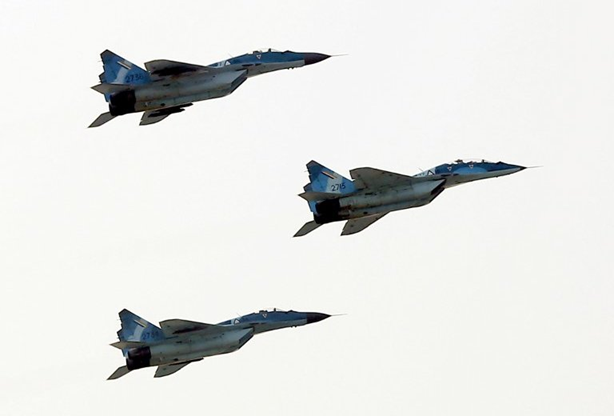
The MiG-29 specifications have been released.
| Category | Parameter |
|---|---|
| Engine | 2 Klimov RD-33 engines, each approximately 50 kN. |
| Maximum speed | Mach 2.4 (approximately 2,450 km/h) |
| Flying ceiling | 18,000 meters |
| Operating range | Approximately 700 km |
| Main weapon | GSh-30-1 30 mm cannon, 150 rounds. |
9M723 Missile Supply Chain Data
Meanwhile, Ukraine published documents on the War&Sanctions platform regarding the supply chain for the production of the 9M723 ballistic missile (the main warhead of the Iskander-M). The report lists 49 participating companies, 13 of which are not yet on the coalition's sanctions list. Some of the companies mentioned are involved in supplying materials, electronic components, and inertial devices – crucial components for the guidance system and propulsion of the 9M723.
Japan tests 100 kW laser weapon at sea.
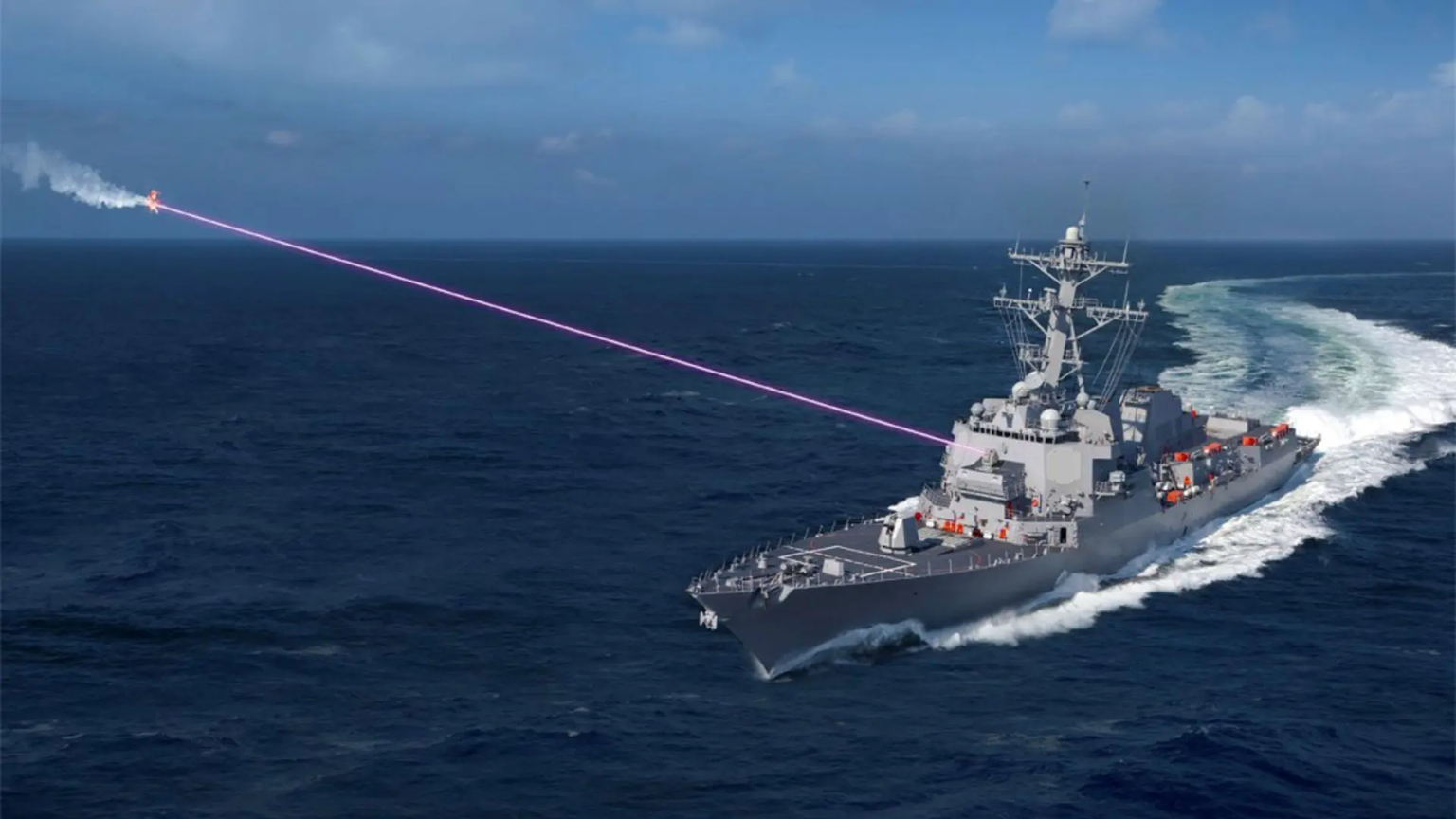
The Japan Acquisition, Technology and Logistics Agency (ATLA) said the 100 kW laser weapon system is undergoing final testing at Japan Marine United's factory before sea trials aboard the Maritime Self-Defense Force's test vessel Asuka. Its intended use is to intercept UAVs, drones, and mortar rounds.
The complex consists of two modules, each the size of a 12.2-meter container, integrating a fiber optic laser array, beam control system, power management, and cooling. According to ATLA, the power output of over 100 kW is achieved by combining 10 domestically produced 10 kW fiber optic lasers. The main advantage is the virtually unlimited combat capability in terms of firing rate, due to the consumption of electrical energy instead of missiles, making it suitable for scenarios involving large numbers of inexpensive drones.
Sea trials will focus on verifying the detection, tracking, and destruction of high-speed targets while the ship is in motion. The sensor package includes thermal cameras, high-speed navigation mirrors, and precision tracking devices to stabilize the beam in rough seas. Japan plans to conduct live-fire interception tests at sea in 2026. Images from the factory show the dome-shaped beam emitter already installed on the aft deck of the Asuka-class submarine, connected to the ship's electrical and cooling systems.
For over a decade, Japan has shifted from chemical lasers to fiber lasers due to their safety advantages and increased power capacity. Following 50 kW land-based trials, a 100 kW configuration is now entering the field validation phase; and higher-power lasers for missile defense are seen as a long-term goal.
China deploys over 100 ships in East Asian waters.
According to intelligence data compiled by Reuters, China deployed more than 100 naval and coast guard vessels in various areas of East Asian waters on December 4th. The scale and timing of the deployment are seen by experts as indicating an effort to enhance interoperability across multiple fronts.
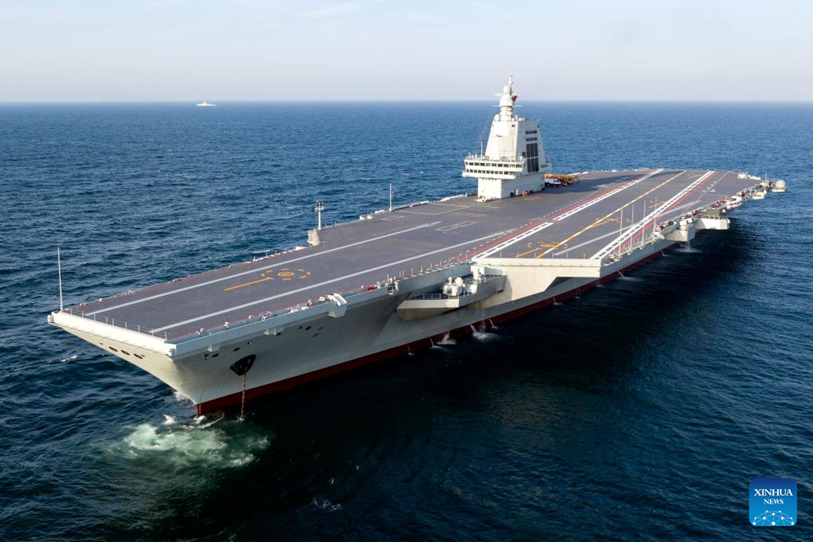
China continues to expand its fleet, allowing it to maintain a simultaneous presence in multiple seas. The aircraft carrier program is accelerating with the Fujian, equipped with an electromagnetic catapult; the ship has been undergoing sea trials since 2024 and will continue evaluation in 2025. Upon entering service (expected late 2025 or 2026), the Fujian is expected to expand its fighter aircraft deployment and electronic warfare capabilities. The Liaoning and Shandong carriers maintain training in the South China Sea, the Philippine Sea, and the area surrounding Taiwan.
Simultaneously, the Type-075 and Type-076 landing ships were developed; satellite imagery showed that the Type-076 could integrate electromagnetic catapults to operate fixed-wing UAVs, moving towards a multi-role model supporting amphibious landings and reconnaissance. Escort forces were reinforced with Type-055 and Type-052D ships, along with the ongoing Type-095 and Type-096 submarine programs.
In the context of deploying more than 100 ships as mentioned above, many research institutions believe that the scale of operations could impact the regional security environment, particularly Taiwan's ability to monitor and respond, and create further challenges for coordination and support by the United States, Japan, and the Philippines in important maritime routes.