
Ukraine uses AI and drone-mounted shotguns to intercept Russian UAVs.
Varta's DroneHunter combines a .12 caliber shotgun and AI Dozor, weighs 2.3 kg, and shoots down UAVs at 5–20 m; the basic kit costs $300, ammunition $7–8; one person can operate 5–7 drones.
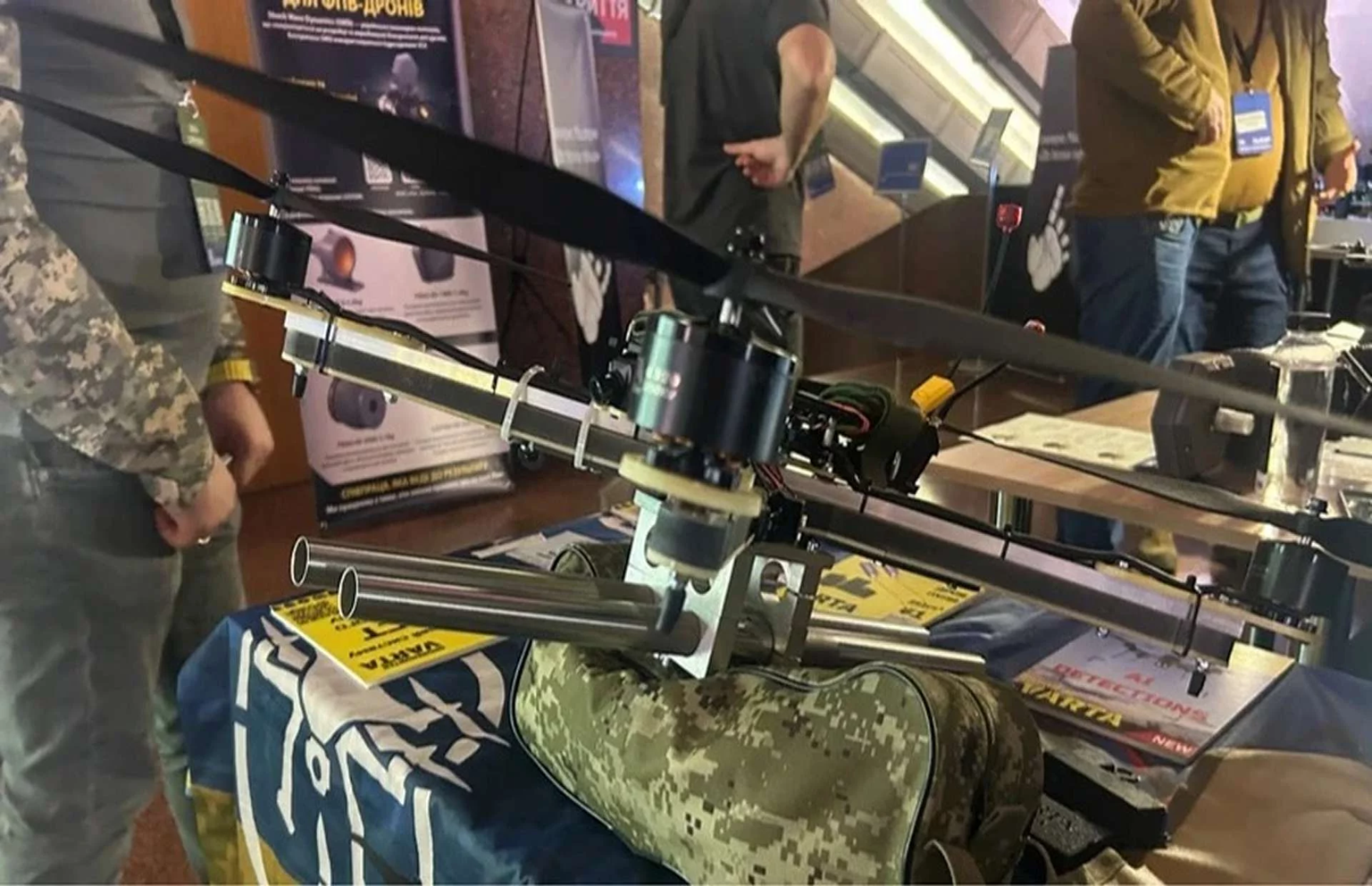
Ukraine introduces DroneHunter, a low-altitude interception module combining AI and a 12-caliber shotgun to counter Russian reconnaissance UAVs and FPVs at very close range. According to Ukrainska Pravda and Dev.ua (5.12), the system developed by Varta aims for low-cost air defense, deployed directly in trenches to reduce reliance on expensive anti-aircraft missiles.
Overview
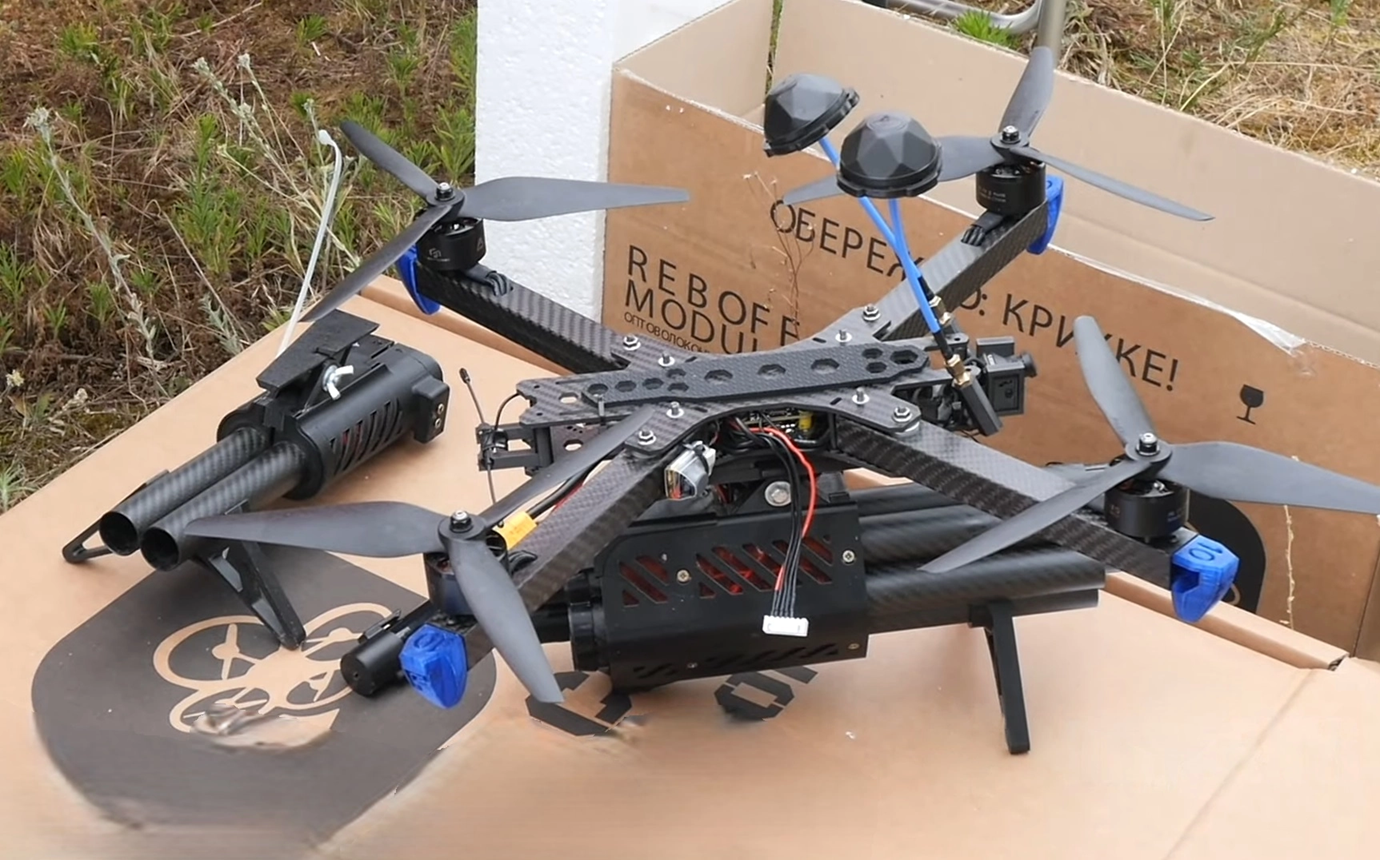
DroneHunter is a 2.3 kg module mounted on various commercial or homemade UAVs (18–38 cm in size), allowing for target destruction in the final seconds before impact. It uses a 12-caliber shotgun with a 2–4 barrel electrically activated configuration, optimized for ranges of 5–20 m. Dozor AI assists in detecting, targeting, and calculating firing elements, increasing automation in interception.
Technical analysis
The core of the system is a lightweight, quick-mount module that prioritizes firepower density and reliability at very short ranges. The .12 caliber rounds utilize an electric ignition mechanism, and the 2–4 barrel configuration increases the probability of engagement when the target is moving rapidly. Varta states that the basic kit, including the barrel, ignition circuit board, and mounting bracket, costs approximately $300; each round costs $7–8. The module has been integrated into more than 10 types of domestically produced UAVs and deployed to over 20 combat units.
| Category | Information |
|---|---|
| Module weight | Approximately 2.3 kg |
| Integrated platform | UAVs measuring 18–38 cm |
| Firepower | 12-caliber shotgun; 2–4 barrels; electrically triggered |
| Killing range | 5–20 m |
| Target detection | 126 m (Dozor AI), even when subjected to electronic jamming. |
| Control capability | One person can control 5–7 drones. |
| Basic set cost | Approximately $300 |
| Ammunition prices | 7–8 USD/pill |
AI and command network integration
DroneHunter integrates Varta's Dozor AI, operating within the Ukrainian military's DELTA battlefield management network. The system is capable of automatically detecting and identifying enemy UAVs from 126 meters, even in electronic warfare environments. The AI calculates firing angles, ranges, and target designations, allowing a single operator to simultaneously control 5–7 drones to create a localized air defense around command centers, ammunition depots, or bridges.
Frontline tactics
According to Le Monde, Ukrainian soldiers are still being trained in shooting shotguns against FPV drones in the "Dronocide" program, but hitting an incoming target within 2-3 seconds requires high skill. Mounting shotguns on the interceptor drones shifts the burden of instantaneous reflexes from the soldiers to the automated platform, creating "flying guard posts" hovering directly over the trenches. In practice, this configuration is often used to intercept low-flying drones and protect artillery positions from suicide drones such as Lancet and Molniya.
Parallel testing and related systems
Many Ukrainian frontline units are also experimenting with mounting recoilless shotguns onto platforms like the Mavic. Simultaneously, more specialized solutions are emerging: a prime example is the Besomar 3210, a reusable interceptor drone showcased at Iron Demo 2025, which mounts a shotgun in its nose, combines thermal imaging with automated firing algorithms to intercept Shahed/Geran missiles at close range.
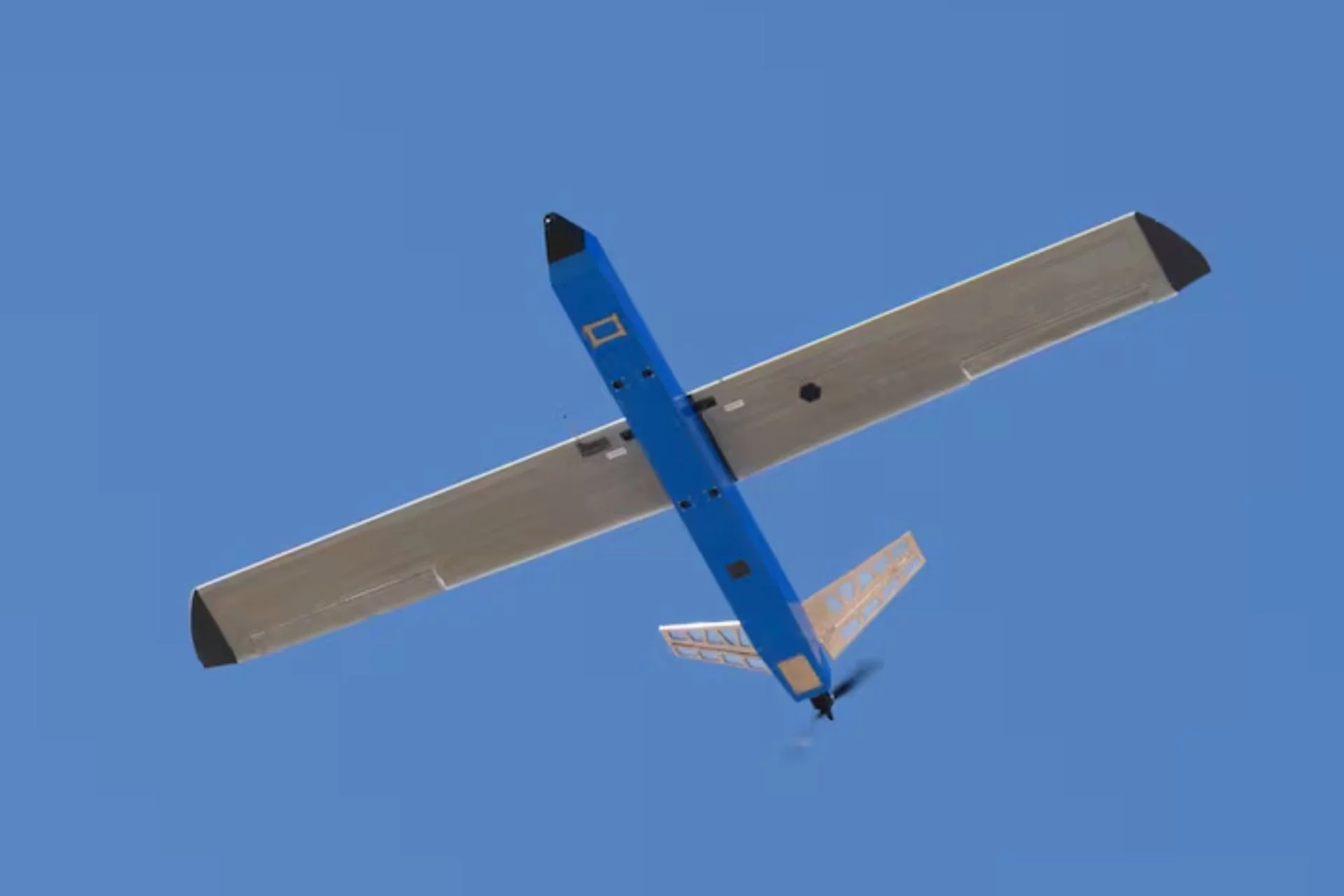
Internationally, armed UAVs such as the Songar (Türkiye) and Smash Dragon (Israel) demonstrate a similar trend. The difference with DroneHunter is that its design is optimized from the outset for anti-UAV missions, rather than attacking ground targets.
Impacts and limitations
DroneHunter aligns with the tiered air defense doctrine, acting as a “last line of defense” at a distance of 20 meters directly above the trenches. While not a replacement for anti-aircraft missiles or jamming equipment, the system provides an economical option to mitigate the risks posed by kamikaze drones to high-value personnel and equipment.


