
Ukraine revives 155mm towed artillery and Japan advances in hypersonic missiles.
Ukraine is exploiting a gap in the European towed artillery market with its Bohdana-B system, while Japan is accelerating the production of hypersonic missiles starting in 2026.
Against the backdrop of a volatile global military landscape, Ukraine is seeking to capture the 155mm towed artillery market in Europe, while Japan and North Korea are continuously increasing their strategic missile capabilities. These moves demonstrate a clear shift in the operational thinking and defense procurement strategies of these nations.
Ukraine exploits market gap for 155mm towed artillery.
According to Defense Express, Ukrainian-developed 155mm towed artillery systems such as the Bohdana-B and Marta are opening up new avenues in the European defense market. For decades, Western nations have focused primarily on self-propelled artillery, inadvertently creating a gap in the heavy towed artillery segment.
Currently, many countries such as Greece, Finland, Croatia, Spain, and Romania still maintain towed artillery in their inventory but lack a supply of new domestically produced equipment. This presents an opportunity for Ukraine to showcase cost-effective and highly efficient solutions.
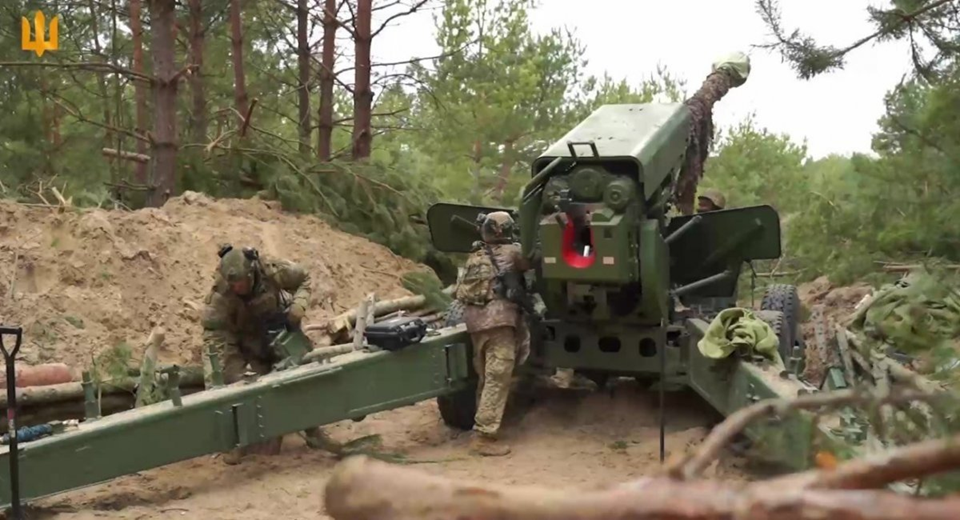
Technical specifications of Bohdana-B and Marta
The Bohdana-B is a towed version of the 2S22 Bohdana self-propelled howitzer system. The system uses NATO standards with a firing range of 40 to 60 km depending on the ammunition type. With a firing rate of 6 rounds per minute and a modern fire control system, the 5-person crew can operate it effectively, and the gun barrel is highly durable.
Furthermore, the Marta system is developed based on the Msta-B platform, allowing for an upgrade from a 152mm to a 155mm caliber. Marta aims for simplicity, ease of operation, and mobility, achieving a range of approximately 39 km, making it suitable for units requiring a powerful firepower solution with limited budgets.
Japan accelerates production of hypersonic missiles.
The Japanese Ministry of Defense has officially allocated 3.1 billion yen (approximately $20 million) for the initial production phase of hypersonic missiles in fiscal year 2026. Notably, the plan for mass production has been moved forward from the original schedule (2031) to meet changes in the regional security environment.
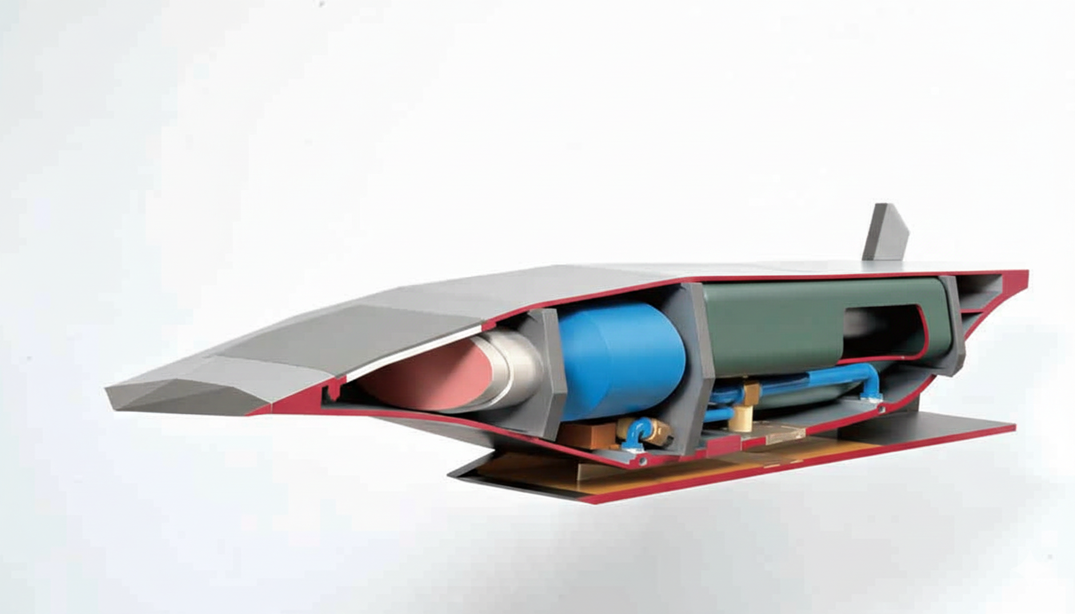
The new hypersonic missile is part of Japan's counter-offensive capability, capable of striking both sea and land targets. The system is expected to utilize the HVGP Block 2 ballistic missile propulsion stage with an estimated range of approximately 3,000 km. In the future, this weapon will be deployed across multiple platforms, from mobile ground launchers to naval vessels and C-2 transport aircraft.
North Korea launches ballistic missile with an unusual trajectory.
On January 4th, North Korea conducted two ballistic missile launches from its western coast toward the Sea of Japan. These were the country's first weapons tests of the new year, attracting the attention of international intelligence agencies.
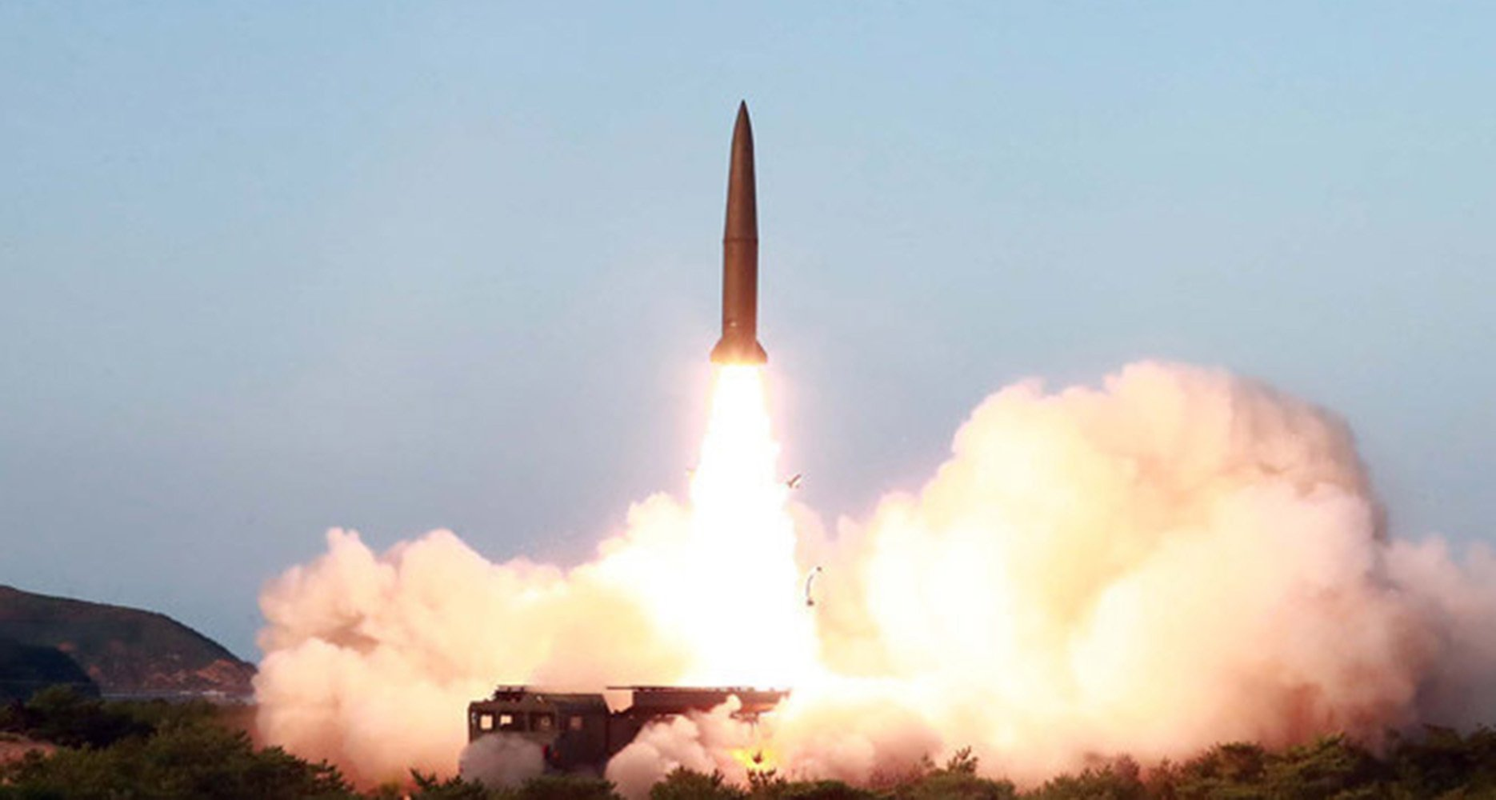
Specifically, the first missile traveled 900 km at an altitude of 50 km, while the second missile traveled 950 km at a similar altitude. The Japanese Ministry of Defense assessed these missiles as having "unusual" flight trajectories, suggesting Pyongyang was testing new technical characteristics to overcome radar defense systems. Currently, relevant parties including Japan, South Korea, and the United States are coordinating a detailed analysis of the data to accurately identify the type of missile.


