
Ukraine develops domestically produced HIMARS-type multiple rocket launchers.
Ukraine is developing a mobile multi-purpose rocket artillery system modeled after the HIMARS philosophy, combining Sapsan, Vilkha, Neptune missiles and FP rounds to reduce dependence on foreign aid and enhance long-range firepower.
Against the backdrop of a protracted war of attrition and the inherent political ties to foreign arms aid, Ukraine is developing a multi-purpose mobile rocket artillery system similar to HIMARS, but designed and manufactured domestically. The project aims to create a single launcher capable of using a variety of projectiles, from guided rockets to ballistic and cruise missiles, to provide proactive long-range firepower.
From HIMARS aid to the "HIMARS domestic" platform
Colonel Andriy Zhuravlev, Deputy Chief of Staff of the Artillery and Missile Command of the Ukrainian Army, in an interview with RBC-Ukraine, revealed a project described as a "technical revolution" in the field of firepower. The goal is not just to create a single missile model, but to build a whole...ecosystemfirepower, where a single chassis can fire various types of ammunition depending on the tactical or strategic mission.
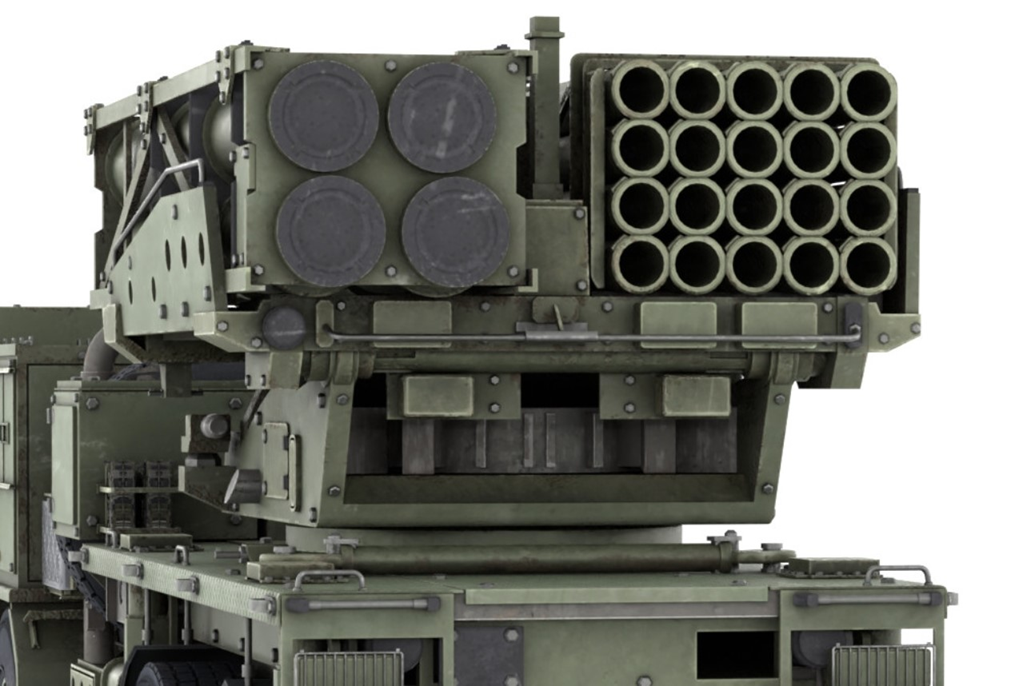
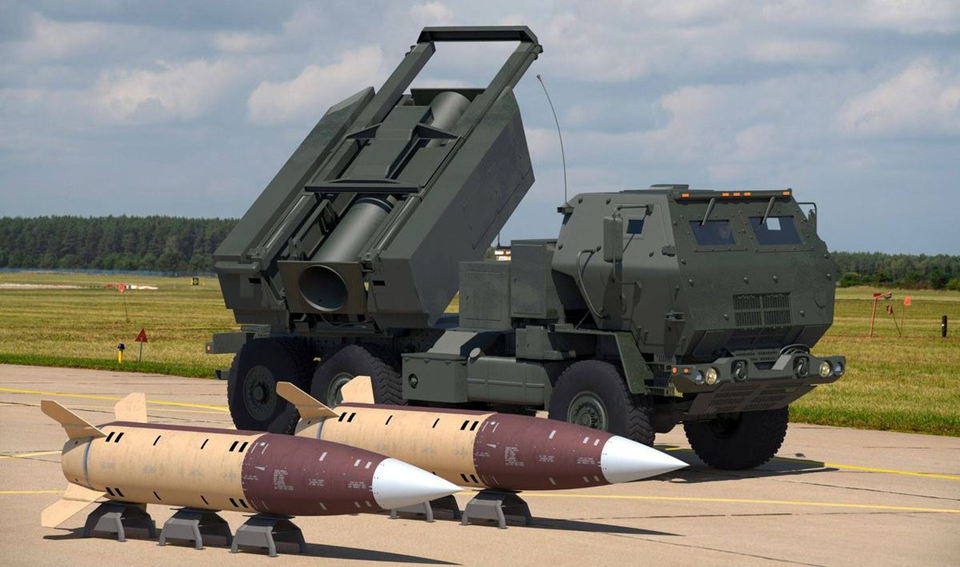
This philosophy follows the American M142 HIMARS model: on the same launcher, the crew can load a module containing 6 GMLRS missiles to strike tactical targets at a range of approximately 80km, or replace them with a single ATACMS short-range tactical ballistic missile to strike strategic targets at a range of 300km. Ukraine wants to replicate that exact flexibility on its domestic platform.
Another important motivation is to reduce dependence on the decisions of donor countries. Currently, every time Kyiv wants to launch a deep attack into enemy territory, it faces limitations imposed by the arms supplier. With a "Made in Ukraine" long-range system, the military could select targets based on actual operational requirements, instead of waiting for external permission.
Logistically, Ukraine still utilizes many Soviet-era multiple rocket launcher systems such as the BM-21 Grad, BM-27 Uragan, and BM-30 Smerch. Each requires its own maintenance, spare parts, and training procedures, creating a significant burden in a war of attrition. A unified platform could simplify the supply chain, shorten crew training time, and accelerate the reloading process on the battlefield – where speed can be crucial for survival against enemy reconnaissance and counter-fire.
The project demonstrates Ukraine's strategic shift: from utilizing outdated weapons stockpiles to designing its own weapons based on NATO principles, emphasizing modularity, high-precision firepower, and multi-role capabilities on a common chassis.
Building a missile ecosystem for multi-purpose launch platforms.
For a truly effective multi-purpose launch system, Ukraine needs a "missile arsenal" with sufficient diversity in range, trajectory, and mission. According to Colonel Zhuravlev and sources in the defense industry, Kyiv is focusing on the Sapsan, Vilkha, and Neptune trio, while also supplementing them with privately developed FP series missiles.
Sapsan/Hrim-2: Long-range tactical deterrent
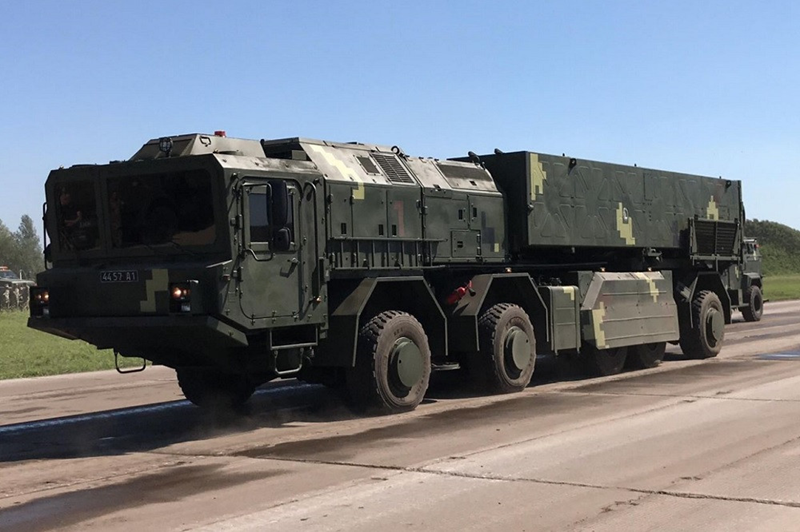
Sapsan (also known as Hrim-2) is considered a potential trump card. It is a tactical ballistic missile system with a theoretical range of up to 500 km, developed as a counterweight to the Iskander-M. When integrated into a new multi-purpose launch platform, Sapsan could become a strategic deterrent, reaching logistics centers, airfields, and command centers deep within enemy territory.
Vilkha-M: Precision-guided medium-range firepower
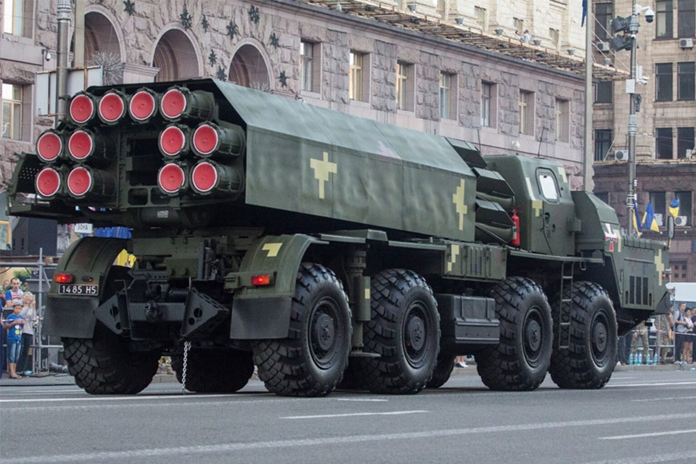
Alongside Sapsan, the Vilkha-M system was developed based on a deep modernization of the Smerch 300mm rocket, adding a precision guidance system. Vilkha has proven effective in real battlefield situations; the Vilkha-M version is expected to further extend range and improve accuracy, playing a role as a medium-range firepower layer, filling the gap between traditional artillery and ballistic missiles.
Improved Neptune: From Anti-Ship to Land Attack
Neptune, originally an anti-ship cruise missile, is believed to have sunk the flagship of the USS Moscow in 2022. Ukraine is currently upgrading Neptune into a long-range ground-attack version. When the Neptune launcher is mounted on the same chassis as ballistic missiles, the new system can create a series of combined attacks with diverse flight trajectories, making it more difficult for enemy air defenses to intercept.

Private sector: FP-7 and FP-9 supplementary flights fill the gap.
In addition to state-funded programs, the private sector is also contributing to expanding the firepower ecosystem. Fire Point is developing the FP-7 tactical ballistic missile and the FP-9 short-range ballistic missile. Smaller models like the FP-9 can serve as low-cost, precision-guided munitions for targeting lower-value targets, instead of the more expensive strategic missiles. This diversification of supply sources is crucial for maintaining firepower density in a prolonged war of attrition.
Tactical and strategic implications for Ukrainian artillery.
According to the described plan, the domestically produced HIMARS-type universal missile system is not just a technical project but also a step towards strategic self-reliance. Given the potential for fluctuating Western aid depending on the political situation, the ability to domestically produce and deploy long-range strike systems is seen as a crucial security safeguard for Kyiv.
If the components of the ecosystem – from Sapsan, Vilkha-M, Neptune to FP-7/FP-9 – are successfully integrated, Ukraine could establish a "no-fire zone" around the front lines. Pushing enemy ammunition depots, airfields, troop assembly points, and command centers further away would reduce direct pressure on infantry units and expand options for precision strike operations.
In terms of force organization, a standardized chassis simplifies crew training, reduces the number of spare parts needed for inventory, and shortens the time required to switch between missions – from firing medium-range rocket artillery to launching long-range ballistic missiles – on the same launch vehicle.
Technical challenges and implementation risks
In return, the project's technical complexity is very high. Integrating the electronic systems, radar guidance, and launch mechanisms of various missile types onto a common platform requires synchronized design, testing, and manufacturing capabilities. The investment costs for research, production lines, and protecting industrial infrastructure against enemy attacks also present a significant challenge.
Ukraine's missile science and technology foundation, inherited from the Soviet era and combined with modern technology acquired from the West, provides the basis for pursuing this goal. However, the actual success of the "domestic HIMARS" system will depend on the progress of perfecting each missile variant, the ability to preserve the defense industry base, and maintain production levels under wartime conditions.
HIMARS – a reference framework for development
HIMARS is a highly mobile artillery rocket launcher system developed by Lockheed Martin for the U.S. Army. Introduced in 2005, HIMARS is a lighter version of the M270 MLRS, utilizing a 6x6 truck chassis to enhance mobility and allow for rapid deployment across a variety of challenging terrains.
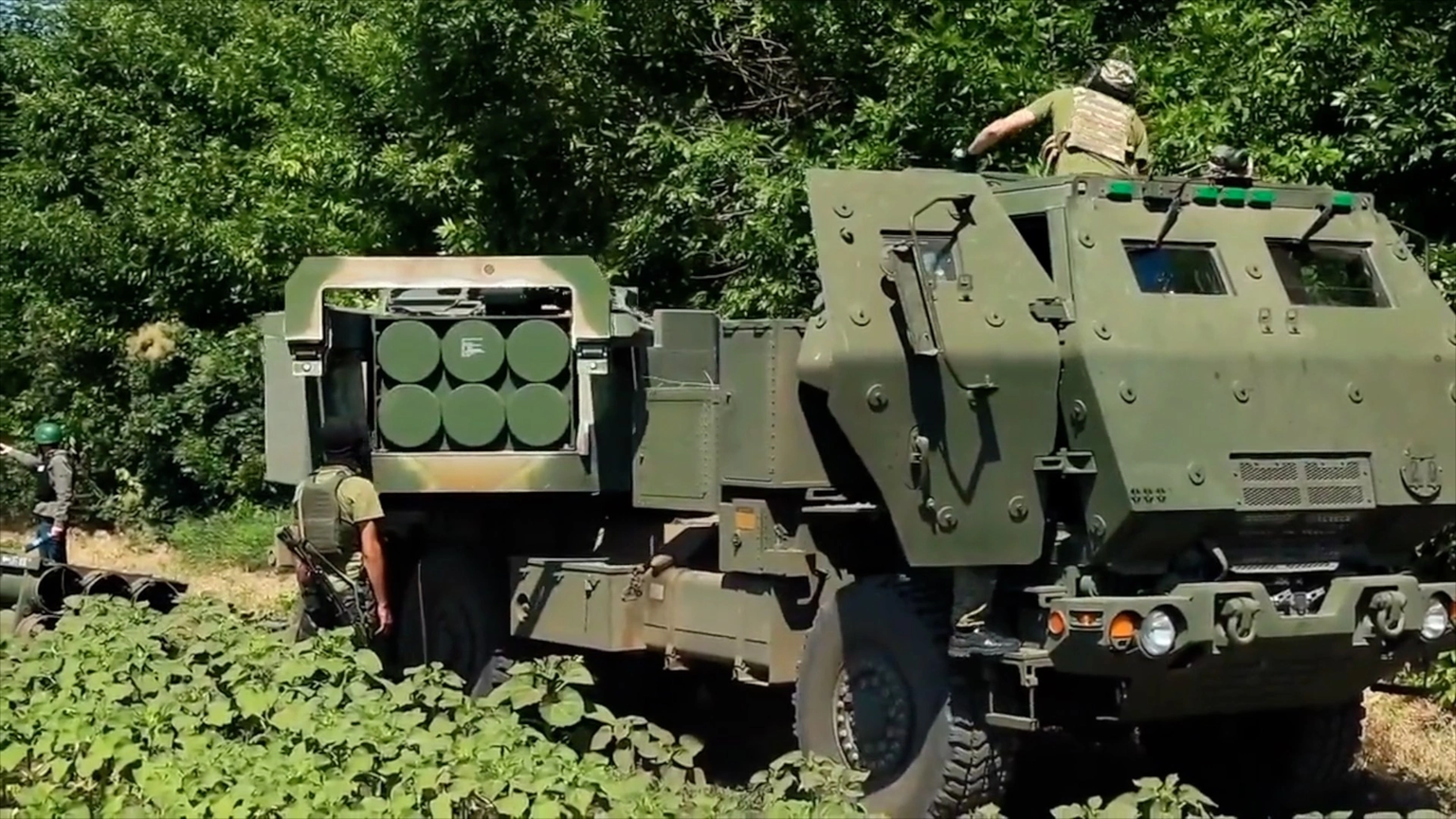
Each HIMARS launcher carries a pod containing either six GPS-guided GMLRS rockets or one ATACMS short-range ballistic missile. The range of standard rockets is between 15 and over 80 km, while ATACMS reaches approximately 300 km. This system is highly regarded for its accuracy, rapid reloading time of about 10 minutes, and rapid, continuous firing capability, earning it the nickname "artillery sniper."
In recent conflicts, particularly in Ukraine, HIMARS has been used to destroy numerous strategic Russian targets from long range. Currently, HIMARS is operated by several countries, including the US, Ukraine, and Canada, which have ordered 26 systems. Thanks to its versatility and cost-effectiveness, HIMARS continues to be one of the important weapons of modern warfare, supporting precision strike operations without the need for large-scale ground forces. This is precisely the model that Ukraine is seeking to localize and expand according to its own conditions, missile stockpile, and operational needs.


