
Ukraine launches a record number of drones at Russia; air defenses shoot down 287.
The Russian Ministry of Defense said it shot down 287 drones across 11 regions. At the same time, the Ukrainian Air Force reported that Russia used 3 Iskander-M drones and 151 other drones in the attack; Ukraine intercepted 85 targets.
According to the Russian Ministry of Defense, on the night of December 10th and the early morning of December 11th, Ukraine deployed an unprecedented number of drones into Russian territory; Russian air defense systems intercepted 287 drones across 11 areas. At the same time, according to the Ukrainian Air Force, Russia conducted a combined attack using 3 Iskander-M ballistic missiles and 151 drones targeting critical Ukrainian infrastructure; by 10:00 AM on December 11th, Ukraine reported neutralizing 85 targets, including 83 drones and 2 missiles.
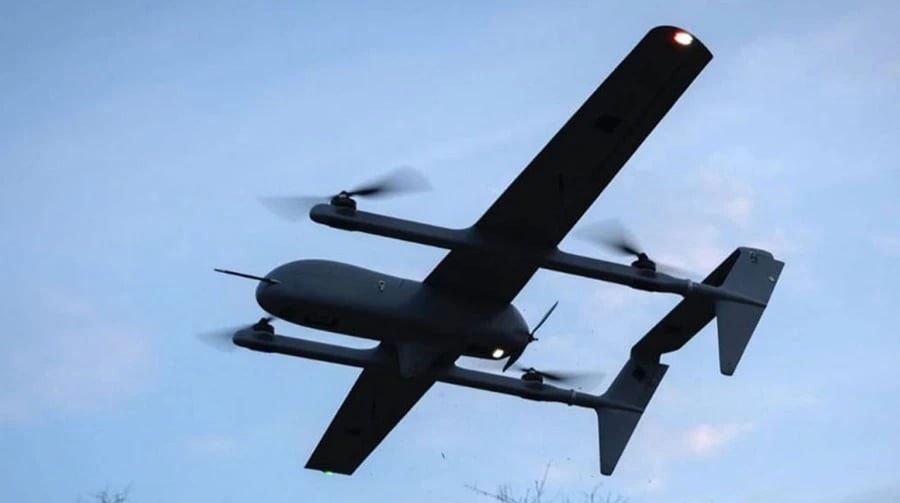
Overview
Russian authorities describe drone strikes on Russian territory as occurring almost daily recently. Common targets include oil depots, gunpowder factories, weapons plants, and military airfields. Ukraine reported that during the night of December 10th and early morning of December 11th, Russia launched a "combined" ballistic missile and drone attack on critical Ukrainian infrastructure, hitting 34 areas; debris from downed targets fell in numerous locations.
| The publisher | Key developments and figures |
|---|---|
| Russian Ministry of Defense | Authorities intercepted 287 Ukrainian UAVs over 11 areas of Russian territory during the night of December 10th and early morning of December 11th. |
| Ukrainian Air Force | Within the same timeframe, Russia launched 3 Iskander-M ballistic missiles and 151 UAVs; by 10:00 AM on December 11th, Ukrainian air defenses had neutralized 85 targets (83 UAVs, 2 missiles); the strikes targeted 34 areas. |
Technical analysis
Information from both sides indicates a high density of UAV and missile use, with a key characteristic being a "mixed attack" combining multiple types of attack vehicles. On the Russian side, the figure of 287 UAVs shot down in one night reflects the saturation scale that air defense systems had to handle across a wide area (11 regions). On the Ukrainian side, the 85 targets neutralized out of a total of 154 attack vehicles reported by Ukraine (3 missiles + 151 UAVs) correspond to an interception rate of approximately 55% based on simple calculations from the data.
The figures highlight two technical characteristics of UAV warfare in current conflicts: firstly, their large size helps stretch the air defense network in both width and depth; secondly, the combination of different flight paths and multiple types of vehicles (UAVs and ballistic missiles) creates a simultaneous mission load for surveillance, command and control, and interceptor fire.
For the Russian side, the declaration of interception in 11 areas suggests the need for the dispersal of sensors and firepower, as well as regional coordination. For the Ukrainian side, specifying the timeframe "until 10:00 AM on December 11" indicates that the assessment and confirmation of neutralized targets were being updated in real time, consistent with the multi-hour nature of nighttime airstrikes.
Tactics
According to Russian descriptions, targets frequently targeted by UAVs include oil depots, gunpowder production facilities, weapons factories, and military airfields. These are strategically important military and logistical locations; disruptions to these sites would affect combat capabilities and the supply chain of ammunition, fuel, and air force operations.
The Ukrainian concept of "hybrid attack," presented in the opposite direction, illustrates a combination of UAVs and ballistic missiles. Tactically, this approach leverages a large number of UAVs to increase target engagement density and disperse air defense fire, while ballistic missiles add the capability to strike key targets with varying trajectories and speeds.
According to the Ukrainian Air Force, the debris falling in multiple locations across Ukraine is a common consequence of air defense interceptions over urban and densely populated areas. This necessitates early notification, hazard zone management, and post-interception cleanup.
Comparison based on published data
- Scale: The Russian side emphasized the record number of UAVs shot down (287) across 11 regions; the Ukrainian side described a mixed attack on 34 regions.
- Attack direction: Ukrainian UAVs targeted Russian territory; Russia simultaneously used UAVs and Iskander-M ballistic missiles against Ukrainian infrastructure.
- Interception results: Russia announced the number of UAVs shot down; Ukraine announced the number of targets neutralized (83 UAVs, 2 missiles) and the update timeline.
Impact
Intense air raids involving large numbers of unmanned aerial vehicles (UAVs) indicate increasing pressure on both sides' air defense networks. Targets of significant military and logistical value, such as oil depots, gunpowder facilities, weapons factories, and military airfields, remain at high risk. On the defensive side, protecting large areas over extended periods requires constant vigilance and the simultaneous handling of multiple incoming attacks.
The figures in this article are all released by Russia and Ukraine in their official statements. The article does not draw conclusions beyond the scope of the data presented.


