
Ukraine is about to receive a $5 billion arms package through the PURL initiative.
The approximately $5 billion package, funded by NATO and drawn from US reserves under PURL, is expected to be deployed by the end of 2025; prioritizing air defense and 24/7 logistics support via Poland and Romania.
Ukraine will receive approximately $5 billion worth of weapons funded by NATO through the PURL initiative, drawn from US stockpiles and expected to be deployed by the end of 2025. According to NATO Deputy Secretary General Radmila Shekerinska, this mechanism is focused on meeting urgent needs, particularly in air defense. Logistics operations run 24/7 through transit hubs in Poland and Romania, with funding from European allies and Canada; Australia and New Zealand have recently joined as well.
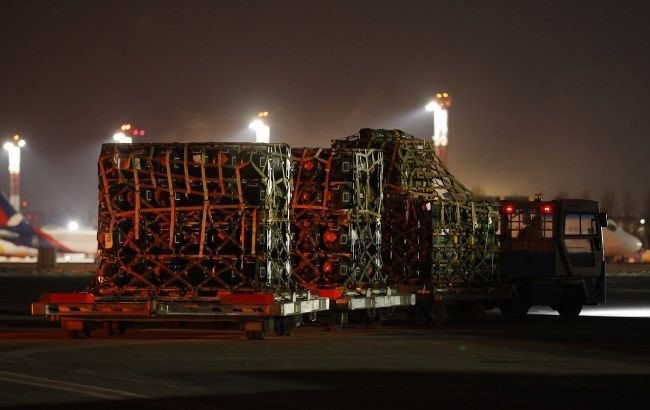
Main information by source
- Value: Approximately $5 billion worth of weapons for Ukraine, from US stockpiles, under the PURL program.
- Timeline: Deployment is scheduled for the end of 2025.
- Key takeaway: the majority of Ukraine's recent air defense systems arrived via PURL; Ukraine still needs to strengthen its air defense capabilities.
- Logistics: operates 24/7 through centers in Poland and Romania.
- Funding: European allies and Canada; Australia and New Zealand are new participants.
- PURL launch: July 2025; total scale could reach up to $10 billion.
- Participation: 21 countries as of early December; funding mainly from the Netherlands, Norway, Poland, Germany, Canada, Australia, and New Zealand.
PURL data summary table
| Item | Information |
|---|---|
| Startup time | July 2025 |
| Maximum scale | Up to $10 billion |
| New batch | Approximately $5 billion |
| Supply | US stockpiles |
| Time of deployment | By the end of 2025 |
| Logistics | 24/7 via Poland, Romania |
| Number of participating countries | 21 (early December) |
| Main source of funding | Netherlands, Norway, Poland, Germany, Canada, Australia, New Zealand |
Technical analysis: supply chain and air defense
PURL allows Ukraine to prioritize its needs, identify funding partners, and enable NATO to purchase directly from the U.S. This centralized approach facilitates clearer matching of needs and resources. Obtaining weapons from U.S. stockpiles, under logistical principles, is generally simpler than ordering new production; the source did not specify delivery timelines.
The need for air defense is emphasized. This reflects the requirement to maintain a multi-layered air defense network, increase combat readiness, and ensure continuity of ammunition, components, and replacement equipment. NATO stated that it is increasing defense production to compensate for shortfalls, in order to maintain the pace of supply for priority items.
Tactics and deployment: 24/7 resupply cycle.
Transit centers in Poland and Romania operate 24/7, helping to maintain a stable supply pace. This mechanism allows equipment deliveries to be prioritized according to tactical levels, reducing transport bottlenecks and minimizing waiting times at logistical gateways. The source did not specify the exact routes or number of shipments, but the continuous operation model is significant in maintaining combat readiness.
When the primary equipment priority is air defense, logistical priorities can focus on air defense equipment, components, ammunition, along with technical personnel and maintenance packages. This supports the ability to maintain sustained combat readiness and quickly restore capabilities after depletion.
Characteristics of the PURL mechanism
- Prioritize needs according to a list of priorities compiled by Kyiv and submitted to NATO.
- Multiple funding sources, a focus on procurement from the US, and payments made through a special NATO account.
- The accumulated capital could reach $10 billion, creating a sufficiently large financial framework for key projects.
Impacts and considerations
- With a package of approximately $5 billion, the focus on air defense continues to be strengthened to meet urgent needs.
- A 24/7 logistics network across Poland and Romania helps maintain the pace of supply.
- NATO is increasing defense production to address shortages; the source did not specify the types, quantities, or delivery schedules for each batch.
- By early December, 21 countries had joined, with significant contributions from European countries, Canada, and the recent participation of Australia and New Zealand.
Note: The source does not disclose specific weapon categories or system configurations. The assessments above are based solely on published data and do not include inferences about specific types or delivery schedules.


