
Ukraine attacks Russian oil: 3 risks from the new strategy
Ukraine's attack on Russian oil fields in the Baltic Sea using drones aims to strike a blow to Moscow's economic lifeline. However, this strategy to deter Russia is far from easy and carries significant diplomatic risks for its Western allies.
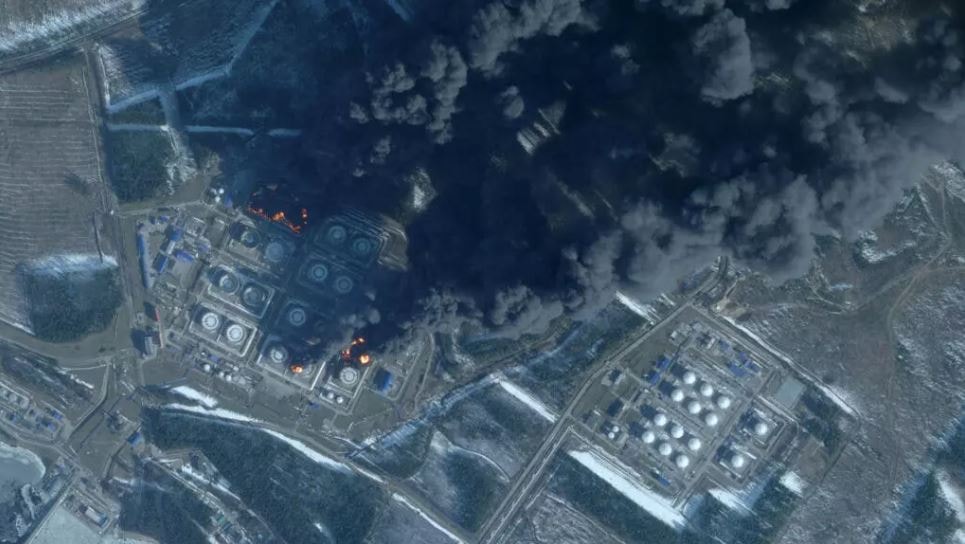
The superior operational range of Ukrainian UAVs.
In recent days, Ukraine has increased its drone attacks on ports and oil refineries in Russia's Leningrad region on the Baltic Sea coast. However, Kyiv's strategy to prevent Moscow from benefiting from disruptions to Middle Eastern oil supplies carries significant risks.
Last week, Ukrainian drones attacked at least four key oil export infrastructure facilities in Russia's Leningrad region on the Baltic Sea, causing some facilities to burn for days. "There was damage at the Ust-Luga port," Leningrad Governor Alexander Drozdenko wrote on Telegram on March 31, but provided no further details on the extent of the damage.
Ukraine regularly uses UAVs and missiles to target Russian power and energy infrastructure. In fact, the Ukrainian military has been conducting a "prolonged campaign targeting Russian infrastructure for almost a year," according to Huseyn Aliyev, an expert on the Ukrainian war at the University of Glasgow.
Strategic shift: From oil refinery to export port.
But by targeting Russian oil ports, Kyiv appears to have crossed a "red line." "This is the most serious threat to Russian oil and petroleum product exports since the conflict began," energy analyst Boris Aronshtein said in an interview with RadioFreeEurope.
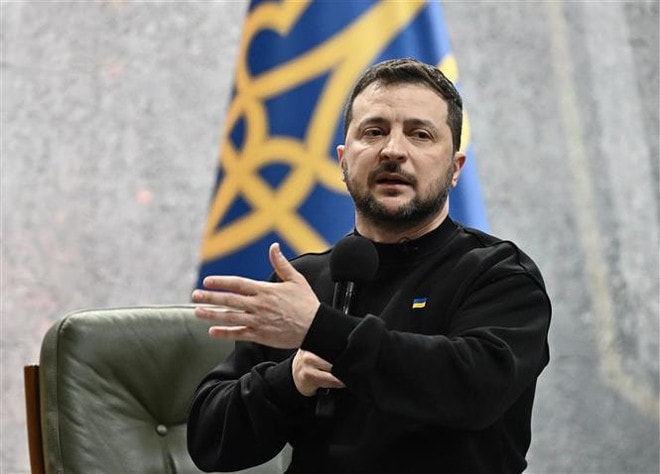
Ukrainian President Volodymyr Zelensky even stated on March 30th that some of Ukraine's allies had sent "signals" urging Kyiv to scale back its long-range attacks on Russia's oil industry in the Baltic Sea.
The energy infrastructure that Ukraine is targeting is particularly sensitive. Jeff Hawn, a Russia expert at the London School of Economics (LSE), stated: "Russia's oil infrastructure is heavily concentrated in the region bordering Western Europe. This is a legacy from the Soviet era, and subsequently, Russia's main energy market is also Western Europe."
Therefore, the ports of Primorsk and Ust-Luga have become Russia's main oil depots on the Baltic Sea. These are also the targets that Ukrainian forces have been repeatedly attacking in recent weeks.
Agata Loskot-Strachota, a European energy expert at the Center for Oriental Studies in Warsaw, said that these two oil terminals "account for about 30% of Russia's oil exports." These two ports are of great importance to an oil-exporting nation like Russia.
Huseyn Aliyev, an expert on the Ukraine war at the University of Glasgow, analyzed that the recent UAV attacks were "an inevitable step in Ukraine's strategy, which began by targeting infrastructure near its borders and in the Black Sea region because those are the most accessible targets."
Will Kingston-Cox, a Russia expert at the Verona International Security Research Group, assessed: The attacks also mark a "strategic shift in Ukraine's target selection. Previous attacks on Ukrainian oil refineries were used to stifle processing capacity and create bottlenecks in domestic fuel production, while the attacks on import and export terminals are aimed at the routes through which Russia exports energy to international markets."
In this context, the timing of the attack is extremely important. This is because Russia's demand for oil has surged since the outbreak of the war in the Middle East and the blockade of the Strait of Hormuz.
Leverage creates economic pressure.
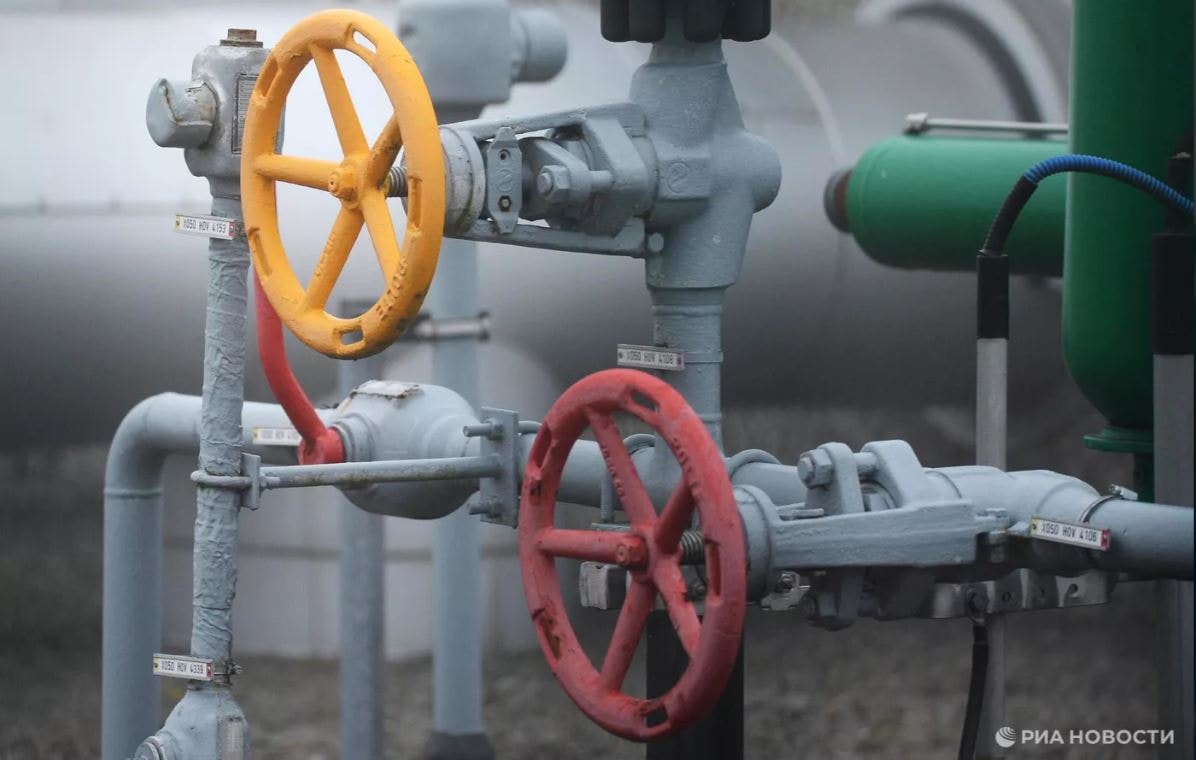
Following the near-total disruption of maritime traffic in the Strait of Hormuz, the US issued a 30-day waiver, allowing Russia to resell some of its oil. According to energy expert Loskot-Strachota, this enabled Moscow to leverage its advantage in exporting oil to the global market, but the move "completely goes against Ukraine's interests."
According to Kingston-Cox, the attacks on Russian oil infrastructure in the Baltic Sea are Ukraine's way of asserting that if external economic pressure on Moscow's oil supply weakens, they will "create their own form of economic pressure through military means." Kingston-Cox argues that this is an "economically smart" move because, with relatively low-cost weapons like UAVs, Ukraine can strike directly at the Kremlin's finances.
Risk of tension with European allies.
However, this strategy is not without its own diplomatic risks.
In the current context, several European countries have urged Ukraine to reduce the frequency of attacks on Russian oil facilities. Even if Europe intends to move towards completely eliminating Russian oil, it must acknowledge the reality that any reduction in Russian export capacity would tighten global supply.
According to expert Aliyev, it is truly a "gamble" for Ukraine. Meanwhile, expert Hawn believes that Ukraine is likely to continue these types of airstrikes if they can do so without facing too much pressure from their Western allies.
It remains unclear whether the attacks along the Baltic Sea will have a significant negative impact on the Russian economy. Ultimately, everything depends on the actual extent of the damage and Russia's ability to recover. The port of Primorsk has now partially resumed operations.
According to experts, Ukraine may launch more aggressive and prolonged attacks in the near future if it wants to continue crippling Russia's oil export capabilities. However, such actions could put them at odds with their own Western allies – countries already facing headwinds as they "break free" from their dependence on Russian energy supplies.


