
Ukraine integrates Stugna-P missiles onto ground robots to counter Russian tank armor.
The combination of Stugna-P anti-tank missiles and unmanned aerial vehicles (UGVs) optimizes heavy firepower, overcomes the shortcomings of FPV drones, and protects soldiers' lives.
Amidst the constantly evolving conflict in Ukraine, unmanned aerial vehicles (UGVs) are becoming a key solution for "reviving" traditional weapons. In particular, the integration of the Stugna-P guided anti-tank missile (ATGM) onto ground-based robotic platforms is opening a new avenue, allowing heavy firepower to return to the front lines without endangering the operating crew.
The rise of FPV drones once overshadowed many ATGM types due to their low cost and maneuverability. However, as Russian tank protection measures become increasingly sophisticated, the need for a weapon with powerful penetration and high accuracy like the Stugna-P has become more urgent than ever. The emergence of UGVs is the missing link for ATGMs to regain their position on the modern battlefield.
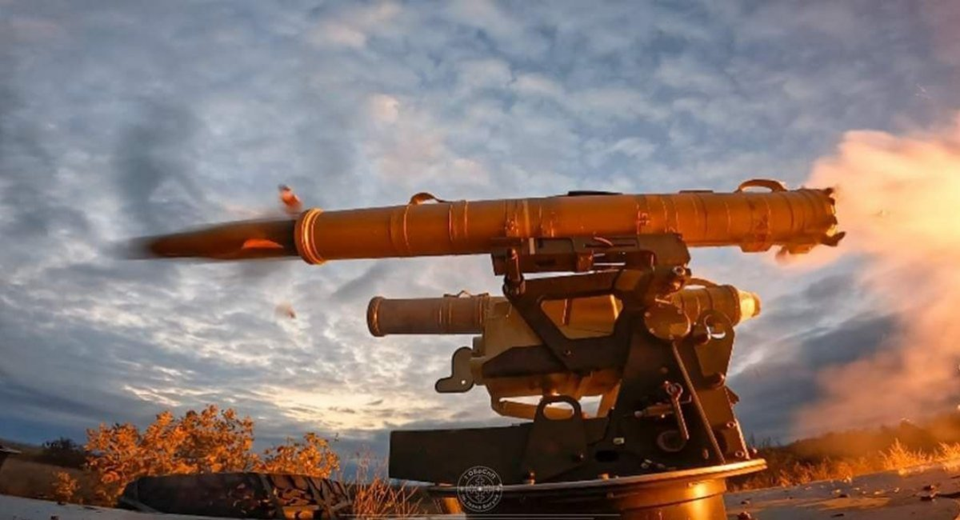
The limitations of FPV drones and the return of heavy firepower.
In recent years, FPV drones and attack UAVs have played a leading role in destroying armored vehicles due to their ability to strike vulnerable points such as turret roofs. However, the Russian military has deployed various countermeasures such as installing steel cages, metal frames, and additional armor structures. Although improvised, these protective layers have significantly reduced the penetration effectiveness of small-caliber warheads from FPV drones.
To neutralize a fortified target, the attacking side typically has to deploy more FPV drones, leading to increased costs and reduced overall combat effectiveness. In contrast, the Stugna-P, with its powerful warhead and superior armor-piercing capabilities, can destroy the target with a single shot, regardless of additional armor layers.
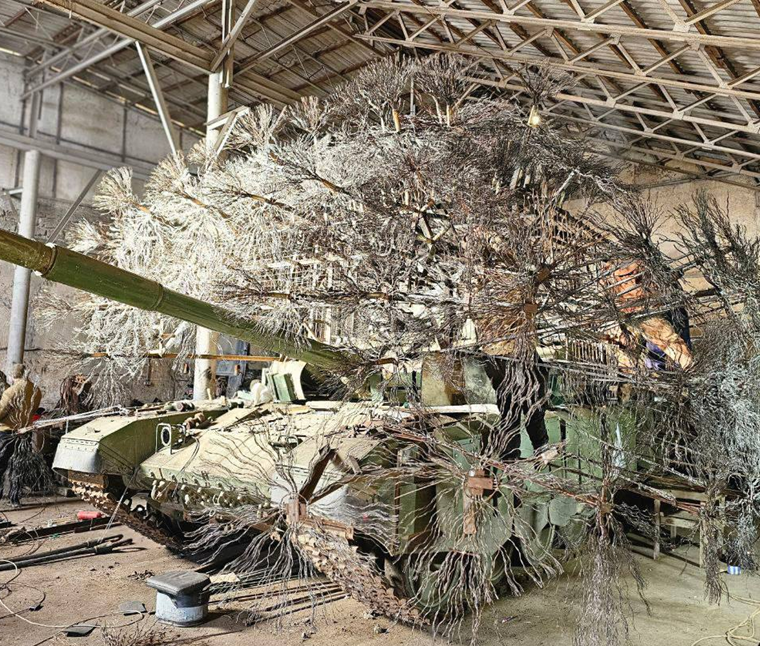
Optimizing survival chances through unmanned technology.
The Stugna-P system uses a semi-automatic line-of-sight guidance (SACLOS) mechanism, requiring the operator to keep the aiming device fixed to the target until the missile hits. In an environment heavily monitored by reconnaissance UAVs, remaining stationary exposes the operator to a very high risk of counterattack from enemy artillery or drones.
Integrating Stugna-P onto ground-based robots completely solves this problem. Technically, Stugna-P already has remote control capabilities via a separate control panel. When integrated into a UGV, the operating crew can sit in a shelter or safe location hundreds of meters away from the launch platform. This not only protects the lives of soldiers but also allows the deployment of weapons in dangerous locations that are difficult for infantry to access.
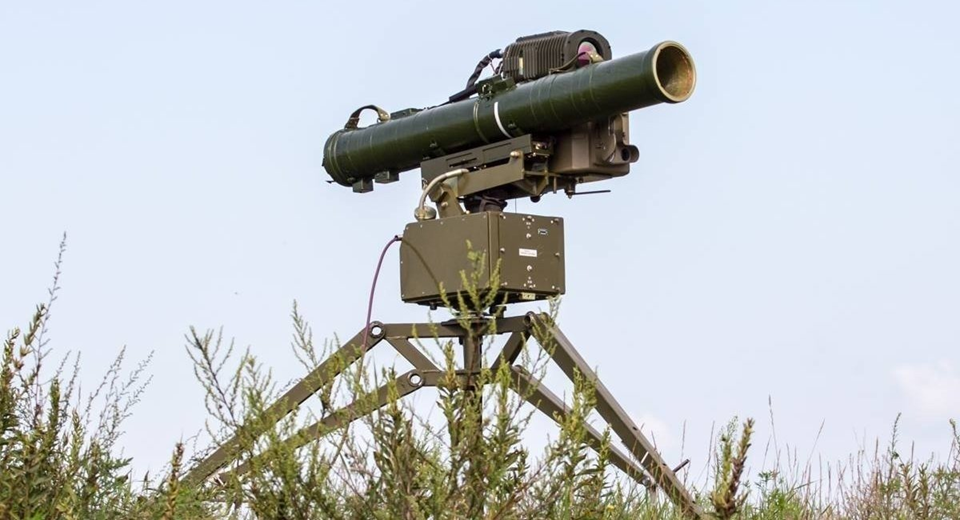
Economic and field challenges
Despite offering clear tactical advantages, missile-carrying robots still face cost hurdles. A UGV platform with sufficient payload capacity and stability to carry an ATGM system typically costs between $15,000 and $60,000 depending on the configuration. When combined with the cost of the Stugna-P missile (approximately $20,000 on the export market) and the electro-optical system, the total cost of such a robot assembly is considerable.
Furthermore, terrain presents a significant challenge. ATGM targeting requires a direct and unobstructed line of sight. With their low profile design for increased camouflage, ground robots are easily obscured by obstacles such as tall grass or rough terrain, limiting their effective range.
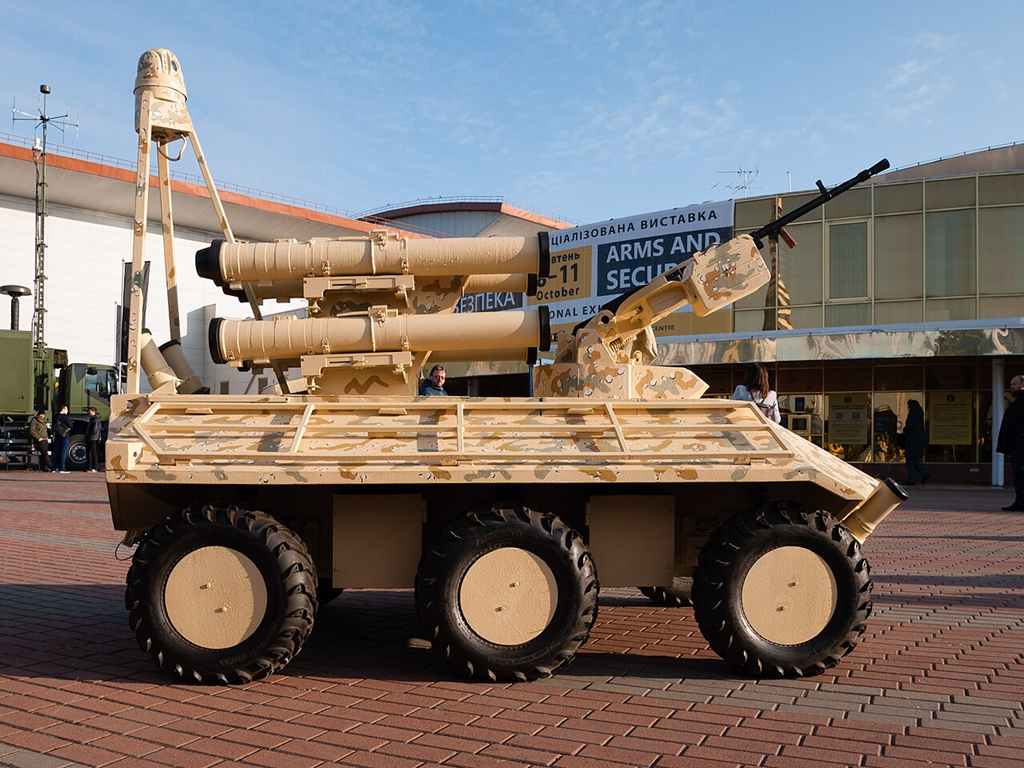
Despite the challenges, the trend towards "robotizing" firepower is becoming inevitable. Ukraine is rapidly developing its UGV ecosystem from logistical support to direct combat. Upgrading to heavy weapon systems such as anti-tank missiles on unmanned platforms not only helps maintain firepower but also reflects a profound shift in modern warfare thinking.


