Prioritize human resource development in ethnic minority areas.
Thanh Cuong•January 23, 2026 12:27
The documents of the 14th National Congress of the Party identify human development as the central, the subject, and the most important resource of development. For Nghe An, a mountainous, highland, and border region in the west that occupies three-quarters of the province's area, this goal has even greater practical value and is highly desirable.
Building "digital citizens" from the village level.
Mon Son Secondary School, located in the border commune of Mon Son, has 18 classes with 607 students. The students here are mainly from the Thai and Dan Lai ethnic groups – a small community deep within the core of Pu Mat National Park.
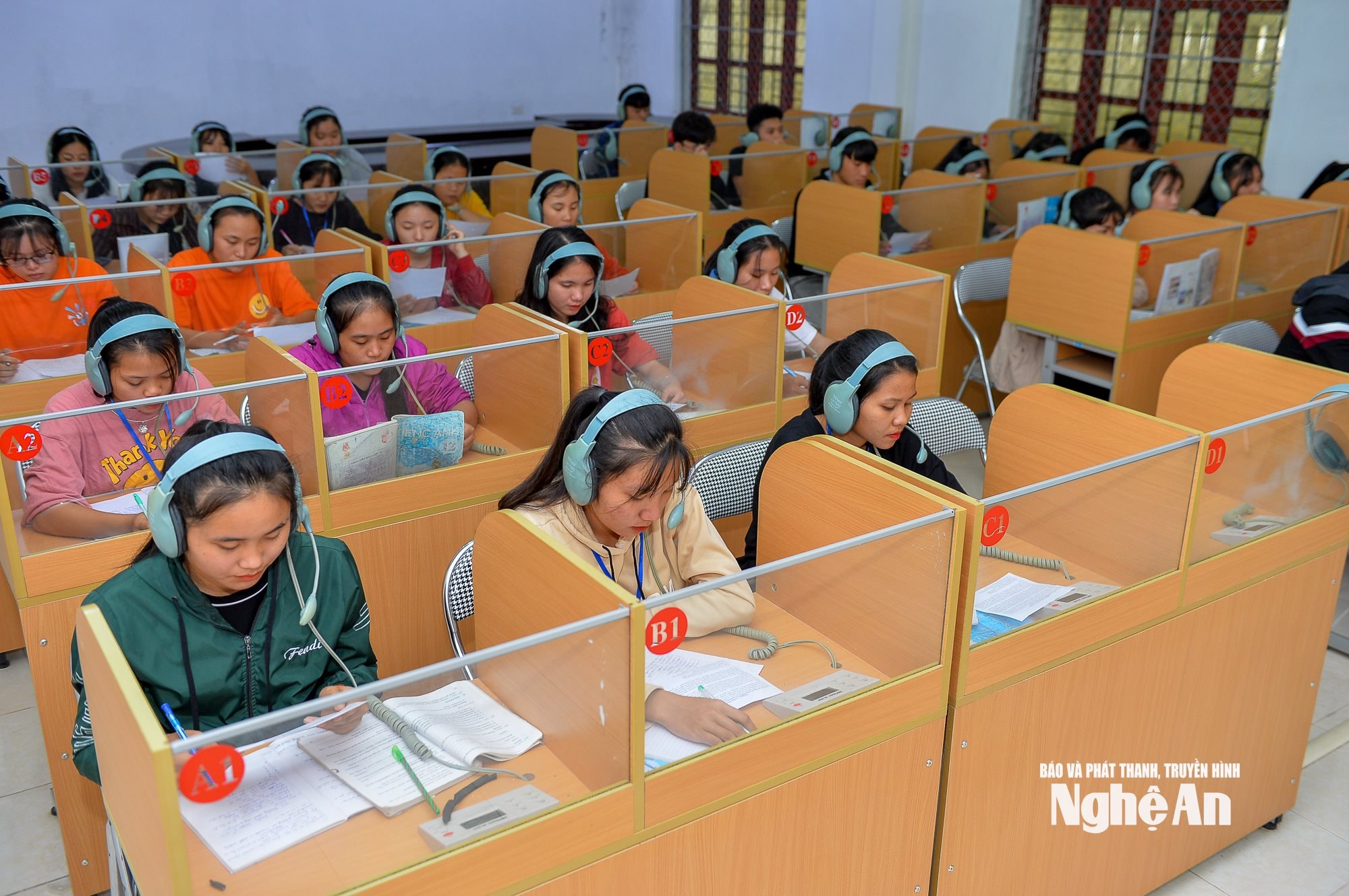
In the final days of the first semester of the 2025-2026 school year, the school is busy preparing the infrastructure to install machinery and equipment for the foreign language classroom. At the same time, the school is also investing in and adding more computers to the IT classroom. Besides teaching foreign languages according to the 2018 Education Program, the school also organizes a Foreign Language Club, holding weekly and monthly meetings to both create interest and improve foreign language skills for ethnic minority students, while also providing a space for students to overcome psychological barriers and confidently access the global language.
"
With a student-centered approach, in addition to focusing on knowledge training through the curriculum, the school prioritizes investing in equipment to support the teaching and learning of foreign languages and computer science, and fostering digital skills for students, thereby opening "windows" connecting them to the world.
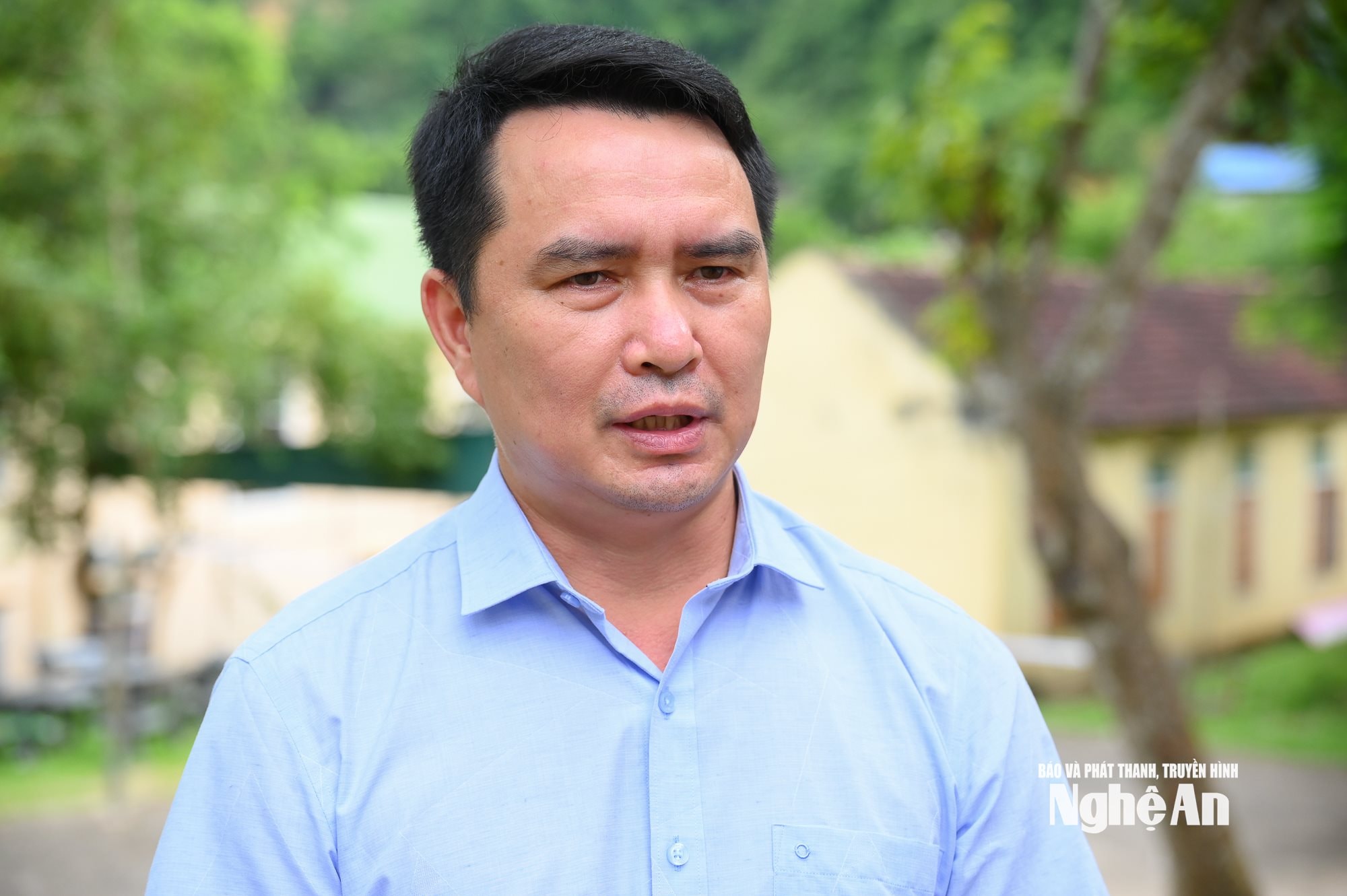
Teacher Nguyen Van Vi - Principal of Mon Son Secondary School
According to Mr. Nguyen Van Vi, Principal of Mon Son Secondary School, in line with General Secretary To Lam's speech at the 14th National Congress, the development of human resources, especially in ethnic minority areas, through education, is aspirational to bring children in remote areas to the same level as children in lowland areas in the digital age. Therefore, with students at the center, in addition to focusing on knowledge training through the curriculum, the school prioritizes investing in equipment for teaching and learning foreign languages and computer science, and fostering digital skills for students to open "windows" connecting them to the world.
Students in Mon Son commune during an English lesson. Photo: Thanh Cuong
“Teaching English or computer science to children in mountainous areas is not simply about adding another subject, but about giving them the key to step out into the globalized world. When a child in the border commune of Mon Son becomes proficient in English and knows how to use a computer, the geographical barrier almost disappears. This is the path for them to reach out to the world from their villages, bringing their knowledge back to build a prosperous Nghe An province,” shared teacher Nguyen Van Vi, expressing his aspirations.
Besides focusing on imparting knowledge, Mon Son Secondary School also incorporates folk songs and traditional crafts into the school curriculum through extracurricular activities. “A child in Mon Son commune who is technologically gifted but still deeply knowledgeable about their ethnic culture is the ideal person that the 14th National Congress aims for: Resilient, integrated, but not assimilated.”
Furthermore, the school places physical development on par with intellectual development. In addition to the state-mandated school lunch program, Mon Son Secondary School also collaborates with social organizations and seeks additional support to ensure students receive adequate and nutritious meals, thereby improving the stature of the country's future workforce.
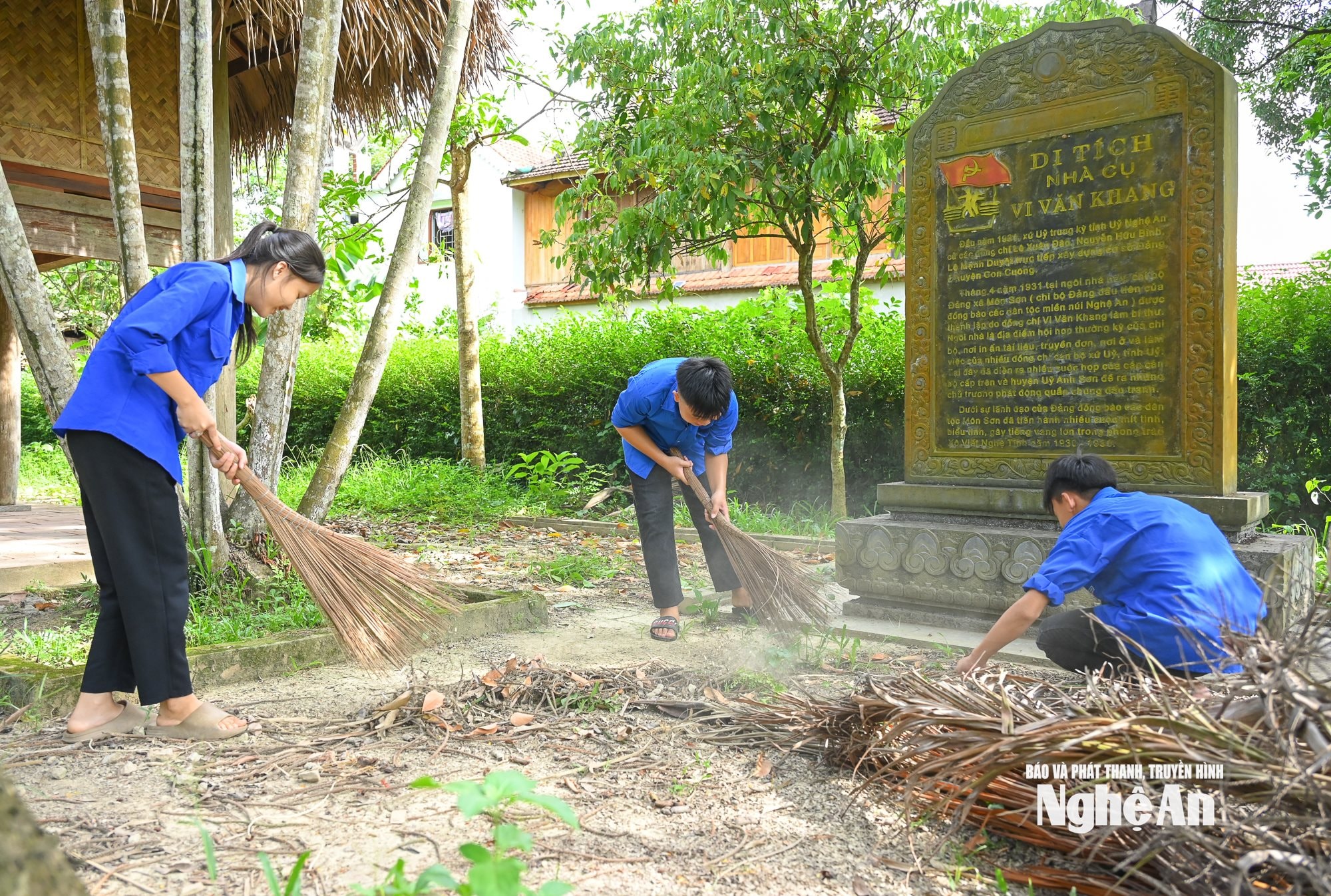
Students are tending to the landscape of the Vi Văn Khang House historical site. Photo: Thành Cường
With great faith in the 14th National Congress of the Party, and with its strategic decisions for the country's development in the new period, teacher Nguyen Van Vi hopes that: To ensure that no remote school in ethnic minority areas of Nghe An province, as well as the whole country, is left out of the digitalization race, it is necessary to commission telecommunications companies to provide 4G/5G coverage to even the most disadvantaged areas. In schools facing extreme difficulties, it is necessary to train teachers who can teach multiple subjects and are proficient in digital skills to operate online classes;...
Furthermore, it is necessary to consider establishing a large-scale scholarship fund, committing to fully finance university education for outstanding students from remote areas, so that they can later bring their knowledge back to serve and build their villages, helping them escape poverty and achieve sustainable development.
Shifting from diversified investment to focused, targeted investment.
Bac Ly is one of nine communes in Nghe An province that were not merged when operating under a two-tiered local government system. Along with many other border communes, Bac Ly plays a special role as a "frontier" of the Fatherland. Here, investing in people's well-being is the most important form of protecting the Fatherland from early on and from afar. The operation of a two-tiered government system, coupled with the application of information technology, is gradually modernizing the administrative apparatus in this area, located more than 260 km from the center of Nghe An province.
Border guards guide citizens on how to log in to the public service portal. Photo: Thanh Cuong.
In response to current development demands, Bac Ly commune is charting a practical "digital roadmap." The digital economy here begins with practical steps; residents are learning to promote their agricultural products via Zalo and using QR codes for simple traceability. This is the first step in shifting the mindset from "self-sufficient production" to a "commodity economy."
"
Allocate resources and train commune and village officials, influential individuals, village elders, clan leaders, and core youth. Training content should not be spread thin, but focus on improving household and group economic thinking, production planning skills, access to capital, and marketing linkages. Shift the mindset towards "self-determination and self-responsibility."
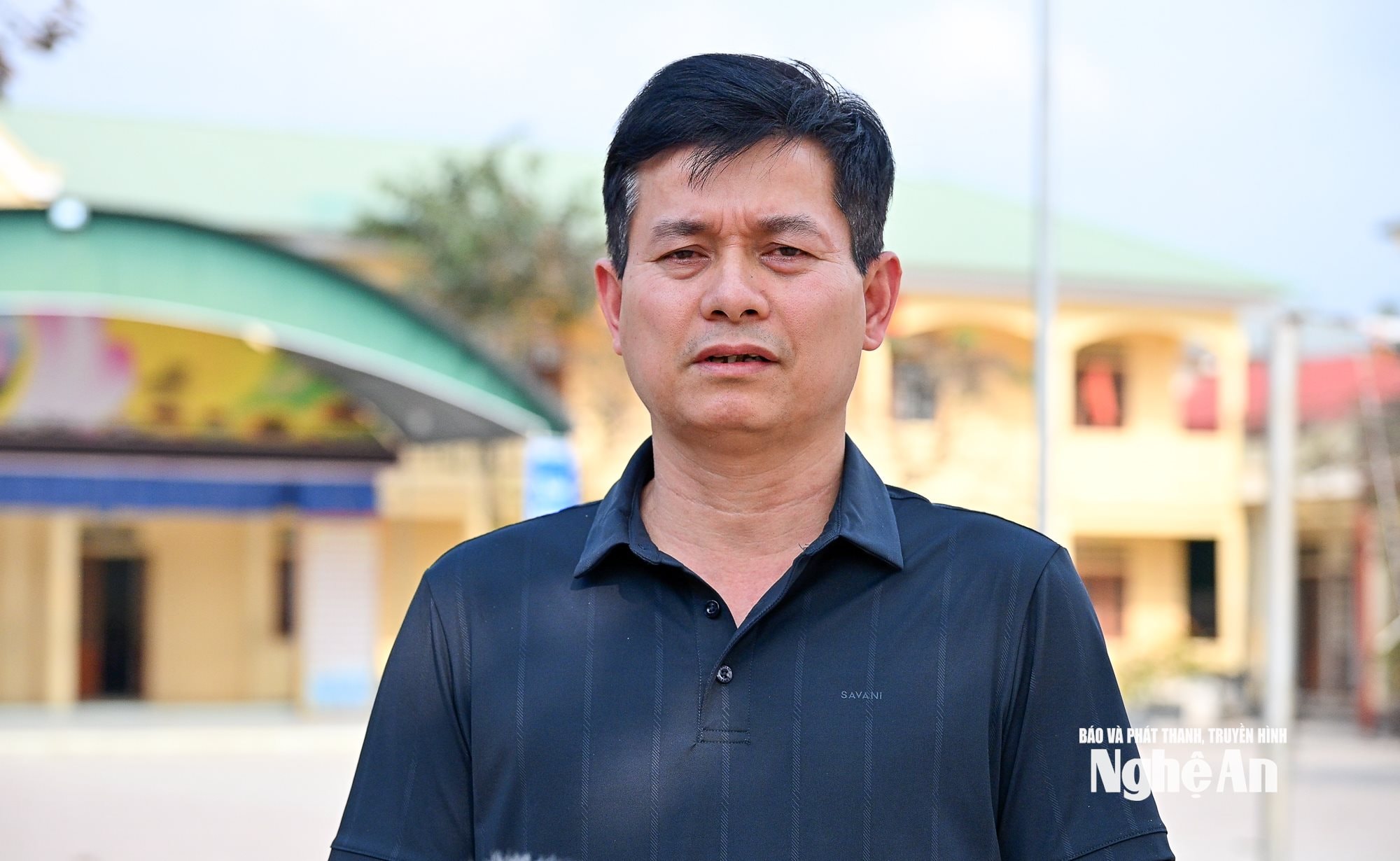
Comrade Lu Quang Hung - Secretary of the Party Committee of Bac Ly Commune
In observing the 14th National Congress of the Party, together with the Party Committee, government, and people of Bac Ly commune, the Secretary of the Commune Party Committee, Lu Quang Hung, expressed his hope that the Party and State would continue to implement effective policies to carry out digital transformation, attract talent, especially young cadres who dare to think, dare to act, and dare to take responsibility; support the development of sustainable agricultural production, apply science and technology, and transform the structure of crops and livestock to suit local conditions; and continue to strengthen the work of ensuring security, order, and social safety, maintaining political stability at the grassroots level, which is an urgent requirement, creating a safe and healthy environment for socio-economic development in the new situation…
Comrade Lu Quang Hung stated that the 14th Party Congress emphasized the "spirit of striving forward" not only at the national level, but also must be concretized into the capacity for self-reliance in livelihoods at the grassroots level, especially in border communes with many "gaps" like Bac Ly, where ethnic minorities are still bound by small-scale production practices and dependence on support.
Based on this experience, the Central Government and Nghe An province need to adjust their approach to the National Target Program in the following direction: Reduce direct allocation, increase conditional investment linked to commitments on production and product consumption; Use the labor capacity and production skills of the people as an evaluation indicator, instead of just counting the number of households lifted out of poverty.
Bac Ly commune is primarily inhabited by the Thai and Khmu ethnic groups. Photo: Thanh Cuong
In addition, resources should be allocated to training commune and village officials, influential individuals, village elders, clan leaders, and core youth. The training content should not be spread thinly, but focus on improving household and group economic thinking, production planning skills, access to capital, and marketing linkages. The mindset should shift from "waiting and relying" to "self-determination and self-responsibility."
The 14th National Congress of the Party set high demands for the firm protection of the Fatherland from early on and from afar. In that spirit, it is not only about military force, but first and foremost about the lives, trust, and attachment of the people to the border regions of the Fatherland. Without creating sufficiently strong socio-economic momentum, the "people's support" will be difficult to sustain. To protect the Fatherland from early on and from afar in border areas, we cannot rely solely on military force; we must build a sustainable life for the people. The formation of "border economic zones for people's livelihoods" with concentrated, long-term investment mechanisms, linking livelihoods with national defense and security, will be a fundamental solution to consolidate the "people's support" in strategic areas like Bac Ly and border communes in general.
Your comment has been submitted and will be displayed after being reviewed by the editorial team. The editorial board reserves the right to edit comments to comply with the newspaper's content guidelines.

-7fc61a870789fb7fe906bb370504252f.jpg)