
The Nghe An Provincial Election Committee held its first session.
On the morning of December 5th, the Election Committee for the 16th National Assembly and the Nghe An Provincial People's Council for the 2026-2031 term held its first meeting to implement election work and decide on a number of matters within its authority.
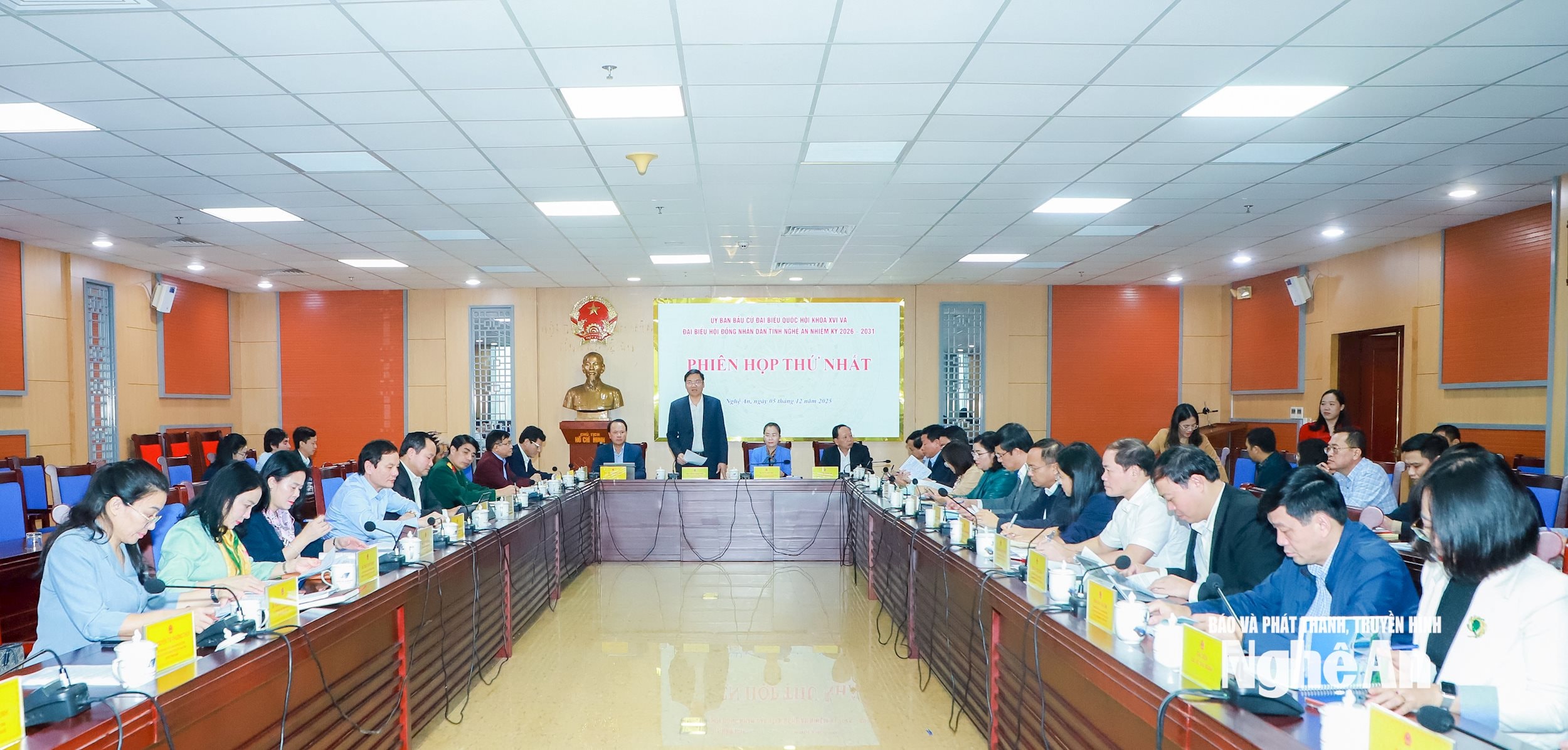
Comrade Hoang Nghia Hieu - Standing Deputy Secretary of the Provincial Party Committee, Chairman of the Provincial People's Council, and Chairman of the Provincial Election Committee - presided over the meeting.
Also attending were Comrade Vo Thi Minh Sinh - Deputy Secretary of the Provincial Party Committee, Chairwoman of the Vietnam Fatherland Front Committee of the province, Head of the Provincial National Assembly Delegation, and Vice Chairwoman of the Provincial Election Committee; and other members of the Provincial Party Standing Committee, Vice Chairmen, and members of the Provincial Election Committee.
.jpg)
Proactively prepare all necessary conditions.
The 15th National Assembly has decided that the election day for the 16th National Assembly and People's Councils at all levels for the 2026-2031 term will be Sunday, March 15, 2026.
Recognizing the election as one of the key political tasks of the entire Party Committee and people of the province in 2025 and early 2026, Nghe An has established a Provincial Election Steering Committee and issued a Directive on the work of electing the National Assembly and People's Councils at all levels.
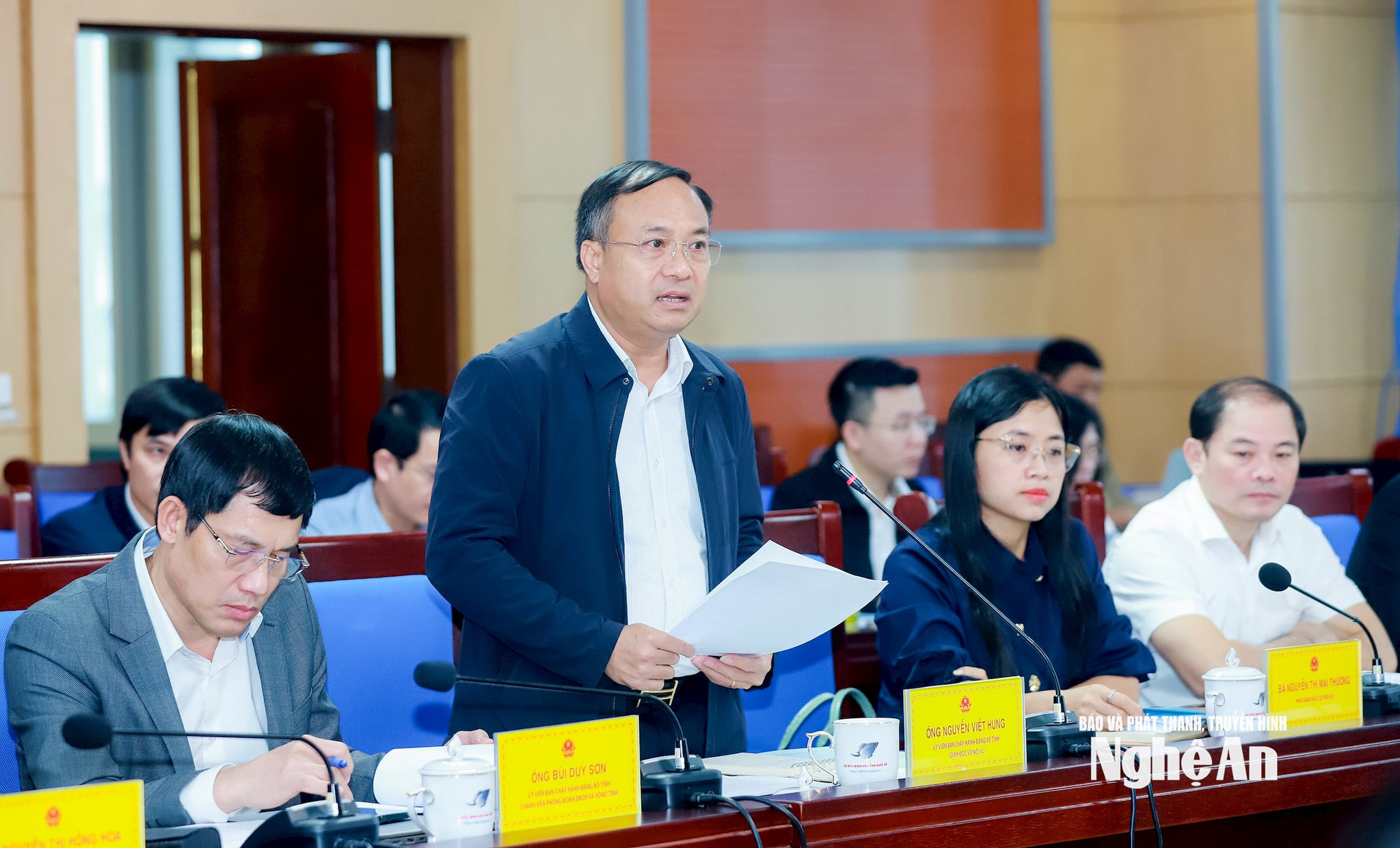
In particular, by November 30, 2025, the province had established the Election Committee for the 16th National Assembly and the election of representatives to the Nghe An Provincial People's Council for the 2026-2031 term, and all 130/130 communes and wards had established commune-level election committees in accordance with regulations.
The provincial documents have concretized the guiding spirit, work content, requirements, regulations, and progress of organizing the election; at the same time, they have required the entire political system in the province to focus its efforts on preparing the necessary conditions to successfully organize the election in accordance with Directive No. 46 dated May 16, 2025 of the Politburo, Directive No. 28 dated September 18, 2025 of the Prime Minister, and other guiding documents on election implementation from the National Assembly, the Standing Committee of the National Assembly, and agencies of the National Assembly.
.jpg)
Photo: Thanh Duy
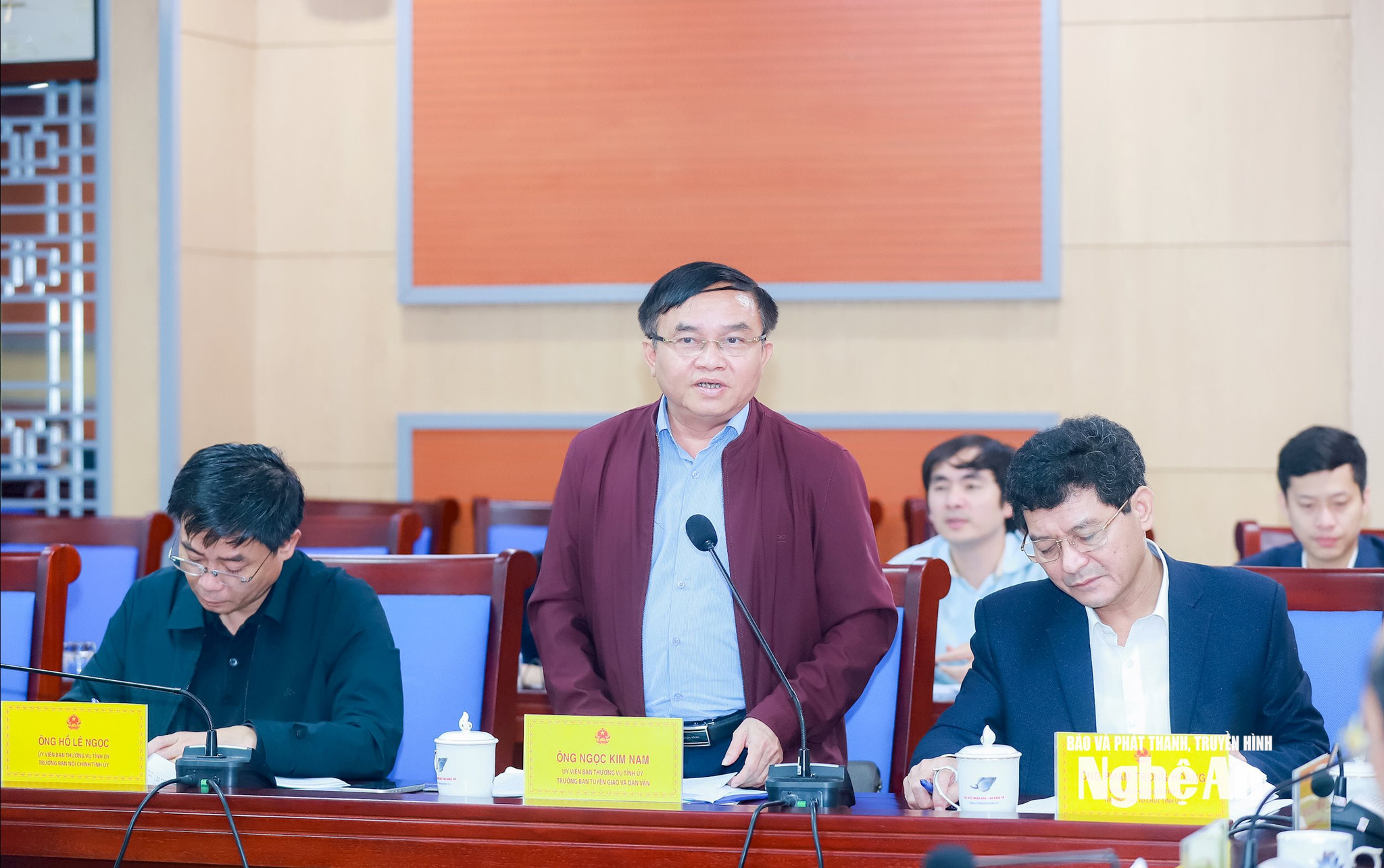
At its first meeting, the Provincial Election Committee discussed the following issues: the working regulations of the Provincial Election Committee; the plan for implementing election work; the announcement of the assignment of tasks to members of the Provincial Election Committee; the decision to establish subcommittees and working groups of the Provincial Election Committee; the projected number of electoral units, the number of National Assembly representatives and People's Council representatives to be elected in each electoral unit; and the preparation of budget estimates and allocation of funds for the election of National Assembly representatives for the 16th term and People's Council representatives for Nghe An province for the 2026-2031 term.
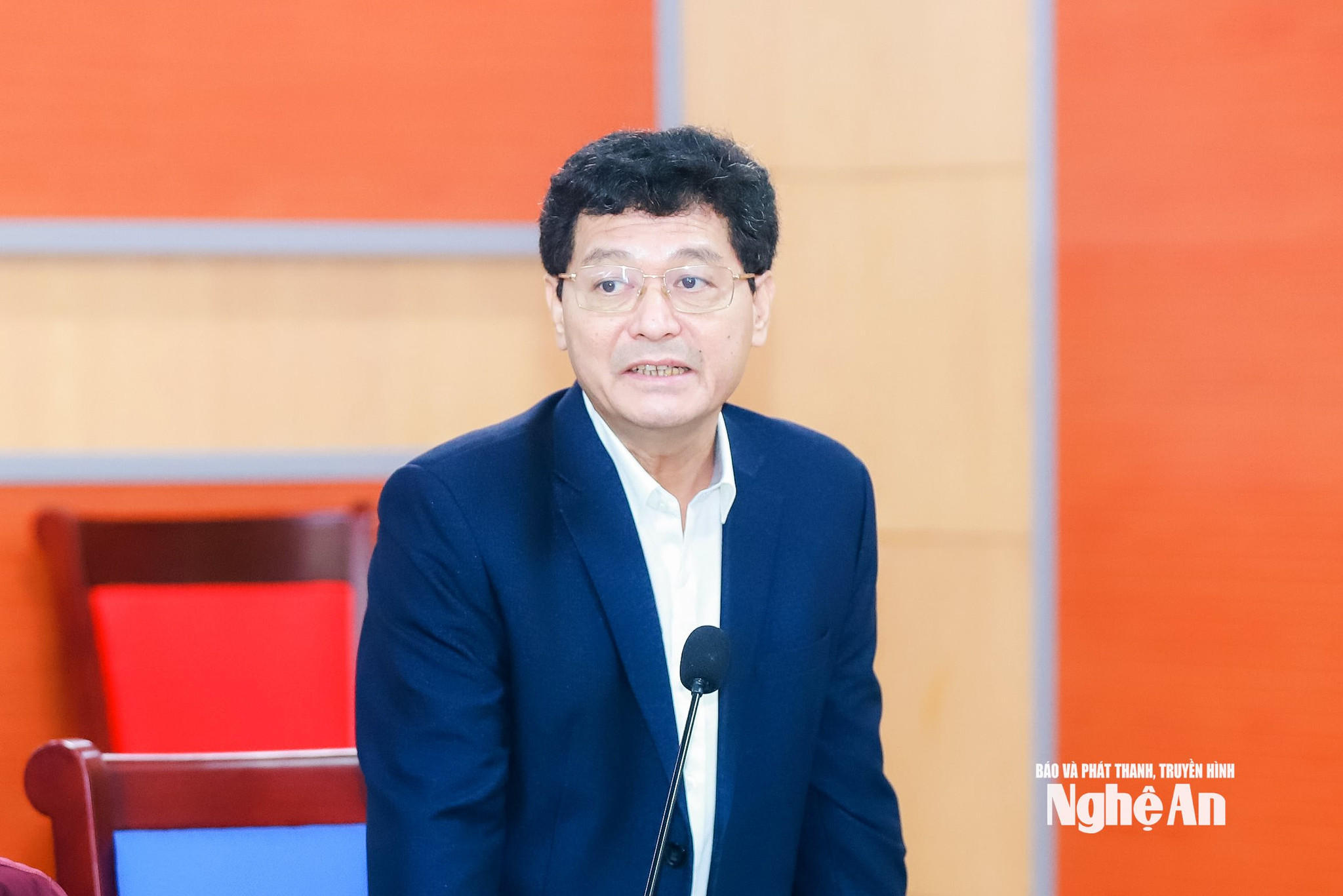
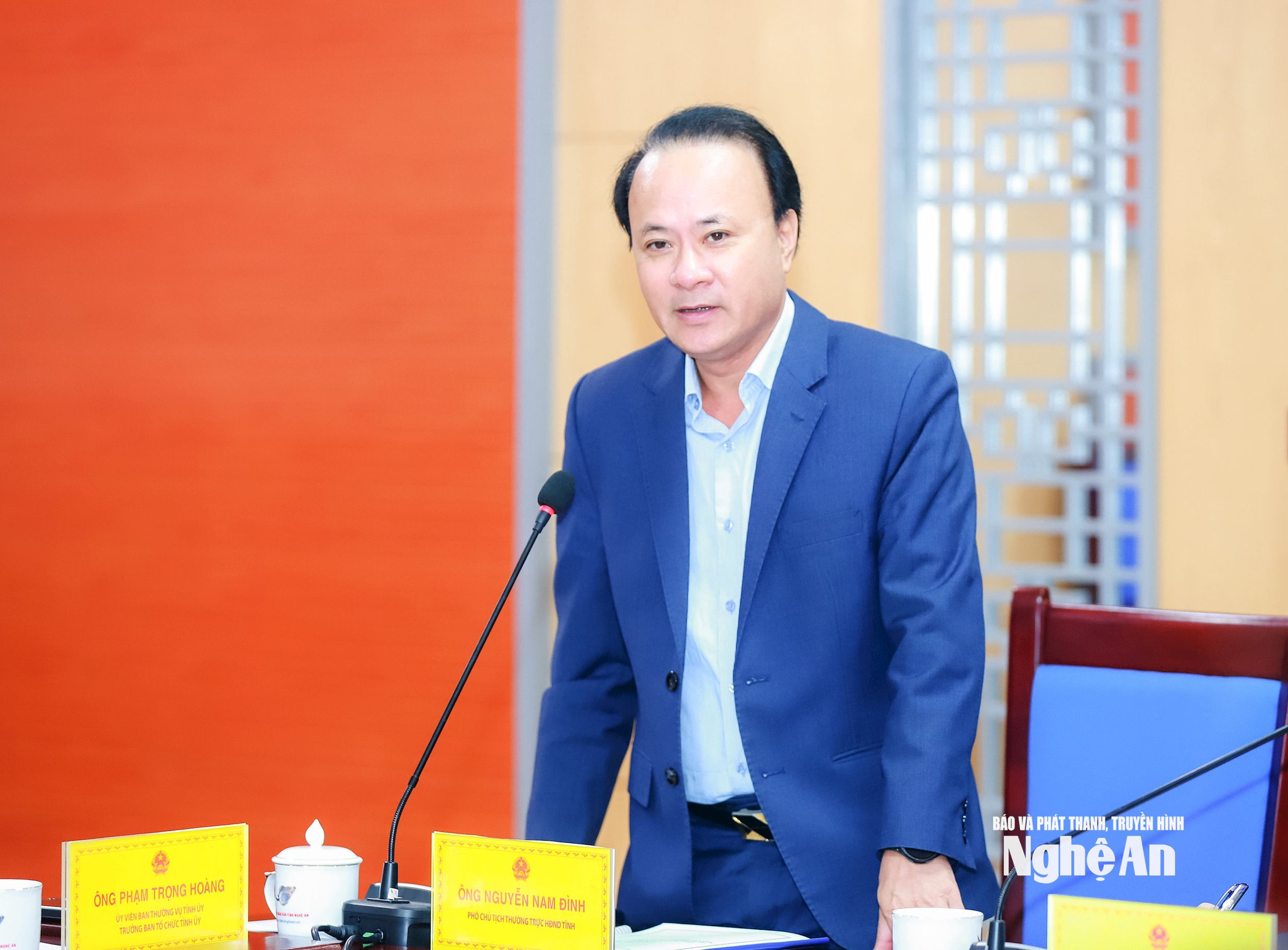
Photo: Thanh Duy
Speaking at the session, Comrade Vo Thi Minh Sinh - Deputy Secretary of the Provincial Party Committee, Chairwoman of the Vietnam Fatherland Front Committee of the province, Head of the Provincial National Assembly Delegation, and Vice Chairwoman of the Provincial Election Committee - emphasized that the arrangement of electoral units must be based on the following criteria: population, the number of delegates to be elected, and the specific characteristics of the locality.
According to the law, each constituency elects no more than 3 representatives to the National Assembly; for People's Council representatives, the limit is 5. Therefore, the option of 6 constituencies for electing National Assembly representatives is considered appropriate.
However, regarding the constituencies for electing provincial People's Council representatives, the comrade suggested further review to ensure a more harmonious arrangement, guaranteeing that they are entirely within the constituencies for electing National Assembly representatives, avoiding boundary discrepancies, and simultaneously creating conditions for representatives to fully interact with voters in all areas, especially mountainous regions and industrial zones with a high concentration of voters and workers.
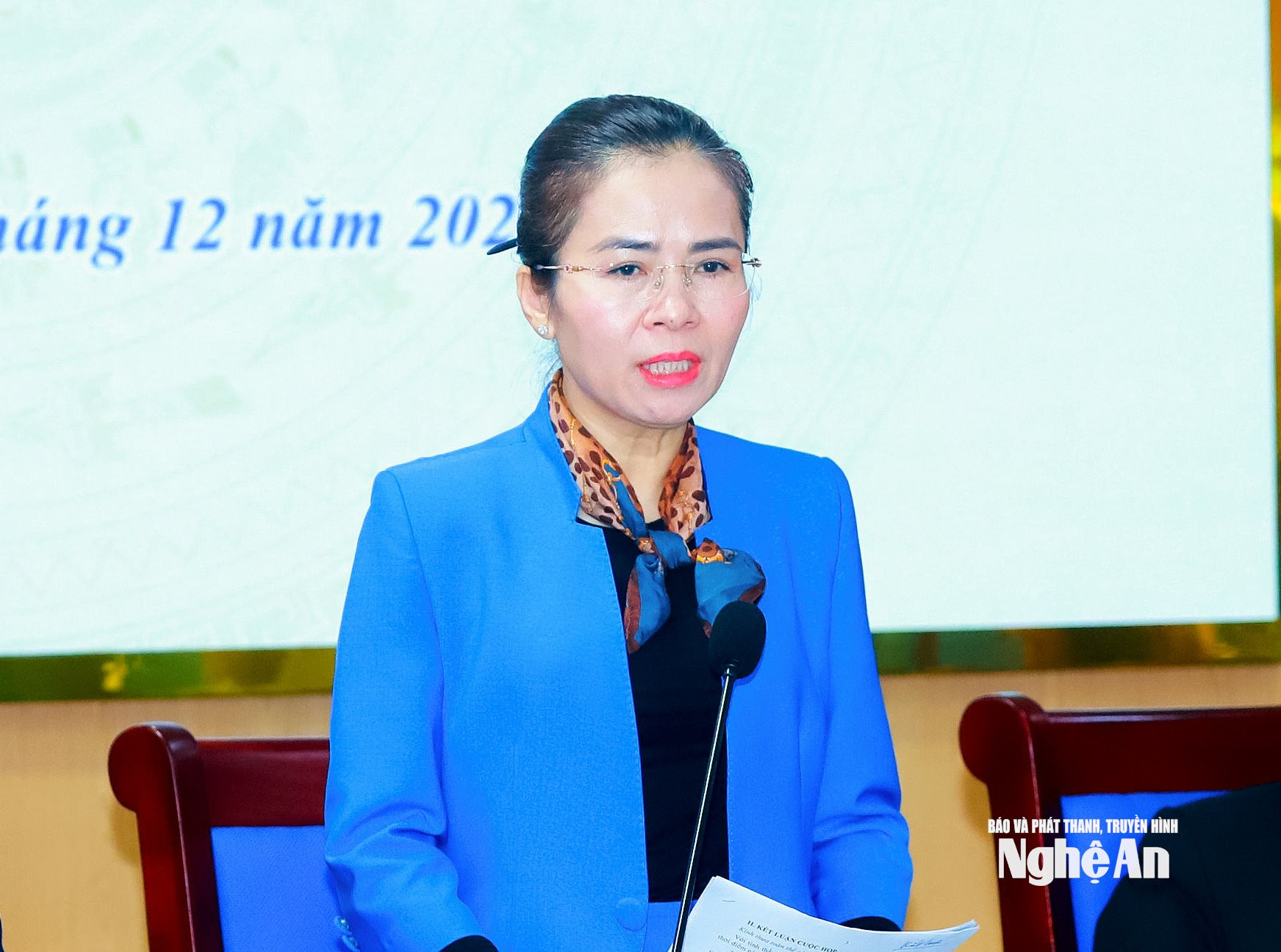
The comrade also requested that the numbering of electoral units be arranged logically, seamlessly, and conveniently for the implementation of subsequent steps. Regarding funding, the Vice Chairman of the Provincial Election Committee stated that in addition to the local budget, the central government will provide further support; therefore, the province needs to clarify specific factors to propose additional funding in accordance with regulations.
In addition, he also discussed the principles for assigning members of the Election Committee, ensuring that it is consistent with their areas of responsibility and task requirements.
Adhere strictly to the timeline and ensure the overall progress of the entire election preparation process.
Concluding the meeting, Comrade Hoang Nghia Hieu - Standing Deputy Secretary of the Provincial Party Committee, Chairman of the Provincial People's Council, and Chairman of the Provincial Election Committee - emphasized that this election is being held earlier than previous ones; with only over 3 months remaining, the workload is enormous and linked to many crucial deadlines that cannot be delayed; meanwhile, the activities of the Election Committee are governed by law.
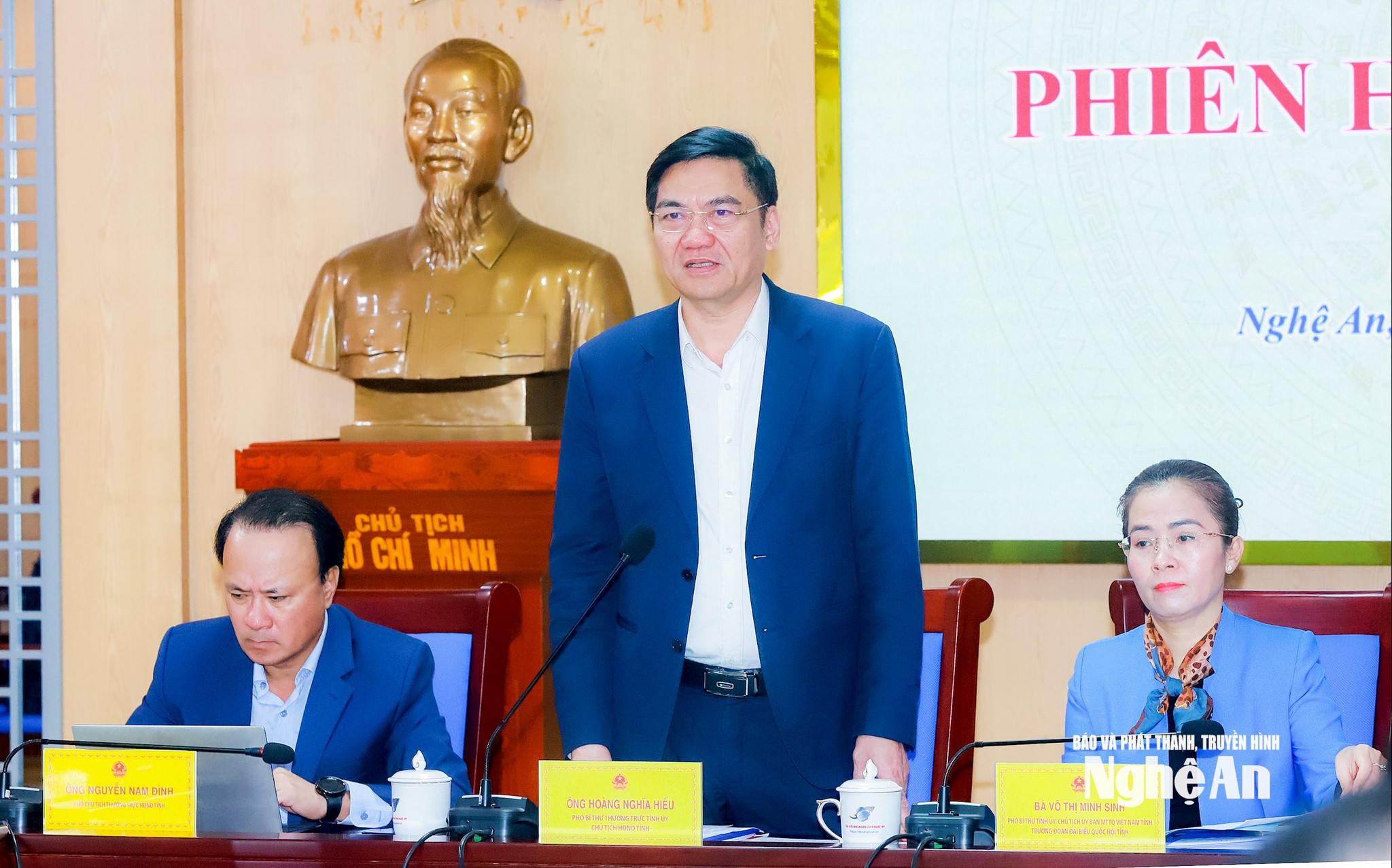
Therefore, in a spirit of high responsibility, the comrade requested that the Committee members continue to closely adhere to their assigned tasks, focus on directing and proactively handling work, and ensure the overall progress of the entire election preparation process.
Accordingly, the comrade requested the Department of Internal Affairs to promptly incorporate the feedback from the members of the Election Committee and finalize the working regulations, the decision to establish subcommittees and working groups of the Provincial Election Committee, and the notice assigning tasks to members; the election implementation plan; the decision to determine and announce the electoral units for the Provincial People's Council and submit it to the National Election Council; and to submit to the National Election Council the determination of electoral units for the National Assembly and the allocation of funds for the election.
The Department of Internal Affairs is also tasked with promptly guiding localities to successfully complete all steps of the election process, such as procedures, documents, and implementation processes; regularly inspecting, urging, and supporting localities in preparing and ensuring the timely provision of conditions, locations, and facilities for the election.
Closely adhering to the timeline and regularly updating directives from the Central Government, proactively advising, reporting, and proposing contents within the responsibility of the Provincial Election Committee for leadership and guidance.
The Chairman of the Provincial Election Committee also requested the Provincial Fatherland Front Committee and other political and social organizations to conduct extensive propaganda among their members and the people, mobilizing the people to actively participate in the election; and to promote their supervisory role in the election process.
In particular, the Provincial Fatherland Front Committee took the lead in organizing the consultation process for selecting and nominating candidates effectively, ensuring democracy, objectivity, openness, transparency, and strict adherence to legal regulations.
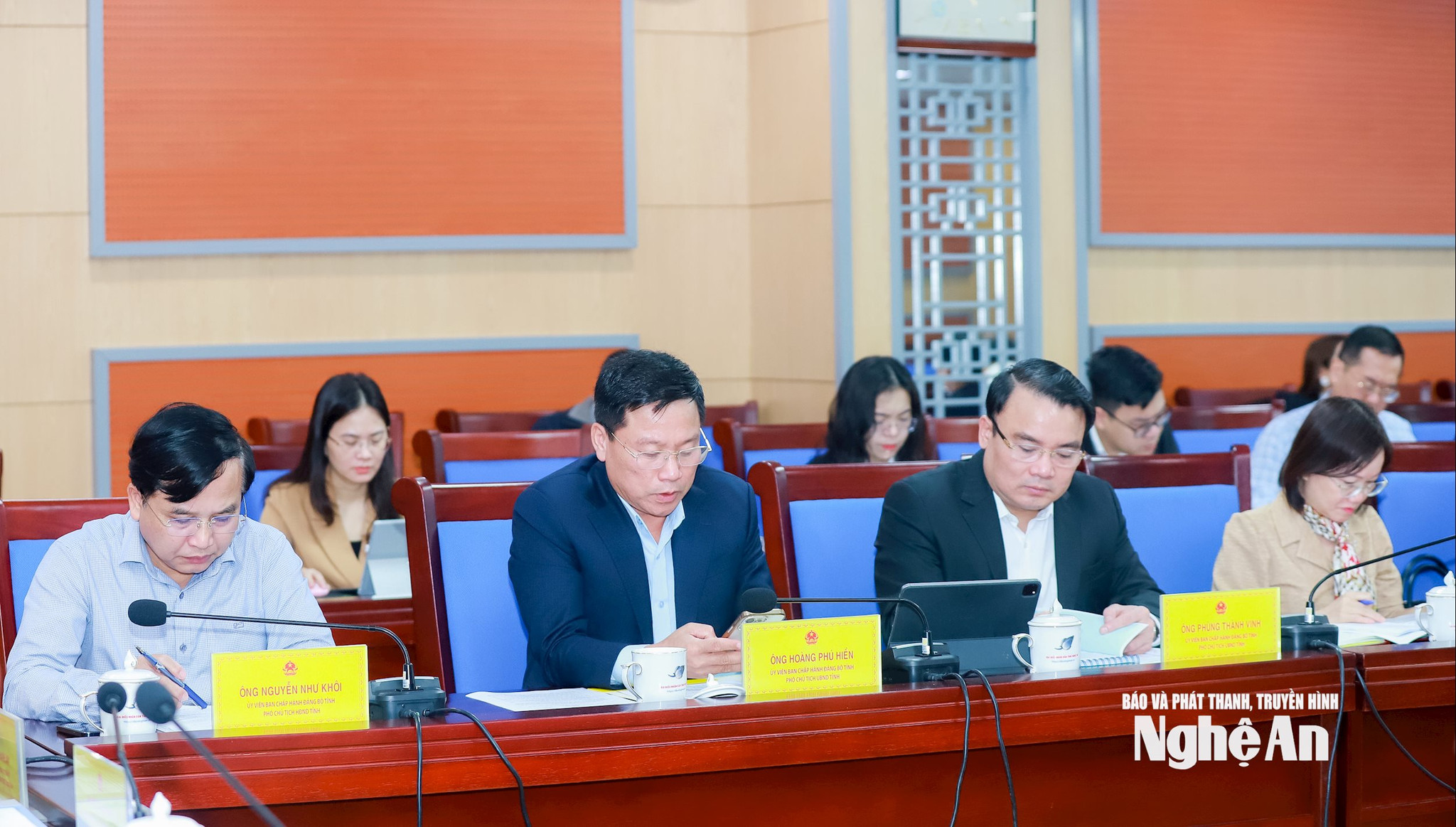
In addition, Comrade Hoang Nghia Hieu instructed relevant departments and agencies to advise on ensuring the timely allocation and effective use of funds in accordance with regulations; to strengthen propaganda work with a timeframe and content closely aligned with the progress, ensuring widespread dissemination so that the people understand the significance of the election, their rights, obligations, and responsibilities as citizens.
The Chairman of the Provincial Election Committee specifically noted the need to proactively guide the content of propaganda and strengthen the management and control of election-related information on the internet; promptly detect, combat, and handle false, distorted, and hostile information that affects the preparation and organization of the election.
The comrade also emphasized the need to proactively and promptly resolve complaints and denunciations in accordance with the law; and to develop and implement plans to ensure absolute security and safety throughout the entire process of preparing and organizing the election.
On the other hand, the commune-level election committee needs to lead and direct the implementation of tasks to ensure timeliness and effectiveness in accordance with regulations; organize the assignment of tasks, and develop detailed implementation plans according to the set timelines.
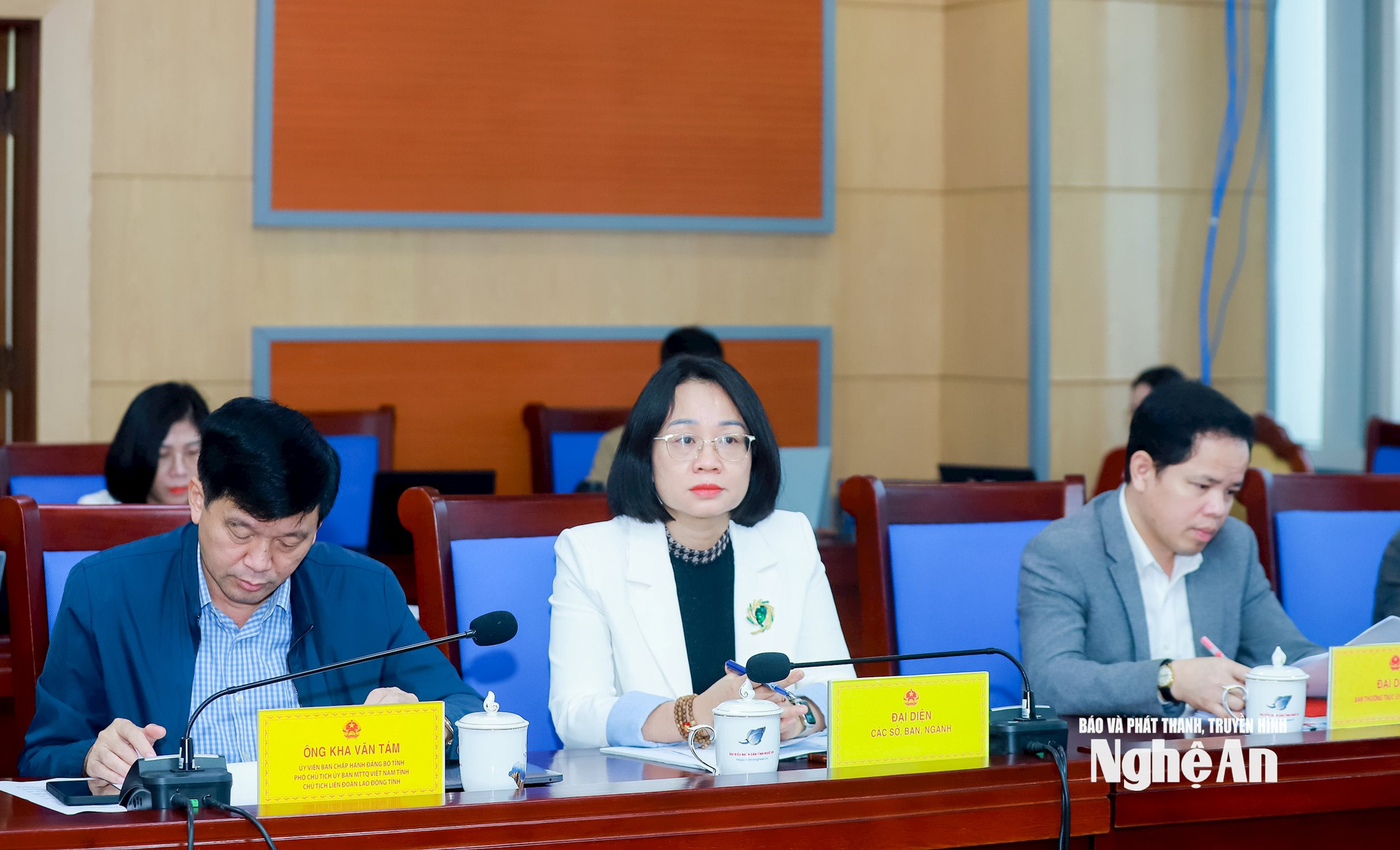
In addition to the general guidelines, Comrade Hoang Nghia Hieu also noted several points related to the personnel of the Sub-committee for Ensuring Security and Order; and the principles for assigning tasks to members of the Provincial Election Committee.
Regarding the number of electoral units, the comrade agreed on the plan to establish 6 electoral units for National Assembly representatives. For the electoral units for Provincial People's Council representatives, the Department of Internal Affairs will advise, based on population size and local characteristics, to ensure a minimum of 17 units, possibly increasing to 18 or 19, but not the initial proposal of 26 units. The comrade emphasized the principle: The Provincial People's Council electoral unit must be located entirely within the National Assembly electoral unit.


