
The role and limitations of FPV drones in modern infantry warfare.
Despite being considered a long arm on the battlefield due to its precision attack capabilities, FPV drones still exhibit many limitations in terms of technical performance and actual destructive power.
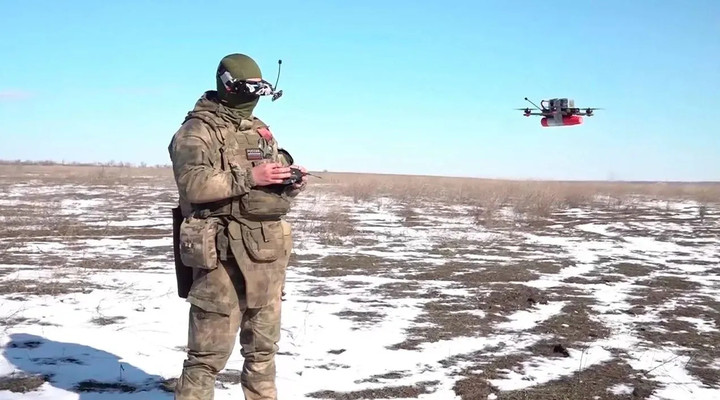
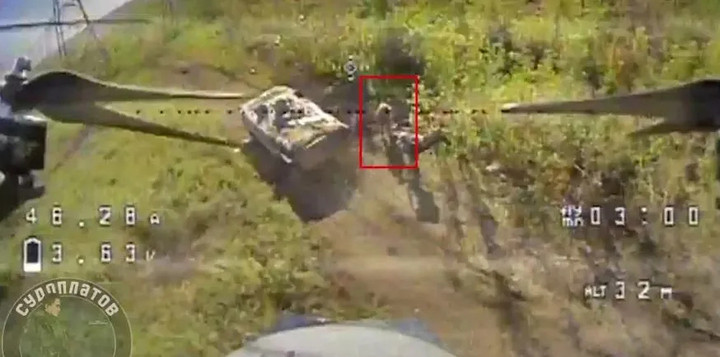
In recent military conflicts, particularly in Ukraine, FPV drones (first-person view drones) have rapidly transformed from tools for hunting armored vehicles into weapons for direct infantry attacks. With real-time camera control, these weapons allow operators to reach targets deep within fortifications, trenches, or complex urban areas – places where traditional artillery often struggles to achieve precise accuracy.
Advantages in accuracy and flexibility
The density of drone use in some frontline areas has now been recorded as exceeding the frequency of artillery fire. Unlike conventional artillery shells, which have a fixed trajectory, FPV drones can change their flight path flexibly to pursue targets. This creates significant psychological and practical pressure on enemy infantry moving across open terrain or within dispersed defense systems.
Technical and environmental performance barriers
Despite media hype, the actual performance of FPV drones is significantly lower than what is shown in published videos. Analysis reports indicate that the success rate of completing missions ranges only from 20% to 40%. The main causes stem from technical factors such as loss of control signals, interference from electronic jamming (EW) systems, or operational errors under stressful conditions.
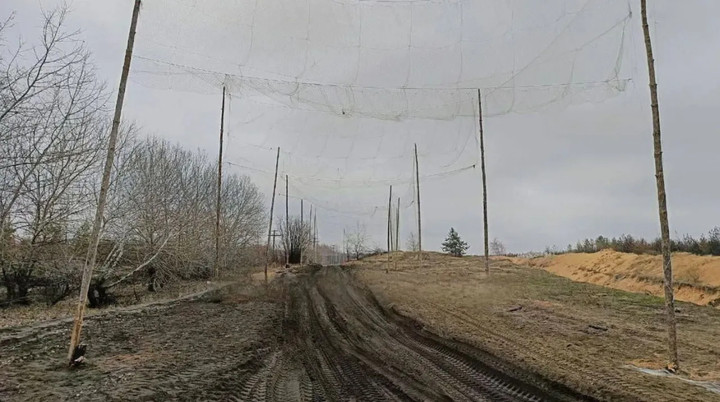
Furthermore, because most FPV drones are developed from civilian platforms, their durability and stability are heavily affected by weather conditions. Strong winds, rain, or dense fog can cause the device to lose control or reduce visibility, limiting its combat effectiveness compared to artillery, which is less affected by environmental factors.
Risks to the operating workforce and hidden costs.
A common misconception is that drone operators are always in a completely safe position. In reality, to maintain a stable signal and shorten response times, control crews often have to deploy close to the line of contact. This makes them prime targets for enemy reconnaissance and firepower. Concentrating control points near the front lines makes these forces vulnerable to artillery fire or even enemy drone strikes.
Furthermore, training a proficient FPV pilot requires considerable time and expense. When a highly experienced flight crew is lost, replacement cannot be carried out quickly, directly impacting the unit's operational capabilities.
Limits on firepower
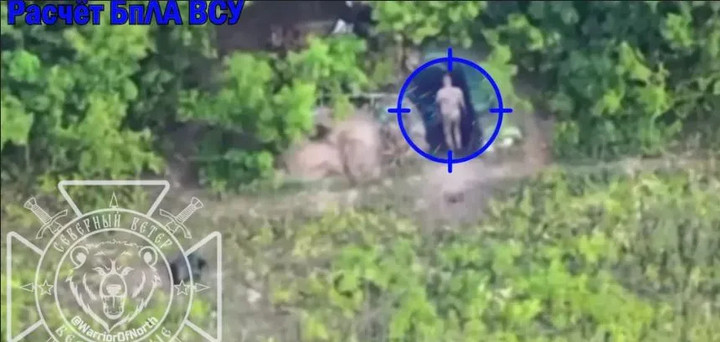
In terms of lethality, the warheads mounted on FPV drones are typically small, only large enough to destroy a specific target on a "one drone - one target" basis. This is completely different from artillery or mortars, which can suppress large areas and create a large-scale fragmentation effect. Military medical studies show that most injuries caused by drones are usually mild to moderate if not directly hit, indicating the limitations of this weapon in replacing heavy firepower.
In summary, FPV drones are not weapons that completely change the course of warfare, but rather an important supporting component in the modern combat ecosystem. Their effectiveness depends on flexible coordination with traditional assets and the operator's ability to adapt to enemy countermeasures.


