
Valve releases 3D print file: Unique DIY e-ink screen mask for Steam Machine
Valve has officially released the complete design files, firmware, and instructions on GitHub, helping users assemble their own e-ink display masks for the Steam Machine.
Valve has just taken a surprising step by publicly releasing all the technical documentation so users can build their own faceplates with integrated e-ink displays for the Steam Machine. This move opens up powerful hardware customization possibilities for the tech community and 3D printer owners.
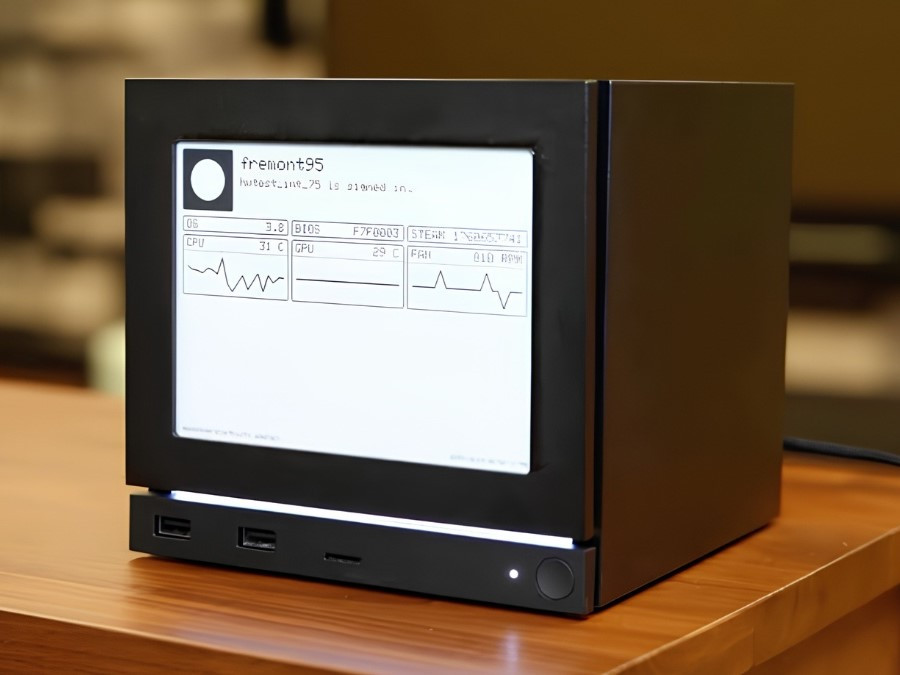
An open-source project for the hardware enthusiast community.
The e-ink mask was first introduced by Valve as an experimental accessory in a Steam hardware announcement last year. However, instead of mass-producing it, the company decided to put the entire project on GitHub, providing everything users need to build it from scratch.
The shared data includes 3D printable CAD design files, firmware source code, detailed assembly instructions, and software setup documents. Valve's public release of these files demonstrates its commitment to maximizing user rights to repair and personalize devices, a growing trend in the computer industry.
Technical specifications and implementation procedures
To assemble this e-ink mask, users need to prepare several specific hardware components, most notably the ESP32 control board. Valve has provided detailed instructions on how to flash firmware onto this board after the hardware assembly process is complete.
| Ingredient | Details provided in the document. |
|---|---|
| Case design | CAD file ready for 3D printing |
| Control hardware | Supports ESP32 circuit boards. |
| Software | Original firmware and flashing instructions |
| Instruct | Detailed video and PDF formats |
Flexible display and connectivity options.
In terms of connectivity, the e-ink mask will interact with the Steam Machine via Bluetooth. Once successfully connected, the screen can be configured to display real-time hardware parameters (such as temperature, CPU/GPU usage), custom images, or other personalized information.
Currently, users need to build their own applications using the AppImage format following instructions on GitHub to control the device. However, Valve has also revealed plans to release an official application on the Steam platform in the future to simplify the configuration process for non-technical users.
Utilizing e-ink displays not only saves energy but also provides a unique aesthetic appeal, making the Steam Machine stand out from traditional gaming devices. This is a prime example of combining 3D printing technology and open-source hardware to enhance the user experience.
*This article was created with the assistance of artificial intelligence (AI).


