
Election campaigning: Democracy, responsibility, and trust.
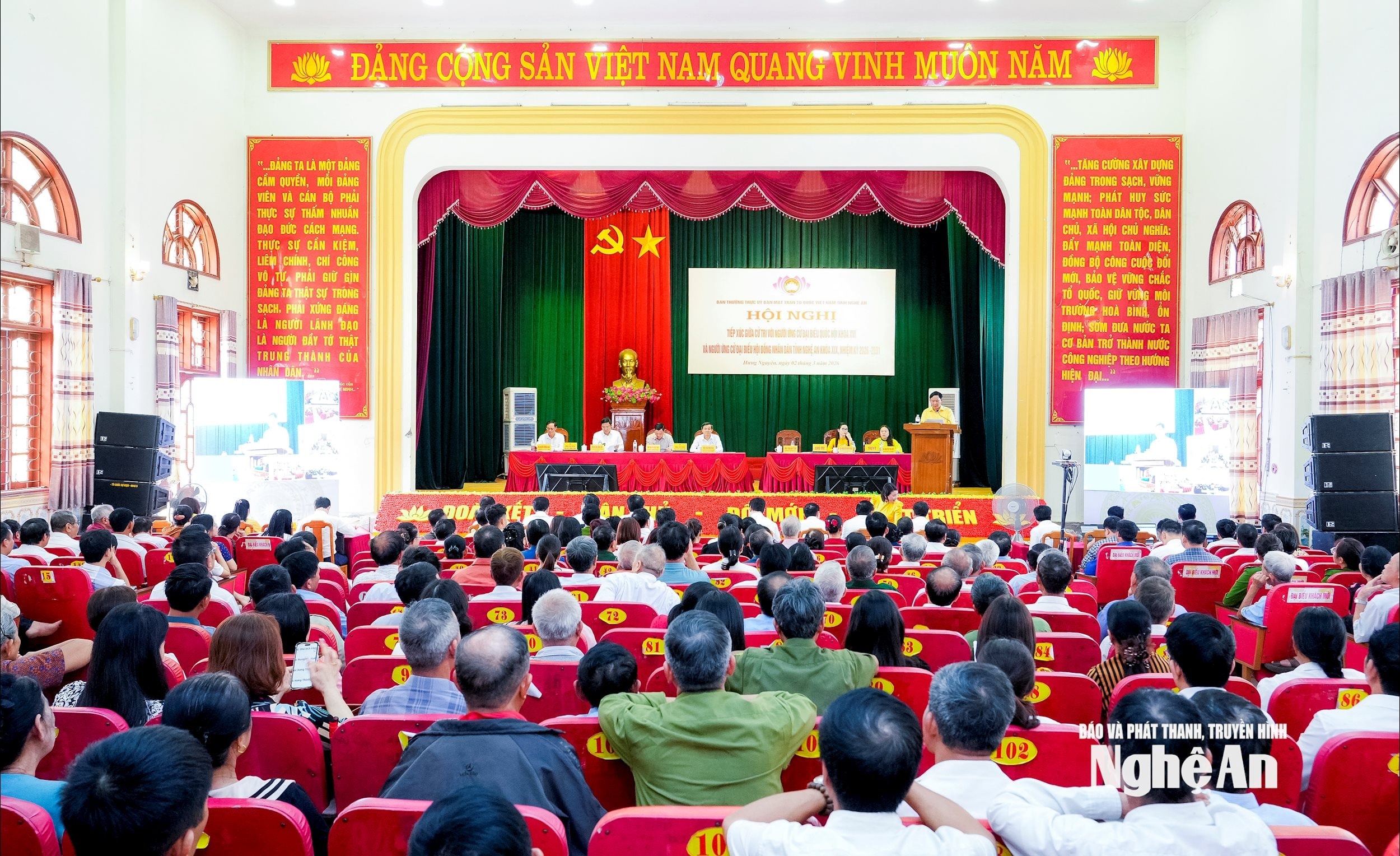
At this time, along with the rest of the country, candidates for the 16th National Assembly and People's Councils at all levels for the 2026-2031 term in Nghe An are conducting their election campaigns in accordance with the law. This activity ensures the electoral process, becoming a democratic and responsible "two-way" political forum between voters and candidates.
Increase trust and consensus.
The National Assembly and People's Councils at all levels are representative bodies of the people's will and aspirations; they exercise legislative power, decide on important national and local issues, and supervise the activities of the state apparatus. However, for this mechanism to function effectively, the prerequisite is the correct choice of the voters. Election campaigning is the intermediate step that ensures that this choice is based on complete and objective information.
In Nghe An province, the experience shows that voter outreach meetings, chaired by the Standing Committee of the Vietnam Fatherland Front at all levels and coordinated with the government, are organized systematically, legally, and ensure transparency and equality among candidates. The flexible organizational format, combining in-person and online participation with multiple connection points, not only facilitates organization but also expands the reach of voters to information.
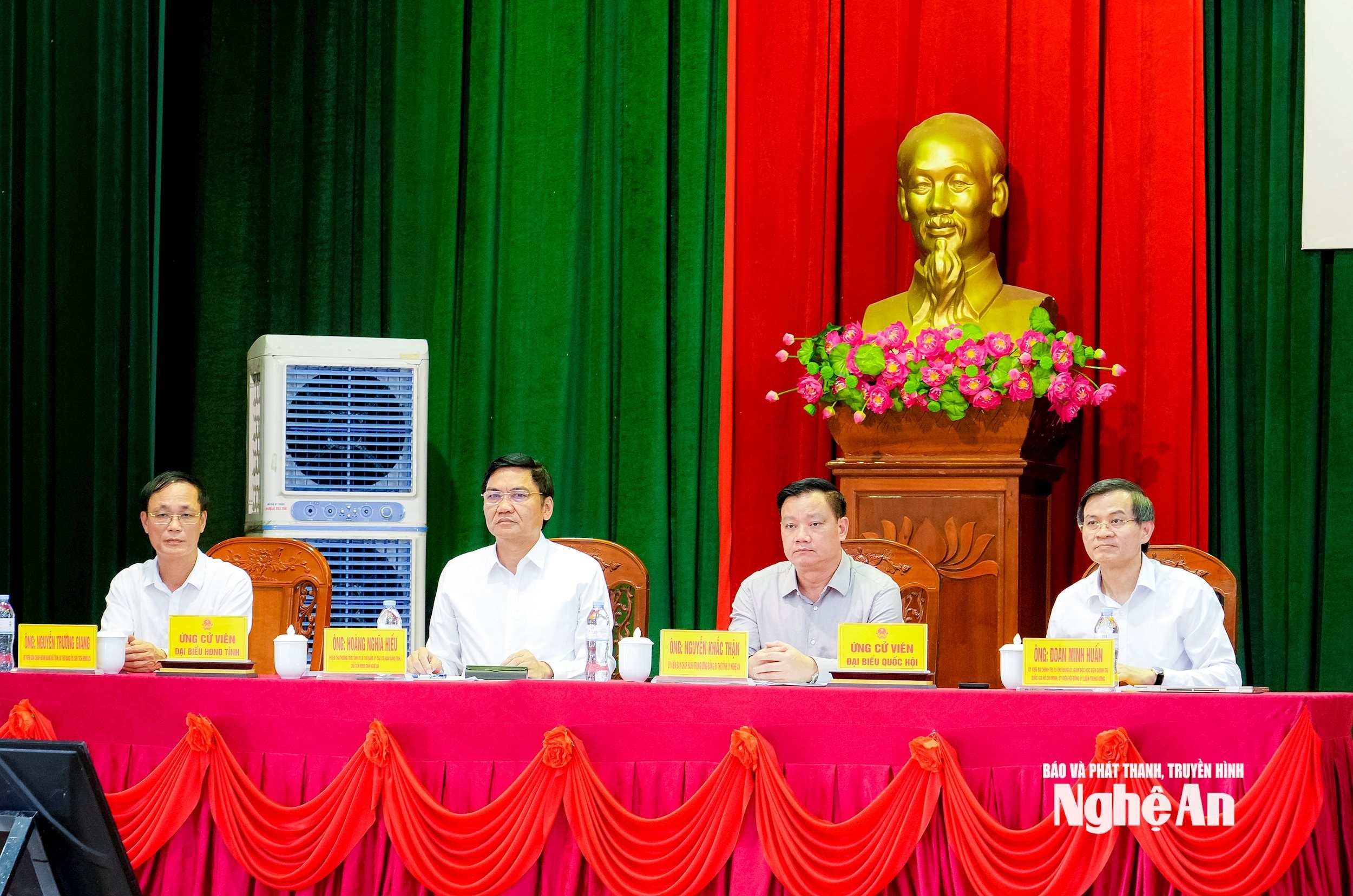
A highlight of many conferences is the atmosphere of genuine dialogue: Candidates present their action programs, viewpoints, and commitments; voters are given the opportunity to directly question, express their aspirations, and assess the competence and character of those who can represent them in exercising state power.
In Hung Nguyen commune, voter Tran Hung Hai from Thuong Khe hamlet shared: “Through the publicly posted biographies, we know the qualifications and work experience of each candidate. But it is only at the meeting, listening to them present their action programs and answer voters' questions, that we can truly see their character, thinking, and practical understanding. This gives us more confidence when deciding on our vote.”
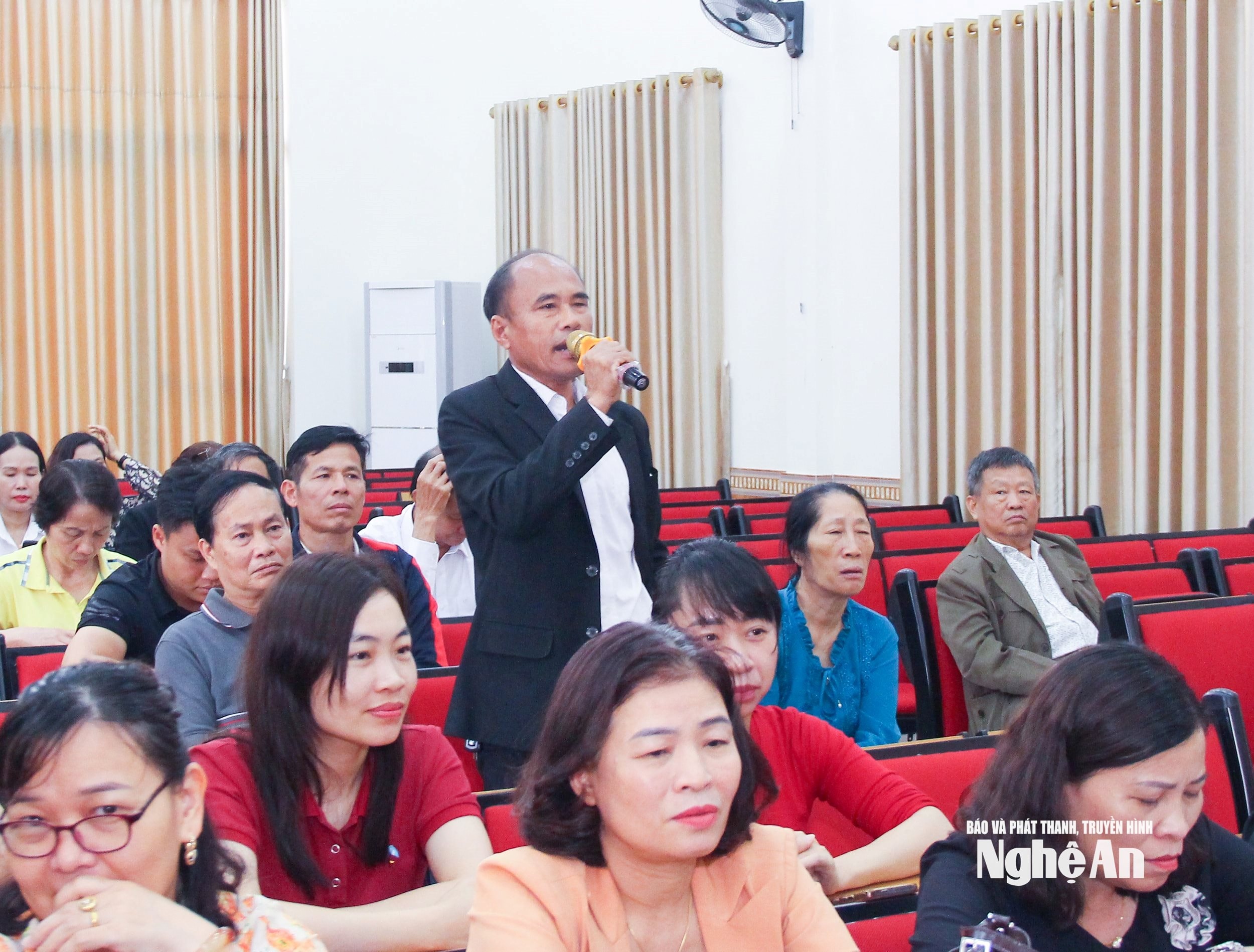
Voter Phan Van Truong from Tan Hung hamlet expressed: “I appreciate the candidates developing specific action programs, not vague ones. They clearly state what they will do, within what scope, and how it relates to their positions and professional capabilities. This shows seriousness and respect for the voters. Because what voters care about is not just promises, but feasibility and the limits of their authority. A responsible candidate cannot promise beyond their capabilities; nor can they avoid the issue.”
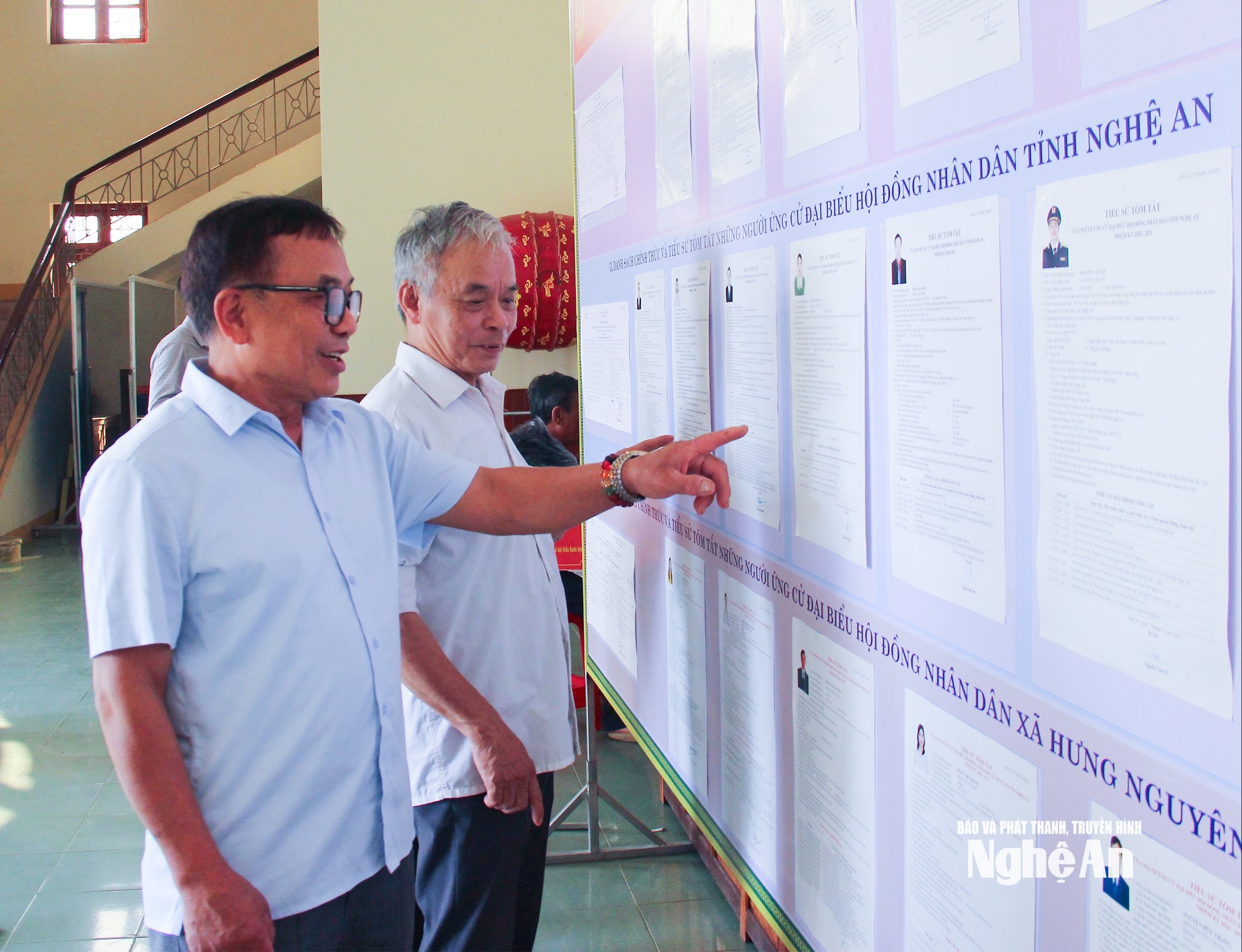
One of the points that many voters appreciate is the increasingly practical content of the action program, which is closely related to issues relevant to daily life.
Voter Thieu Khanh Toan, from Phu Tien hamlet, Dong Hieu commune, expressed: “I am very impressed with the action programs of many candidates. They have addressed the needs and desires of the people. What I appreciate most is their focus on caring for the people's health through investment in and development of strong grassroots healthcare; shifting strongly from 'treating diseases' to 'proactive disease prevention'. It also includes greater attention to women, children, the elderly, vulnerable groups, mountainous regions, and ethnic minorities, creating equality in human development and parity across regions.”
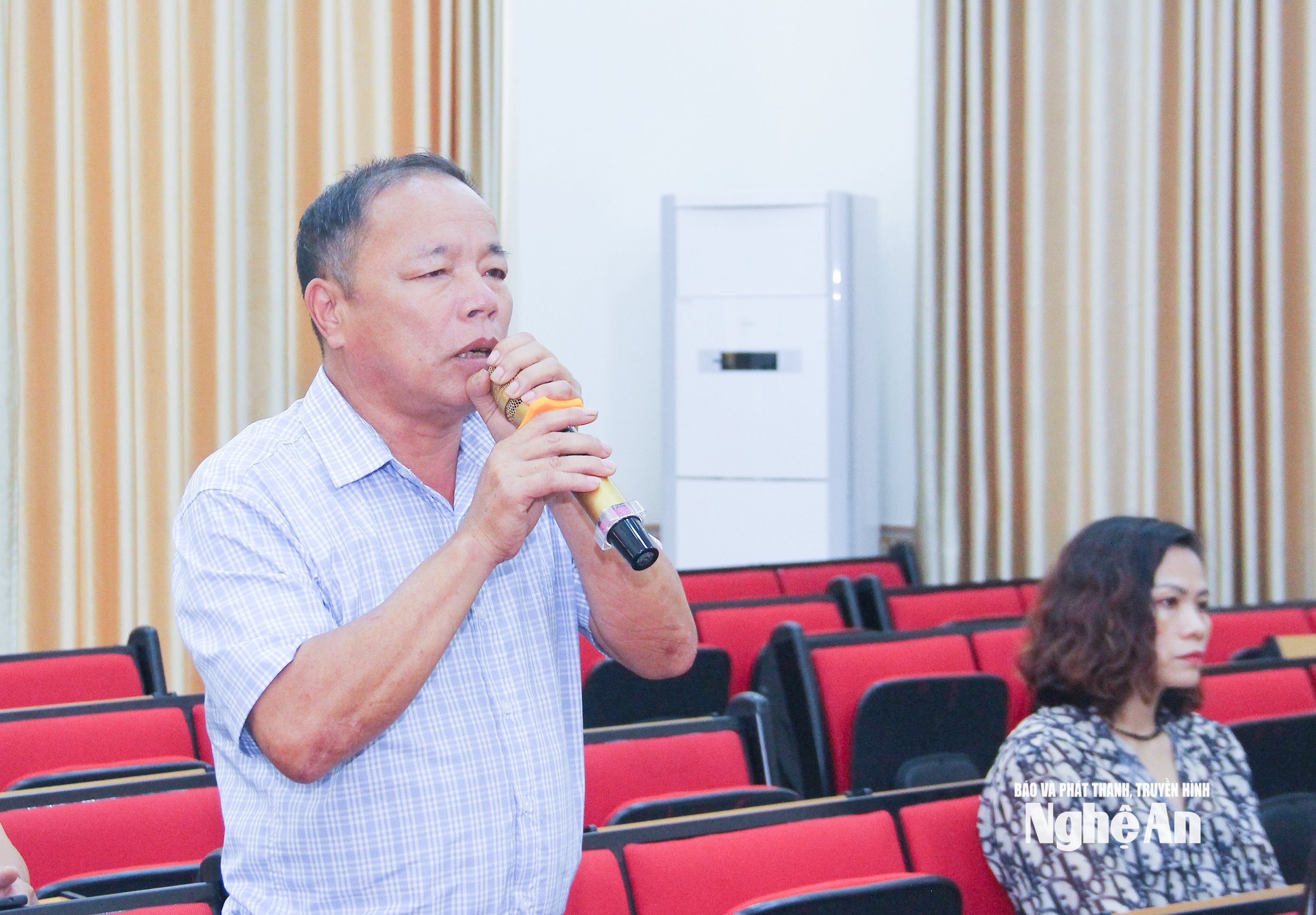
Voter Bach Huy Tram, from Xuan Binh block, Vinh Phu ward, used the words "heartwarming" to express his feelings after directly hearing the action program, which clearly demonstrated the candidate's competence, thinking, and character. This increased the trust and consensus of voters and the people in choosing truly outstanding individuals to elected bodies.
It's not just a promise, but a responsibility to the people.
A compelling action plan must encompass three elements: it must be relevant to local realities; it must be appropriate to the candidate's position and capabilities; and it must have a clear implementation mechanism.
Candidate for the Provincial People's Council, Pham Thi Thu Hien, Deputy Chief of the Provincial Party Committee Office, has chosen administrative reform as her central focus. Based on her experience monitoring the entire process of policy development, promulgation, and implementation, she believes that the effectiveness of state management depends on its feasibility and convenience for citizens and businesses. The proposed solutions, which include reviewing and simplifying procedures; promoting genuine digital transformation; enhancing public service accountability; and following up on voter requests, are among the areas she would prioritize if elected.
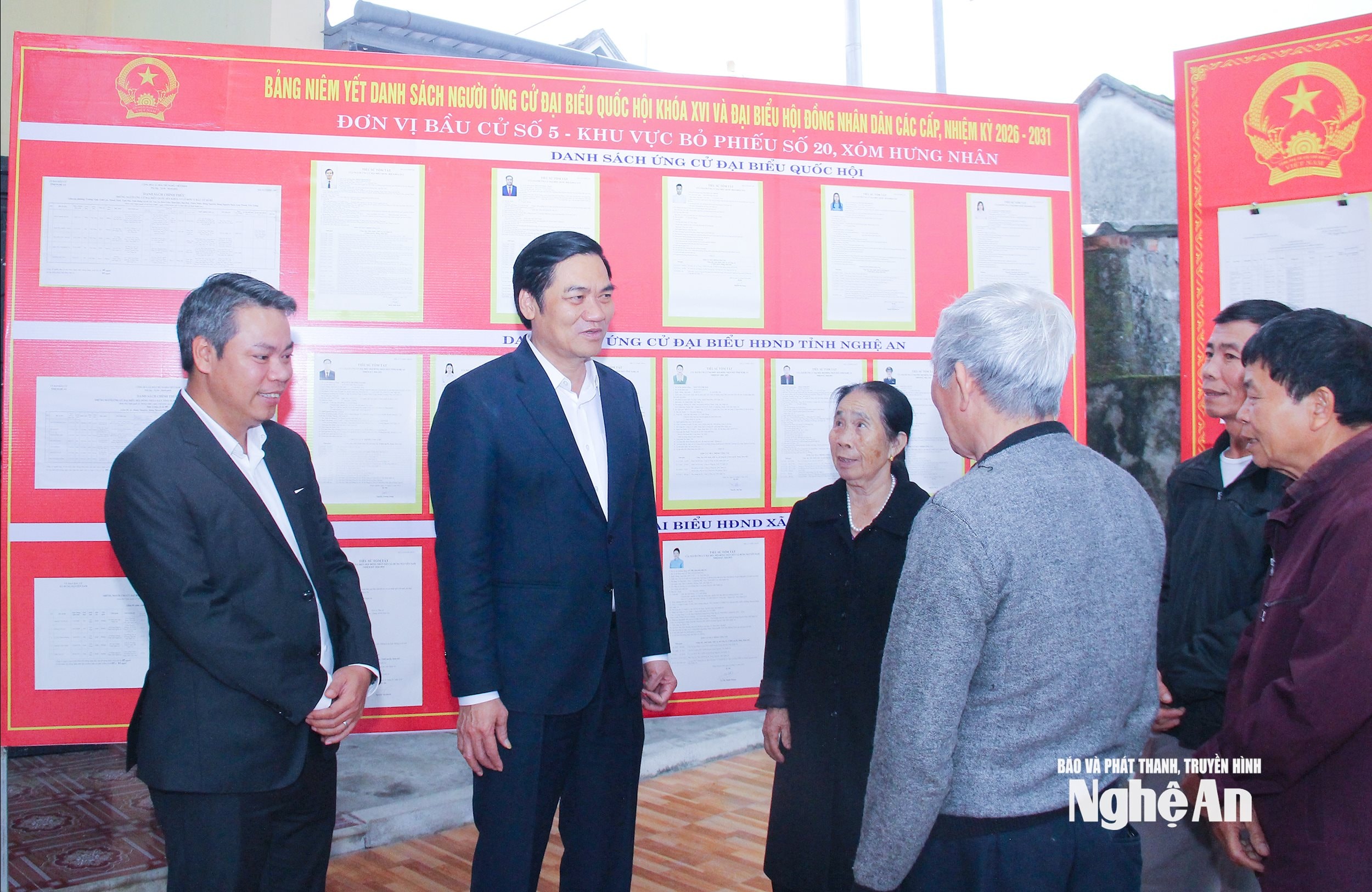
For example, Major General Nguyen Sy Hoi, Vice Chairman of the Vietnam Fatherland Front Committee of the province and Chairman of the Provincial Veterans Association, is a candidate for the National Assembly and Provincial People's Council. The central focus of his action program is to advise and propose policies to improve and enhance the quality of life for policy beneficiary families, Vietnamese Heroic Mothers, wounded soldiers, families of martyrs, veterans, youth volunteers, and victims of Agent Orange...
"This is not only a request from an elected representative, but also a reminder of the principle of 'drinking water and remembering the source,' and of the responsibility to uphold the people's trust in the highest state power organ," Major General Nguyen Sy Hoi emphasized.
The voter outreach and election campaigning meetings went beyond simply "reading the action plan" and became a democratic, open, "two-way" exchange.
Voters raised many issues of concern to them. The feedback and suggestions from voters were not only taken into account but also discussed frankly regarding the authority, roadmap, and solutions, demonstrating the candidates' sense of responsibility towards their constituents.
And it's not just a commitment to fulfill the people's aspirations if elected that Comrade Pham Tuan Vinh - Member of the Provincial Party Committee, Deputy Secretary of the Provincial People's Committee Party Committee, and candidate for the 19th Provincial People's Council, term 2026-2031 - affirmed to voters in Vinh Phu ward: "In our current positions, the candidates will be responsible for advising and recommending solutions to the competent authorities."
The candidates' sense of responsibility was also clearly demonstrated through their handling of petitions at the Vinh Phu ward voter consultation meeting. In response to voter Pham Van Long's complaint from Kim Binh block regarding the unfinished and prolonged progress of the Phan Boi Chau Specialized High School Project and the 18-meter road construction project, Vo Thi Minh Sinh, in her capacity as Deputy Secretary of the Provincial Party Committee, Chairman of the Vietnam Fatherland Front Committee of the province, and Head of the Provincial National Assembly Delegation, frankly discussed and informed the relevant authorities about the Provincial People's Council's oversight activities regarding the projects raised by the voters. She also requested that the relevant agencies immediately address the issue after the meeting.
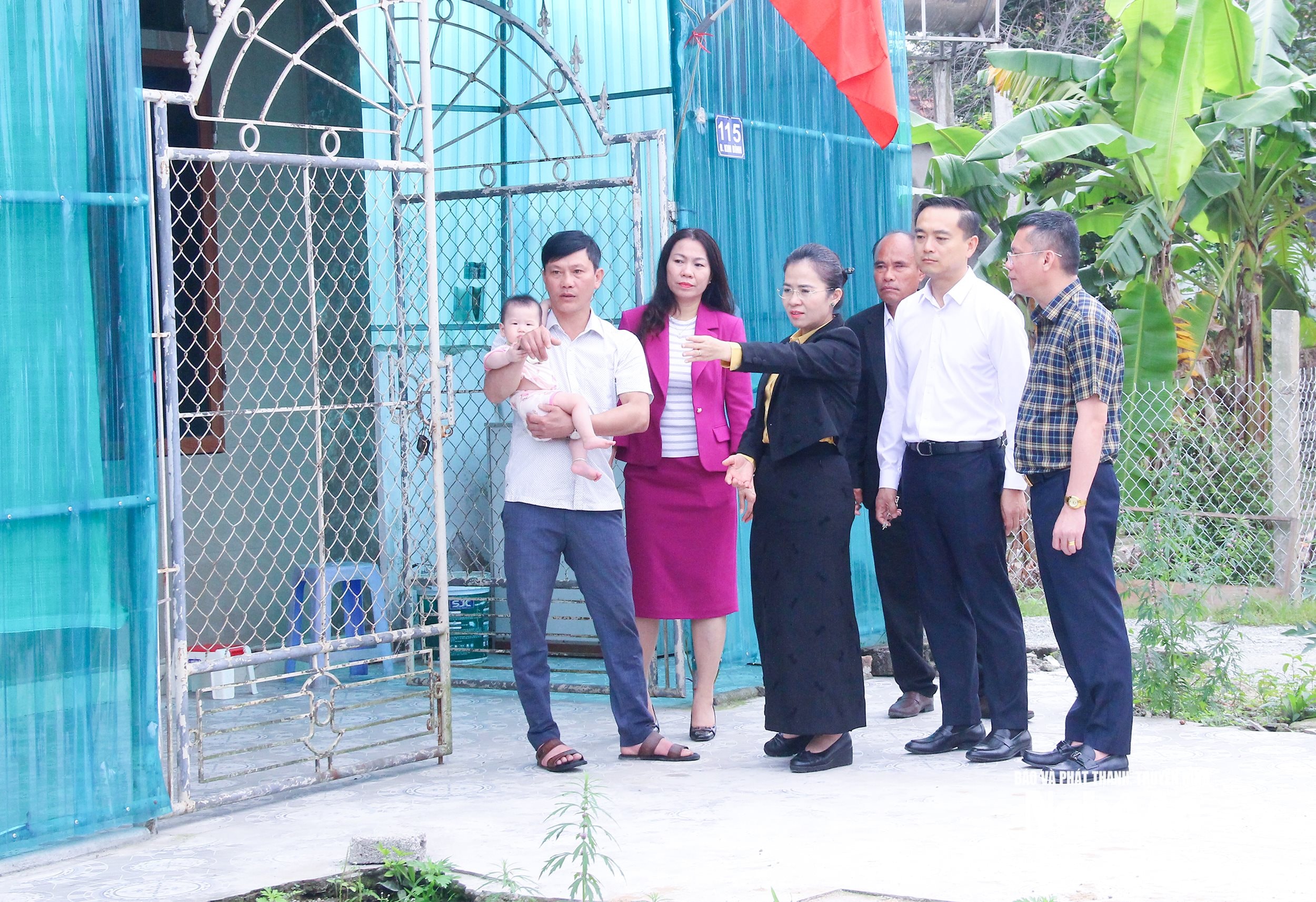
Notably, at the end of the meeting, the candidates and local leaders went directly to the site to conduct a firsthand inspection. This action went beyond the scope of a campaign event: it affirmed that responsibility to voters does not wait until after election.
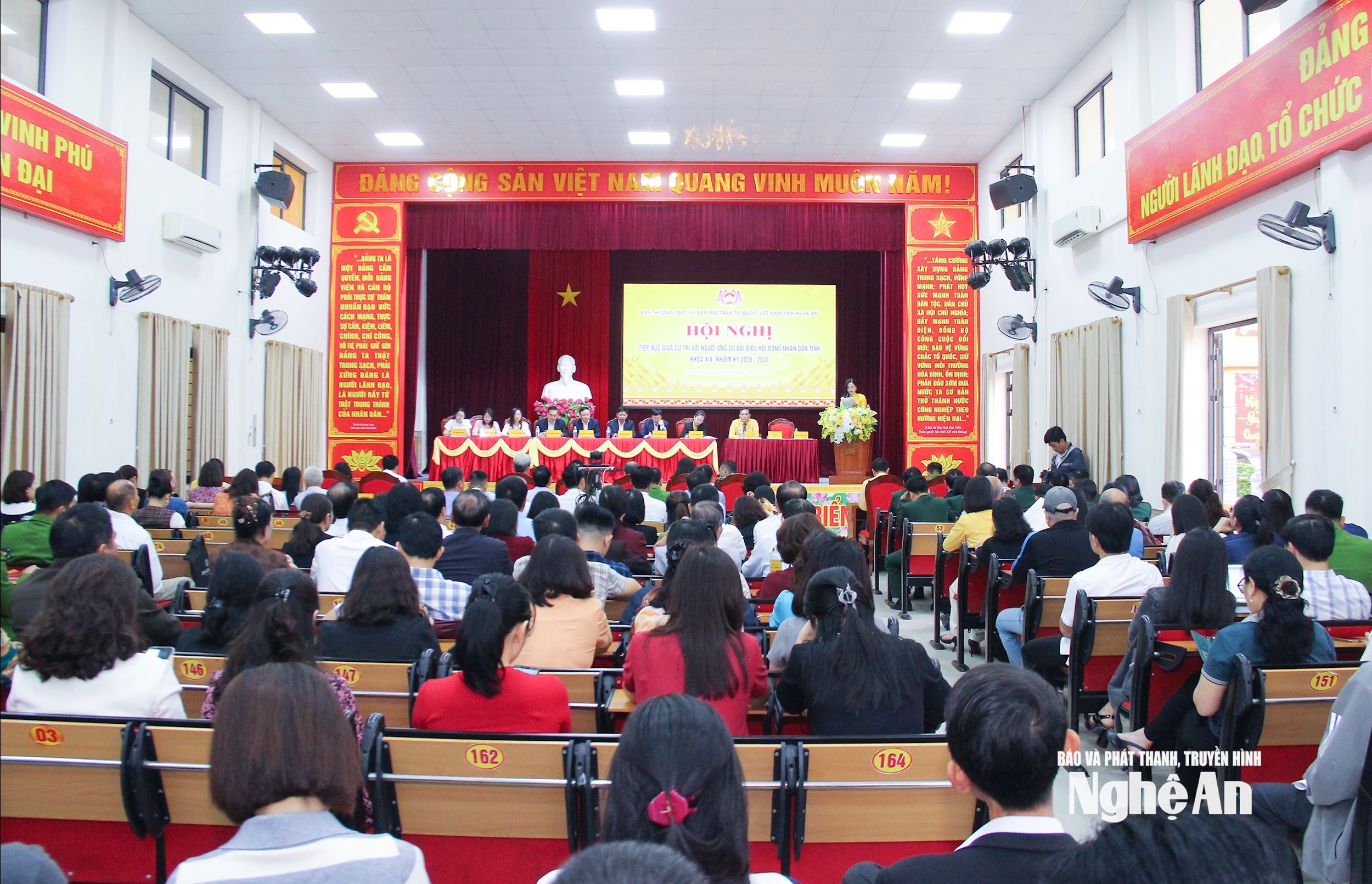
From the experience of voter outreach meetings in Nghe An, one conclusion can be drawn: When election campaigns are organized democratically and legally; when candidates speak truthfully about what the people think and link their commitments to action; and when voters participate with a high sense of responsibility, each ballot cast is not only a citizen's right but also an expression of trust. Therefore, election campaigning is not just a step in the election process, but a political space where democracy is practiced, accountability is verified, and trust is nurtured. This is the solid foundation for a new term of elected bodies, for the people and chosen by the people.
Our homeland is entering a new era, placing even greater demands on the legislative, supervisory, and decision-making power of elected bodies. The responsibility of each voter today will determine the quality of National Assembly and People's Council representatives at all levels. This will be the foundation for these bodies to better fulfill their roles in formulating important and practical policies for the benefit of the people and the development of our homeland in this new period.


