
Don't throw away the lemon peel when squeezing it, as it offers countless health benefits.
Typically, people only use the lemon juice and discard the peel. However, lemon peel offers many unexpected health benefits.
Lemons are a popular citrus fruit, along with grapefruit and oranges. While the pulp and juice are most commonly used, the peel tends to be discarded. However, research shows that lemon peels offer numerous health benefits due to their fiber, vitamins, and antioxidants, which can aid dental health, cardiovascular health, and the immune system.
Below, Dr. Huynh Tan Vu, a specialist at the University Medical Center of Ho Chi Minh City, points out some of the health benefits of lemon peel:
High nutritional value
Although consumed in small quantities, lemon peel is very nutritious. It contains a significant amount of fiber and vitamin C, providing 9% of the daily value in just one tablespoon (6 grams). Additionally, it contains small amounts of calcium, potassium, and magnesium. D-limonene, a compound responsible for the characteristic lemon aroma, is also found in the peel and may contribute to the fruit's numerous health benefits.
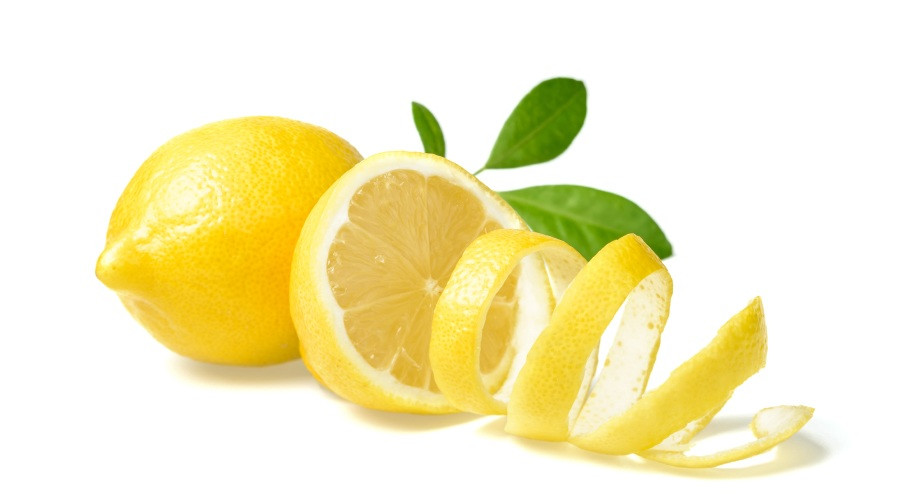
Lemon peel also offers many health benefits. Photo: Hkvital
It may support oral health.
Tooth decay and gum infections are common oral diseases caused by bacteria such as Streptococcus mutans. Lemon peel contains antibacterial substances that can inhibit the growth of microorganisms.
In one study, researchers identified four compounds in lemon peel that possess potent antimicrobial properties and effectively combat common oral disease-causing bacteria. Furthermore, an in vitro study showed that lemon peel extract inhibited the activity of Streptococcus mutans, with higher doses demonstrating greater effectiveness.
Rich in antioxidants
Antioxidants are plant compounds that help prevent cell damage by fighting free radicals in the body. Lemon peel is rich in antioxidants, including D-limonene and vitamin C. Consuming flavonoid antioxidants like D-limonene helps reduce the risk of certain diseases, such as heart disease and type 2 diabetes.
An in-tube study determined that lemon peel has stronger antioxidant activity than grapefruit or tangerine peel.
Animal studies have also shown that D-limonene increases the activity of an enzyme that helps reduce oxidative stress. Oxidative stress is linked to tissue damage and accelerated aging. Additionally, the vitamin C in lemon peel acts as a powerful antioxidant, helping to boost immune system health.
It may have antibacterial and antifungal properties.
Lemon peel may possess some antibacterial and antifungal properties. Notably, in one in vitro study, this peel significantly harmed and reduced the growth of antibiotic-resistant bacteria. Another in vitro study showed that lemon peel extract was effective against a drug-resistant fungus that causes skin infections.
Despite these promising findings, we still need human studies to prove this link.
It can boost the immune system.
Lemon peel extract may boost the immune system due to its flavonoid and vitamin C content. A 15-day study of fish given dehydrated lemon peel showed improved immune responses.
A review of 82 studies found that 1–2 grams of vitamin C per day reduced the severity and duration of the common cold in adults and children. Vitamin C also accumulates in phagocytes, a type of cell that digests harmful compounds.
It can improve cardiovascular health.
Research suggests that compounds such as flavonoids, vitamin C, and pectin—the main fiber in lemon peel—may reduce the risk of cardiovascular disease. A review of 14 studies involving 344,488 people found that an average increase of 10mg of flavonoids per day resulted in a 5% reduction in heart disease risk.
Additionally, in a study on obese mice, D-limonene reduced blood sugar, triglycerides, and LDL cholesterol (bad cholesterol), while increasing HDL cholesterol (good cholesterol).
A four-week study in 60 overweight children noted that supplementing with lemon powder (containing the peel) helped lower blood pressure and harmful cholesterol. Pectin in lemon peel may also lower cholesterol levels by increasing the secretion of bile acids produced by the liver and binding to cholesterol.
It may have anti-cancer properties.
Lemon peel may possess some anti-cancer properties. For example, flavonoid intake has been linked to a reduced risk of certain types of cancer, and vitamin C may promote the growth of white blood cells, which help eliminate mutated cancer cells.
D-limonene may also have anticancer properties, particularly against stomach cancer. One in-tube study showed that this compound helped kill stomach cancer cells.
Similarly, a 52-week study in mice noted that varying levels of D-limonene may inhibit stomach cancer by increasing the mortality rate of mutated cells. However, lemon peel should not be considered a treatment or cure for cancer.
Gallstones can be treated.
Some studies suggest that D-limonene may help treat gallstones. In one study of 200 people with gallstones, 48% of those injected with D-limonene had their gallstones completely gone, suggesting this treatment could be an effective alternative to surgery. However, further research is needed on whether D-limonene in lemon peel can dissolve gallstones.


