
Starlink satellite loses control, narrowly avoiding collision with the ISS.
A Starlink satellite that lost control narrowly avoided a collision with the International Space Station, raising safety concerns amid SpaceX's expansion of its network.
A serious incident in space has just been recorded when a Starlink satellite lost control and nearly collided with the International Space Station (ISS). Fortunately, the incident did not cause any harm, but it has raised alarm bells about the potential risks in Earth's increasingly crowded orbit.
SpaceX's network of 15,000 satellites and its ambitions.
The incident occurred as SpaceX was accelerating its plan to expand the Starlink network to 15,000 satellites for global coverage, particularly to provide direct-to-mobile (DTC) services. The goal was to bring high-speed internet to the most remote areas of the world.
However, launching such a large number of satellites into low Earth orbit (LEO) also significantly increases the density of flying objects, raising the risk of collisions between satellites or between satellites and other objects.
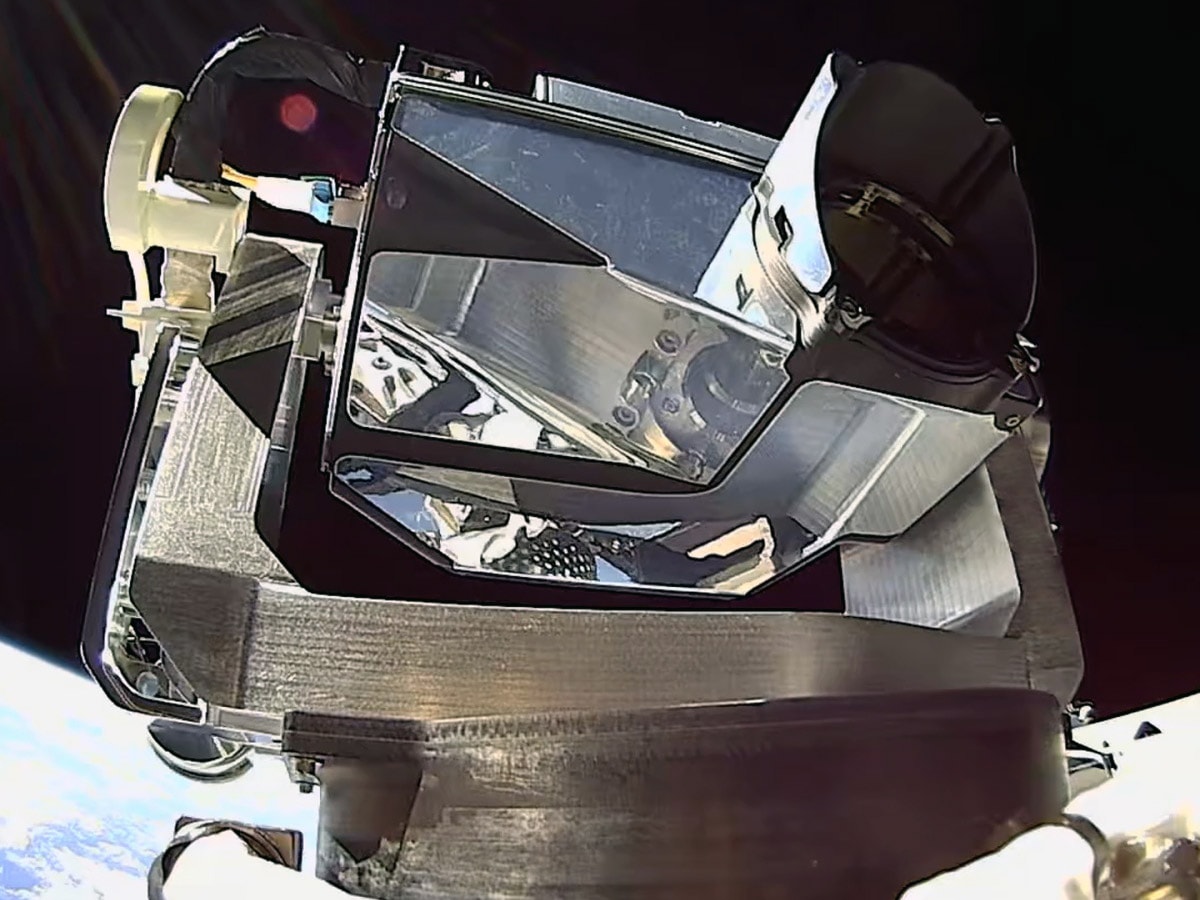
Risks from "stray" satellites
The term "runaway satellite" refers to satellites that no longer respond to commands from ground control and deviate from their intended orbit. This is considered one of the greatest dangers in space operations today.
Even a small collision can create thousands of fragments that fly at extremely high speeds. These fragments can then cause other collisions, creating a chain reaction that could potentially turn Earth's orbit into an inaccessible and dangerous zone.
The future of space stations in crowded orbits.
The incident with the Starlink satellite further highlights the challenges facing space infrastructures like the ISS. The ISS, which has been operational for decades, is scheduled to cease operations in 2030.
The United States and its partners are planning to build new commercial space stations to replace the old ones. However, ensuring the safety of these stations and their crews will become increasingly complex as the number of satellites and space debris continues to grow. This near-collision serves as a stark reminder that managing and monitoring space traffic must be a top priority to ensure the sustainable development of space activities.


