
Because Cua Lo is a place where the sea calls in all four seasons...
From a familiar summer tourist destination, Cua Lo is striving to write a new chapter in its development with the aspiration of "the sea calling in all four seasons" - opening up attractive, diverse, and distinctive experiences throughout the year.
.png)
Thanh Quynh(Perform)/Present:Hong ToaiApril 14, 2026
*****
From a familiar summer tourist destination, Cua Lo is striving to write a new chapter in its development with the aspiration of "the sea calling in all four seasons" - opening up attractive, diverse, and distinctive experiences throughout the year.
Focusing on this new direction, Nghe An Newspaper and Radio & Television had a conversation with Dr. Trinh Le Anh - Head of the Event Management Department, Faculty of Tourism Studies, University of Social Sciences and Humanities, Vietnam National University, Hanoi.
Over the years, Dr. Trinh Le Anh has hosted numerous national-scale events in Cua Lo as an event MC, and has also published many practical research papers on destination organization, product development, and communication.

.png)
Dr. Trinh Le Anh:I believe Cua Lo has three main advantages.
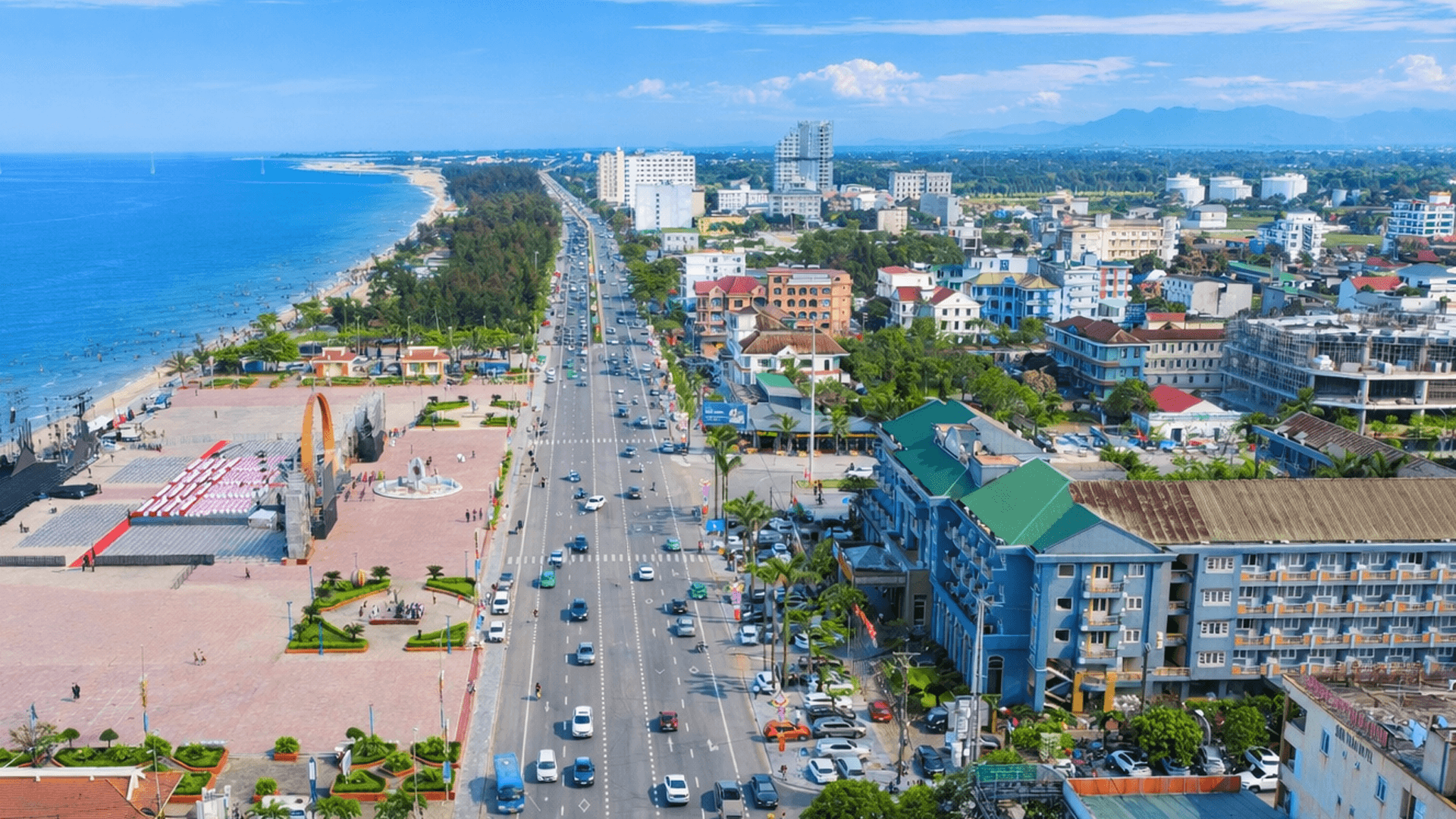
The firstThis is a natural advantage. The area boasts beautiful scenery, spacious beaches, convenient accessibility, and is suitable for many groups of visitors, especially families and domestic tourists on short vacations.
MondayIts location is a significant advantage. Cua Lo is not isolated but situated within a larger tourism area of Nghe An and North Central Vietnam, allowing for connections with Vinh, Nam Dan, the Lam River, Ha Tinh, and nearby cultural and historical sites. This provides a good foundation for expanding the experience beyond just beach activities.
TuesdayThis is an advantage in terms of destination recognition. Cua Lo is a well-established beach tourism brand with a certain level of familiarity in the market, so in terms of image, the locality doesn't have to start from scratch.

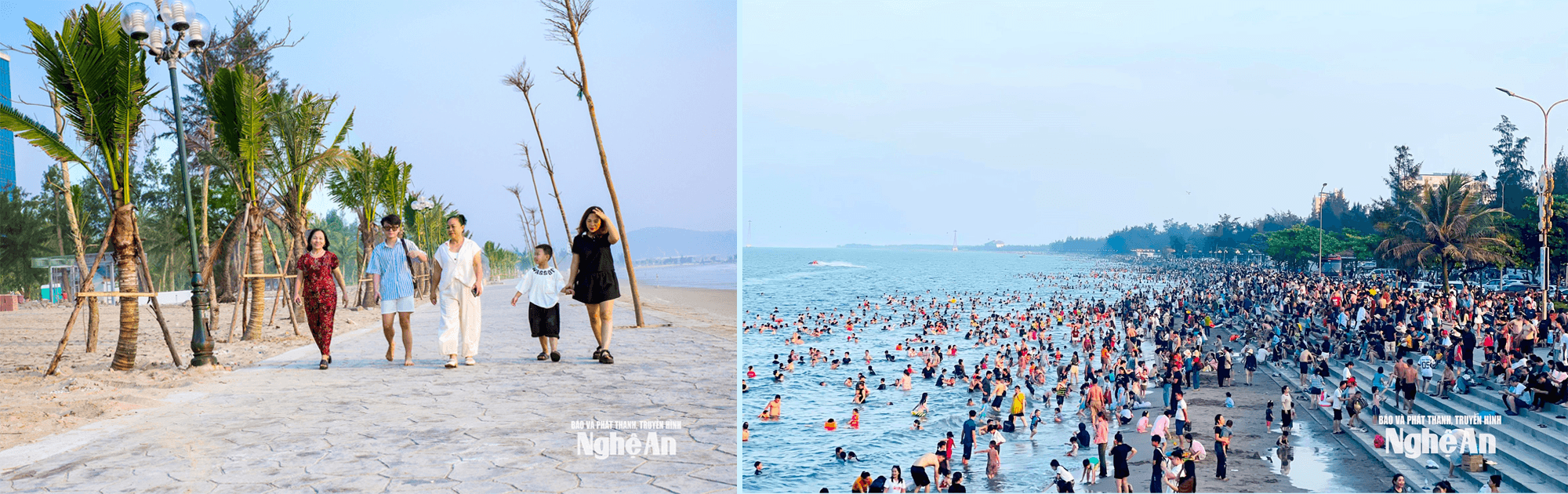
However, the challenges are also clear. First, there is seasonality, a common problem for many coastal cities in Central Vietnam. Next, there is pressure regarding the environment, tourism order, and consistent service quality. A destination may be popular, but if it suffers from opaque pricing, poor environmental hygiene, or inconsistent experiences, its competitiveness will be affected.
In my opinion, Cua Lo's biggest challenge has not been the lack of resources, but rather how to transform its existing advantages into a higher-quality destination: cleaner, more professional, more distinctive, and better able to retain tourists.
Dr. Trinh Le Anh:I believe this is the right direction. For a coastal city, continuing to rely almost entirely on a few peak summer months makes it difficult to create stability for the market, businesses, and people's livelihoods. Therefore, extending tourism activities to other times of the year is a reasonable approach.
However, it's also important to recognize objectively that extending the duration of an event doesn't automatically equate to sustainable development. Sustainability isn't about having more events, but about whether a destination can create genuine reasons for tourists to visit at different times of the year. To achieve this, there must be products suitable for each season, sufficiently stable services, infrastructure that meets demand, and clear communication to ensure the market recognizes the change.
In my opinion, the positive aspect here is that Cua Lo is showing an effort to break away from a development model that is overly dependent on seasonality. However, to achieve true sustainability, the deciding factor remains the quality of destination organization, not just the length of the activity schedule, although activities and events are important ways to attract attention and encourage tourists to decide to visit Cua Lo!
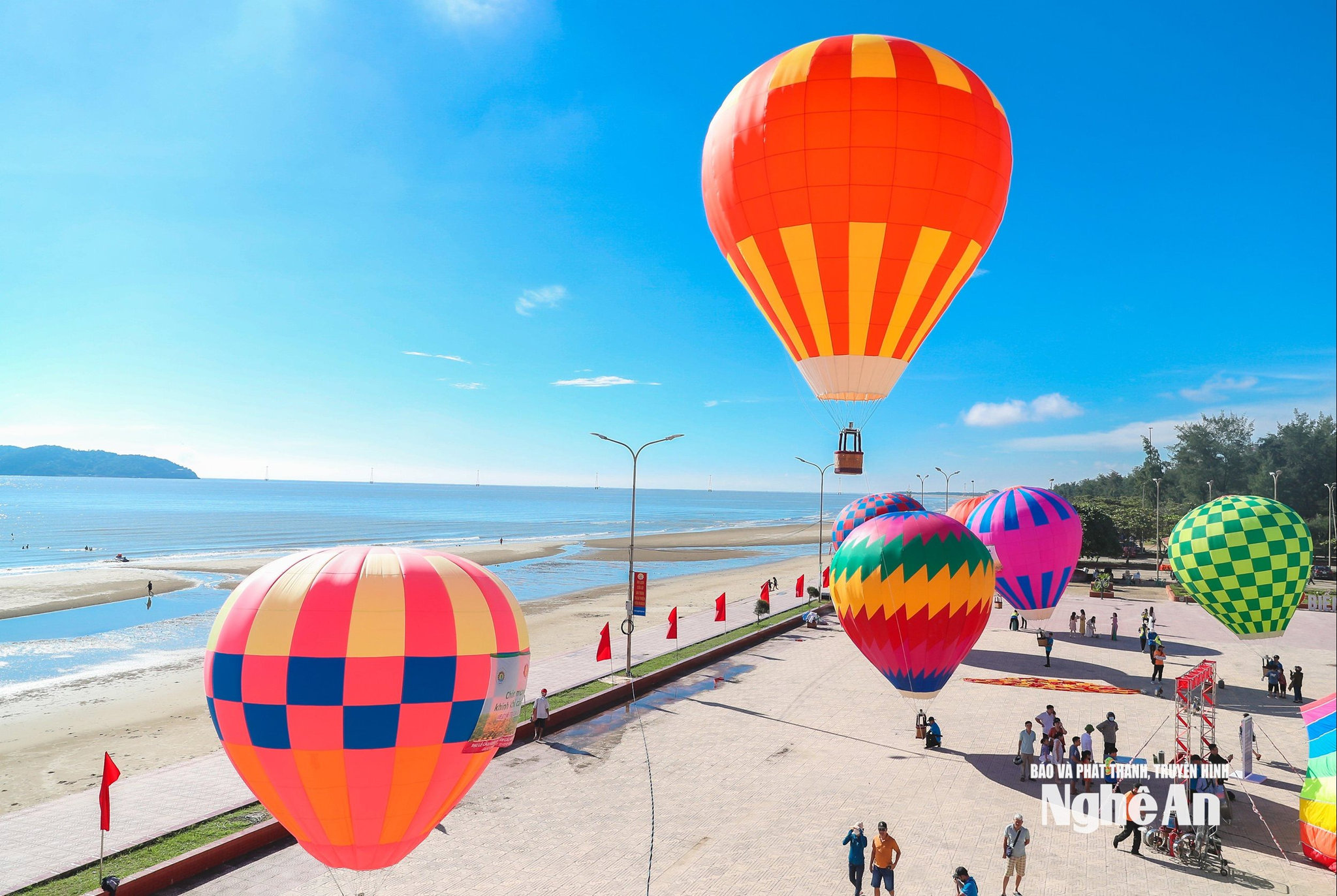
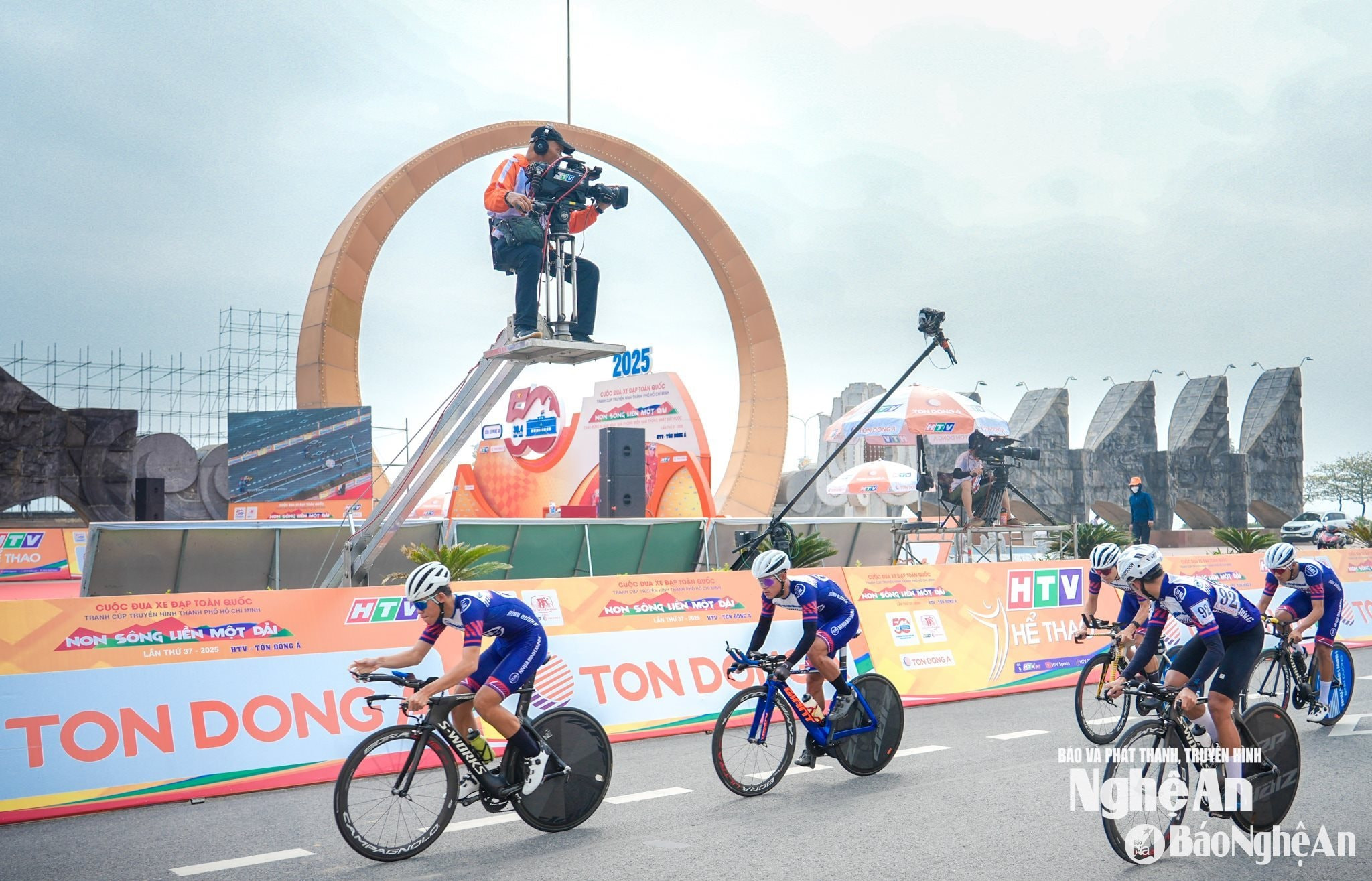
PV:Looking at the series of activities of the Festival, from festivals, sports, and culture to experiences such as folk singing on the sea or cruising on the Lam River, it is clear that Cua Lo is making efforts to renew its tourism products.
If you were a tourist directly experiencing these activities, what would you wish for to make the journey more fulfilling and memorable?
Dr. Trinh Le Anh:From a tourist's perspective, the most important thing I desire is a complete experience. This means that tourists shouldn't just be impressed by a few individual activities, but should feel that their entire trip to Cua Lo is well-organized, convenient, and emotionally fulfilling.
That completeness comes from very specific elements: clear information, convenient transportation, a clean environment, transparent pricing, friendly service, and interconnected experiences.
A destination may have many great activities, but if the organization is disjointed, the overall experience will still struggle to leave a lasting impression.
I also believe that what tourists need is not just something new, but something new with its own unique character. This means that each activity should help them better appreciate Cua Lo and the cultural space of Nghe An province, rather than just being fun and crowded. Only then will the trip be truly memorable and likely to make tourists want to return.
Introducing new activities, even experiences never before offered in Cua Lo, is, in my opinion, a necessary experiment to explore the market's attractiveness and expand the range of choices for tourists. However, in this process, we should not neglect the core products and services of the destination. For Cua Lo, beach resort tourism must remain the most important foundation. In other words, novelty is needed to create more appeal, but the core must still be maintained at the highest quality.
PV:In your opinion, what opportunities will connecting Cua Lo with Nam Dan, Ha Tinh, and other nearby destinations create, and what needs to be done to ensure these connecting routes are truly effective?
Dr. Trinh Le Anh:I believe this connection is essential, as it helps Cua Lo break free from the narrow perception of being merely a beach destination. By linking with Nam Dan, Ha Tinh, and surrounding areas, the experiential space will expand in a richer direction: from beach resorts to culture, history, spirituality, cuisine, and inter-regional experiences. This is significant not only for tourists but also for the destination's development strategy, as it helps extend the length of stay and add value to each trip.
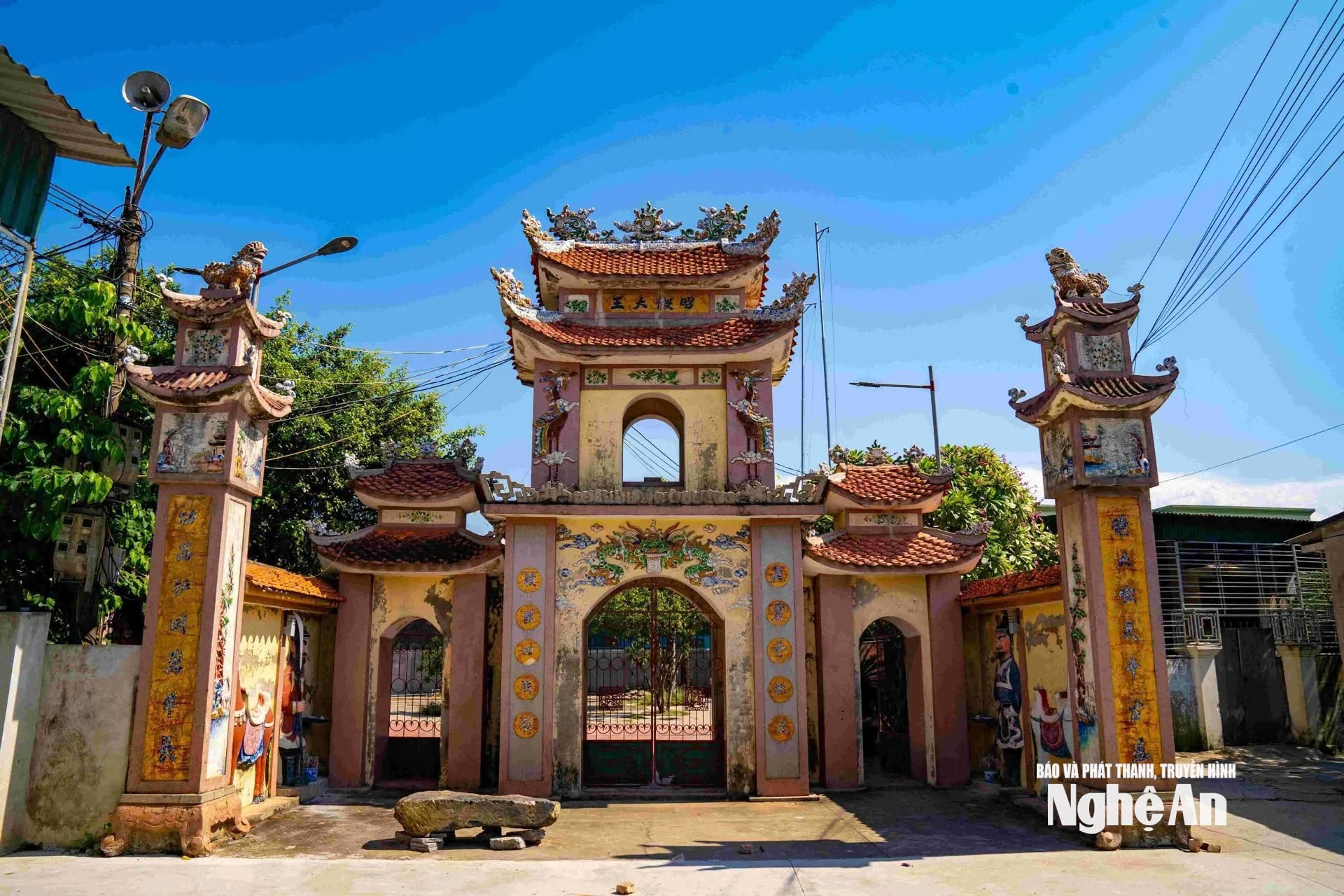
However, the connection only makes sense when organized as a genuine tourism product, not just by combining multiple destinations into a single itinerary. In my opinion, it's crucial that these routes have a clear experiential logic: What are tourists traveling for, what are their experiences, and what are the highlights of each leg of the journey?
Another point to note is that regional linkages require compatibility in service quality and readiness levels of each participating destination in the chain. It's unacceptable for a journey to have some places that perform exceptionally well while others are poorly organized, lacking information, support services, or a compelling narrative. In such cases, the link will easily become emotionally disconnected and struggle to create real added value.
In my opinion, to achieve this, it is essential to consult with experts in product development, travel, culture, and destination communication, thereby building a well-structured plan for interconnected tourism and experiential routes.
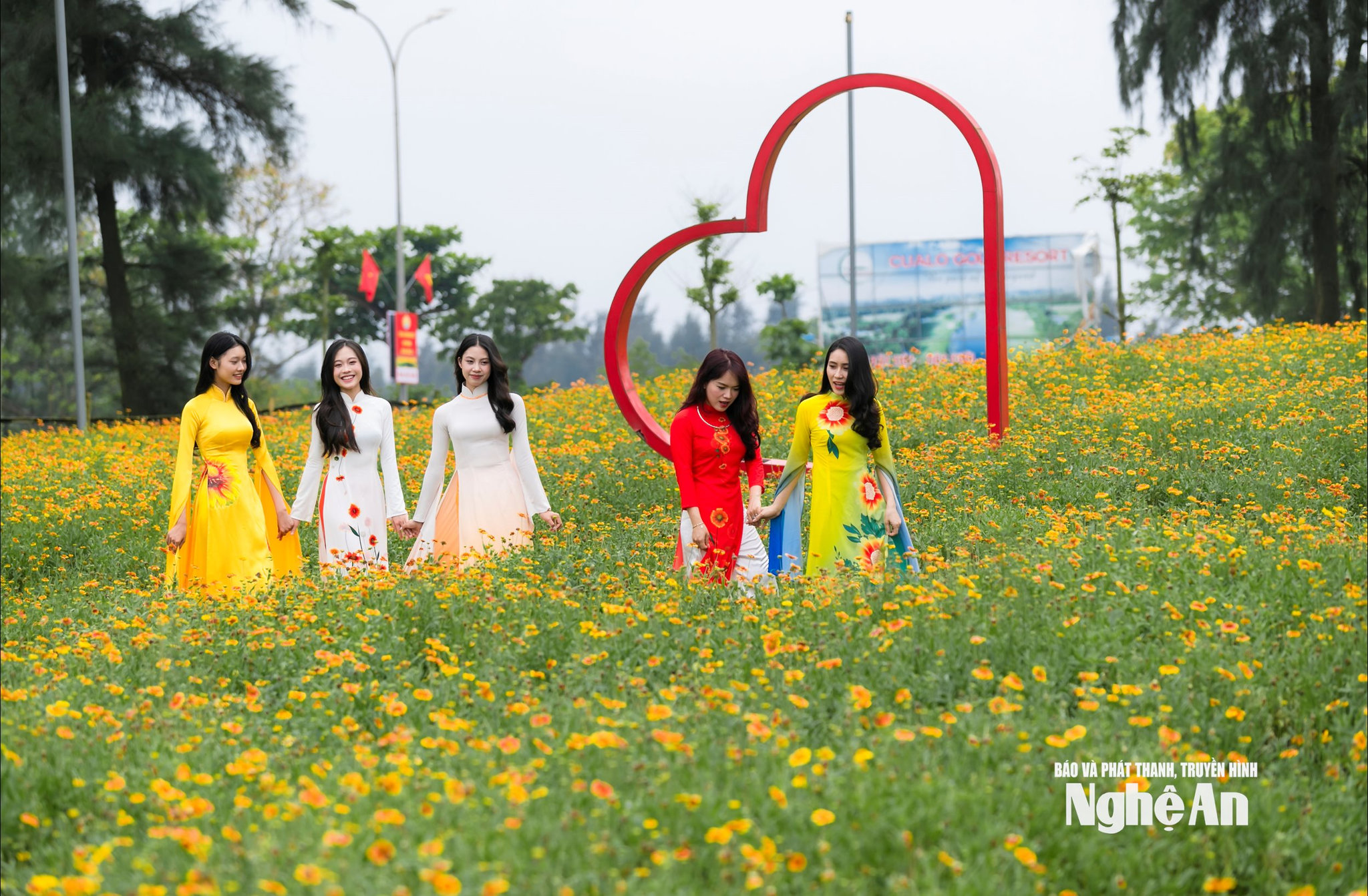
The project should not only focus on identifying departure and arrival points, but also clarify the theme of each route, the target customer group, the appropriate duration, the highlight of the experience, the service organization method, the coordination mechanism between localities, and the marketing communication plan.
To be effective, this must be treated as a product design problem, involving professional organization of experiences and inter-sectoral and inter-local coordination, rather than simply adding more routes on a map.

PV:Many believe that the coastal region of Nghe An possesses a "cultural gold mine." In your opinion, has Cua Lo truly exploited the "deep layers" of this "gold mine" yet?
Dr. Trinh Le Anh:Cua Lo is not isolated but part of the broader cultural landscape of Nghe An province. It boasts folk songs and dances, the life of a fishing village, local cuisine, spiritual institutions, a rich history, and a unique way of life characteristic of the people of Nghe An. This is a very valuable cultural resource.

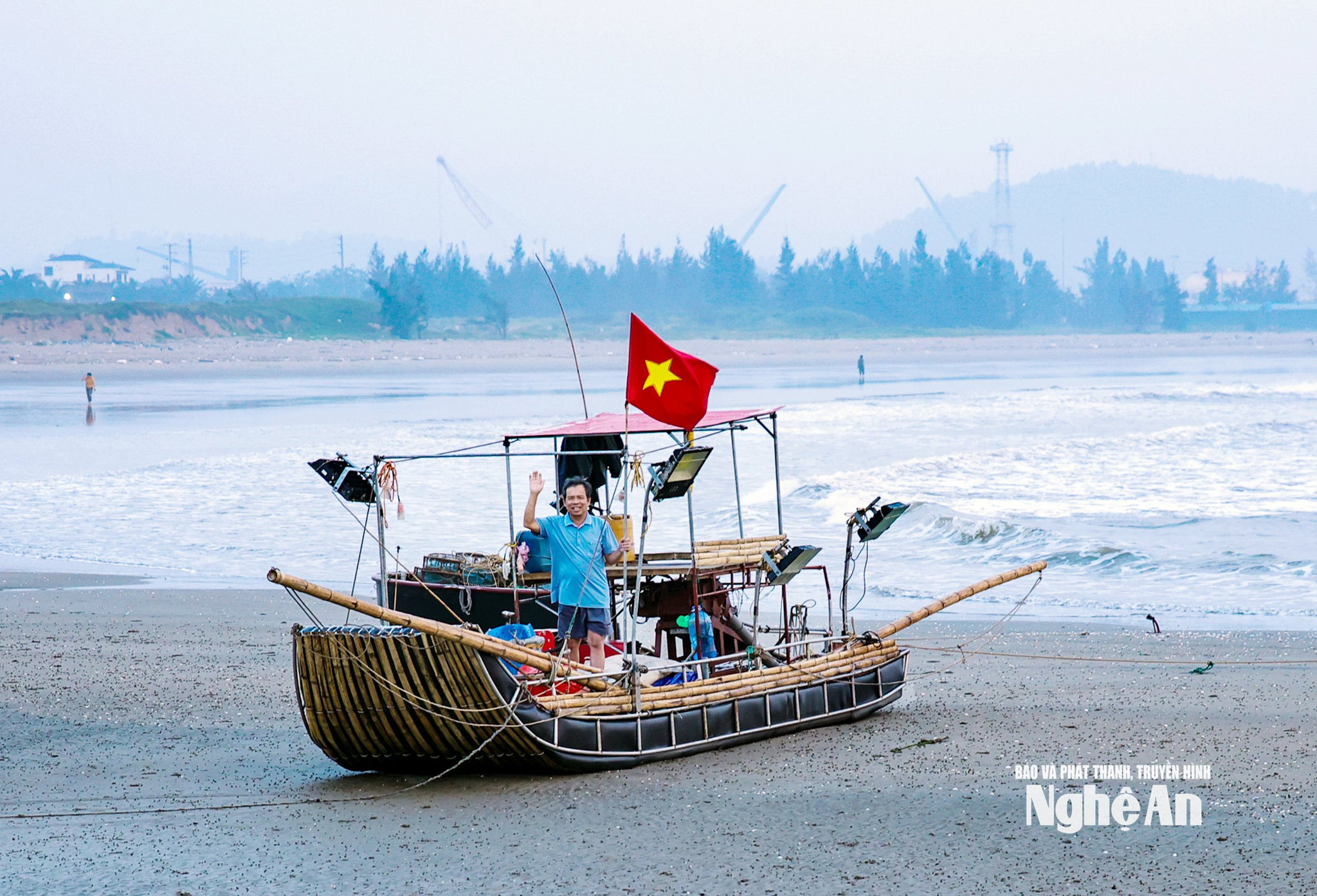
To make the most of this resource, it is necessary to transform these materials into experiences that tourists can understand, feel, and remember.
In my opinion, the "deep layer" is only truly reached when culture is no longer a secondary element of tourism, but becomes an integral part of the product. This means that tourists don't just watch a performance, eat a dish, or visit a historical site, but have the opportunity to step into a complete story about the land, people, and local way of life.
In short, Cua Lo truly possesses a "cultural gold mine." However, to fully exploit its potential, more effort is needed in research, material selection, product design, and organizing experiences in a more professional manner.
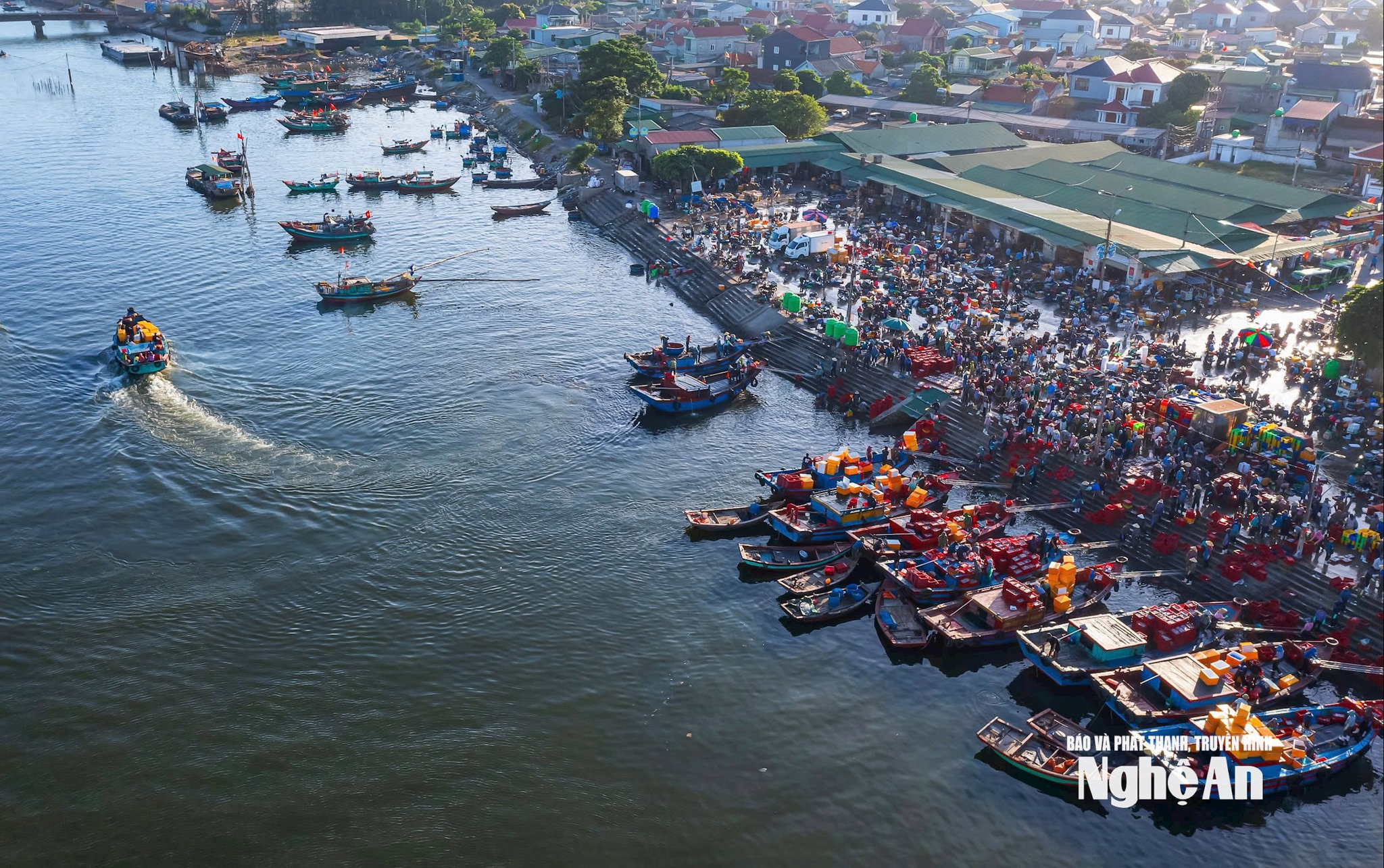
Dr. Trinh Le Anh:The story of "Hai Chau herring" offers a very noteworthy lesson: Today's tourists are not only attracted by a specific dish or activity, but by the entire atmosphere of the experience surrounding it. The appeal lies not solely in the herring itself, but in the feeling of being connected to local life, participating in a real, intimate, and communal moment.
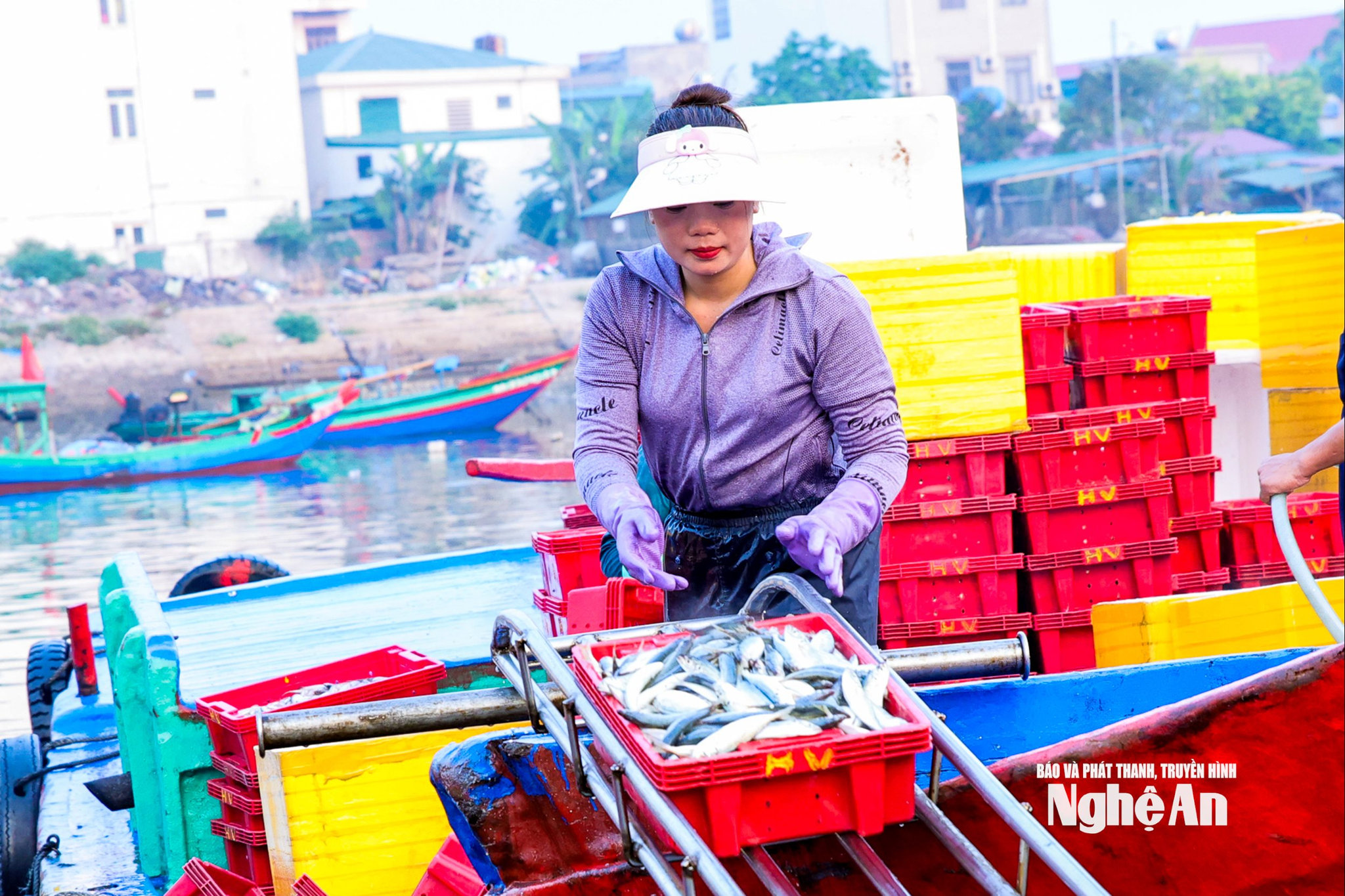
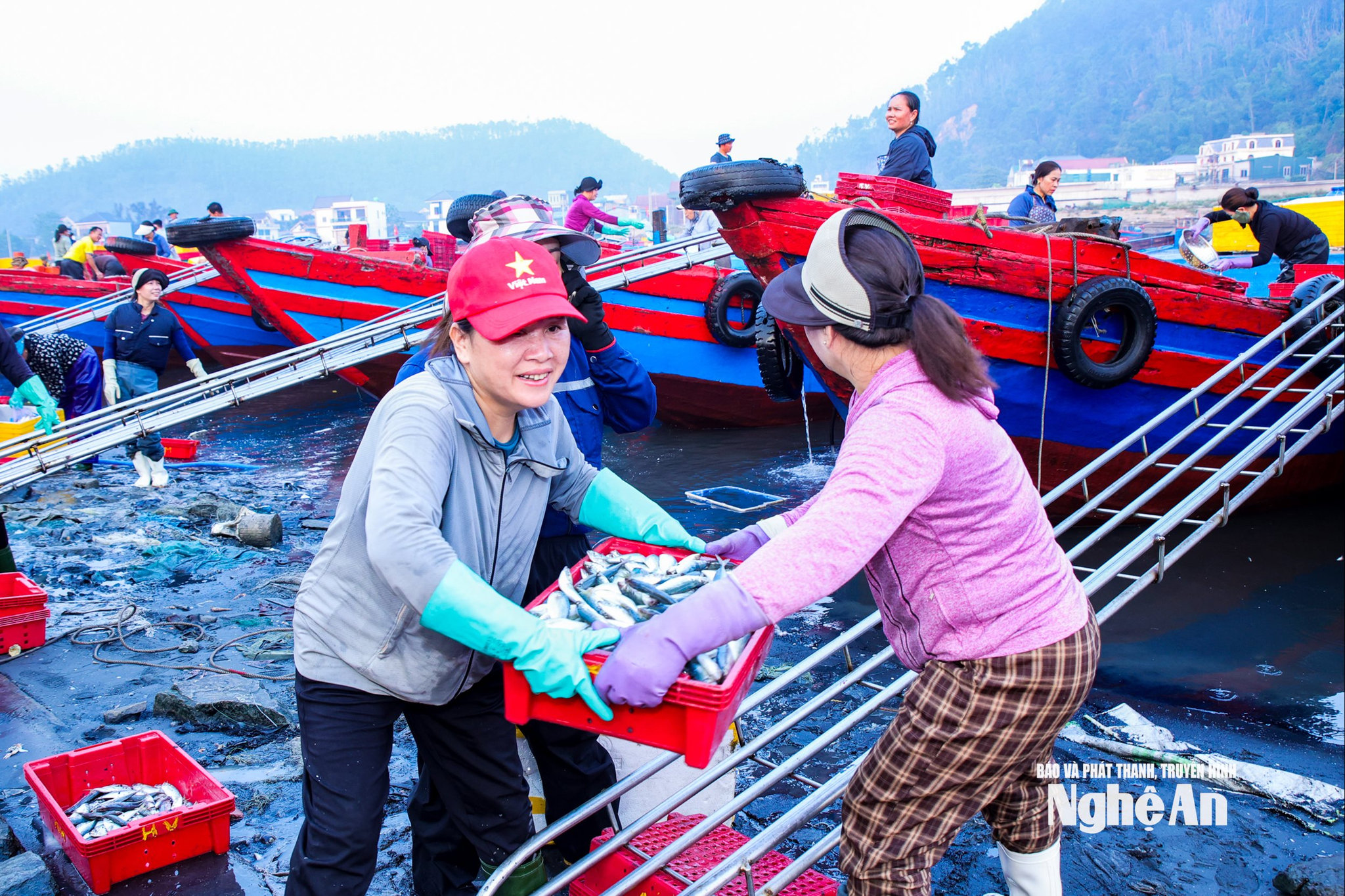
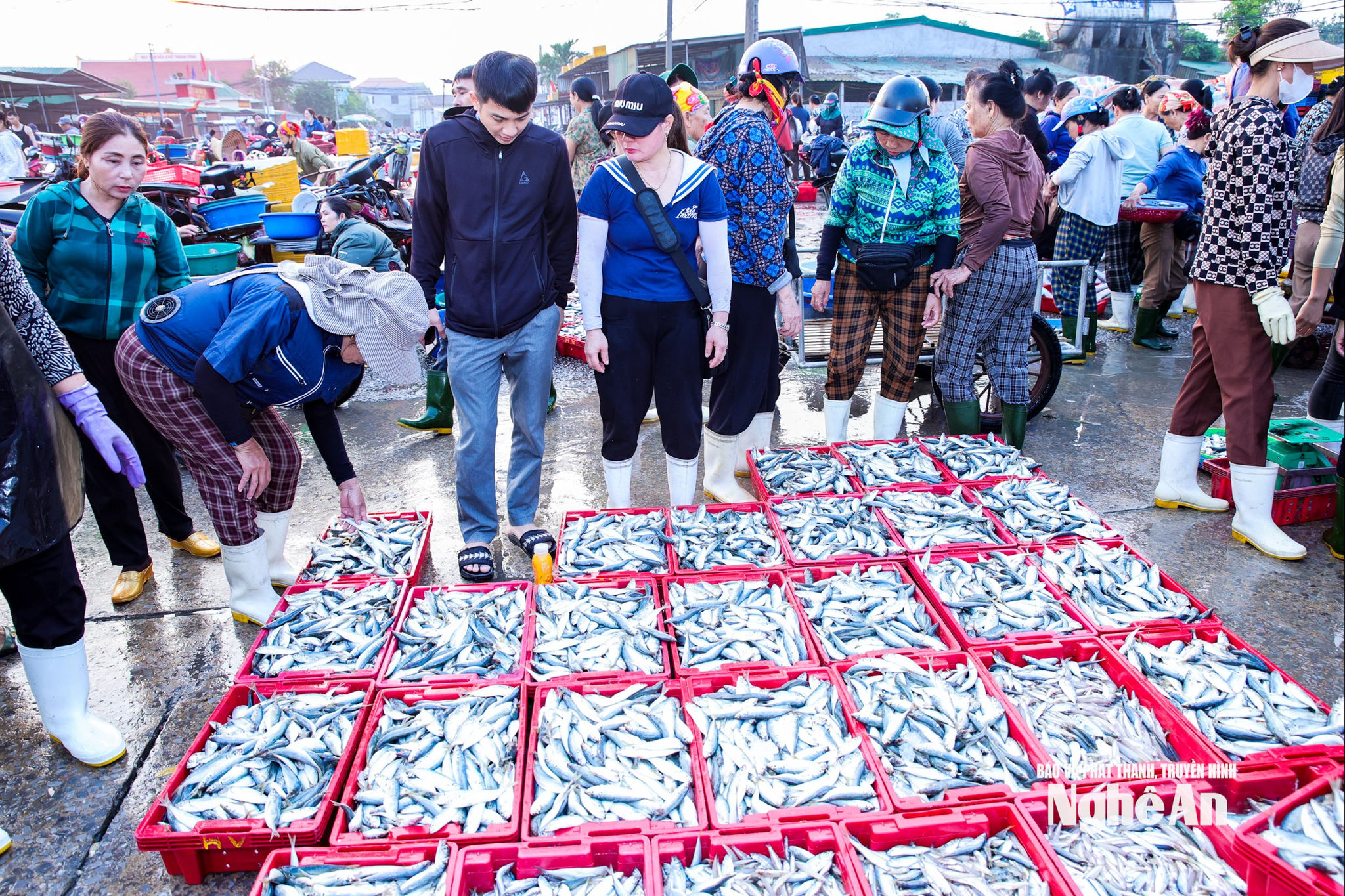
This shows that tourism doesn't always need to start with big or overly elaborate products. Often, it is the very simple values of a locality, if properly identified and well-organized, that have the potential to create a very strong attraction.
For Cua Lo, the lesson here is that we need to pay more attention to discovering and enhancing the inherent elements of marine life, market life, cuisine, community activities, and local culture, especially through the perspective of the younger generation!
It is this segment of potential customers that often determines whether a local experience becomes a trend or not.
I also believe that it's important to preserve the authenticity of the experience. When an activity retains the natural essence of local life, it's more likely to evoke genuine emotions in tourists. Conversely, if there's excessive intervention, overdoing it, or forced theatricalization, the initial appeal is easily lost.
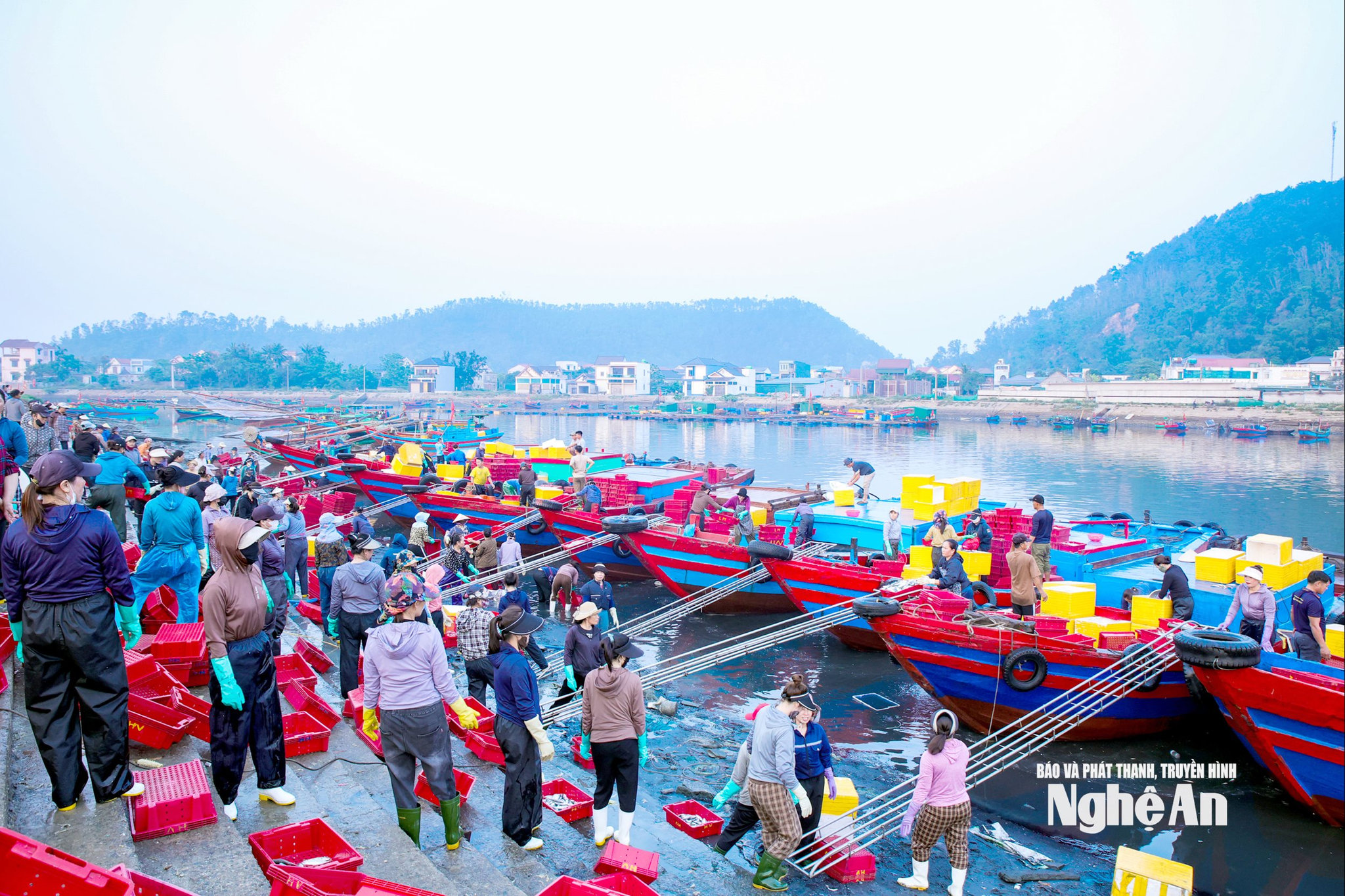
In short, the lesson from Hai Chau is: To have sustainable tourism appeal, Cua Lo not only needs to create something new, but also needs to re-evaluate its existing values, choose the right storytelling elements, and then reorganize them into sophisticated, professional, and contemporary tourism experiences.
Dr. Trinh Le AnhWe must acknowledge a fact: Strategic investors not only bring enormous capital, but more importantly, they bring a "management system," a "ready-made customer base," and the "ability to lead trends."
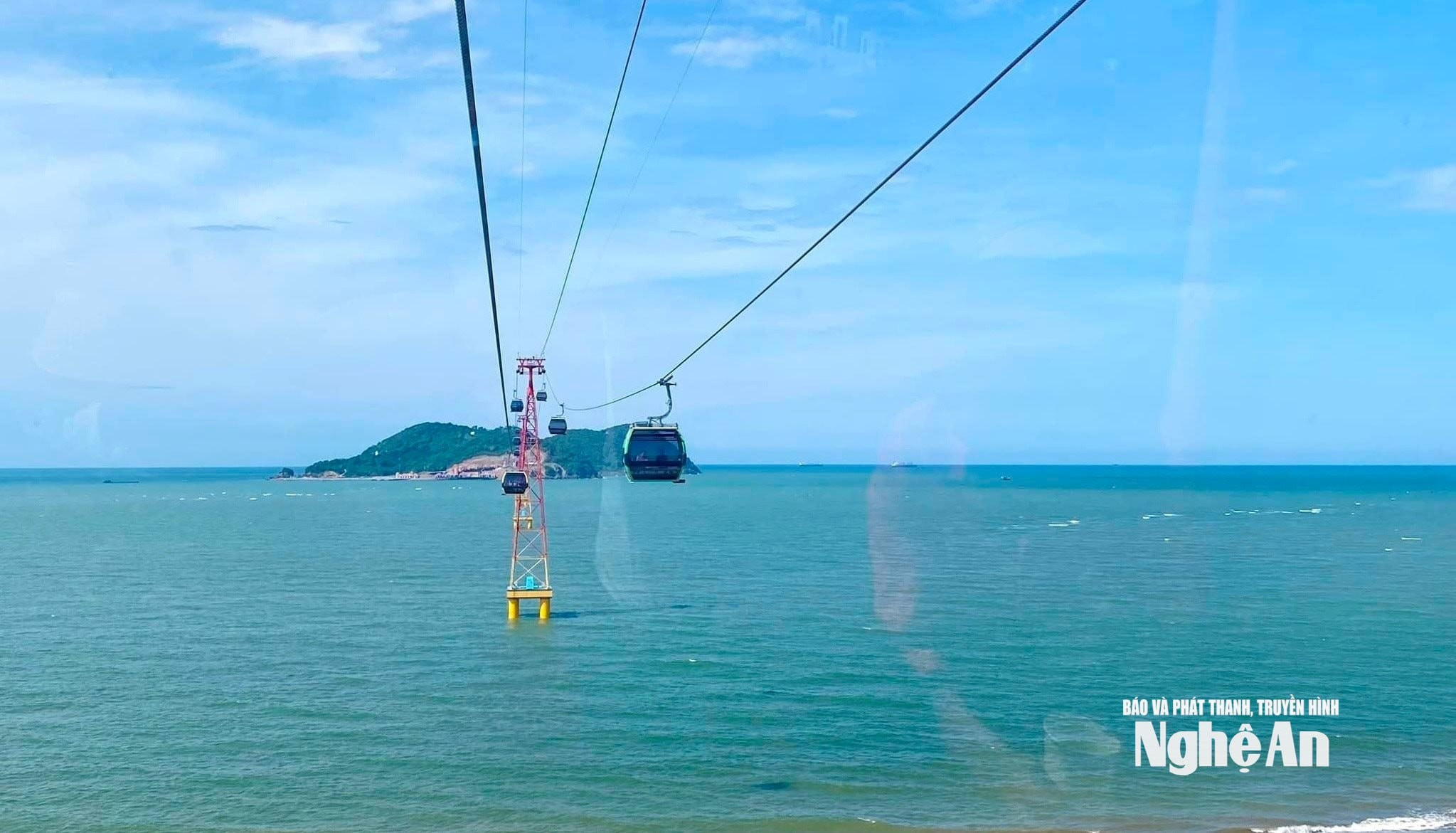
Look at how Sun Group has transformed the tourism landscape of Da Nang or Phu Quoc, or what Vinpearl is doing with Cua Hoi today, to see the power of these "breakthroughs".
In my opinion, for Cua Lo to truly become a "promising land" for large capital flows, it needs to focus on three main pillars:
The firstIt is "Planning Vision and Policy Consistency".
Strategic investors typically look at a 20-30 year vision, not just a 1-2 year one. Cua Lo needs a coherent and modern tourism spatial plan that respects its unique identity. Consistency and transparency in policies and administrative procedures are the highest "credit indicators" to reassure large corporations that they can invest. They need to see a long-term commitment from the government rather than short-term tax incentives.
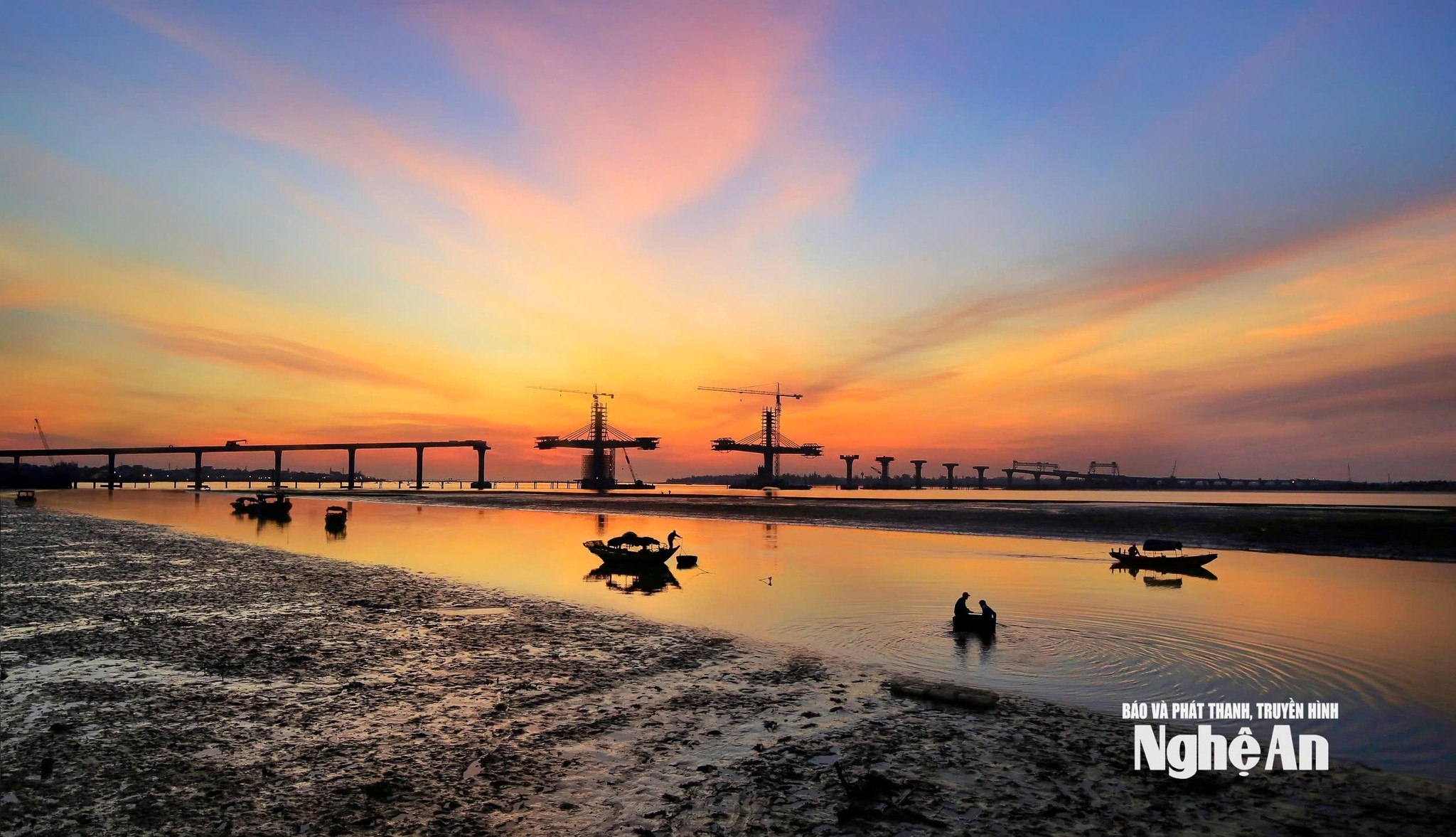
MondayIt is "Synchronized connectivity infrastructure".
Capital only flows to places with convenient transportation links. Upgrading transportation infrastructure (such as the Cua Hoi bridge connecting to Ha Tinh, expanding Binh Minh road...) is a necessary condition. But the sufficient condition must be digital infrastructure and urban service infrastructure. A destination that meets ASEAN standards, like Cua Lo, aiming for 2026, must be a smart city where investors can seamlessly integrate technology platforms into the visitor experience.
TuesdayAnd most importantly, it's about "building a supportive ecosystem."
An "eagle" cannot thrive without a satellite ecosystem of "sparrows." Cua Lo needs to encourage local businesses and traditional households to upgrade themselves to become part of the supply chain of large investors.
When local communities and strategic investors find common ground in sharing benefits and preserving indigenous cultural values, that's when capital will naturally flow in sustainably.
To put it metaphorically, we shouldn't just prepare temporary "nests" with preferential treatment, but rather create a transparent planning "sky" and a distinctive service "ecosystem." That is the ideal environment for strategic "eagles" to choose to settle, build their nests, and together with Cua Lo tourism, take flight and reach new heights.
Dr. Trinh Le Anh:I believe that tourism can attract attention with new activities, but to keep tourists coming back, it ultimately depends on genuine quality: a clean environment, decent service, transparent pricing, distinctive products, and consistent practices.
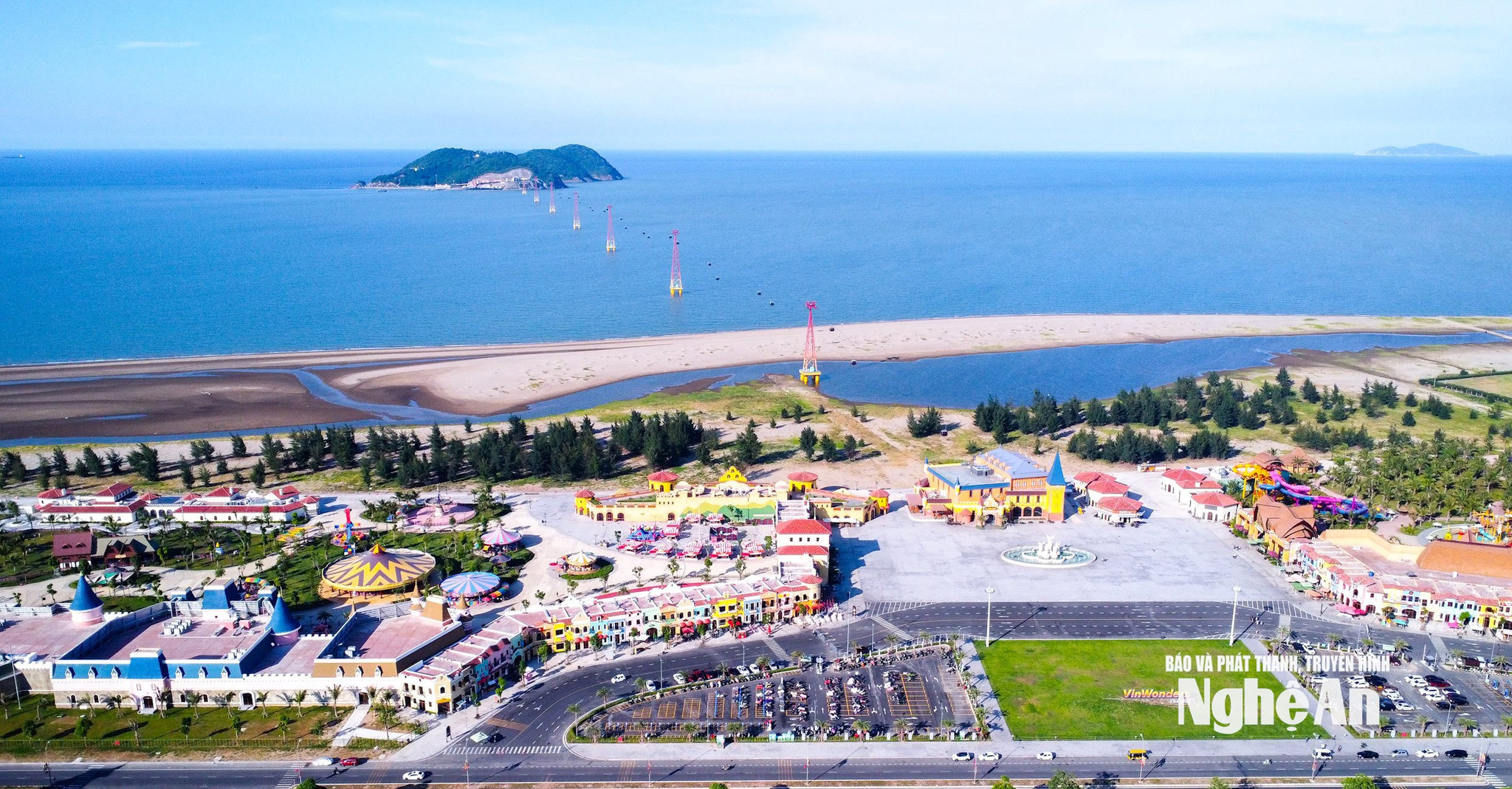
For Cua Lo, what's valuable is that this destination already has many good foundations: beautiful beaches, a long-standing brand, friendly people, and a cultural space with rich potential.
The remaining challenge is to persistently reorganize those advantages in a more professional, in-depth, and sustainable direction.


