
Why aren't the mainstream iPhone 18 models launching this fall?
Apple is reportedly changing its iPhone launch strategy starting in 2026, with the entry-level iPhone 18 models launching next year instead of being announced all at once as before, in order to differentiate each segment and optimize sales.
There are only about two months left until Apple's annual September iPhone launch event. However, according to leaked information, this year will mark a major shift in the company's product strategy.
Apple changes its iPhone launch strategy.
Instead of introducing the entire new iPhone lineup at once, as in previous years, Apple is reportedly only launching three high-end models – the iPhone 18 Pro, iPhone 18 Pro Max, and the all-new foldable iPhone (iPhone Ultra) – at its fall event. The remaining versions will have to wait until next spring to officially appear.
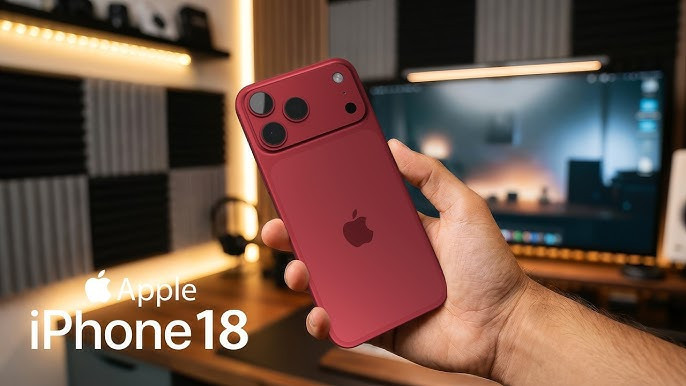
For many years, the number of new iPhones that Apple introduces each year has steadily increased.
Previously, the company only released three models: the standard iPhone, the iPhone Pro, and the iPhone Pro Max. In 2020, Apple added the iPhone mini, bringing the total to four devices. Two years later, the mini model was replaced by the iPhone Plus, and the Plus line is now expected to give way to the iPhone Air.
With the addition of the iPhone 16e, the number of iPhones released each year has increased to five models. If Apple continues to introduce iPhone Ultra, the annual product lineup will reach six devices.
Announcing too many models simultaneously makes launch events too hectic and makes it difficult to highlight each product. This is believed to be the reason Apple decided to switch to a two-phase release model.
According to leaked information, the iPhone 18 lineup will include six versions: iPhone 18, iPhone 18 Pro, iPhone 18 Pro Max, iPhone 18e, iPhone Air 2, and iPhone Ultra.
However, instead of launching all models simultaneously like in previous years, Apple is reportedly planning a two-phase release. Specifically, in the fall of 2026, the company will introduce three high-end models: the iPhone 18 Pro, iPhone 18 Pro Max, and iPhone Ultra. Then, in the spring of 2027, Apple will release the iPhone 18, iPhone 18e, and iPhone Air 2.
If this plan materializes, Apple will shift to a strategy of prioritizing the launch of high-end models first, while standard and mainstream versions will appear about six months later.
This is expected to help the company maintain the popularity of the iPhone line for a longer period and optimize sales in each phase.
Why does Apple have to split its release schedule into smaller batches?
When Apple expanded its lineup to four models, the fourth version, such as the iPhone mini or iPhone Plus, did not achieve the sales expected during the initial launch period.
Launching so many devices simultaneously makes it easy for models to be overshadowed by the more attention-grabbing Pro versions.
By separating the two events into distinct events, Apple can dedicate more media attention to each product group, while also reaching the right target customer segments.
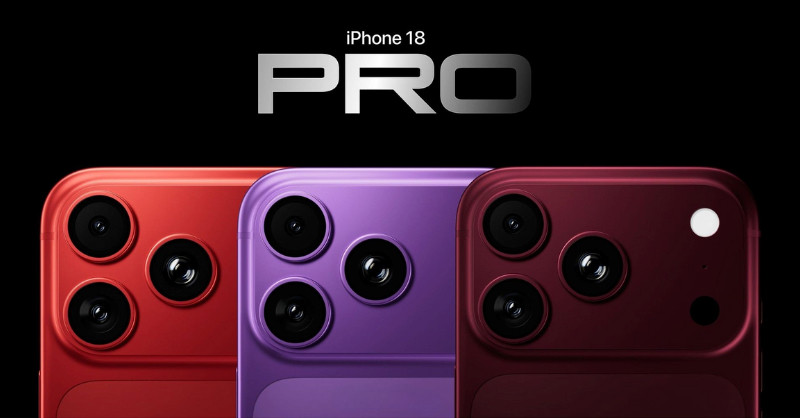
Another noteworthy point is that Apple is reportedly looking to merge the manufacturing processes of the iPhone 18 and iPhone 18e in order to reduce costs.
If this information is accurate, the differences between the two devices may no longer be significant. The two models are said to differ only in their screens and camera systems.
It remains unclear whether Apple will significantly upgrade the iPhone 18e or cut some features from the iPhone 18 to bring the two products closer together.
The new strategy could help Apple increase revenue.
Unless Apple changes its iPhone Air development plan, the two-phase release model will likely become its long-term strategy.
Separating premium and mainstream models not only gives each product a better chance to shine but can also contribute to raising the average selling price of iPhones.
Those who want to own the product right from the initial launch will only have the option of the more expensive Pro or Ultra versions.
However, more time is needed to assess whether the split-release strategy will actually help Apple improve sales of the entire iPhone lineup.


