
Why are we so easily tricked by scams?
Scams aren't just stories of bad guys; they're a lesson for ourselves. They remind us that, in a world full of pitfalls, vigilance and networking are key to protecting ourselves.
On a weekend morning, while browsing the news, I came across a story about a middle-aged woman who lost hundreds of millions of dong because of a fake phone call from someone impersonating a police officer. A few days ago, a young person shared on social media about being scammed in an online investment scheme for months, ultimately losing their money and incurring debt. Scams, from fake prize winning messages to sophisticated online tricks, seem to never cease appearing.
We are hardly surprised by the cunning of scammers, leaving only the question: Why, in a world full of information and warnings, do we still so easily fall into these traps?
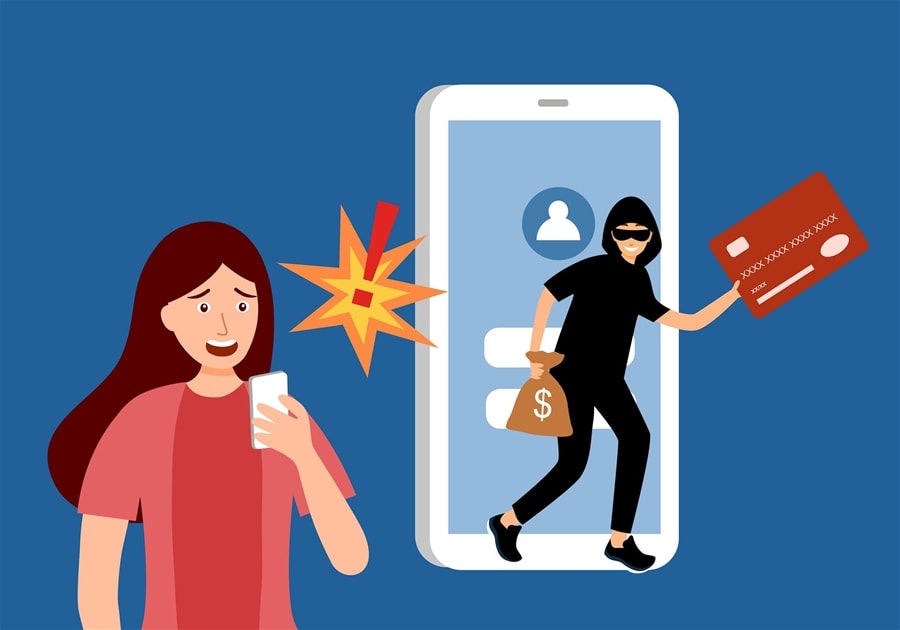
Fraud is nothing new. From fake phone calls promising "you've won a prize" to bank-impersonated emails, and more recently, high-interest, risk-free investment offers on social media, the scams are becoming increasingly sophisticated. According to statistics from the Ministry of Public Security's A05 department, in the first eight months of 2025, Vietnam recorded over 1,500 online fraud cases, a 65% increase compared to the same period in 2024, with estimated losses exceeding 1,660 billion VND. Over 4,532 malicious domains were detected (a 90% increase), employing sophisticated tactics such as deepfake scams, crypto fraud, OTP hijacking, and impersonating police or banks. But these numbers don't fully capture the pain of those who have lost money, trust, and sometimes even self-respect.
So what makes us, no matter how intelligent or cautious we are, still fall prey to scammers?

The answer lies deep within human psychology. One of the scammers' most powerful weapons is their ability to exploit greed – a primal instinct that everyone possesses. When we hear about an opportunity to "double your investment in just one month" or an item "70% cheaper than the market price," we easily get caught up in the alluring prospect, forgetting the fundamental question: "Is this realistic?" Greed isn't just about wanting more money; it's also about the desire for quick success and the need to possess things beyond our reach. Scammers understand this and turn it into the perfect bait.
Gullibility is also a gateway for scammers to enter. We often believe we're smart enough to recognize a scam, but that confidence can sometimes be a weakness. A fake bank message, a call from "authorities" with an urgent tone, or a professionally designed advertisement can make us lower our guard. I once heard a friend tell me that she transferred money to a "investment expert" simply because this person had a polished LinkedIn profile and a Fanpage full of positive comments. Only after losing the money did she realize everything was fake. This gullibility sometimes stems from the belief that, "surely no one would dare scam me so blatantly."

Fear is also a psychological factor that scammers exploit to the fullest. Fake phone calls impersonating police officers, threatening things like "your account is under investigation" or "your child is in danger," directly target people's insecurity. In moments of panic, our rationality is clouded, and we easily follow the stranger's instructions, from providing personal information to transferring large sums of money.
Social media, with its rapid growth, has become fertile ground for scams. Sponsored posts, live sales streams, and secret investment groups are all designed to appeal to emotions. Images of someone boasting about a life of wealth thanks to "smart investing" easily lead us to wonder, "Why don't I try it?". Fake comments from "buyers" or "successful investors" further reinforce this false belief. Technology helps scammers conceal their identities, while we, the users, are easily swept along by the crowd without verification.
But perhaps the most pressing concern is the lack of connection in modern society. As we talk less and less with family, friends, or neighbors, we easily seek solace in online "opportunities." An investment offer, a cheap item, or a promise of attention from a stranger can fill that void, even if only virtually. I've seen elderly people living alone easily fall for fake "customer service" messages, simply because they yearn for someone's attention. Loneliness, it turns out, is also a gateway to traps.
So how do you avoid falling into the trap? First, slow down. An opportunity that seems too good to be true often comes with risks. Ask yourself: “If this is real, why is it so easy for me?” Second, verify. A call from the bank? Call their hotline to check. An investment offer? Thoroughly research the company, its licenses, and the people behind it. Third, share your thoughts. Talk to family and friends, seek advice from those knowledgeable in the field before making any major decisions. Another perspective can help you stay grounded. And finally, build real-life relationships. A close-knit family and a supportive community will be a strong shield against the temptations of the virtual world.
Scams aren't just stories of bad guys; they're a lesson for ourselves. They remind us that in a world full of pitfalls, vigilance and connection are key to protecting ourselves. Today, take a moment to reflect on how we use social media and how we make decisions. And if possible, pick up the phone and call a loved one to remind each other that we're not alone, and that we're smart enough not to fall into the traps set for us.


