
Why did South Korea reject Russia's S-300 system despite its superior capabilities compared to the Patriot?
Despite being considered superior to the Patriot in both cost and combat performance, Russia's S-300 system was ultimately canceled by South Korea at the last minute due to strategic pressure from the United States.
The US withdrawal of MIM-104 Patriot and THAAD long-range air defense systems from South Korea is drawing international attention. This move reveals the East Asian nation's deep dependence on Washington's air defense network. Against this backdrop, calls for defense autonomy, including statements from Prime Minister Lee Jae-myung, are growing stronger in Seoul.
The technical showdown between S-300 and Patriot.
In the 1990s, as part of the SAM-X long-range air defense system development project, South Korea considered a choice between Russia's S-300 and the US Patriot. At the time, military analysts assessed the Russian system as possessing superior technical advantages.
Specifically, the S-300 has a 360-degree target coverage capability, offering significantly more maneuverability compared to the Patriot's limited 120-degree scanning angle. Notably, the Patriot's combat performance in the 1991 Gulf War was considered unconvincing against rudimentary missiles. From an economic standpoint, the S-300 is 30% cheaper and comes with flexible payment terms, allowing South Korea to deduct the cost from its debts to Russia.
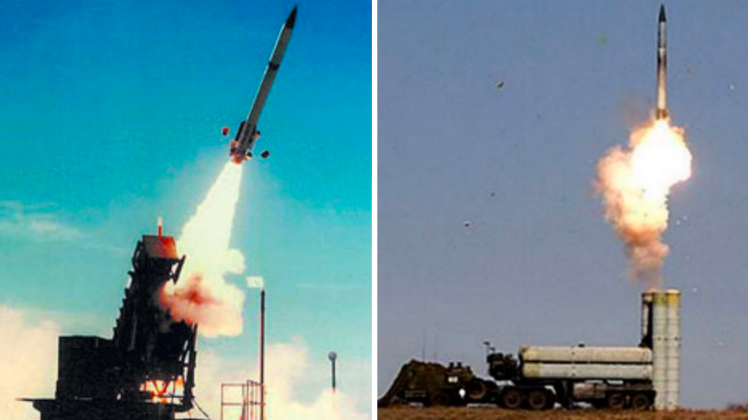
Geopolitical pressure and a turning point from Washington
Despite its technical advantages, the S-300 deal faced strong opposition from the United States. In April 1997, US Secretary of Defense William Cohen warned that Seoul's purchase of Russian weapons would not receive support from the US Congress. The House Appropriations Committee also highlighted concerns about compatibility in joint military exercises between the two countries if South Korea used non-US-made equipment.
Under immense pressure on their strategic alliance, South Korea ultimately reversed its initial plans to opt for the Patriot system. This decision not only ended the possibility of S-300 deployment on the Korean Peninsula but also dampened Seoul's interest in Russian fighter jets like the MiG-29 and Su-37.
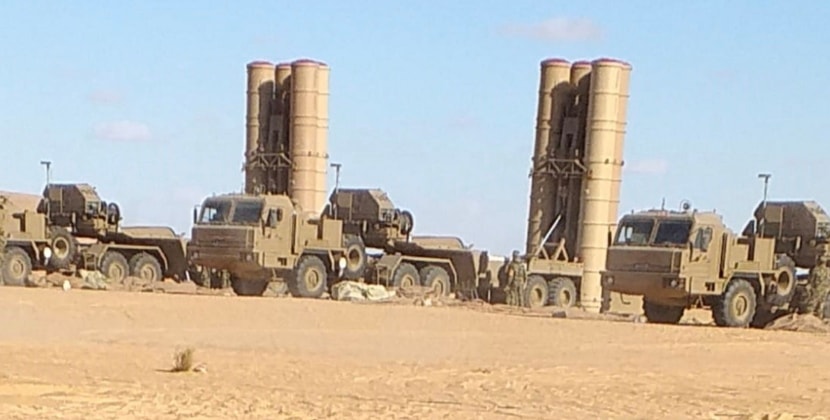
Strategy for adopting KM-SAM technology and systems.
To both maintain relations with the US and enhance domestic capabilities, the South Korean defense industry chose a shrewd approach: acquiring access to air defense technology platforms from Russia instead of directly purchasing finished equipment. Thanks to this intellectual resource, Seoul successfully developed the KM-SAM (Cheongung) missile system, a domestically produced system heavily influenced by Russian technology but still compatible with the overall defense structure.

Since 2017, with the enactment of the Countering America's Adversaries Through Sanctions Act (CAATSA), pressure on the global arms market has intensified. This act has forced many countries to cancel plans to purchase weapons from Russia, North Korea, or Iran to avoid economic sanctions from Washington. As a result, the share of US and Western defense exports has expanded, reshaping the global military security order.


