
Why do car tires wear unevenly?
(Baonghean.vn) - Signs of uneven tire wear include worn inner or outer surfaces, a concave center, cracks, or bulges at certain points. Uneven tire wear significantly affects traction and vehicle stability during operation... So what causes this phenomenon?
1. Due to usage conditions
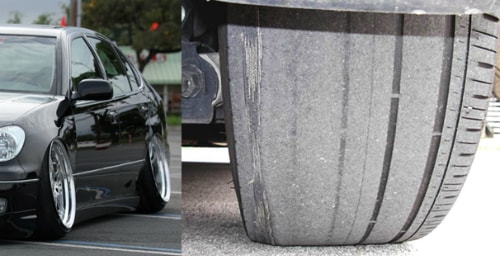 |
Terrain conditions have a significant impact on tire wear. For example, vehicles that frequently travel on rough roads with bumps will have uneven contact surfaces between the tire edges and the road; the edges that bear more force will wear out faster.
Or, simply put, consider vehicles parked in multi-story parking garages with spiral ramps. Each time a vehicle travels on these spiral ramps, the wheels are not on a single plane, causing uneven wear on the tire edges or between the tires themselves.
2. Due to the drive mechanism and load distribution.
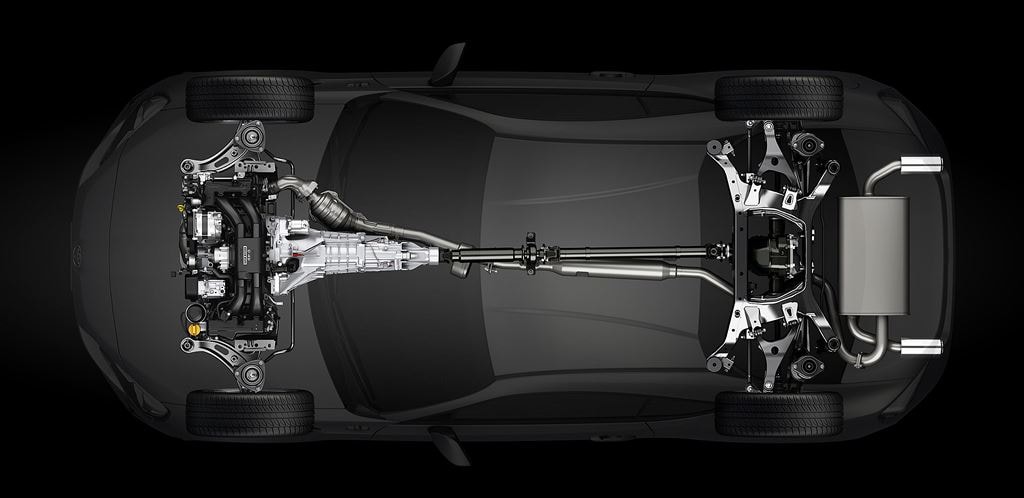 |
On vehicles with single-axle drive (front or rear), the tires on the drive axle tend to wear out faster. Furthermore, the uneven distribution of load between the front and rear axles also causes different rates of tire wear on the different axles.
Even with four-wheel drive vehicles, tires can still wear unevenly due to load distribution, terrain conditions, or the impact forces from steering while cornering.
Therefore, experts also recommend that car owners should rotate their tires after a period of use (approximately 10,000 km).
3. Due to incorrect steam pressure.
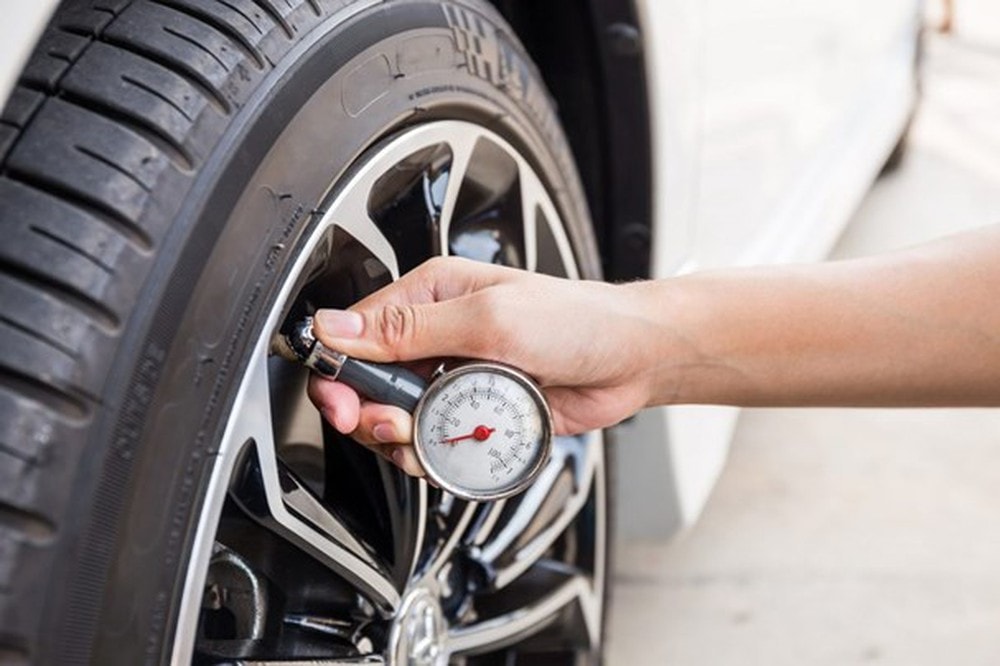 |
If tires are inflated to excessively high pressure, the center of the tire will wear out faster. Furthermore, overinflated tires reduce the contact surface area, decreasing friction and consequently reducing braking efficiency; overinflated tires also make the ride bumpier.
Underinflated tires will cause the tires to become soft and flat. At this point, the weight of the vehicle will press down on the sides of the tires, causing them to wear out faster. Underinflated tires also increase the contact surface area, increasing friction, which means increased fuel consumption.
Excessive tire wear can also be caused by frequently overloading the vehicle, even with the correct pressure.
4. Due to wheel alignment angle deviation.
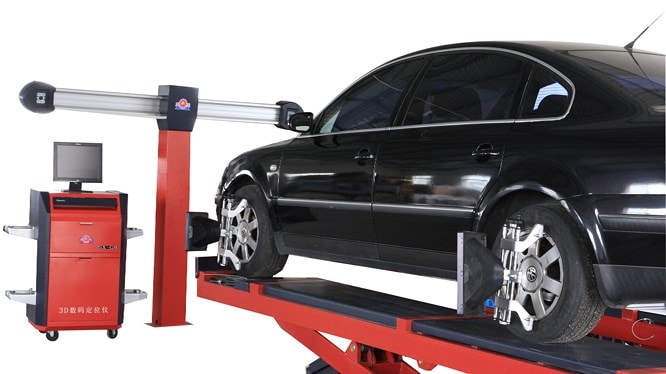 |
Every new car that leaves the factory has its wheel alignment angle set to a standard level. However, after a period of use, these angles may become inaccurate due to bumpy roads, collisions, and frequent overloading.
A common symptom of incorrect wheel alignment is the vehicle pulling to one side. The consequences include rapid tire damage and the driver having to constantly grip the steering wheel, even when driving straight, leading to fatigue.
Experts recommend that vehicles have their wheel alignment checked at a garage every 20,000 km. This check must be performed using specialized equipment... With sensors attached to each wheel, the machine checks for deviations from the manufacturer's default specifications and displays the data on a screen so that technicians can adjust the alignment to the standard settings.


